








Showrooms
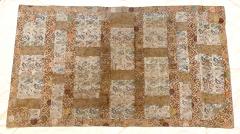
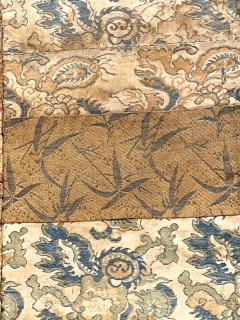
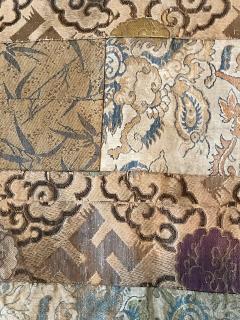
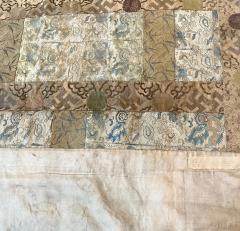
Antique Brocade Kesa Monk's Patched Robe Edo Period
-
Description
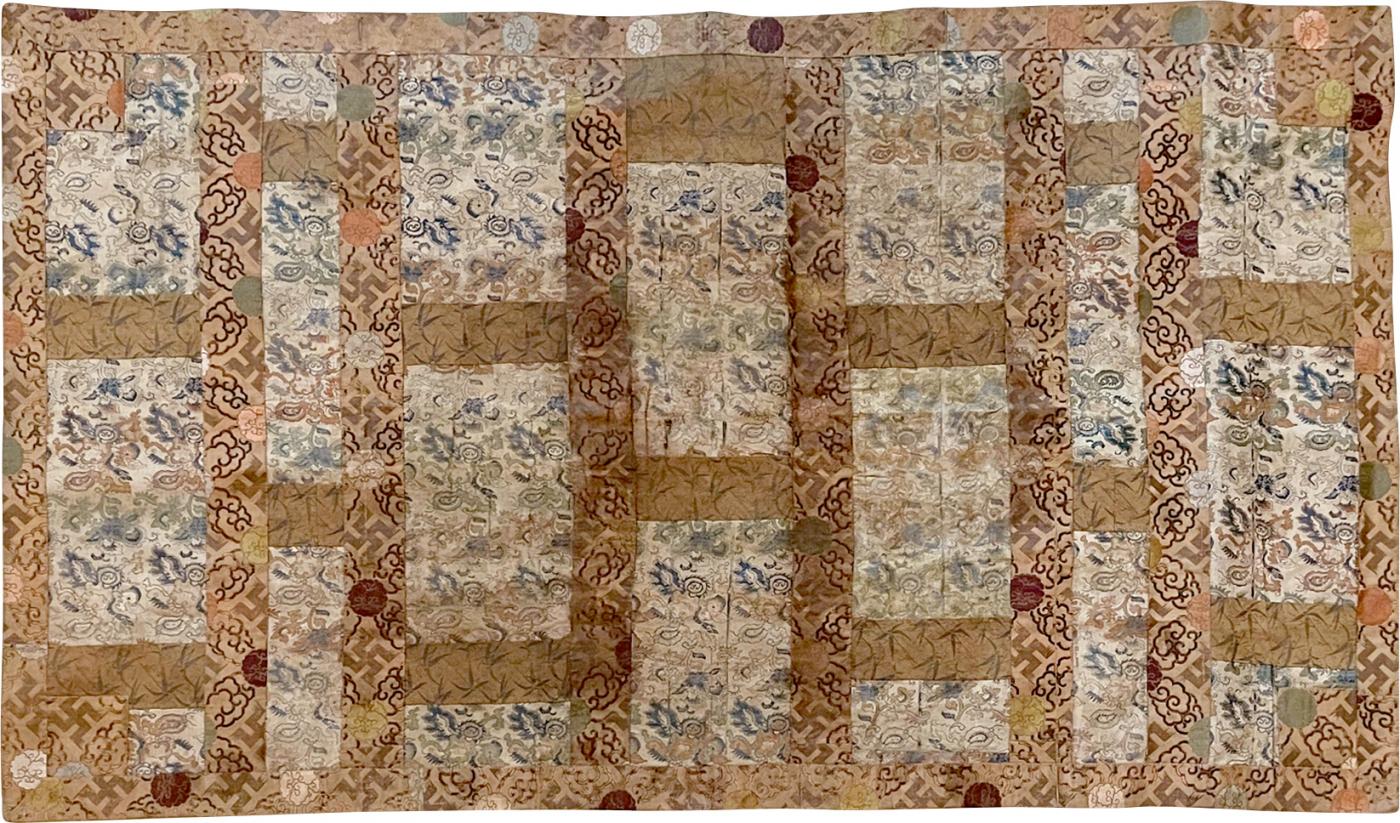
Kesa, known as "Jiasha" in Chinese and "Kasaya" in Sanskrit, is an out layer garment worn by the ordained Buddhist monks. Bearing a basic rectangular form, it developed originally in India where monks used scraps of discarded fabric to patch into a robe that was deemed scared. Kesa was worn above the left shoulder, wrapped under the right armpit and draped along the body. Originally dyed dark colors to stand out in tropical Indian weather, the garment was an identification with the ascetic nature of the monkhood. With Buddhism spread to other Asian countries such as China, Korea and Japan, this tradition of wearing kesa remained to this day. The fabrics used in creating kesa, however, was no longer rags, but gradually became luxurious due to the donation from the worshippers and benefactors of the temple. Paradoxically, the acetic aspect was maintained in the standard patched construction. Within the border, kesa was sewn together in vertical columns, from five to up tp twenty five, with seven being the most common. The higher the number, the more formal and the higher rank it may indicate of the wearer. Sometimes, six patches were placed on top, with four on corners and two flanking the middle, symbolizing the four cordial guardians and the bodhisattvas within the heart.
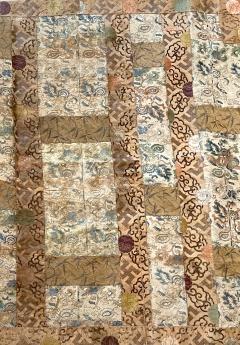
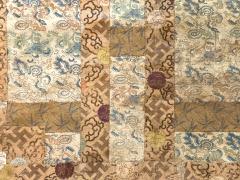
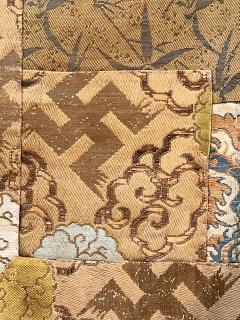
The kesa on offer is an authentic piece dated to Edo period (late 18th century). It was collected and labeled accordingly as shown. Featuring seven columns within its border, it was patched from four different types of brocade, finely woven in Nishiji, Kyoto, which still stands today as a landmark in the city. The fine brocade depicts a wide range of floral motifs, with bamboos on a darker background in one, and a purple peony on the other. Buddhism swastika with a slight ikat tips were heavily featured in one brocade. Although the cutting and patching were always done in random, the selection of the fabrics and colors rendered this piece a harmonious appeal. There are some staining throughout but because of the busy patterns, they may not be readily visible. There is a slightly darkening and wear including a small break of the fabric due to years of use concentrated in the middle part, where the exposure was the greatest. The backing silk has degradation in the middle as well. It is possible that some patches might be added on at different time as needed. This observation and the particular wear and patina are both in keep with the indication that this garment was used for a long time. A fabric label was sewn on the back identifying the robe, the origin of the fabric as well as its age (circa 1772, although we are no sure how this year was pinpointed down, maybe there was other accompany provenance that is now lost). Based on our research and comparison with the kesa collection in museums such as RISD and The Art Institute of Chicago, we believe that the information provided on the cloth label is largely correct.
The kesa is loose therefore requires framing for idea display. It ships easily folded up. -
More Information
Origin: Japan Period: 18th Century Materials: brocade and silk Condition: Fair. Antique textile condition with patina from use. Scattered stains, more pronounced on the backing silk. Small breaks and tears found mostly in the middle section. Backing silk ripped in the middle. Preserved and present very well. Creation Date: late 18th century Styles / Movements: Bespoke, Asian, Traditional Patterns: Abstract, Asian/Oriental, Florals/Botanical, Handmade Incollect Reference #: 447936 -
Dimensions
W. 71 in; H. 0.2 in; D. 41 in; W. 180.34 cm; H. 0.51 cm; D. 104.14 cm;
Message from Seller:
Tishu, based in Atlanta, GA, offers a diverse collection ranging from Neolithic art to 20th-century collectibles, with a focus on Mid-century design, Japanese and Korean art, Asian textiles, and Contemporary Aboriginal art. Driven by a passion for timeless beauty, the gallery is open by appointment only and offers works that span 5,000 years of history. Reach them at 305-400-0561 or tishu@tishugallery.com.
More Listings from Tishu View all 1152 listings
-
Japanese Contemporary Celadon Ceramic Bowl by Ono Kotaro
-
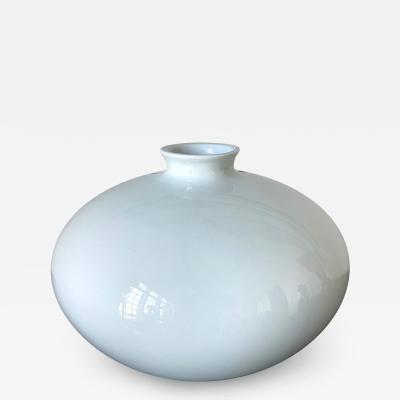
Contemporary Japanese White Glaze Ceramic Vase by Inoue Manji
-
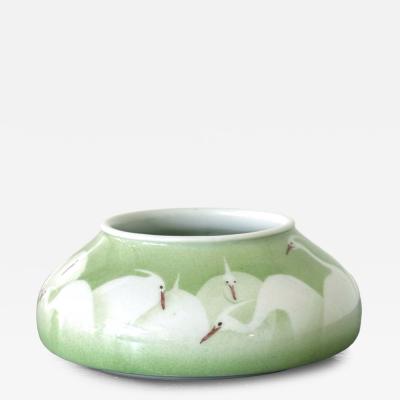
Japanese Porcelain Bowl with Composed Egrets by Makuzu Kozan Meiji Period
-
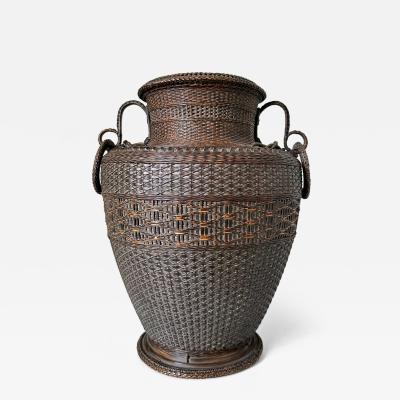
Early Japanese Bamboo Flower Basket Hahakago by Monden Kogyoku Original Box
-
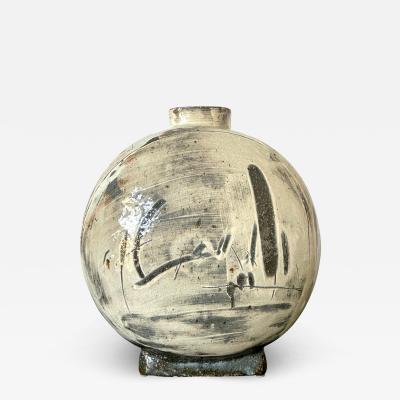
Contemporary Ceramic Buncheong Moon Flask by Kang Hyo Lee
-
Framed Editioned Cyanotype Photograph by John Patrick Dugdale Provenance

-
Japanese Porcelain Vase with Composed Egrets by Makuzu Kozan Meiji Period
-
Antique Japanese Silk Kesa Monk's Robe with Patchwork Meiji Era
-
French Silvered Bronze Box Line Vautrin
-
Framed Antique Embroidery Chinese Textile Qing Dynasty Provenance
-
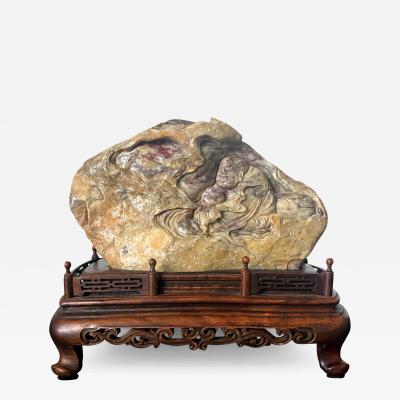
Chinese Chicken Blood Stone Carving of Bodhidharma on Wood Stand
-
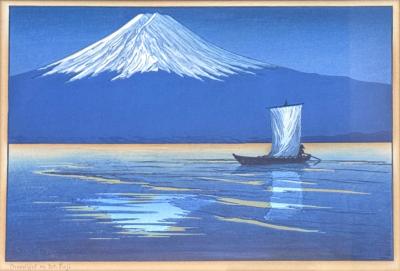
Vintage Framed Woodblock Print Moonlight on Mt. Fuji by Lillian Miller
-
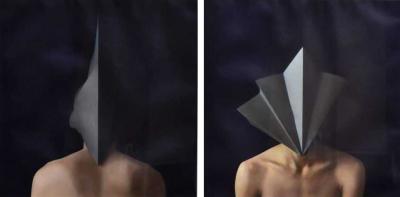
A Pair of Framed Photographs by Susan Fenton
-
Japanese Ceramic Vase by Makuzu Kozan