













Showrooms
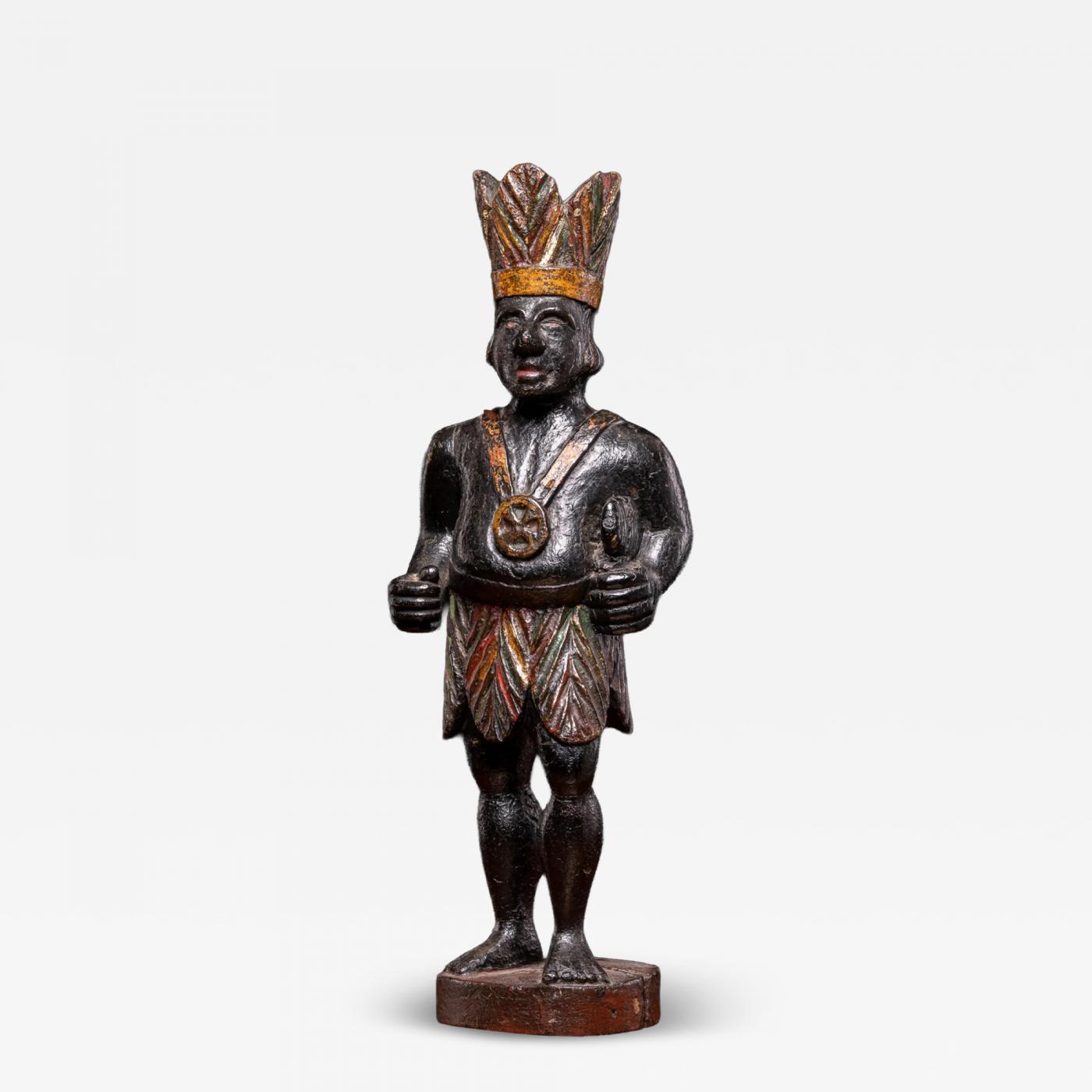
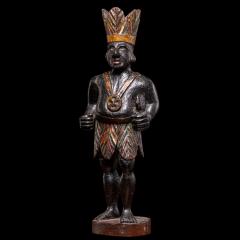
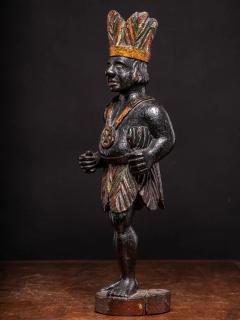
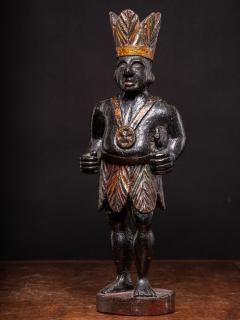
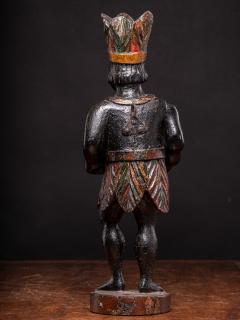
Counter top Cigar store Northern American Indian statue, Unknown artist
-
Description
18th Century
Oakwood
53 x 21 x 15 cm
20 7/8 x 8 1/4 x 5 7/8 in
2218
€ 4,800.00
The cigar store Indian originated as a tradition, not in the United States but in Europe, where carved “Virginie men,” as Europeans called native Americans, were used for advertising the sale of tobacco, an American crop. Tobacconists in America picked up the trend to advertise and make their stores distinctive. The folklore about Cigar Store Indians in the late 18th C suggests that they provided a visual marker, much like a barber’s striped pole, for illiterate customers or, in the following century, for the swelling population of immigrants that spoke different languages. Though these hand-carved statues were once frequent in 18 and 19th C cigar stores, original examples are now extremely rare and highly collectable due to the resurgent popularity of cigars and related memorabilia. The wooden Indian was the accepted sign for a tobacco shop by the 1840s, but it was almost gone by 1900, replaced by flat signs with store names. The statue remains in remarkably good condition for its age, with minimal abrasions and wear.
La statue indienne de magasin de cigares est originaire d'une tradition, non pas aux États-Unis mais en Europe. Les "hommes Virginie" sculptés, comme les Européens appelaient les Amérindiens, étaient utilisés pour faire de la publicité pour la vente de tabac, une culture américaine. Les marchands de tabac américains ont adopté cette tendance pour faire de la publicité et rendre leurs magasins distinctifs. La légende entourant les statues indiennes de magasins de cigares à la fin du XVIIIe siècle suggère qu'elles servaient de repère visuel, comme le poteau rayé d'un barbier, pour les clients analphabètes ou, au siècle suivant, pour la population grandissante d'immigrants parlant différentes langues. Bien que ces statues sculptées à la main étaient autrefois courantes dans les magasins de cigares du XIXe siècle, les exemples originaux sont maintenant extrêmement rares et très recherchés en raison de la popularité croissante des cigares et des objets de collection liés. La statue en bois indienne était le signe accepté d'un magasin de tabac dans les années 1840, mais elle avait presque disparu d'ici 1900, remplacée par des enseignes plates avec les noms des magasins. La statue reste en remarquable bon état pour son âge, avec des éraflures et une usure minimales.
Provenance
European Private Collection -
More Information
Period: 18th Century Styles / Movements: Traditional Incollect Reference #: 817230 -
Dimensions
W. 8.27 in; H. 20.87 in; D. 5.91 in; W. 21 cm; H. 53 cm; D. 15 cm;
Message from Seller:
Spectandum, a by-appointment gallery in Leuven, Belgium, can be reached at contact@spectandum.com 32475648678. The gallery specializes in Natural History, Ethnography, European works of art, antiquities, and rare curiosities sourced from around the world.
More Listings from Spectandum View all 175 listings
-
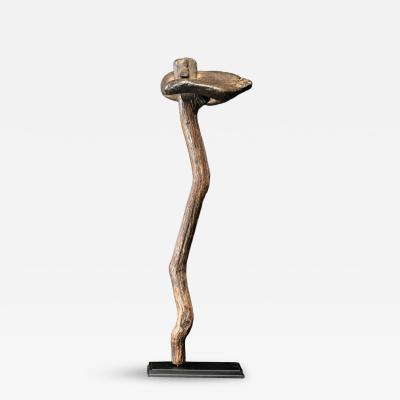
Japanese hard Wood Nyoi (Sceptre) with black rock finish
-
Massim Pig charme sculpture, Trobiant

-
Kundu Knive-brass wrapped and tacked Hilt - wooden brass decorated Sheath, DRC

-
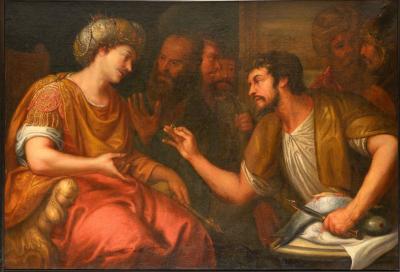
17th C The Ring of Polycrates, Tyrant of Samos, Circle of Antonio Molinari
-
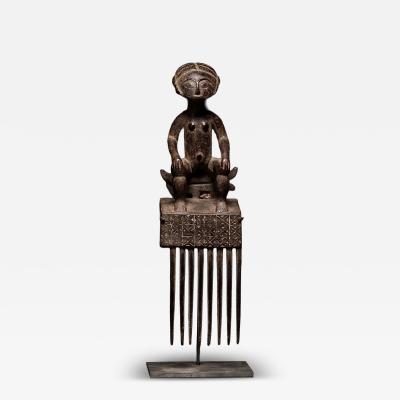
Ashanti Comb representing Female sitting Figure, Ghana
-
Bakongo Christian religious Artifact made of wood, DRC

-
Sunset over the Sea, Jan de Clerck (1891 - 1964), Oil on Unalit, Signed

-
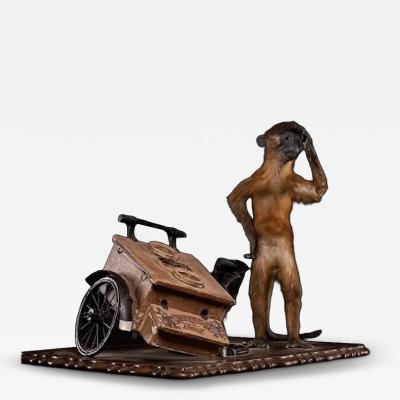
A taxidermy Golden-bellied Mangabey Monkey mounted on a wooden plinth
-
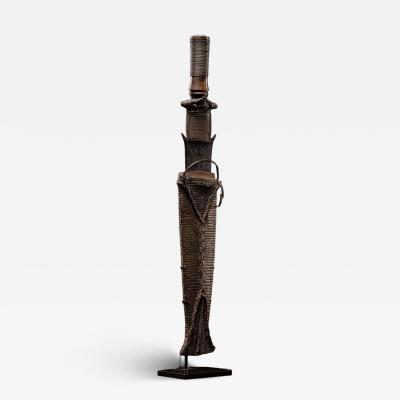
Fang Short Sword with wood and snakeskin Sheath, Gabon
-
A cased taxidermy display of the Toad and Frog orchestra

-
Collection of 4 antique Vietnamese waterpipe bowls

-
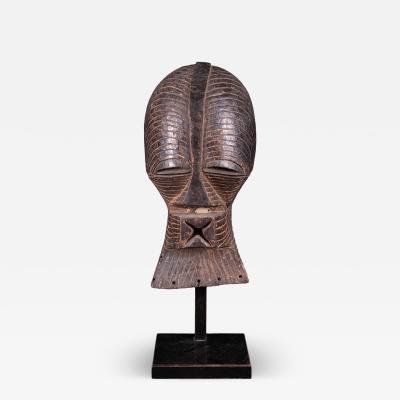
Female Kifwebe Mask with old collection label, Luba-Songye People, DR Congo
-
Inuit Model Kayak. Wooden frame covered with seal skin, lined with bone

-
Didactical Horse Skull on a wooden museum stand (Equus ferus caballus NR)

