


Showrooms
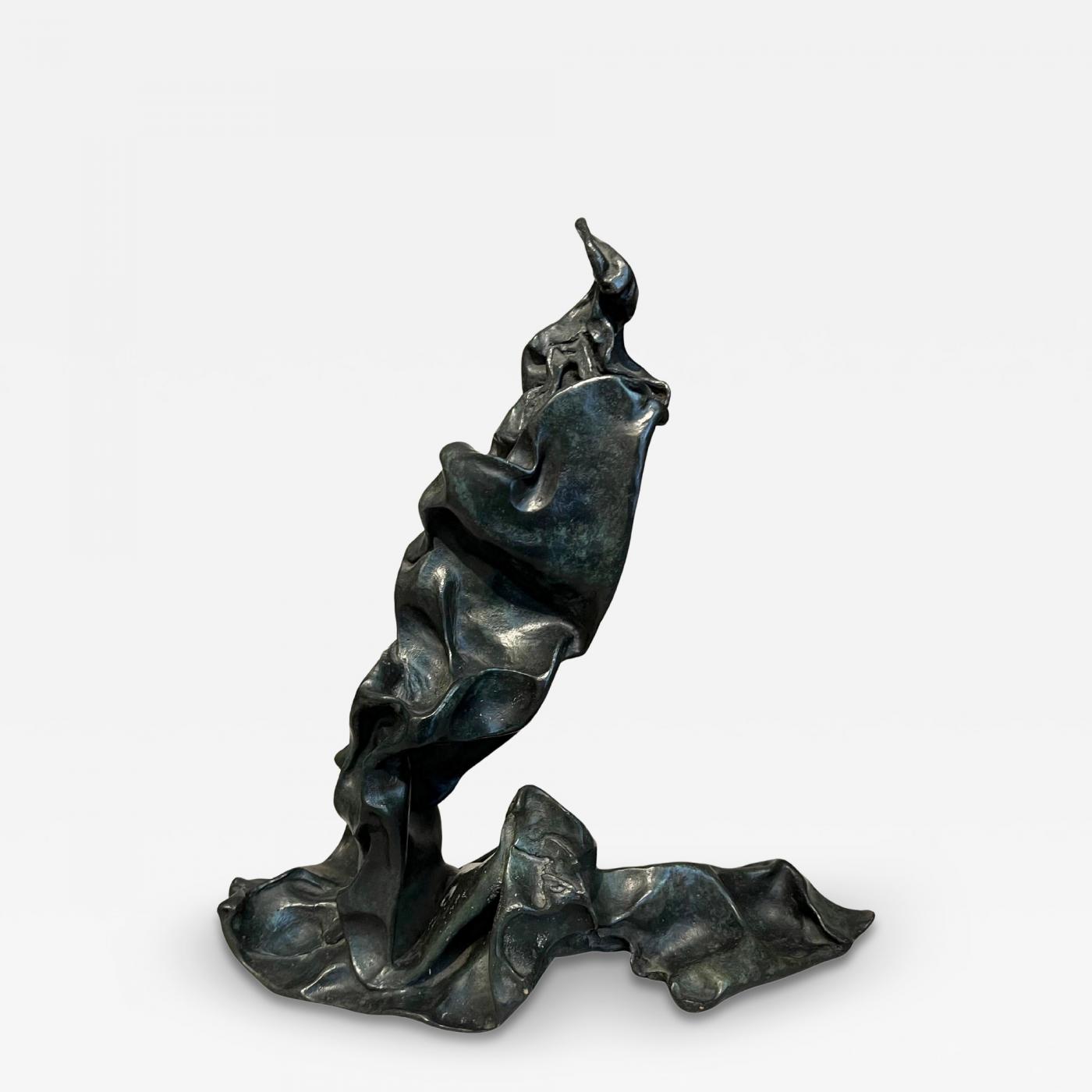
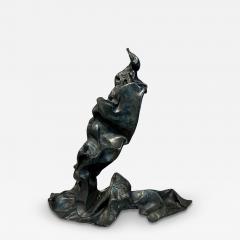
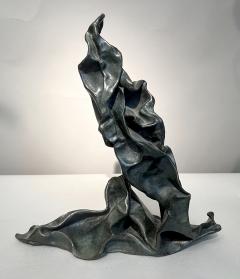
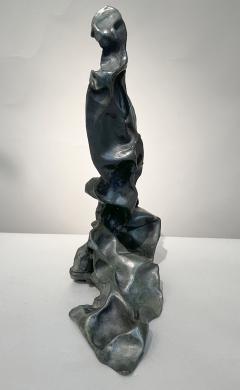
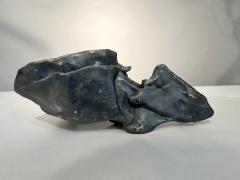
Abstract sculpture, the “crumpled lead” series, Paul Ackerman, France circa 1970
-
Description
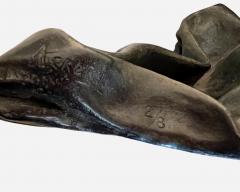
Bronze sculpture by Paul Ackerman from the “plomb froissé” series, signed and numbered 2/8 and debossed with “cire perdue Clementi”.
Biography
Paul Ackerman, Romania-France (1908-1981)
Paul Ackerman is a Romanian painter, lithographer, sculptor and theater designer, living in France since 1912, he belongs to the School of Paris .
Paul Ackerman was four years old when, in 1912, his father, a company director and great art lover, decided, out of constraint in the face of « the anti-Semitism which is a harsh reality in Romania », to come and settle in Paris, in a large villa facing the Bois de Vincennes. He did his secondary studies at the Lycée Charlemagne (where he befriended Gabriel Arout, future playwright for whom he would later design the sets), then at the Ecole Alsacienne. From 1925, Ackerman studied law and letters at the Sorbonne, but, frequenting the Louvre Museum assiduously, he knew that his vocation lay elsewhere.
In 1933, Paul Ackerman met Simone Laverrière, a native of Royan, whom he married in 1935. In 1936, in his studio at 100, rue du Faubourg Saint-Honoré, he designed projects for posters, fabrics and jewelry for Elsa Schiaparelli and Marcel Rochas while visiting Fernand Leger’s studio.
In 1939 Paul Ackerman was mobilized, taken prisoner then released, he found his wife Simone in Vichy where he was expelled as a Jew and left for Saint-Tropez. He then leads a cloistered life in the south of France, made up of small means (painting on newsprint), and befriends Pierre Bonnard. From 1942 to 1945, he continued this cloistered life in Chindrieux in Savoie, painting landscapes, nudes, still lifes and self-portraits.
After the Liberation, in 1945, Paul Ackerman returned to his Paris studio, however returning to Saint-Tropez, reuniting with Pierre Bonnard and frequenting Picasso. In Paris, he meets Serge Poliakoff, Jean Dubuffet, Jean-Michel Atlan and especially Alexandre Garbell, with whom he becomes a friend. Soon followed the first exhibition at Raymond Creuze in 1947, the Prix Pacquement in 1950.
The work of Paul Ackerman is characterized by its versatility, its variations, its mutations, its stages, its periods, its cycles, its turns, its metamorphoses, and even its contradictions. Never having been a prisoner of a style, he is both one of the most secret painters and sculptors of his time and one of those who bear witness to it. If in the 1950s the formal aspect of his work placed him in abstract painting, a more focused look was quick to identify the inspiring concrete reality.
After a 180° turn, Ackerman resolutely returned to figuration in his great Rembrandt, Vivaldi and Dickens cycles. From the outset, one guesses implicitly in his work the reading of certain esoteric authors (René Guénon in particular), which his handwritten notes of personal reflections confirm, but which contradicts the assertion of the artist: « I was not guided I don’t know where these pictures came from or why I made them. »
Paul Ackerman’s penchant for esotericism was confirmed in 1965 with Agartha, defined by René Guénon as « an underground world extending its ramifications everywhere under the continents ». Ackerman feels driven to make this invisible world visible. His work, and this is what makes its unity in its plurality, therefore comes from a metaphysics where everything takes on a symbolic meaning.
« Either time will be kind to my work, writes Paul Ackerman in his notes, and will give it that indispensable value which sensitizes a work for generations to come, and in that case I will have been alive, or time will erase what I did and in that case I would never have been more than a little dust”.
Died in 1981, he rests in the cemetery of Bagneux. - More Information
-
Dimensions
W. 14.57 in; H. 14.57 in; D. 5.12 in; W. 37 cm; H. 37 cm; D. 13 cm;
Message from Seller:
Catherine Canavese is an expert from the "Compagnie Nationale des Experts." She is an astute antique dealer and offers to connoisseurs, dealers and private customers a curated selection of objects, furniture, sculptures, lamps and decorative elements of the XIXth up to the XXIth century, all original and of the best quality. The gallery has been in operation since 2001.
More Listings from Galerie Canavèse View all 466 listings
-
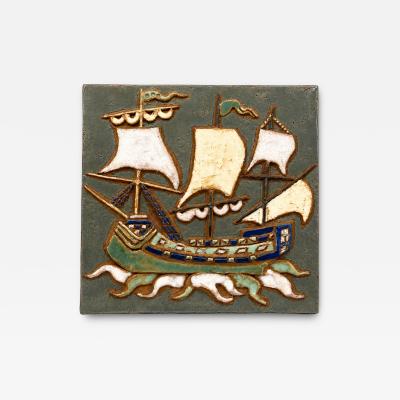
Decorative plaque by Les Argonautes, Vallauris, France, circa 1970
-
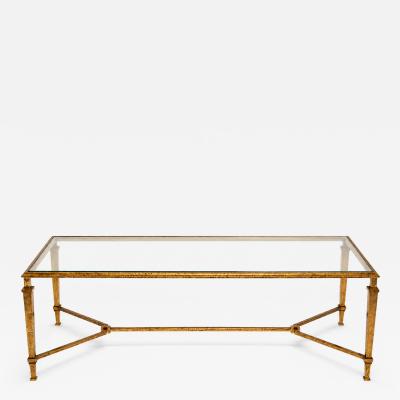
Large coffee table in gilded iron, by Robert Thibier, Paris, France, circa 1960
-
Original Chinese Propaganda Posters, Beijing, China, circa 1960

-
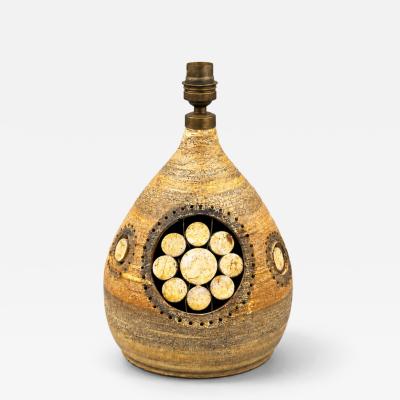
Glazed ceramic table lamp, by Georges Pelletier, Paris, France, circa 1960
-
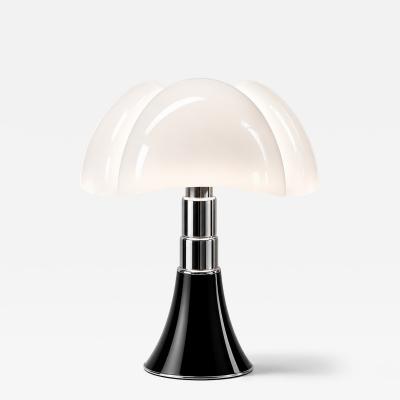
Large "Pipistrello" lamp, by Gae Aulenti, Italy, circa 1965/1970
-
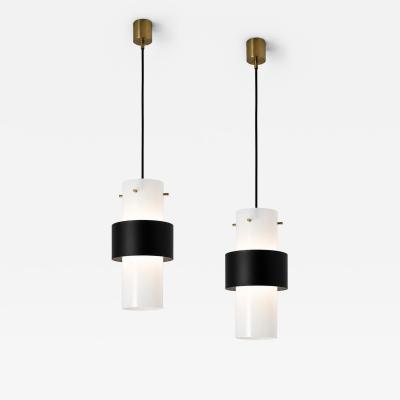
Pair of pendant lights, Editions Maison Lunel, Paris, France, circa 1950/1960
-
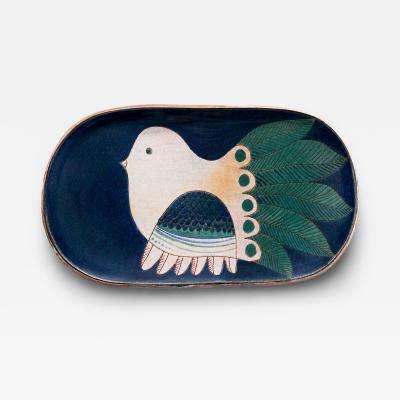
Large decorative dish, by Robert et Jean Cloutier, Paris, France, circa 1960
-
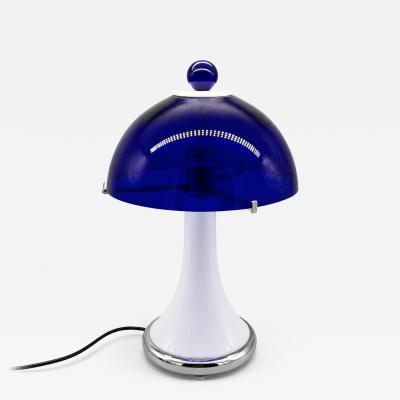
Murano glass table lamp, attributed to Gino Cenedese, Murano, Italy, 1980
-
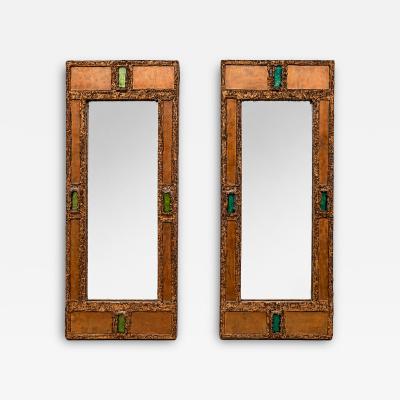
Pair of mirrors by Irena Jaworska, Paris, France, circa 1960
-
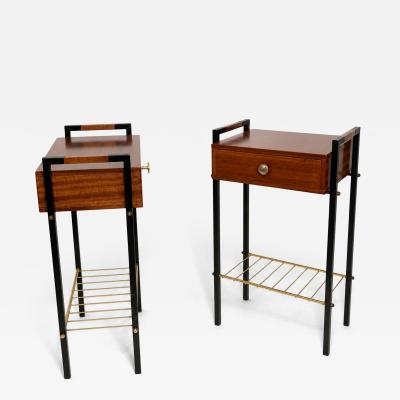
Pair of bedside tables, attributed to Jacques Hitier, France, circa 1950
-
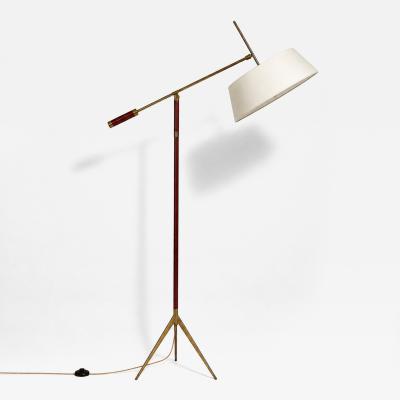
Swinging floor lamp, Editions Maison Lunel, Paris, France, circa 1950
-
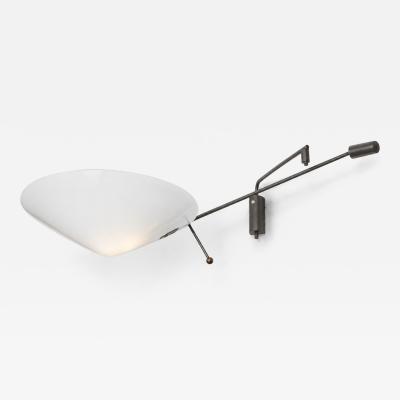
Swivel wall sconce with pendulum arm, by Robert Mathieu, circa 1957/1958
-
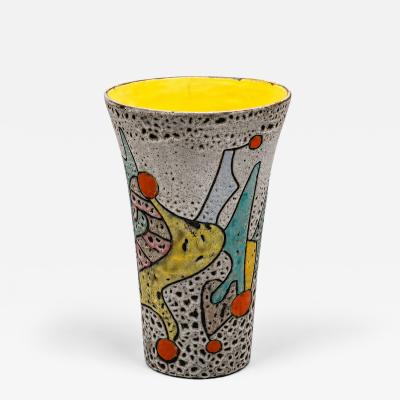
Large "fat lava" conical vase, by Marius Bessone, Vallauris, France, 1956
-
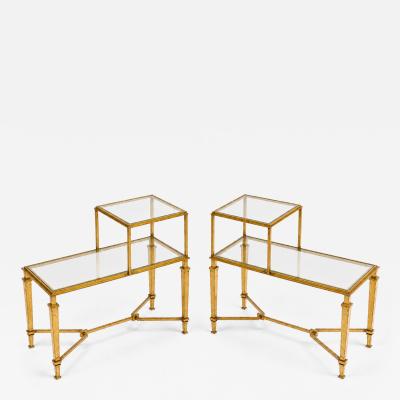
Pair of two-tiered end tables, by Robert Thibier, Paris, France, circa 1960