










Showrooms
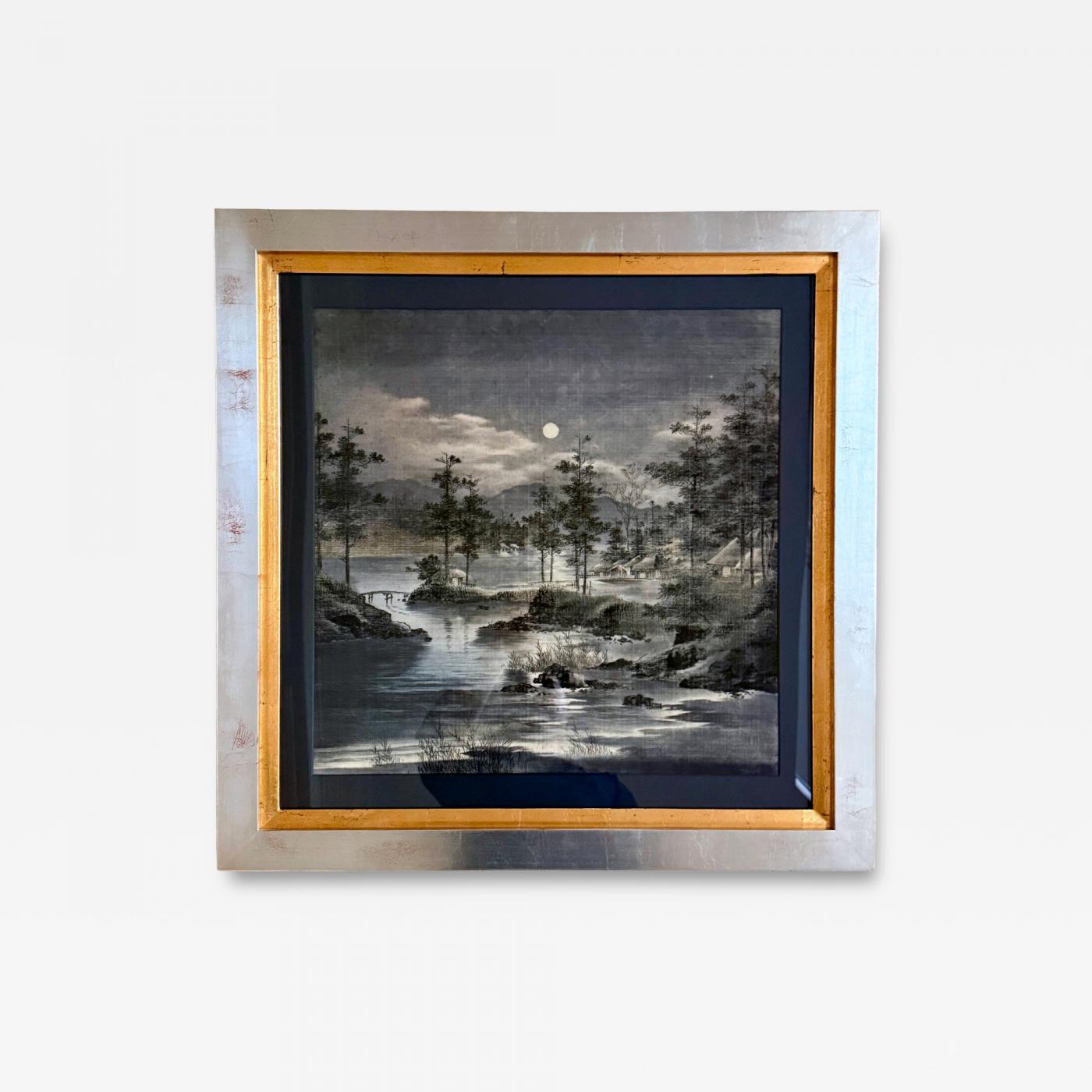
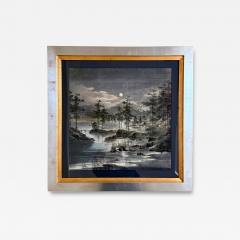
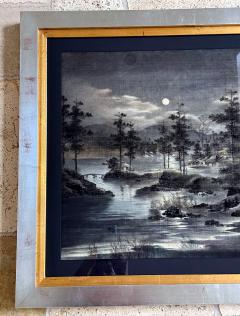
Framed Japanese Velvet Yuzen-Birodo Tapestry Panel Meiji Period
-
Description
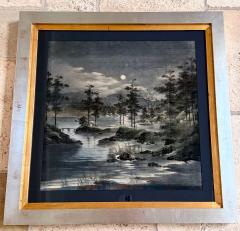
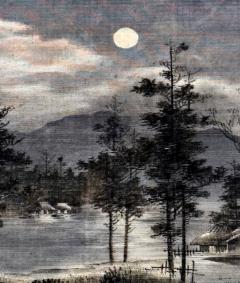
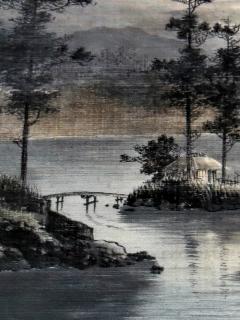
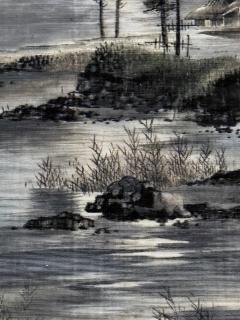
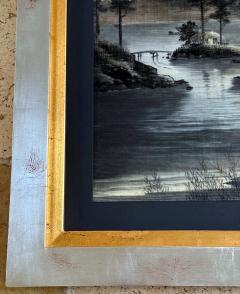
A Japanese tapestry velvet panel from Meiji period presented in a beautiful silver and gold leaf wood frame. The realistic landscape textile was created using resistant dye on cut velvet. This labor-intensive method is called Yūzen Birodo in Japanese and requires high technical precision to achieve its signature three-dimensional, "chiaroscuro" effect. The tapestry is dated to late Meiji period (circa 1900-1920s) and was made to appeal the taste of the West. By fully harnessing the technical ability of the native Japanese textile artists, the composition of the typical Japanese scenery blended in strong visual perspective and dimension found in the western landscape painting. The result, like many late Meiji Export art, is a true marvel of East-Meet-West. The romantic nocturnal landscape depicts lake cove among towering pines and under a full moon, A small foot bridge and clusters of thatched-roof houses dotted the meandering rocky coast. The resistant dye on the cut velvet was taken advantage to the fullest by the artist to create its dreamy effect in black and white like an ink painting. Although the scenery is purely Japanese, the visuality has a strong sense of dimension found in Western oil landscape painting. This unique art form at the turn of the 20th century reflected the historical context when Japanese traditional art enjoyed an unprecedented exchange with the West. The panel was matted and presented in an antiqued wood frame with silver and gold leaf.
Image size is 20.5" x 20.5".
The invention of Yuzen-Birodo was credited to Nishimura Sozaemon, the famous Kyoto textiles firm, in 1868. The velvet was woven by passing the fine metal wires parallel to the weft to raise the loop. The design was painted on the uncut velvet using resistant dye method (Yuzen). Afterward, the fabric was steamed, and the velvet was selectively cut to form the piles. The precise cutting creates a tufted pile that adds depth, texture, and a sense of perspective, often making the textile resemble a painting.
The first example of Yuzen-Birodo was exhibited at the Second National Industrial Exhibition in Tokyo in 1881 before it was exhibited in the west.
Reference: "Threads of silk and gold, Ornamental Textiles from Meiji Japan" by H. McDermott and C. Pollard, The Oxford Ashmolean Museum Catalogue Exhibition, 2012, pp. 160-169. -
More Information
Origin: Japan Period: 1900-1919 Materials: velvet, wood, glass Condition: Good. Fine condition for antique textile of this nature and age, a few very faint foxing spots and faint folding lines. Frame and mat appear in fine near new condition. Creation Date: 1900s Styles / Movements: Modern, Asian Patterns: Asian/Oriental, Textured Incollect Reference #: 841920 -
Dimensions
W. 28.75 in; H. 28.75 in; D. 2.5 in; W. 73.03 cm; H. 73.03 cm; D. 6.35 cm;
Message from Seller:
Tishu, based in Atlanta, GA, offers a diverse collection ranging from Neolithic art to 20th-century collectibles, with a focus on Mid-century design, Japanese and Korean art, Asian textiles, and Contemporary Aboriginal art. Driven by a passion for timeless beauty, the gallery is open by appointment only and offers works that span 5,000 years of history. Reach them at 305-400-0561 or tishu@tishugallery.com.
More Listings from Tishu View all 1137 listings
-
Editioned Photography Picnic Mougins by Lee Miller
-
Contemporary Japanese Bamboo Basket Ikebana by Koide Bunsei
-
Pair Of Adjustable "IUWV" Floor Lamps by Cedric Hartman
-
Contemporary Japanese Bamboo Basket Ikebana by Fujitsuka Shosei
-
Antique Korean Wedding Bandaji Chest Pyongyang Joseon Dynasty
-
18 K Yellow Gold Love Bracelet Open Cuff Size 19 by Cartier

-
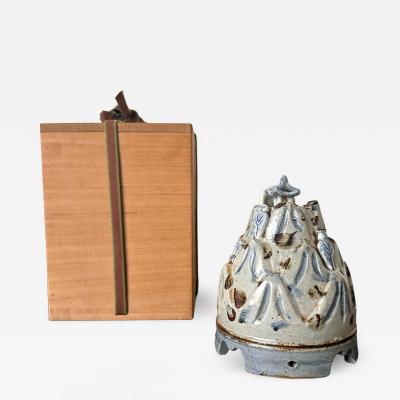
Korean Ceramic Scholar Brush Rest Joseon Dynasty
-
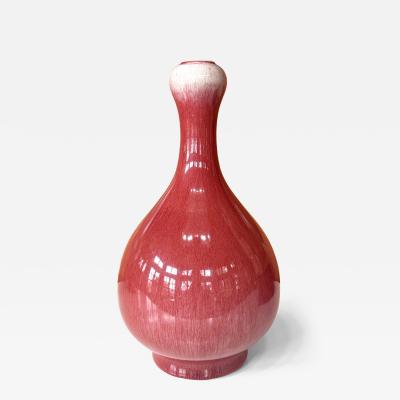
Tall Antique Chinese Langyao Red Ceramic Vase Qing Qianlong Mark
-
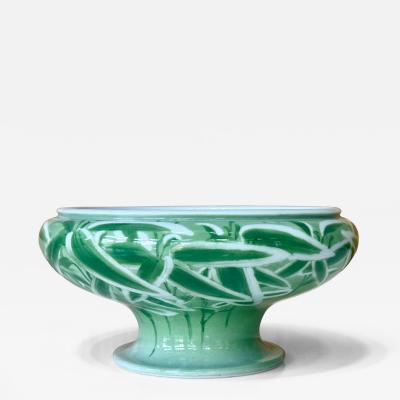
Japanese Porcelain Stem Bowl by Makuzu Kozan Meiji Period
-
18K Gold Venetian Link Bracelet by Tiffany & Co.

-
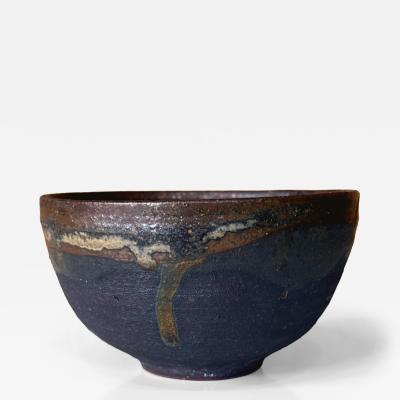
Glazed Ceramic Bowl Chawan Toshiko Takaezu
-
Sculptural Sterling Silver Brooch by Graziella Laffi
-
Antique Burmese Lacquer Wood Shan Style Buddha Statue
-
Japanese Bamboo Basket Ikebana by Yamashita Kochikusai