








Showrooms
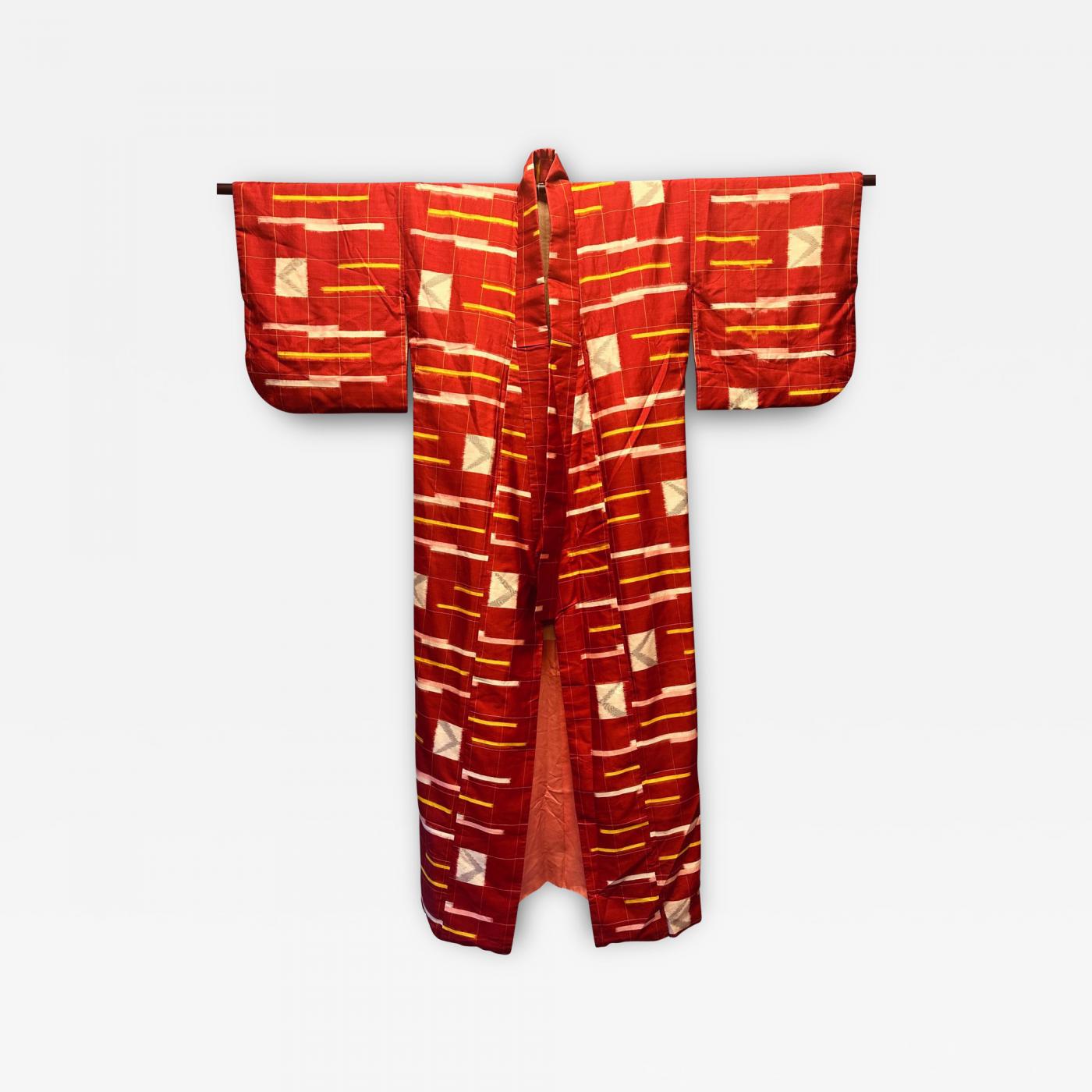
Japanese Art Deco Ikat Silk Meisen Kimono
-
Description
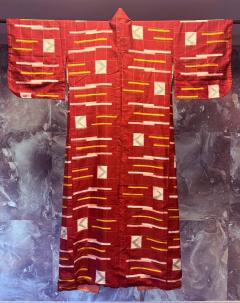
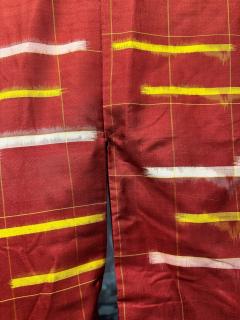
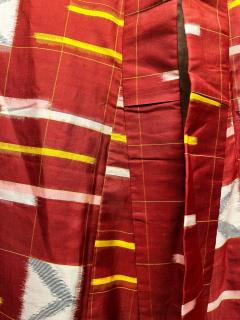
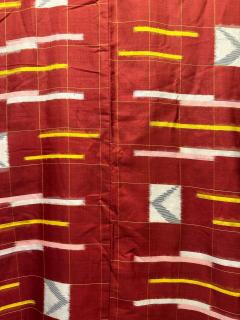
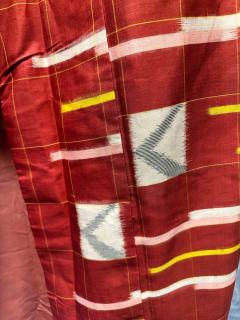
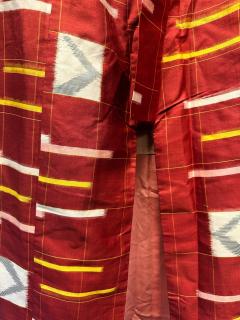
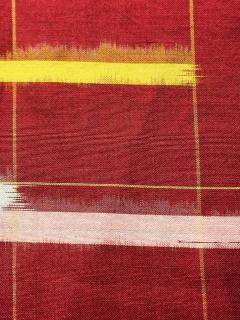
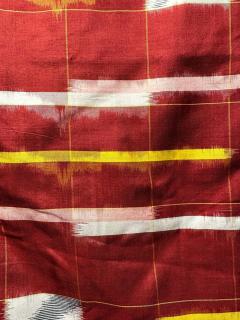
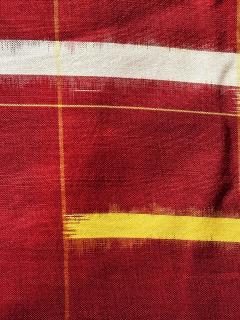
A striking and well preserved Japanese Meisen kimono hand-sewn from woven Ikat Silk circa 1920-40s (Taisho to Showa period). The kosode style kimono (small sleeve), with its Art Deco woven pattern, was a great example of the high end Meisen silk kimono that was popular during the period. Meisen kimonos were hand-sewn from silk that made accessible to the mass population and sold in the department stores in Japan at the time (like ready-to wear). The lower price of the silk production and improvement of the weaving techniques helped the accessibility, although the price and quality varied and still went hand in hand. This kimono would be considered a luxury garment because of the finer material it was made from. The silk red fabric was woven in double-ikat pattern (called Tate-Yoko Kasuri in Japanese). On the red background, horizonal bars in white and yellow were arranged with white square with grey chevron pattern. The motif was typically inspired by Art Deco movement in Europe. The interior was lined with white and pink silk. The distinguished double-ikat, in which both wefts and warps were pre-dyed with resistant paste to create a slightly blurry edges, was one of the most difficult techniques to master. The precision of the pre-dye was the key to the creation.
Ikat weaving was originated in Southeast Asia and spread to Japan Mainland in the 17th century via Okinawa (14th century). The cotton production accelerated the development of the textile industry on a much larger scale by then in the Edo period when Kasuri became very popular among the general population. - More Information
-
Dimensions
W. 48 in; H. 62 in; D. 0.5 in; W. 121.92 cm; H. 157.48 cm; D. 1.27 cm;
Message from Seller:
Tishu, based in Atlanta, GA, offers a diverse collection ranging from Neolithic art to 20th-century collectibles, with a focus on Mid-century design, Japanese and Korean art, Asian textiles, and Contemporary Aboriginal art. Driven by a passion for timeless beauty, the gallery is open by appointment only and offers works that span 5,000 years of history. Reach them at 305-400-0561 or tishu@tishugallery.com.
More Listings from Tishu View all 1145 listings
-
Framed Korean Folk Painting of General Guan Gong

-
Framed Photograph by Don Hong-Oai
-
Italian Ceiling Light Attributed to Stilnovo

-
Australia Aboriginal Painting Woman Body Paint by Abie Loy Kemarre
-
Framed Korean Folk Shamanistic Painting of Seven Stars
-
Antique Japanese Ink Hanging Scroll Hidaka Tetsuo with Wood Storage Box

-
Large Contemporary Ceramic Moon Jar by Akiko Hirai
-
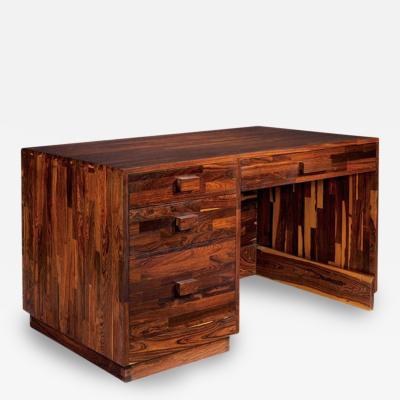
Rare Cocobolo Wood Desk Don Shoemaker like jimmy in Better Call Saul
-
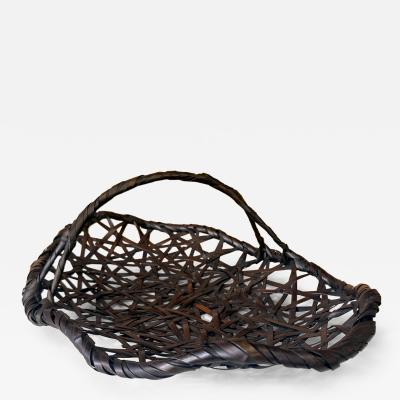
Large Japanese Bamboo Morikago Basket by Torii Ippo
-
Pair Framed Vintage Print of Drawings by Diego Rivera

-
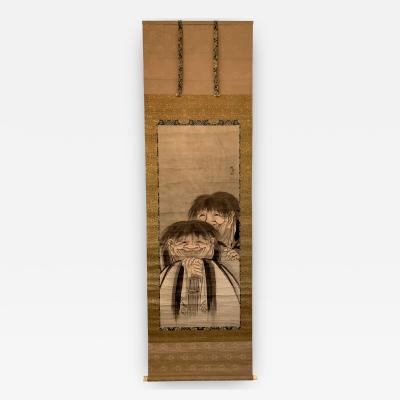
Large Antique Zen Japanese Ink Scroll After Sesson Shukei
-
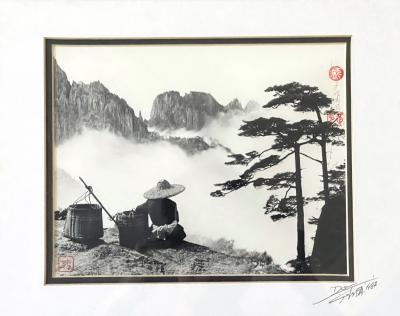
Framed photograph by Don Hong-Oai
-
Japanese Ceramic Vase with Tomobako Early Work by Mihara Ken
-
Pair of Rare Danish Scimitar Lounge Chairs

