






Offered by:
Arthur T. Kalaher Fine Art
28E Jobs Lane
Southampton, NY 11968 , United States
Call Seller
631.204.0383
Showrooms
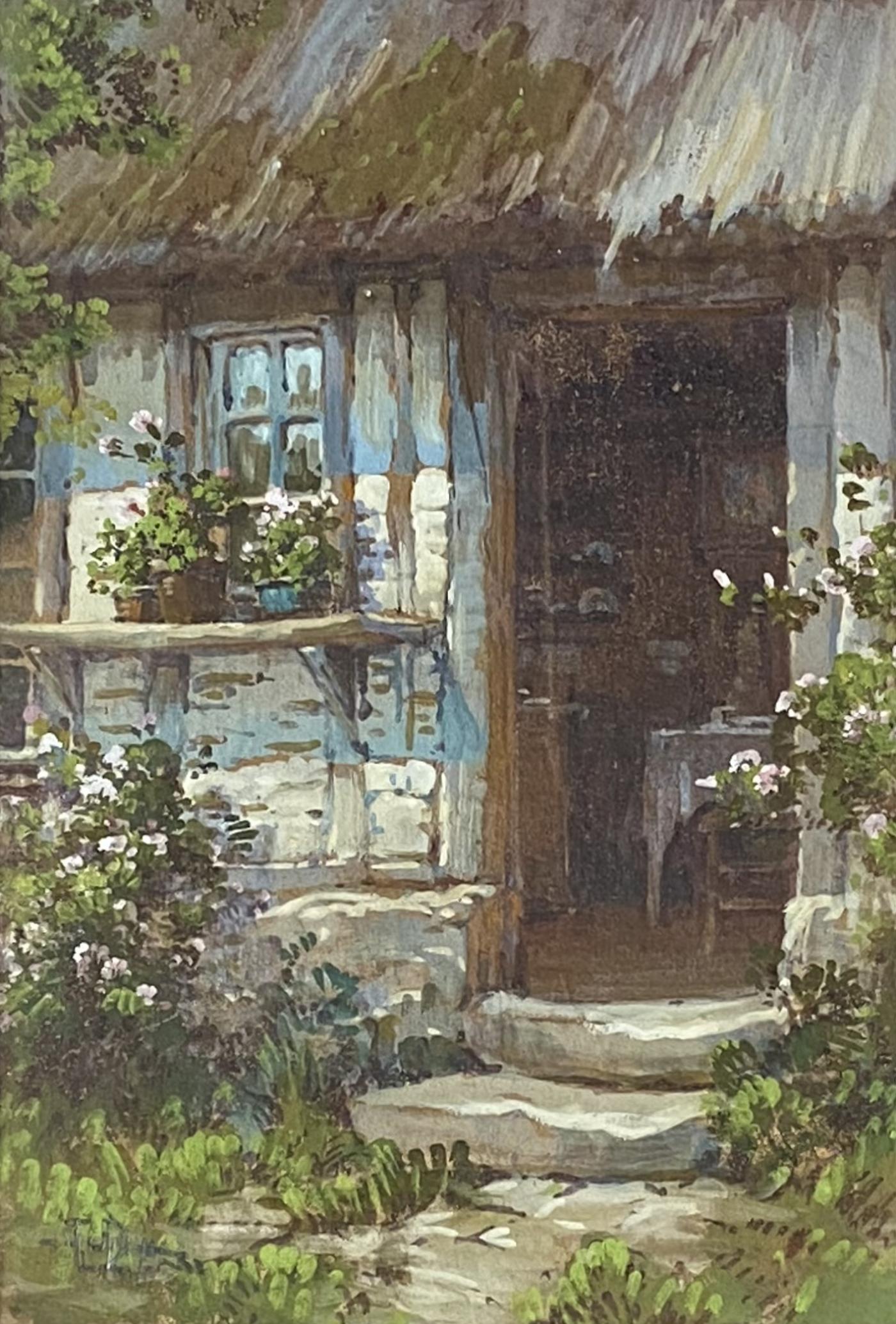
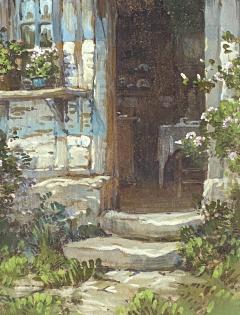
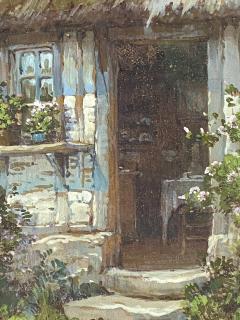
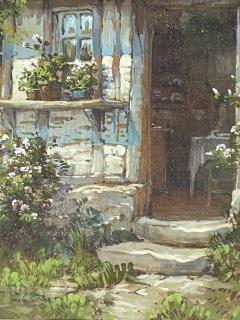
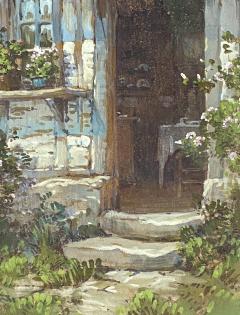
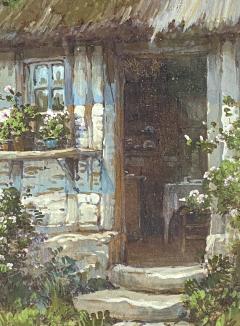
"A Norman Peasant's Home"
-
Description
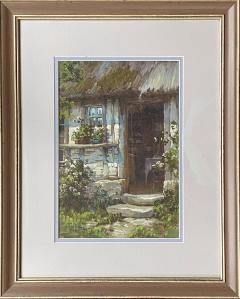
"A Norman Peasant's Home," (Near Caudebec -en-Caux, Seine, France); and also identified as, "Peasant's Doorway." by Hezekiah Anthony Dyer. This area would be considered Normandy hence the title. Watercolor and gouache on archival paper. Signed lower left by the artist. Condition is very good. Included with the purchase is dated 1925 correspondence between the artist and purchaser of the painting with apologies from the artist for the painting not being shipped from Newport on time. Recently professionally custom double matted and framed under glass. Overall framed measurements are 19.25 by 15.5 inches. Provenance: Rhode Island collector.
H. A. Dyer
1872 - 1943 Historical Rhode Island artist Hezekiah Anthony Dyer, son of Elisha and Nancy Anthony Dyer , was born into a prominent Rhode Island family, having both his grandfather and father serve as governor of the state. A descendent of the Hoppin family, known for their own artistic inclination, Dyer inherited both an interest in the arts as well as his father’s interest in public affairs. He fulfilled his destiny by becoming a notable figure in Rhode Island politics and public service as well as an accomplished artist.
Dyer attended boarding school at St. Paul’s Church in Concord, New Hampshire and then went on to attend Brown University. Following his graduation from Brown in 1894, Dyer became serious about pursuing an art career and made the decision to travel abroad to Holland, Italy and France where he focused on refining his watercolor technique. Following his initial trip to Europe, Dyer returned to Providence and attended classes at the Rhode Island School of Design. By 1919 he received an Honorary Masters of Arts Degree from Brown University.
Throughout his life, Dyer traveled to Europe for several months of each year to paint. He had a particular affinity for European seascapes and landscapes, as well as for picturesque scenes of old European villages. Dyer’s travels took him throughout the continent including Belgium, Brittany, Normandy, England and both the Swiss and Italian Alpine regions. Hezekiah was heavily influenced by the English School of painting, and in the early years of his career as a painter, worked exclusively in a deliberately realistic style. During this time, Dyer also began showcasing his paintings in exhibits that consisted of only his own work and which were very successful. As his painting progressed, Dyer allowed himself to experiment more in the field of watercolor. He developed a technique of painting on grey or tan paper and would paint everything lighter than the paper using an opaque gouache, and everything darker than the paper in transparent washes of color. This technique allowed Dyer to represent a great deal of detail not usually found in watercolor paintings. It also resulted in wonderfully vibrant colors that would not fade when dry.
H. A. Dyer was a prominent member of both the art community and of Rhode Island public life. While he never held an office, Dyer became very involved in politics and from 1916 to 1919 was president of the Republican Club of Rhode Island. At the beginning of the First World War, Hezekiah was made chairman of the speaker’s bureau for the Food Administration of Rhode Island, and was later made chairman of the speaker’s bureau for the Council of Defense. Dyer also became a chairman for a philanthropic organization called Rhode Island of the Fatherless Children of France. In 1922, France presented both Hezekiah Dyer and his wife Charlotte with a medal of recognition for their service to this organization after they raised enough money to support 1,700 orphans.
Dyer also became a leading figure among New England artists. Hezekiah joined the Providence Art Club in 1895 after graduating from Brown. By 1905 he was president and remained in that office until 1914. In 1896 Dyer became one of the five original founders of the Providence Watercolor Club along with other pioneer artists Sydney Burleigh and Stacy Tolman. He later served as this club’s president and was a member of the Boston Art Club, as well as the Boston Watercolor Society.
Throughout the 1920s came a drastic change in the art scene of America with the growing influence of the Modernist movement. This new school of thought advocated a break from traditional representation in art and the development of abstraction. Although this movement had less effect in New England than in larger cities throughout the country, it was nonetheless an evident presence in the art community. Dyer rejected the influence of these trends and continued to create more conventional representational works. While Hezekiah did not prohibit modern works from entering the Providence Art Club, he defended his own more conventional work, stating that “modernistic art has been unduly brought forward, first by the age-old desire to show off, and second, because art critics and dealers love to take hold of something that is new stuff-the ones to write about and the others to sell.” -(Providence Journal, 1928.) Dyer felt he owed it to his subject matter to depict it in its most beautiful state rather than to intentionally distort it in order to gain praise.
Hezekiah Anthony Dyer died in 1943 but remains one of the well-known watercolorists in both Rhode Island and the New England region. Today Dyer’s work is part of the permanent collections of the Corcoran Gallery in Washington D.C., the Rhode Island School of Design, the Fall River Public Library, Brown University, the Rhode Island Historical Society, as well as at the Providence Art Club. -
More Information
Documentation: Signed Origin: United States, Rhode Island Period: 1920-1949 Materials: Watercolor and gouache on archival paper Condition: Good. Creation Date: Circa 1925 Styles / Movements: Post Impressionism Incollect Reference #: 550380 -
Dimensions
W. 8 in; H. 11.5 in; D. 0.75 in; W. 20.32 cm; H. 29.21 cm; D. 1.91 cm;
Message from Seller:
Arthur T. Kalaher Fine Art, located in Southampton, NY, offers a curated selection of traditional and contemporary works, including pieces by the Peconic Bay Impressionists and the estate of Nahum Tschacbasov. For inquiries, contact the gallery at (631) 204-0383, by cell at (941) 284-5588, or via email at arthurkalaher1@icloud.com.
More Listings from Arthur T. Kalaher Fine Art View all 364 listings
-
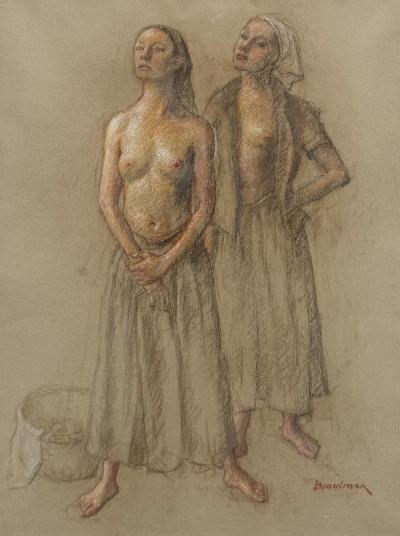
“Standing Female Nudes”
-
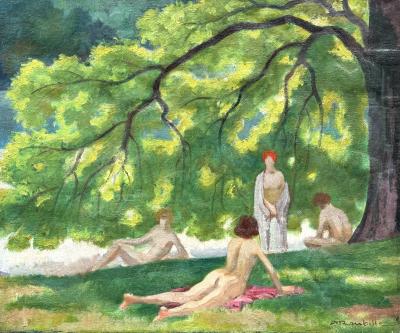
“The Sun Bathers”
-
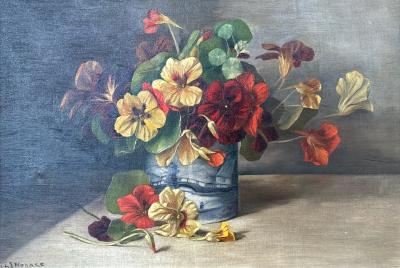
“Nasturtiums in Blue Vase”
-
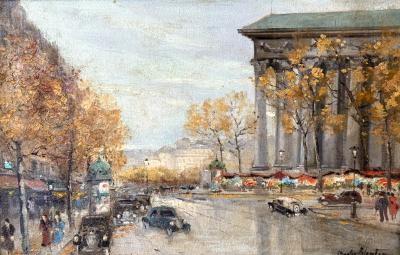
“La Madeleine, Paris“
-
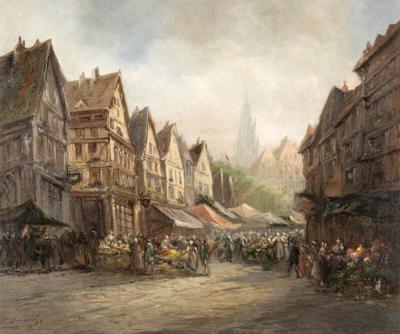
“Market Scene Strasbourg, Paris”
-
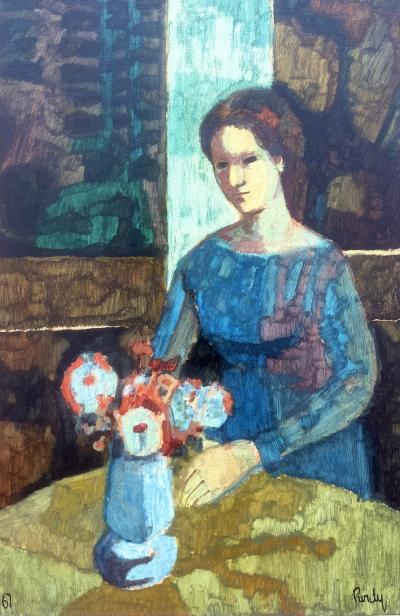
“Woman in Blue with Flowers”
-
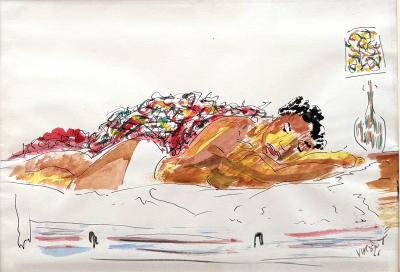
“Siesta”
-
“Along the Seine, Paris”
-
“Pietra Dura Old Mill with Figure”
-
“Untitled”
-
“Cottage in Tenerife”
-
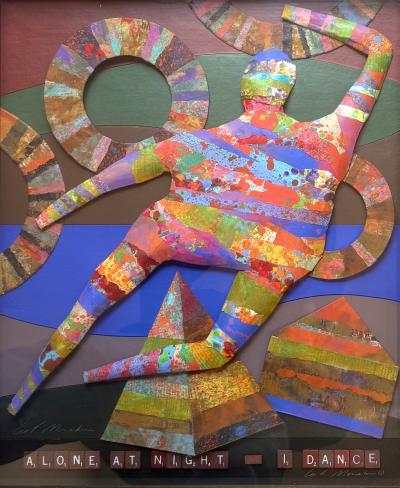
“Alone at Night, I Dance”
-
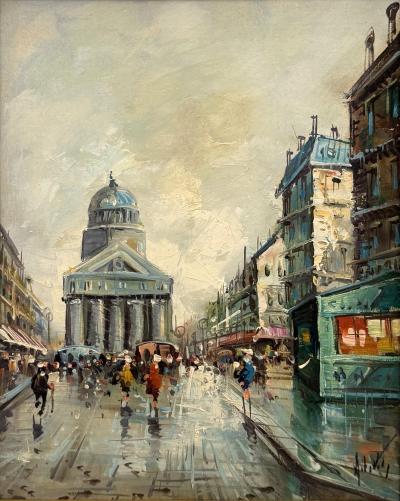
“The Pantheon, Paris”
-
“Ciryscape”