










Offered by:
Carswell Rush Berlin Antiques
P.O. Box 210, Planitarium Station
New York City, NY 10024 , United States
Call Seller
646.645.0404
Showrooms
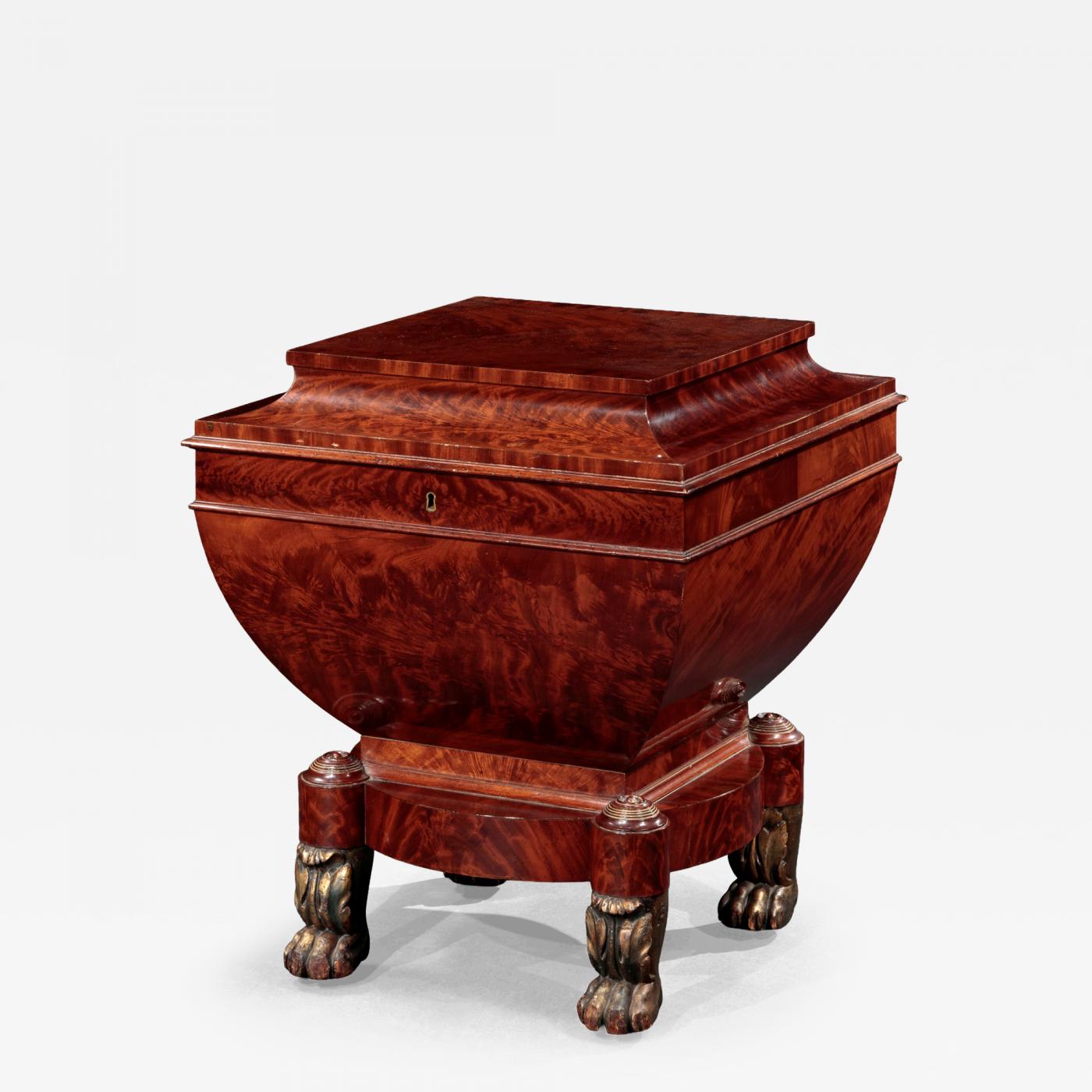
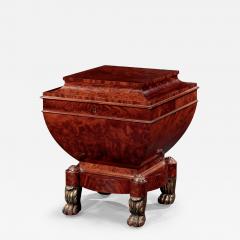
Square Elliptic Sarcophagus Cellaret
-
Description
VERY FINE CLASSICAL SARCOPHOGUS-FORM CARVED MAHOGANY CELLARET
Attributed to Duncan Phyfe (1770-1854)
New York, c. 1820
The Square case with a cross-banded flat top on a cavetto molded, hinged lid opening to a divided interior bordered by concave bottle rests for four upright bottles and four bottes on their sides, in a tapering, elliptic-shaped body on a circular plinth with cylindrical posts at each corner surmounted by concentric bosses and raised on four carved animal paw feet with acanthus leaf decoration. There are brass casters recessed into the heels of each foot. Having a jelly jar label marked: FRANCES MINTURN HO[illedgable].
H: 25.5” W: 21.75” D: 21.75”
Condition: Excellent. Verde-Antique and gilt decoration on the feet has been restored. Refinished in shellac in the manner of the period.
Published: Susan Solny, “Some Unusual Stylistic Preferences in New York Cellaret Design,” Studies in the Decorative Arts, The Bard Graduate Center for Studies in the Decorative Arts, Vol. V, No. 1, (Fall-Winter 1997-1998), 83-128.
This cellaret represents among the most sophisticated and complex pieces of cabinetry in the first quarter of the 19th century in America. Its beautiful curving lines and spectacular figured veneers are a tour de force of design and craftsmanship as well as an evocation of the ancient classical past. It is likely that its cavetto lid was inspired by the Sarcophagus at Capella Corsini in San Giovanni in Laterano known as the tomb of Agrippa, a well know and published artifact of ancient Rome.
Including the present example, only eleven of these New York elliptic, sarcophagus-shaped cellarets are presently known. Of these, four are in museum collections: two at the Museum of the City of New York (one of these, en-suite with its pedestal-end sideboard, descended in the family of Duncan Phyfe), one at the New York State Museum in Albany and one in the collection
of Bayou Bend at the Museum of Fine Arts, Houston (B.67.31). Of the eleven, six have square plinths and five have round plinths. All six with square plinths have animal paw feet and the ones with round plinths have gadrooned or “acorn-squash-shaped” feet with acanthus leaf shrouds, except the present example which is unique in combining a round plinth with lion’s paw feet. It is reasonable to assume, therefore, that this cellaret represents a transition from the earlier to the later examples, all made between about 1817 and 1825. It is also reasonable to assume that examples, such as this with circular plinths, were probably made en-suite with sideboards with cylindrical pedestal ends. The elliptic case and lid are all but identical in design across all examples except for variations in size.
Although each form of classically inspired furniture of the early 19th century has classical elements, only seven forms derive completely from ancient classical forms and the sarcophagus-form wine cooler or cellaret is one. The earliest published example of a square, tapering, sarcophagus-shaped, lidded cellaret is by Thomas Sheraton in his Cabinet Dictionary (London, 1803), p. 301, pl. 66. Indeed, he calls the form a "Sarcophagus." Sheraton explains, at some length, the derivation of the word and adds, "The sarcophagus, as a piece of furniture, is, in some faint degree, an imitation of the figure of these ancient stone coffins, on which account only the term can with any colour [sic.] of propriety be applied to such cisterns. They are adapted to stand under a sideboard, some of which have covers, and others without, as in plate 66." Although English sarcophagus-form chests from the first quarter of the 18th century are known, Sheraton does not divulge his source of inspiration for the form as a wine cooler or elaborate on any philosophical or metaphorical connection between flesh-eating and wine drinking.
The sarcophagus idea had legs, in any case (both literally and figuratively), and was mimicked two years later in The Supplement to the Cabinet-Maker's London Book of Prices and Designs of Cabinet-Work (London, 1805), pl. 1, and subsequently adopted and developed by most of the important English furniture designers of the first half of the 19th century including, Thomas Hope, George Smith, Henry Whitaker, Thomas King and J.C. Loudon. In his 1805 Cabinet Maker, Upholsterer and General Artists' Encyclopedia, Sheraton notes that the Cistern form of wine cooler (open tub) "are not so generally used as they were, and among the higher classes are wholly laid aside" in favor of the Sarcophagus form "in the figure of ancient stone coffins." The Edinburgh Book of Prices for Manufacturing Cabinet-Work of 1811 describes two "Sarcophagus
Wine Coolers," one with canted corners (p. 171-180). The Elliptic Cellaret appears in the New York Book of Prices for Manufacturing Cabinet and Chair Work (1817). This indicates that the form was already being made in New York by that date and shows that it was among the most expensive of the five shape options for cellarets.
Provenance: Frances Minturn Howard (1905-1995) -
More Information
Origin: United States, New York Period: 19th Century Materials: Mahogany Condition: Good. Excellent Creation Date: c. 1820 Styles / Movements: Classical, Regency, Traditional Book References: The sideboard and cellaret ensuite at the Museum of the City of New York is illustrated in Peter M. Kenny and Michael K. Brown’s Duncan Phyfe: Master Cabinetmaker in New York (New York: Metropolitan Museum of Art, 2011), 195, pl. 24. Article References: Susan Solny, Some Unusual Stylistic Preferences in New York Cellaret Design, 1810-1834, Studies in the Decorative Arts, Vol. V, No.1, (New York: The Bard Graduate Center for Studies in the Decorative Arts, Fall-Winter 1997-1998), 83-128. Dealer Reference #: O-2404121 Incollect Reference #: 834043 -
Dimensions
W. 21.75 in; H. 25.5 in; D. 21.75 in; W. 55.25 cm; H. 64.77 cm; D. 55.25 cm;
Message from Seller:
Welcome to Carswell Rush Berlin Antiques, a premier New York City-based dealer specializing in American antique furniture and decorative accessories from the Classical period (1800-1840). For inquiries, please contact us at 646.645.0404 or email carswellberlin@msn.com.
More Listings from Carswell Rush Berlin Antiques View all 68 listings
-
Rare Oval Carved Mahogany Library Table
-
Colorless Cut Glass Compote

-
Classical Bronze-Mounted Pier Table
-
Fine Carved Mahogany Grecian Sofa
-
Sheraton Carved Mahogany Dining Table
-
Carved and Painted Federal Mantelpiece
-
Patinated Brass Sinumbra Lamp
-
Five-Drawer Inlaid Mahogany Chest of Drawers
-
Important Pair of Carved and Gilded Faux- Rosewood Upholstered Side Chairs

-
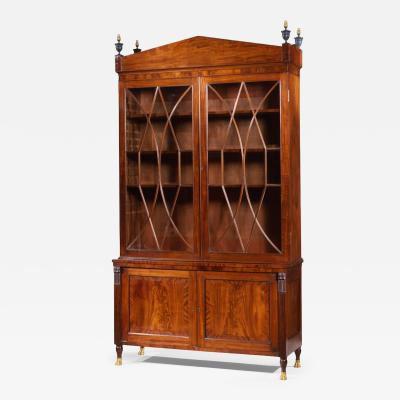
Federal Bookcase with Brass Paw Feet
-
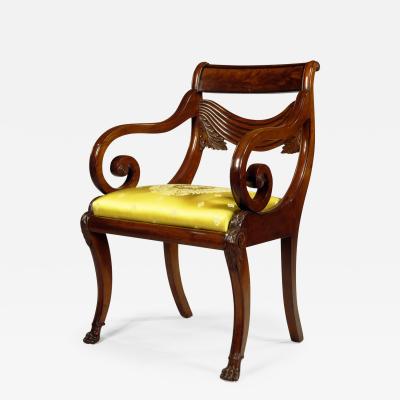
Monumental Klismos Armchair
-
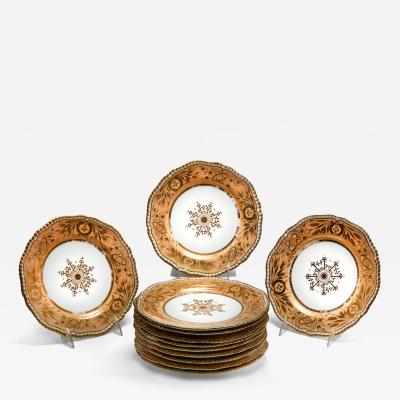
Set of Twelve Porcelain Dessert Plates
-
Important Giltwood Girandole Mirror Surmounted with an Eagle and Anthemeon

-
Bronze Bust of Daniel Webster

