











Showrooms
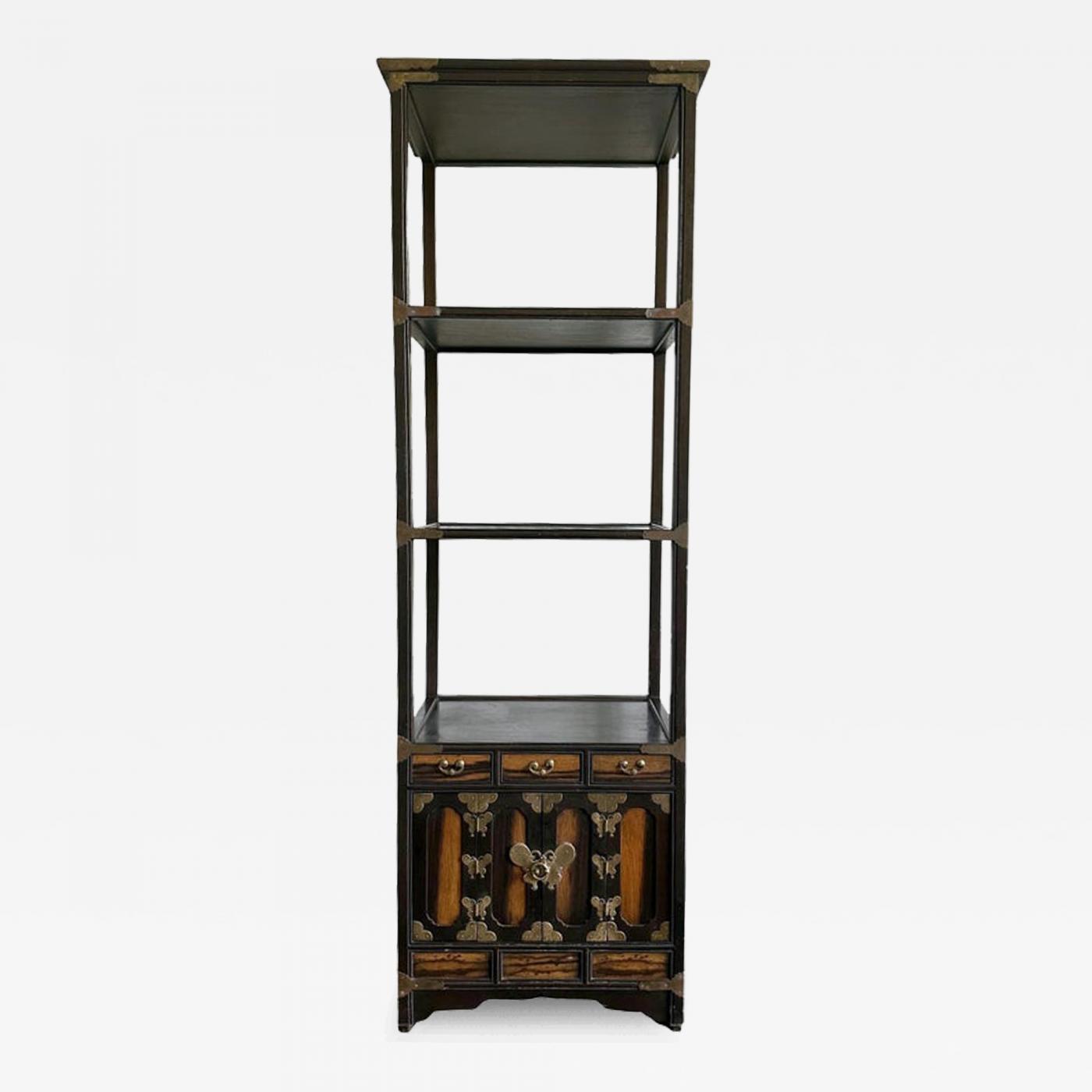
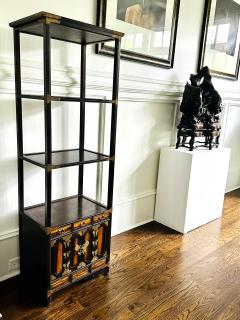
Korean Book Shelf Etagere Late Joseon Dynasty
-
Description
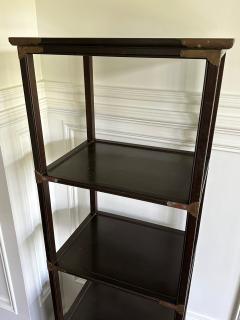
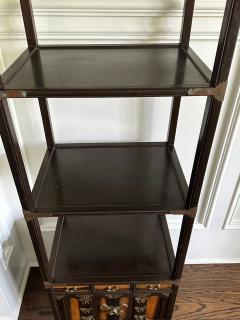
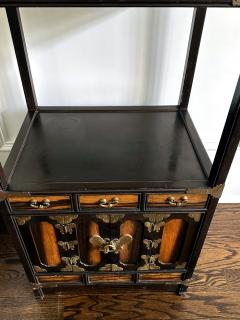
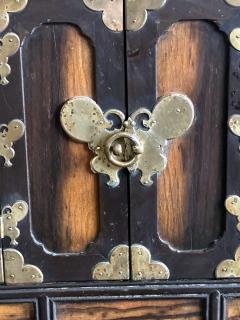
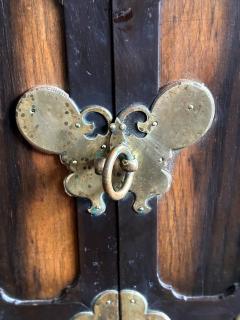
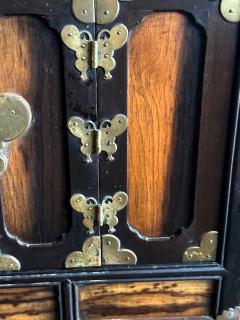
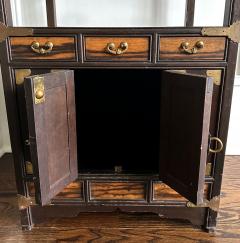
Known in Korean as Sabang Takja (Four-Direction Shelf), this cubic etagere consists of four tiers: three open shelves and the lower storage, which is further divided into a row of three small drawers and a bottom storage space with doors. With its simple and elegant form, this is an important piece of furniture for an affluent household and was used to display priced processions. Books, curios, porcelains and scholar objects would be showcased to the guest as a reflection of the culture of the owners. The current Sabang Takja was dated to the end of Joseon Dynasty (1890-1900s and the frame and the shelves were made from a hardwood (possibly paulownia or pear wood, but due to the lacquered surface that obscure the grains, it was not possible to tell what type exactly) and persimmon wood was used for the frontal panels of the three drawers and the pair of the small doors on the lower part. Yellow brass hardware was used for the drawer pulls and the decorative butterfly hinges and door latch. Copper alloy brackets were placed on the corner of the shelves. The persimmon wood showcases an eye-catching black grain, like an abstract painting. Since the tree was more common in the southern Korean peninsula, the piece was most likely from the south.
A similar sabang takja from Gyeonggi Province was in the collection of Weisman Art Musuem (1989.7.66), illustrated 125 on page 97 in "Traditional Korean Furniture" by Edward Reynolds Wright and Man Sill Pai.
Another example is Gu 3679 in the collection of National Museum of Korea. -
More Information
Origin: South Korea Period: 1900-1919 Materials: wood brass Condition: Good. Overall good antique condition in keeping with age. Minor scattered scratches and small bumps on the edges throughout. Heavy wear, scratches and dark patina on the yellow brass hardware as shown. Creation Date: 1900s Styles / Movements: Asian, Traditional Incollect Reference #: 668542 -
Dimensions
W. 21.5 in; H. 65.75 in; D. 15.5 in; W. 54.61 cm; H. 167.01 cm; D. 39.37 cm;
Message from Seller:
Tishu, based in Atlanta, GA, offers a diverse collection ranging from Neolithic art to 20th-century collectibles, with a focus on Mid-century design, Japanese and Korean art, Asian textiles, and Contemporary Aboriginal art. Driven by a passion for timeless beauty, the gallery is open by appointment only and offers works that span 5,000 years of history. Reach them at 305-400-0561 or tishu@tishugallery.com.
More Listings from Tishu View all 1157 listings
-
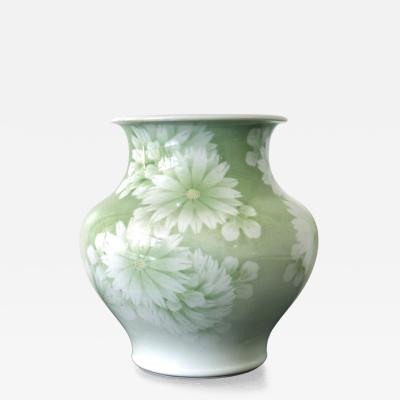
Japanese Ceramic Vase by Makuzu Kozan
-
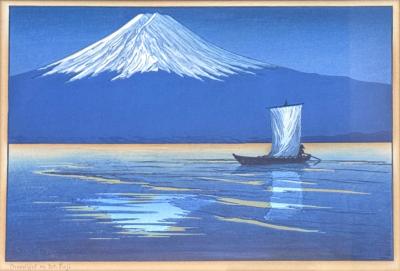
Vintage Framed Woodblock Print Moonlight on Mt. Fuji by Lillian Miller
-
Rare Japanese Handled Bamboo Basket for Chado Hayakawa Shokosai I Tomobako

-
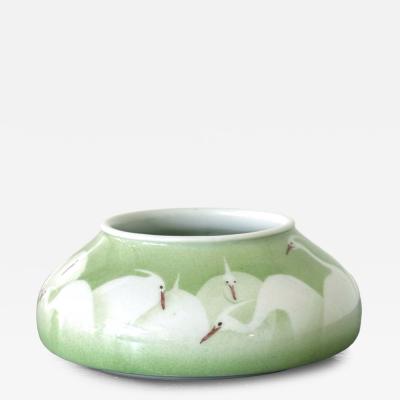
Japanese Porcelain Bowl with Composed Egrets by Makuzu Kozan Meiji Period
-
Large Ceramic Bowl with Brilliant Blue Glaze by Toshiko Takaezu

-
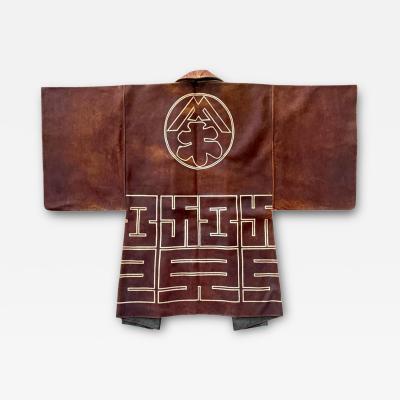
Rare Antique Japanese Leather Fireman Jacket Kawabaori with Stencil Design
-
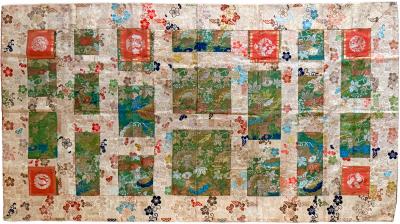
Antique Japanese Silk Kesa Monk's Robe with Patchwork Meiji Era
-
Framed Large Editioned Photograph Flood Dream by Arthur Tress

-
Framed Editioned Cyanotype Photograph by John Patrick Dugdale Provenance

-
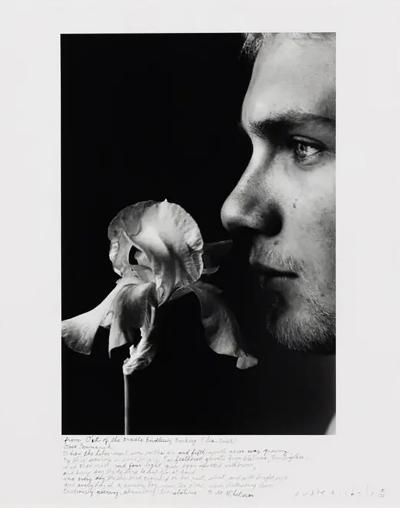
Framed Editioned Photograph with Notes by Duane Michals Prominent Provenance
-
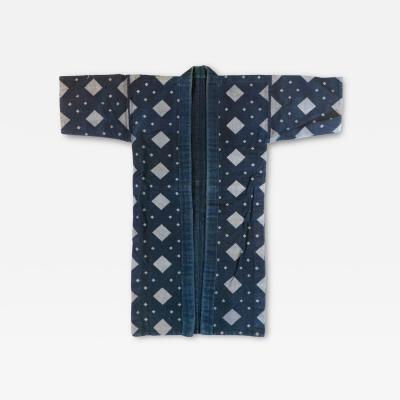
Japanese Antique Farmer Jacket with Bold Katazome Resistant Dye
-
Framed Editioned Photograph with Notes by Duane Michals Prominent Provenance

-
Large Japanese Bamboo Ikebana Basket by Wada Waichisai II with Signed Box

-
Japanese Porcelain Vase with Composed Egrets by Makuzu Kozan Meiji Period