









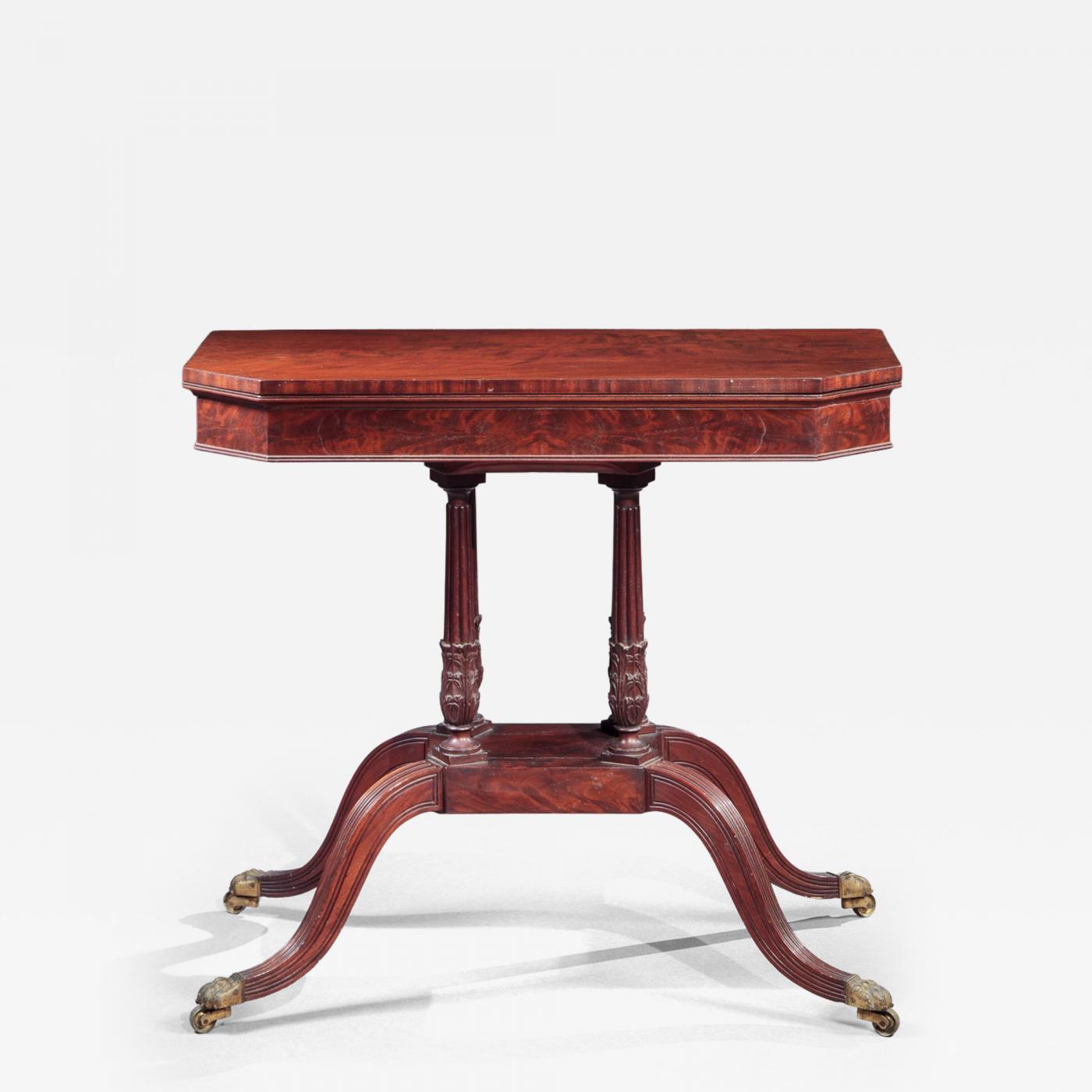
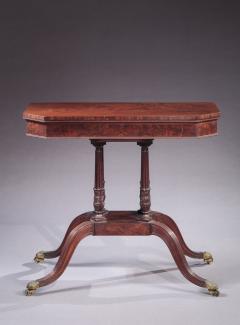
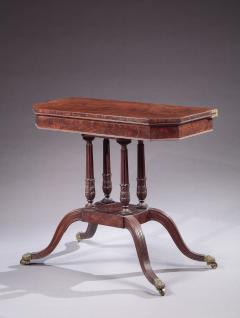
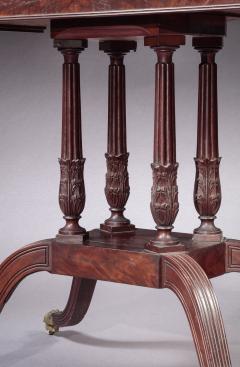

FEDERAL CARD TABLE EN SUITE WITH #182
-
Description
FEDERAL CARD TABLE EN SUITE WITH #182
Probably by John and Thomas Seymour
Boston Circa 1809
Primary Woods: Mahogany, Rosewood, Ebony
Secondary Woods: White Pine, Maple
Height: 29 inches
Width: 36 inches
Depth: 17 1/2 inches
Provenance: Provenance: From the Jackson family of Newton, Massachusetts and possibly made for Timothy Jackson, 1756-1814, when he built a Federal style house on his family property in 1809. The house is still standing and is now owned by Historic Newton.
For a very similar table documented to the Seymours see Robert Mussey,
The Furniture Masterworks of John and Thomas Seymour, pages 358-9, entry112.
$12,500
#183
The Jackson Homestead, located at 527 Washington Street, in the village of Newton Corner, in Newton, Massachusetts, is an historic house that served as a station on the Underground Railroad before the Civil War.
It was built in 1809 in the Federal style by Timothy Jackson (1756–1814) on his family’s farm. His son William Jackson (1783–1855) lived in it from 1820 until his death. William Jackson was an abolitionist and was active in politics on the local, state and national levels and served in the United States Congress from 1833 to 1837. The home was occupied by his family until 1932 when it was rented out. In 1949 it was given to the city of Newton and in 1950 the Newton History Museum was established there.[2]
In 1646, Edward Jackson bought a 500-acre farm which covered much of Newton Corner and Newtonville. In about 1670, he built a house on the side of east side of Smelt Brook, on the site of the present Homestead. The south-facing house was a saltbox: two stories in front and one at the back, originally 22 by 18 feet. There were two kitchens and a bedroom on the lower floor, two chambers on the second, and two further bedrooms in the attic. The house, which was never painted, either inside or out, took water from a well sheltered by a large elm tree. 17 feet were added to the house either by Edward’s son Sebas or, later, by his grandson, Joseph. As was not uncommon, there were always two generations living in the house, and the addition was probably to provide for a second family.
In 1809, Major Timothy Jackson decided to replace the old homestead with “a fine house for the (modern) times”. He designed and helped build a large, two-family house, hoping that his youngest son, Edmund, would possibly move into it if he married. The house was a great improvement on the original, featuring such improvements as an inside well, a laundry, storeroom and ell, magnificent fireplaces with huge mantelpieces, a great staircase and airy, small private bedchambers on the second floor, with a large, useful garrett extending on top of the entire house. Timothy Jackson had built what is now known today as the Jackson Homestead.
After Timothy Jr’s death, his estate was divided among his sons. William Jackson struck deals with his brothers, buying the shares from Edmund and George, and made a “division” with Francis and Stephen, according to which they took the land to the south of Washington street and he received the homestead and everything to the north. Adjustments were made to the house, most notably the creation and splitting of bedrooms, to accommodate the large family, the house was painted yellow with the same cream trim and green shutters the Homestead has today, and central heating would eventually be installed in the 1830s.
By the 1900s, the Jackson Homestead began using municipal water rather from their indoor well. Under the direction of Louise Keith, William’s granddaughter, major renovations were carried out. Modern plumbing was installed in the bathroom and kitchen, all of which were connected to the city sewers. Wooden ceiling beams were reinforced with iron braces and seventy-six new panels of glass were installed. The interior of the house was repainted, and the exterior of the house was painted white for the first time.
In 1949, Frances (Hatch) Paine, gave the homestead to the City of Newton for educational, recreational, and other public purposes. The Homestead became the CIty Museum, and a number of changes have been made, most notably the remodelling of the ell in 1966. -
More Information
Documentation: Documented elsewhere (similar item) Period: 19th Century Creation Date: 1809 Styles / Movements: Traditional, Federal Dealer Reference #: #183 Incollect Reference #: 853585 -
Dimensions
W. 36 in; H. 29 in; D. 17.5 in; W. 91.44 cm; H. 73.66 cm; D. 44.45 cm;
Message from Seller:
For over 100 years and spanning four generations, the Levy family has been involved in the field of top-quality Americana, working with some of the most prestigious private and public collections worldwide. We invite you to explore our varied collections of Americana, including American furniture, silver, ceramics, needlework, and paintings, at our New York City loft space in Chelsea. For inquiries, please contact us at 212.628.7088 or email frank@levygalleries.com.
More Listings from Levy Galleries View all 583 listings
-
Chinese Export Bowl with Hunt Scenes

-
Pair of Brass Candlesticks with Shell Bases
-
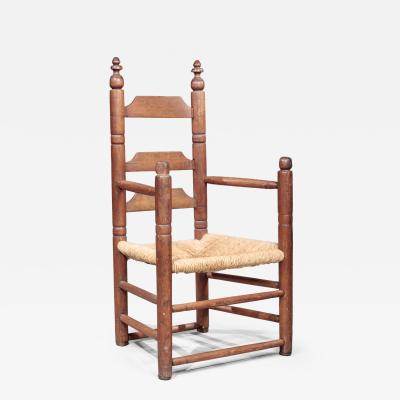
SEVENTEENTH CENTURY SLAT BACK GREAT CHAIR
-
Federal Inlaid Pembroke Table

-
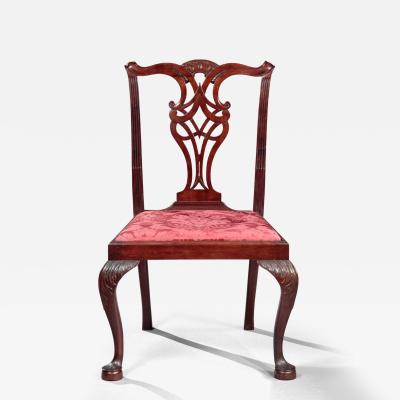
CHIPPENDALE SIDE CHAIR
-
REUBEN TOWER FEDERAL DWARF CLOCK

-
CHIPPENDALE TRIPOD OVAL STAND

-
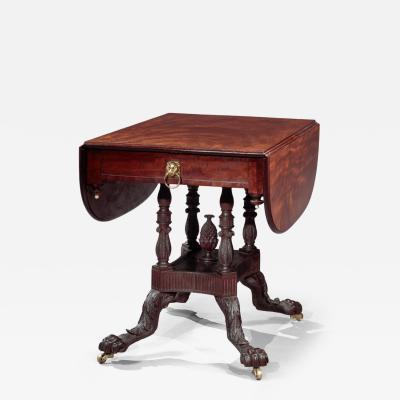
FEDERAL LIBRARY TABLE
-
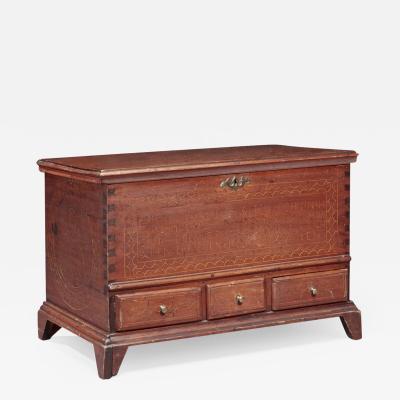
RARE MINIATURE INLAID DOWER CHEST
-
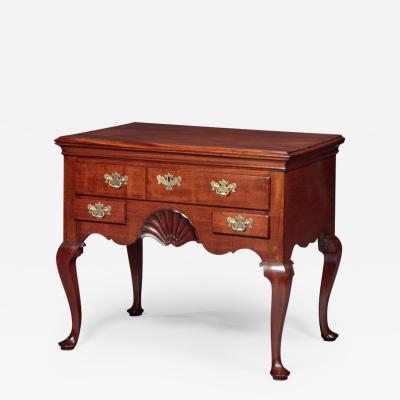
IMPORTANT SHELL CARVED QUEEN ANNE LOWBOY
-
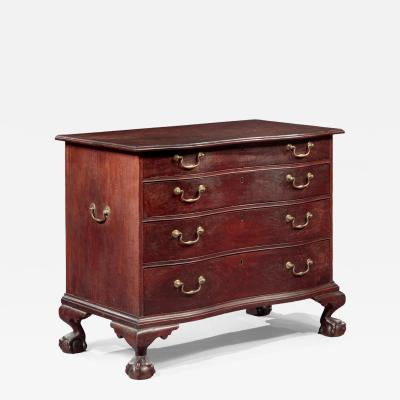
CHIPPENDALE BALL AND CLAW FOOT OXBOW CHEST OF DRAWERS
-
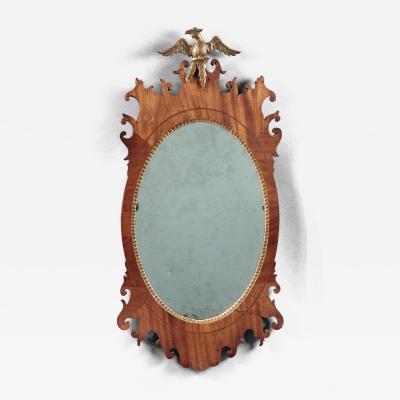
FEDERAL INLAID OVAL MIRROR
-
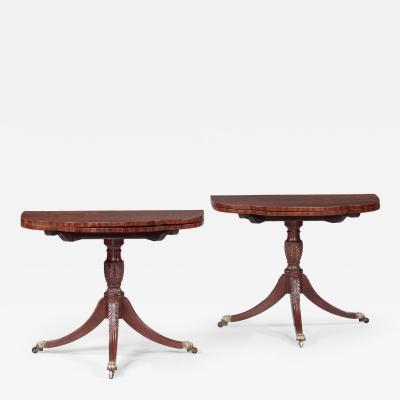
PAIR OF TRICK LEG CARD TABLES
-
CHIPPENDALE CARVED KNEE TRIPOD TEA TABLE