






Showrooms
Japanese Monastery Robe Patchwork Kesa with Scription Edo Period
-
Description
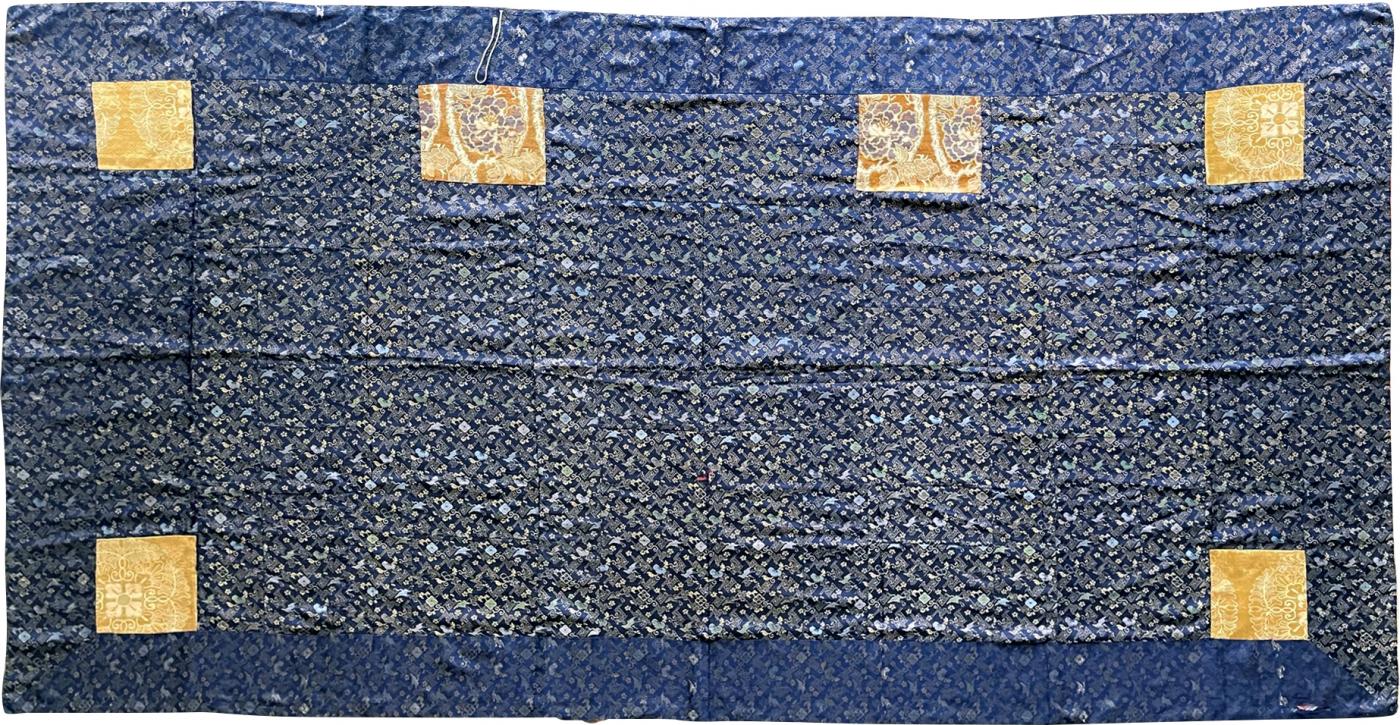
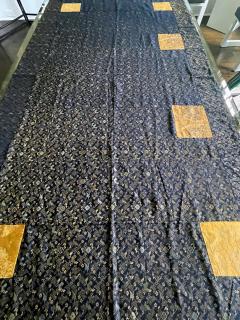
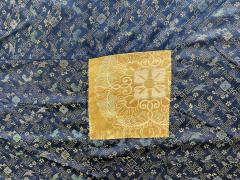
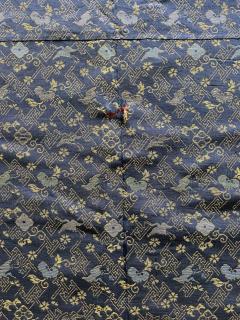
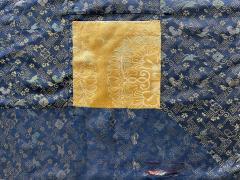
A Japanese Kesa (Monk's Vestment) made from four columns of patchworks of blue brocades with sumptuous woven pattern. The elaborate motifs feature repetitive pattern of flying cranes, hababishi (four petal flowers), paulownia leaves, all interlinked by Sayagata, the interlocking eternal Manji symbols in Buddhism. Six square patches of contrasting gold brocade squares were sewn to the four corners and one longitude side of the Kesa, completing the symbolism of the garment (see below). Most interest, on the saffron silk back lining of the kesa, there is a full Kanji inscription hand-written in ink. The well-preserved note reads: Wenhua fifth year (1808) January 11th date of reincarnation. By her ordained name "ShiHui" the true nun, the former wife of WeiZhong (likely a name). Enter the temple timely into the collection of daily items". What this tells us is not only the estimated age of this robe, but also it belonged to a nun instead of a monk. A piece of very intriguing historical information.
It measures 44" x 80" when fully opened. The list size is for shipping quote only when it is folded.
Kesa (??) is derived from the Sanskrit word kasaya, meaning “dark colored,” a reference to the saffron colored robes worn by early Indian Buddhist monks. It is essentially a rectangular cloth originally sewn from patches of rags, being formless, it serves as a symbolism of the ascetic life of one's choosing. In Japan, since at least the Heian period (794–1185), the kesa has been worn by Buddhist priests as their outermost robe, draped over the left shoulder and attached under the right armpit. While it served some function of protection, it was more a signal of the wearer’s faith, and became increasingly elaborate over the centuries. During the Edo period (1600–1868), many kesa worn were patched together from exquisite silk brocade fabrics that were donated to the temples by members of the aristocracy, ruling military class, or wealthy merchants. By stitching the fabric into a patchwork robe, the monks concentrated their attention on the creation of a devotional work of art, every stitch part of an act of meditation on the teachings of the Buddha. The number of stripes (from 5 to up to 25) indicates the wearer’s rank and the occasion for which it was worn, the highest number of stripes usually only being worn by an abbot during festival ceremonies. The normal daily kesa generally have seven columns. The current fourteen column kesa is more likely a ceremonial robe for special occasion.
Additionally, four or six patches with contrasting colors were sewn onto the vestment. The four squares in the corners represent the Four Heavenly Kings (Shi Tenno). The two squares in the upper-middle section represent two compassionate bodhisattvas. -
More Information
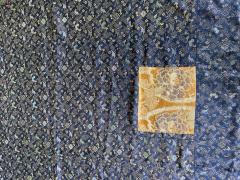
Origin: Japan Period: 19th Century Materials: brocade, silk Condition: Fair. Unframed, antique textile condition fragile but mostly intact with expected wear, note there are two small areas of losses (shown in detail picture). Silk backing shows significant fading. Creation Date: 1808 Styles / Movements: Bespoke, Asian, Traditional Patterns: Abstract, Asian/Oriental, Geometric, Handmade Incollect Reference #: 589320 -
Dimensions
W. 80 in; H. 44 in; D. 0.1 in; W. 203.2 cm; H. 111.76 cm; D. 0.25 cm;
Message from Seller:
Tishu, based in Atlanta, GA, offers a diverse collection ranging from Neolithic art to 20th-century collectibles, with a focus on Mid-century design, Japanese and Korean art, Asian textiles, and Contemporary Aboriginal art. Driven by a passion for timeless beauty, the gallery is open by appointment only and offers works that span 5,000 years of history. Reach them at 305-400-0561 or tishu@tishugallery.com.
More Listings from Tishu View all 1152 listings
-
Pair of Rare Danish Scimitar Lounge Chairs

-
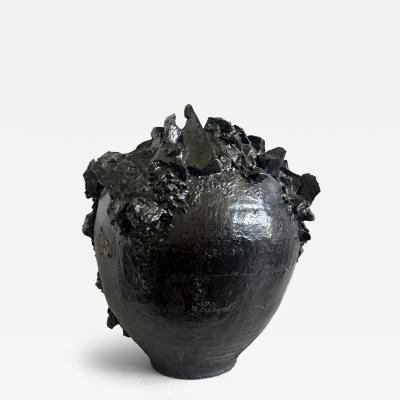
Large Contemporary Ceramic Moon Jar by Akiko Hirai
-
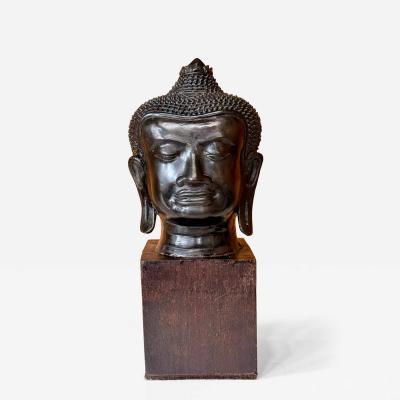
Antique U Thong Bronze Buddha Head Thailand
-
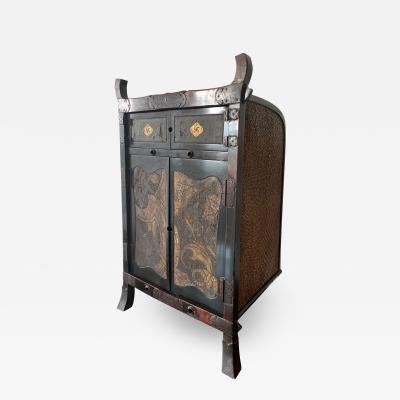
Rare Japanese Traveling Chest Edo Period
-
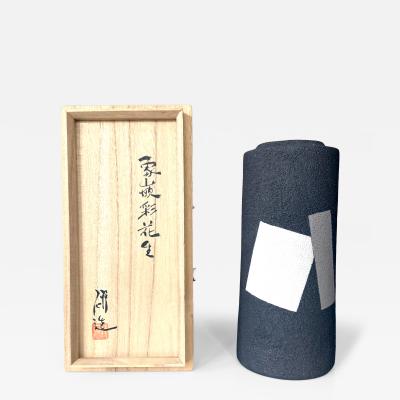
Japanese Ceramic Vase with Tomobako Early Work by Mihara Ken
-
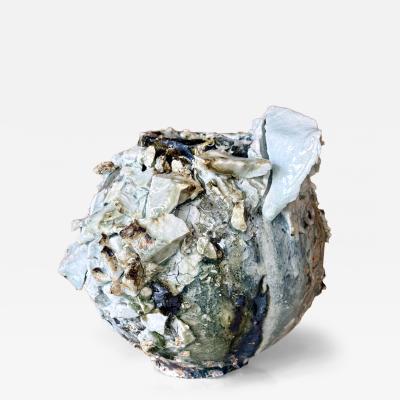
Contemporary Ceramic Moon Jar by Akiko Hirai
-
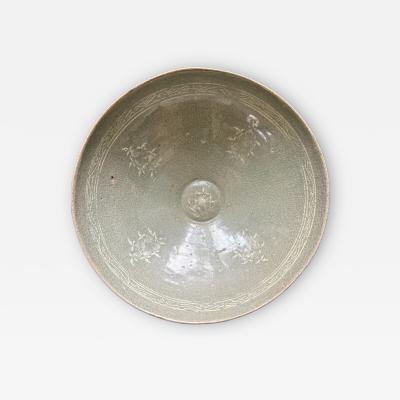
Korean Ceramic Celadon Bowl with Sanggam Slip Inlay Goryeo Dynasty
-
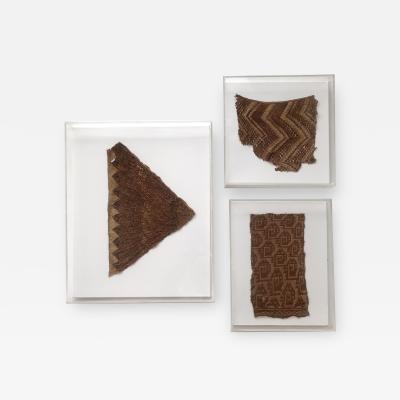
A Group of Three Framed Pre-Columbian Textile Fragments
-
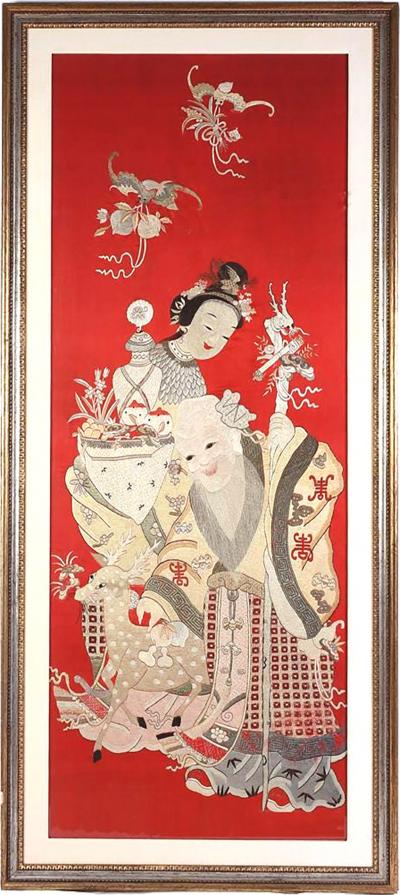
Framed Chinese Embroidery Panel of Longevity Deities
-
French Art Deco Sterling Silver with Gemstone Rosetta Compact Case by Cartier
-
Sculpted Steel Zigzag Coffee Table Base by Paul Evans for Directional
-
Italian Ceiling Light Attributed to Stilnovo

-
Antique Japanese Bamboo Basket Ikebana Mingei Style
-
Large Japanese Bamboo Morikago Basket by Torii Ippo