




















Offered by:
Garden Court Antiques
1700 16th Street
San Francisco, CA 94103 , United States
Call Seller
415.355.1690
Showrooms
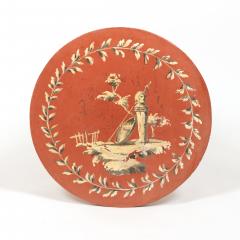
Whimsical Painted Urn-Shaped Cabinet Italian, Circa 1900
-
Description
An early 20th century whimsical painted urn-shaped cabinet with a single drawer over a single door. Theatrically hand-painted details on a vibrant red background; floral motifs and decorative elements accentuated with gilded highlights, a central grotesque mask of the mythical “Green Man”* on the front panel, gadrooning around the base of the urn, on rounded pedestal base, with complementary painted & gilt designs and accents. With ample interior storage space Italian, Circa 1900.
height: 30.5 in. (77 cm)
diameter: 17 in. (43 cm)
*The Green Man is a decorative design with a human face. Leaves and stems twist around the features, usually originating from the mouth. He can leer, he can grin. Sometimes he looks as if he is screaming in pain. He usually looks down from a ceiling. Wherever there’s an ecclesiastical surface, there you are likely to find him.
The grotesque got its name: the Green Man, from an article published by Julia Somerset, née Hamilton, The Lady Raglan, with a single article that appeared in the journal Folklore—formerly The Folk-Lore Journal (1883–1889) and The Folk-Lore Record (1878–1882) where she investigated the supposed mythic-ritualistic origins underlying popular cultural motifs, but her primary object of study was the foliate head design seen everywhere in European medieval church decoration of the eleventh to sixteenth centuries. The Green Man mask had been anonymous up to then.
The environmental historian William Cronon at University of Wisconsin at Madison wrote that wilderness “hides its unnaturalness behind a mask that is all the more beguiling because it seems so natural.”
Over the last fifty years, the Green Man has become a specifically countercultural icon.
Author Nina Lyon explores this cult figure in her 2016 book “Uprooted: On the Trail of the Green Man” writes that the Green Man is “a sort of forest-god, an emblem of the birth-death-rebirth cycle of the natural year. He was worshipped in hope of good harvests, and guards the metaphysical gate between the material and immaterial worlds.”
An essay by Carolyn Dinshaw published in 2017, traces the Green Man specifically as he is used by Radical Faeries, a group founded, in 1979 by gay men in the U.S. “inspired by lesbian-feminist collectives” and “countercultural back-to-the-land movements.” The Faeries are still active.
The Green Man confronts us, Dinshaw writes, with our own expectations about “who and what is deemed human, who and what is not, who decides, and what the costs of those judgments might be.” Those judgments are shaped by race, gender, and history. But when we linger with the Green Man and “think with” him awhile, we may find something “experimental and unpredictable,” a “radically enlarged field of agents,” something, ultimately, very queer.
“Remember histories,” Dinshaw urges. “Sprout leaves. Breathe tendrils. Utter vines.”
Excerpted from “The Remarkable Persistence of the Green Man” by Jo Livingstone, March 7 2016, The New Yorker https://www.newyorker.com/books/page-turner/the-remarkable-persistence-of-the-green-man
WILLIAM CRONON, Frederick Jackson Turner and Vilas Research Professor of History, Geography, and Environmental Studies University of Wisconsin–Madison https://www.williamcronon.net/ ↩
Uprooted: On the Trail of the Green Man by Nina Lyon, 2016 https://www.amazon.com/Uprooted-Trail-Green-Howard-Hughes/dp/0571318010 ↩
The Middle Ages in the Modern World: Twenty-first century perspectives Bettina Bildhauer and Chris Jones
Essay: Black Skin, Green Masks: Medieval Foliate Heads, Racial Trauma, and Queer World-Making by Carolyn Dinshaw
https://britishacademy.universitypressscholarship.com/view/10.5871/bacad/9780197266144.001.0001/upso-9780197266144 -
More Information
Origin: Italy Period: 1900-1919 Materials: painted, wood Condition: Good. good antique condition; wear and some splitting at base. Creation Date: circa 1900 Styles / Movements: Traditional, Neoclassical Dealer Reference #: JG24044450 Incollect Reference #: 731639 -
Dimensions
H. 30.5 in; Diam. 17 in; H. 77.47 cm; Diam. 43.18 cm;
Message from Seller:
Garden Court Antiques, located in the San Francisco Design Center, specializes in elegant European antiques, furniture, and decorative objects defined by their rich patinas, unexpected charm, and distinct soul. Backed by decades of design and collecting expertise, the showroom serves clients locally and online, and can be reached at 415.355.1690 or via email at jim@gardencourtantiques.com.
More Listings from Garden Court Antiques View all 160 listings
-
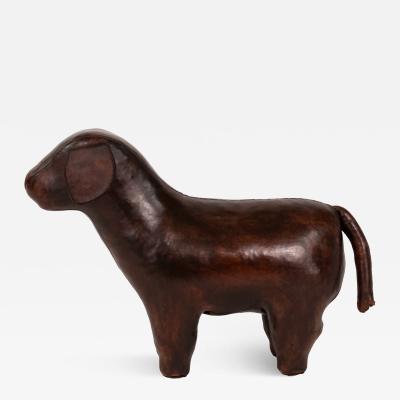
Leather Dog Footstool in the Manner of Dimitri Omersa, 20th Century
-
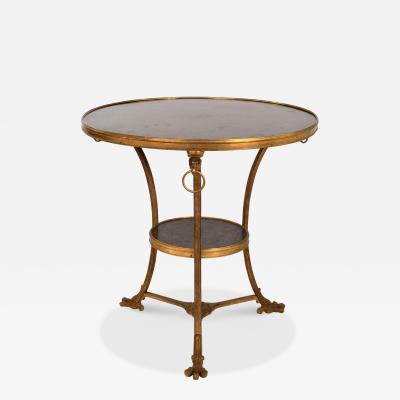
French Gilt-Bronze and Black Fossil Marble Two-Tier Gueridon, circa 1880
-
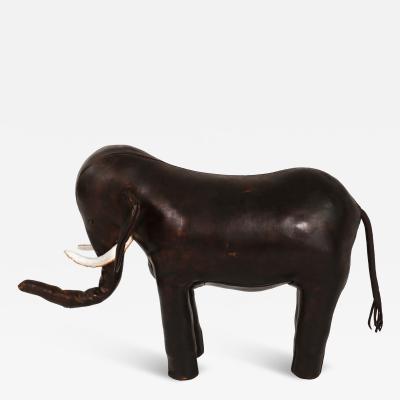
Leather Elephant Footstool by Dimitri Omersa for Abercrombie & Fitch
-
Pair of Narrow 18th Century Italian Walnut Buffets, Italy circa 1780

-
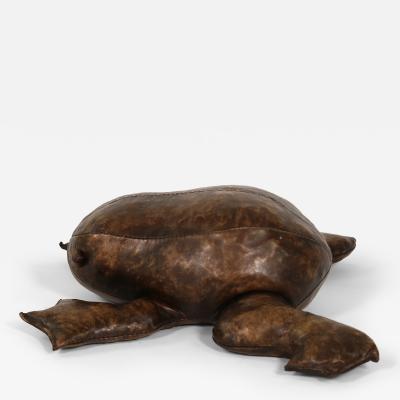
Leather Frog Footstool in the Manner of Dimitri Omersa
-
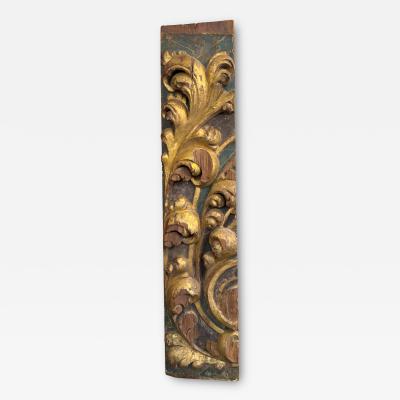
Spanish Baroque Carved and Gilt Architectural Element, circa 1790
-
Dark Muddy Green Leather Wing Chair in the Georgian Style, English Circa 1890.

-
Large-Scale Carved Oak Eagle, Spain, Circa 1900

-
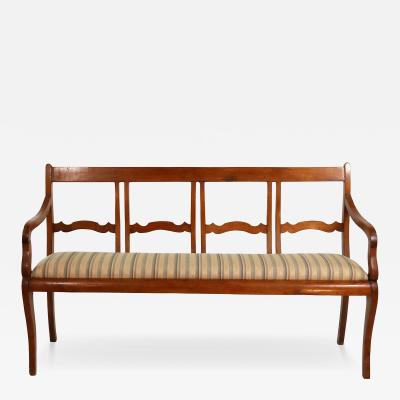
Italian Walnut Bench, circa 1880
-
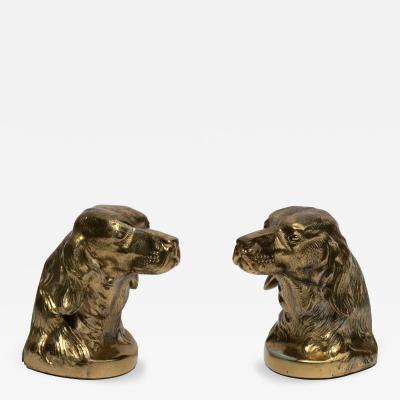
Pair of Brass Spaniel-Head Bookends Mid-20th Century
-
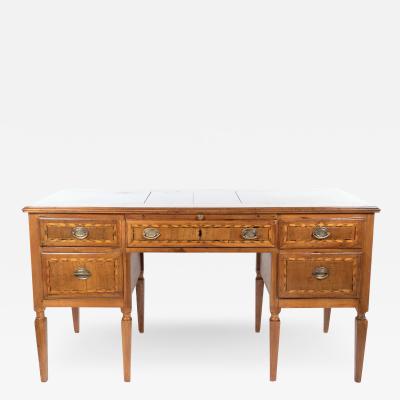
Italian Neoclassical Five Drawer Fruitwood Writing Desk, Circa 1790
-
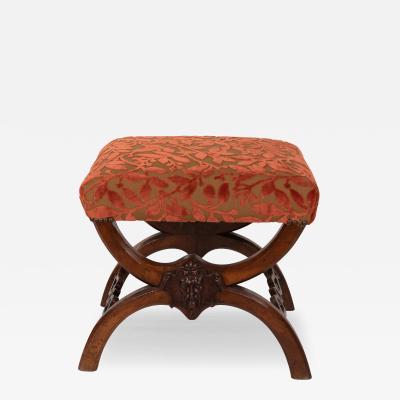
Carved Walnut Curule-Form Stool, French, circa 1830
-
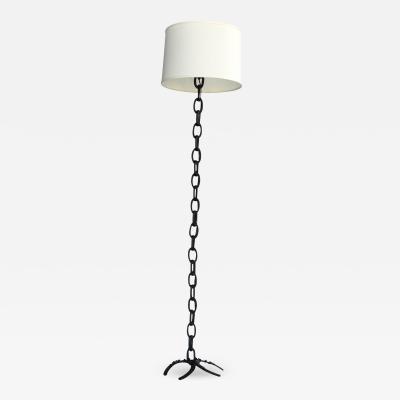
Black Painted Iron Chain Link Floor Lamp On Horseshoe Base, French Circa 1900
-
Inlaid Dutch Baroque Library Table Netherlands circa 1790