





Showrooms
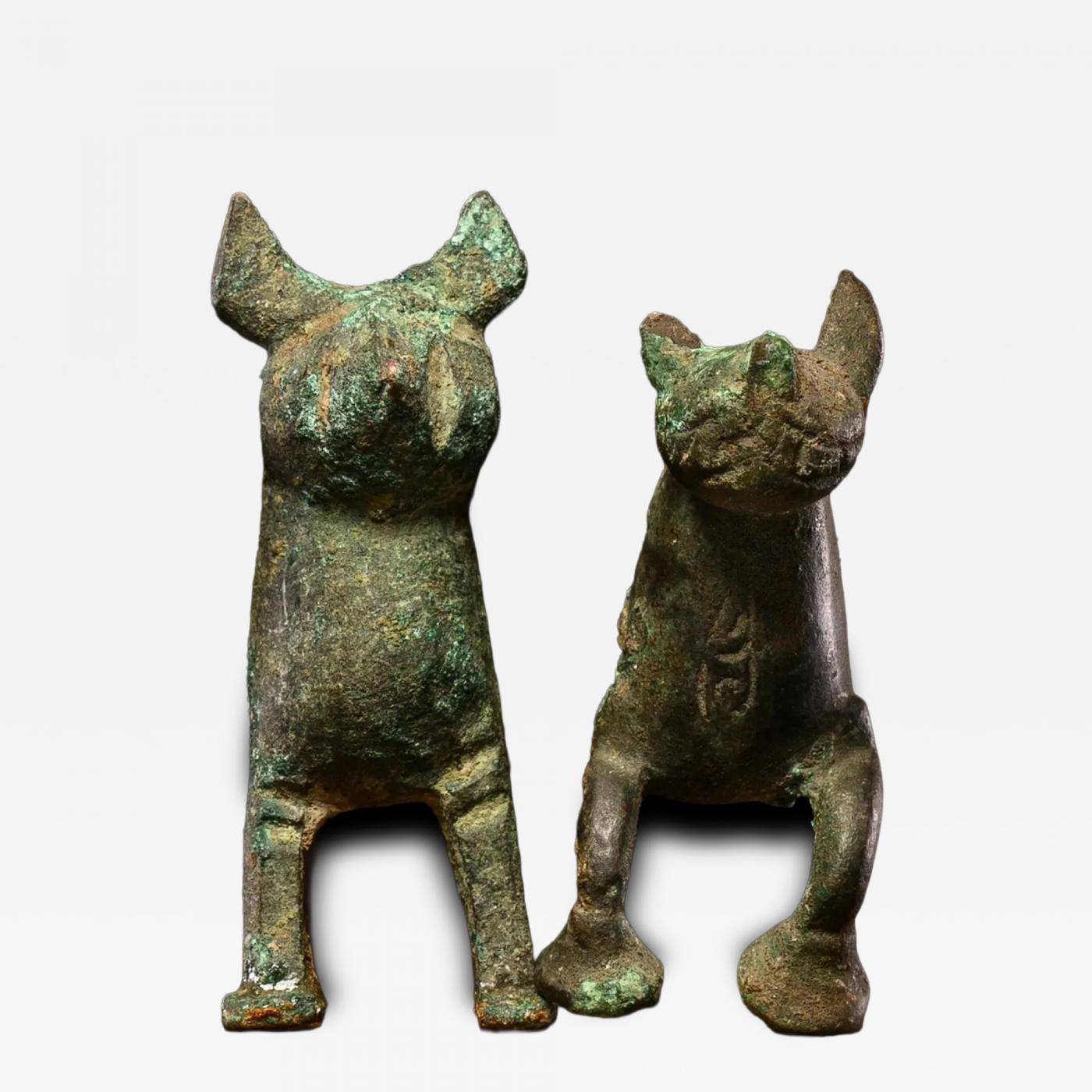
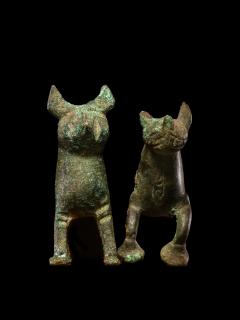
Two Bronze miniature Vessels in the Form of Hares, Possibly Fatimid
-
Description
Two Bronze miniature Vessels in the Form of Hares, Possibly Fatimid, 11th–13th Century
Copper alloy
5 x 1.5 x 1.3 cm
2 x 5/8 x 1/2 in
6066
Copyright The Artist
€ 3,200.00
These bronze recipients, crafted in the form of hares, stand upright on their front legs. One’s chest is engraved with intricate abstract vegetal interlace, and additional decorative motifs adorn it’s face.
Fatimid art refers to the material culture and architectural achievements of the Fatimid Caliphate (909–1171), a powerful empire centered in Egypt and North Africa. Originally established in the Maghreb during the ninth century, the Fatimid period was characterized by significant prosperity among the elite, which was reflected in the production of luxurious, meticulously crafted objects. These included carved rock crystal, lustrous ceramics, wood and ivory carvings, gold jewelry, metalwork, textiles, illuminated manuscripts, and coinage. Such items not only signified personal affluence but also served as diplomatic gifts to foster international relations.
The most exquisite and valuable artifacts were housed in the grand caliphal palaces of al-Qahira (modern Cairo). However, in the 1060s, after years of drought and non-payment of soldiers, the palaces were systematically looted. Libraries were largely destroyed, gold treasures were melted down, and many prized items were dispersed, eventually finding their way into the medieval Christian world. These hare-shaped vessels, with their fine detailing and distinctive form, may be part of that broader legacy of Fatimid artistry.
Ces récipients en bronze, sculptés sous la forme de lièvres, se tiennent debout sur leurs pattes avant. Leurs poitrines sont gravées de motifs végétaux abstraits et complexes, tandis que des motifs décoratifs supplémentaires ornent leurs visages.
L'art fatimide fait référence à la culture matérielle et aux réalisations architecturales du califat fatimide (909-1171), un empire puissant centré en Égypte et en Afrique du Nord. Établi initialement au Maghreb au IXe siècle, la période fatimide se caractérise par une prospérité considérable parmi l'élite, qui se reflétait dans la production d'objets luxueux et minutieusement élaborés. Ceux-ci comprenaient des cristaux de roche sculptés, des céramiques lustrées, des sculptures en bois et en ivoire, des bijoux en or, des ouvrages métalliques, des textiles, des manuscrits enluminés et des monnaies. Ces objets ne symbolisaient pas seulement l'afflux personnel mais servaient également de cadeaux diplomatiques pour favoriser les relations internationales.
Les artefacts les plus exquis et les plus précieux étaient conservés dans les grands palais califaux d'al-Qahira (le Caire moderne). Cependant, dans les années 1060, après des années de sécheresse et le non-paiement des soldats, les palais furent systématiquement pillés. Les bibliothèques furent largement détruites, les trésors d'or fondus et de nombreux objets précieux dispersés, trouvant finalement leur chemin vers le monde chrétien médiéval. Ces récipients en forme de lièvre, avec leurs détails fins et leur forme distinctive, pourraient faire partie de cet héritage plus large de l'art fatimide.
Deze bronzen recipiënten, vormgegeven als hazen, staan rechtop op hun voorpoten. De borst van één van hen is gegraveerd met ingewikkelde abstracte plantaardige vlechtwerken, terwijl extra decoratieve motieven het gezicht sieren.
Fatimidische kunst verwijst naar de materiële cultuur en de architectonische prestaties van het Fatimidenkalifaat (909–1171), een machtig rijk dat zich in Egypte en Noord-Afrika bevond. Oorspronkelijk gesticht in het Maghreb in de negende eeuw, werd de Fatimidische periode gekarakteriseerd door aanzienlijke welvaart onder de elite, wat zich weerspiegelde in de productie van luxe, zorgvuldig vervaardigde objecten. Deze omvatten gesneden bergkristal, glanzende keramiek, hout- en ivoorsculpturen, gouden sieraden, metaalwerk, textiel, verluchte manuscripten en munten. Dergelijke voorwerpen symboliseerden niet alleen persoonlijke welvaart, maar werden ook als diplomatieke geschenken gebruikt om internationale betrekkingen te bevorderen.
De meest verfijnde en waardevolle artefacten werden bewaard in de grote kalifale paleizen van al-Qahira (het moderne Caïro). Echter, in de jaren 1060, na jaren van droogte en het niet betalen van soldaten, werden de paleizen systematisch geplunderd. Bibliotheken werden grotendeels vernietigd, gouden schatten werden gesmolten en veel kostbare voorwerpen werden verspreid, uiteindelijk hun weg vindend naar de middeleeuwse christelijke wereld. Deze hazenvormige voorwerpen, met hun fijne details en onderscheidende vorm, maken mogelijk deel uit van dit bredere erfgoed van Fatimidische kunst.
Diese bronzenen Gefäße, die in Form von Hasen geschnitzt sind, stehen auf ihren Vorderbeinen. Die Brust eines der Hasen ist mit komplexen abstrakten pflanzlichen Mustern graviert, und zusätzliche dekorative Motive zieren das Gesicht.
Die fatimidische Kunst bezieht sich auf die materielle Kultur und die architektonischen Leistungen des Fatimidenkalifats (909–1171), eines mächtigen Reiches, das in Ägypten und Nordafrika angesiedelt war. Ursprünglich im Maghreb im 9. Jahrhundert gegründet, war die Fatimidenzeit durch beträchtlichen Wohlstand unter der Elite gekennzeichnet, der sich in der Herstellung von luxuriösen, sorgfältig gefertigten Objekten widerspiegelte. Dazu gehörten geschnitzte Bergkristalle, glänzende Keramiken, Holz- und Elfenbeinschnitzereien, Goldschmuck, Metallarbeiten, Textilien, illuminierte Manuskripte und Münzen. Solche Objekte symbolisierten nicht nur persönlichen Wohlstand, sondern dienten auch als diplomatische Geschenke, um internationale Beziehungen zu fördern.
Die exquisitesten und wertvollsten Artefakte wurden in den großen kalifalen Palästen von al-Qahira (dem modernen Kairo) aufbewahrt. In den 1060er Jahren jedoch, nach Jahren der Dürre und dem Ausbleiben von Soldatenvergütungen, wurden die Paläste systematisch geplündert. Bibliotheken wurden größtenteils zerstört, Goldschätze eingeschmolzen und viele wertvolle Gegenstände wurden verstreut, wobei sie schließlich ihren Weg in die mittelalterliche christliche Welt fanden. Diese hasenförmigen Gefäße, mit ihren feinen Details und ihrer charakteristischen Form, könnten Teil dieses umfassenderen Erbes der fatimidischen Kunst sein.
Provenance
Private collection Brussels -
More Information
Period: Pre 18th Century Creation Date: 11th–13th Century Styles / Movements: Traditional Incollect Reference #: 817672 -
Dimensions
W. 0.59 in; H. 1.97 in; D. 0.51 in; W. 1.5 cm; H. 5 cm; D. 1.3 cm;
Message from Seller:
Spectandum, a by-appointment gallery in Leuven, Belgium, can be reached at contact@spectandum.com 32475648678. The gallery specializes in Natural History, Ethnography, European works of art, antiquities, and rare curiosities sourced from around the world.
More Listings from Spectandum View all 175 listings
-
Kundu Knive-brass wrapped and tacked Hilt - wooden brass decorated Sheath, DRC

-
Sunset over the Sea, Jan de Clerck (1891 - 1964), Oil on Unalit, Signed

-
A cased taxidermy display of the Toad and Frog orchestra

-
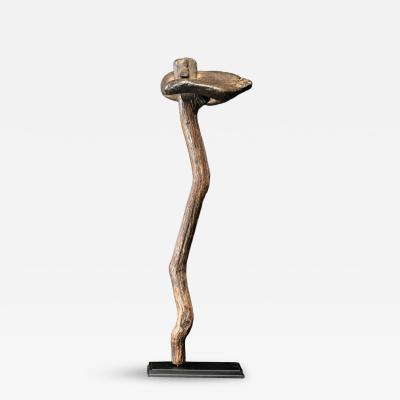
Japanese hard Wood Nyoi (Sceptre) with black rock finish
-
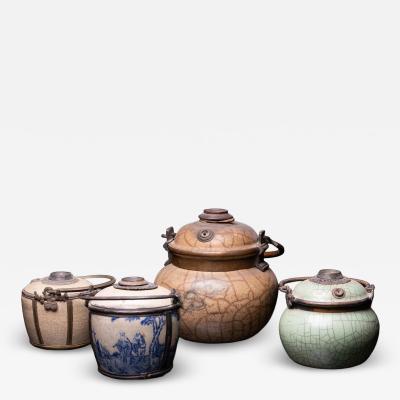
Collection of 4 antique Vietnamese waterpipe bowls
-
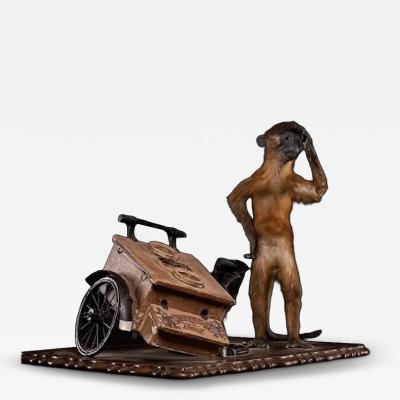
A taxidermy Golden-bellied Mangabey Monkey mounted on a wooden plinth
-
Bakongo Christian religious Artifact made of wood, DRC

-
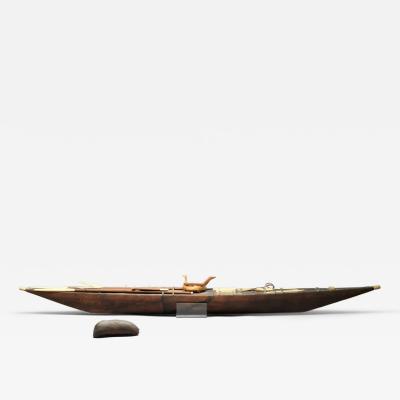
Inuit Model Kayak. Wooden frame covered with seal skin, lined with bone
-
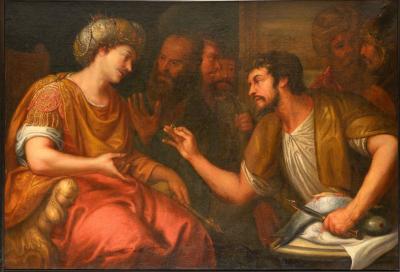
17th C The Ring of Polycrates, Tyrant of Samos, Circle of Antonio Molinari
-
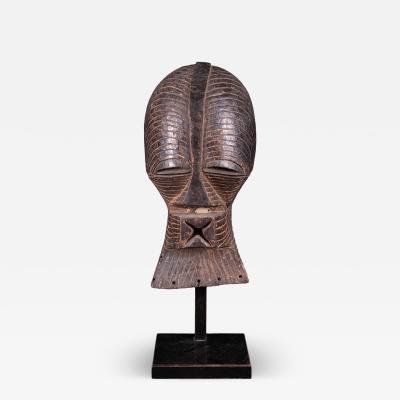
Female Kifwebe Mask with old collection label, Luba-Songye People, DR Congo
-
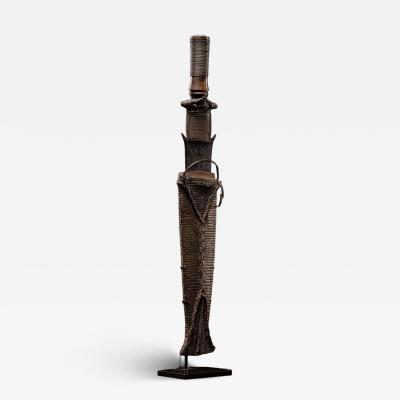
Fang Short Sword with wood and snakeskin Sheath, Gabon
-
Massim Pig charme sculpture, Trobiant

-
Ashanti Comb representing Female sitting Figure, Ghana
-
Lozi Wood and Bone Flywhisk with inlaid facial sculpture, Zambia

