









Showrooms
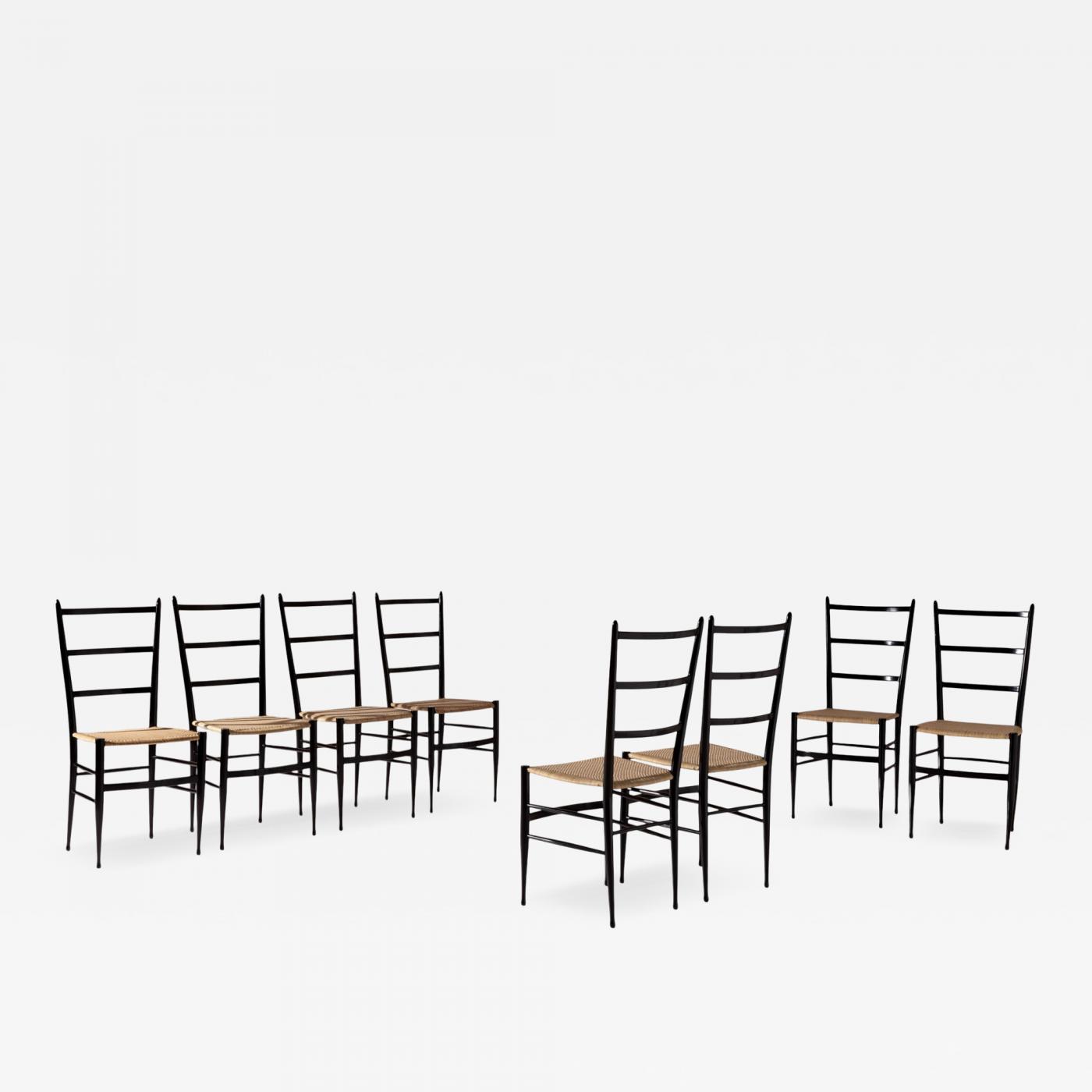
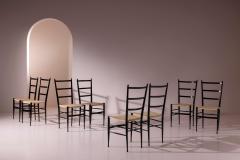
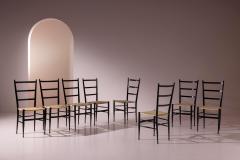
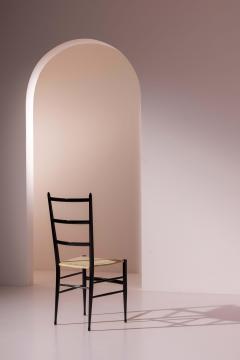
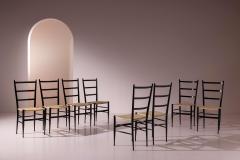
Set of 8 Chiavari Dining Chairs by Colombo Sanguineti, Italy, 1950s
-
Description
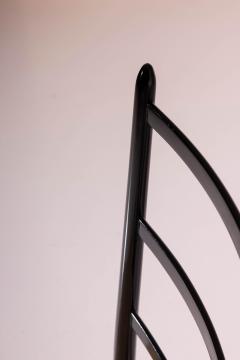
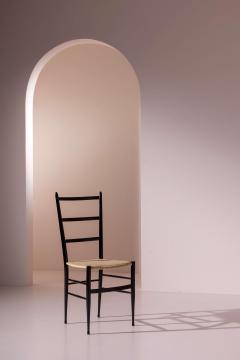
The defining gesture of the chiavarine is the clarity of the frame: four finely tapered legs, a tall back composed of four well-spaced horizontal rails, a slightly trapezoidal rush seat. The chair weighs little more than two and a half kilograms — the famous lightness of the chiavarine, achieved by reducing sections to their functional minimum — and the black finish sharpens the line, turning the frame into a drawing against the wall. The rear legs continue past the seat in a single uninterrupted member all the way to the top of the back, where they terminate in two small rounded finials; the four horizontal back rails are mortised into the uprights with a subtly arched profile that draws the geometry upward.
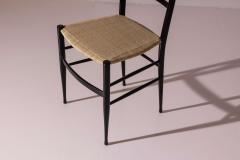
The frame is in solid turned beech, ebonised, with an even satin black finish. The seat is in Chiavari rush, hand-woven according to the traditional technique of the Ligurian school: twisted rush fibres drawn between the four corners of the seat rail, with the four diagonal sectors meeting at the centre. Beneath the seat, a pair of slender H-stretchers ties the legs at a low plane, as thin as the legs themselves. There is no visible hardware, no screws, no exposed joints: the construction is entirely based on hidden mortise-and-tenon joinery, following the scheme of the historical chiavarina.
The Chiavari chair was born in 1807 in the workshop of Giuseppe Gaetano Descalzi, known as il Campanino, who distilled a French Empire chair into an exceptionally light structure conceived for local patrons. The chiavarina established itself through the nineteenth century as the reception chair of Ligurian and Italian salons, and in the post-war period it became a reference for modern design: Gio Ponti derived the Superleggera 699 for Cassina in 1957, explicitly declared as a reworking of the chiavarina. The Colombo Sanguineti workshop, active in Chiavari throughout the twentieth century, was one of the historical manufactories of the district, and in the post-war years produced models directly derived from the historical chiavarina, with taller backs and further reduced sections to respond to a modern taste. The model presented here belongs to this period, between the 1940s and 1950s, and carries the Sanguineti signature: structural rigour, minimal sections, a dark lacquer that sets against the pale rush.
Professionally restored and re-woven by our in-house atelier. The frames have been consolidated and relacquered to a high standard; the rush has been entirely redone using the traditional Chiavari technique. The structure is stable, the joinery sound. The set is in excellent condition and ready for daily use.
Dimensions: Height 95 cm (37.4 in) x Width 42 cm (16.5 in) x Depth 49 cm (19.3 in), seat height 46 cm (18.1 in) -
More Information
Documentation: Documented elsewhere (similar item) Origin: Italy Period: 1950-1979 Materials: Ash,Cane,Hand-Woven Condition: Good. Reupholstered. Rewoven. Wear consistent with age and use. Creation Date: 1950's Number of Pieces: 8+ Styles / Movements: Modern, Mid Century Incollect Reference #: 857898 -
Dimensions
W. 16.54 in; H. 37.41 in; D. 19.3 in; W. 42.01 cm; H. 95.02 cm; D. 49.02 cm; Seat H. 18.12 in; Seat H. 46.02 cm;
More Listings from Linea Gallery View all 247 listings
-
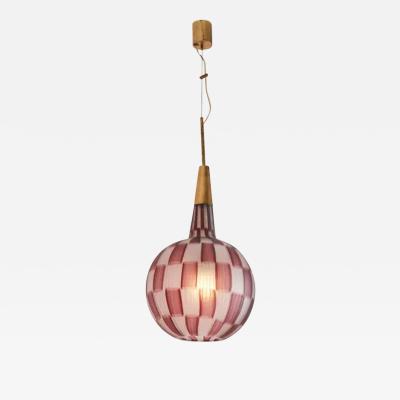
Tea Morosati pendant light by Stilnovo with Barovier & Toso glass, Italy, 1964
-
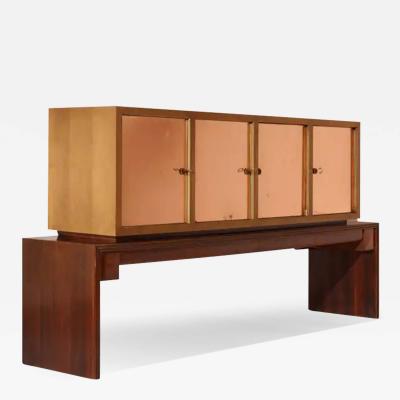
Alberto Salvati and Ambrogio Tresoldi Sideboard Cabinet with Pink Mirrors, 1960s
-
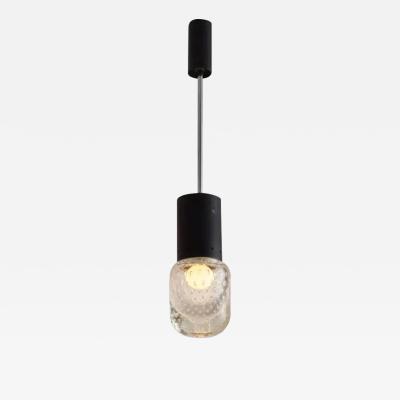
Pendant Light by Gino Sarfatti with Seguso Glass, circa 1960
-
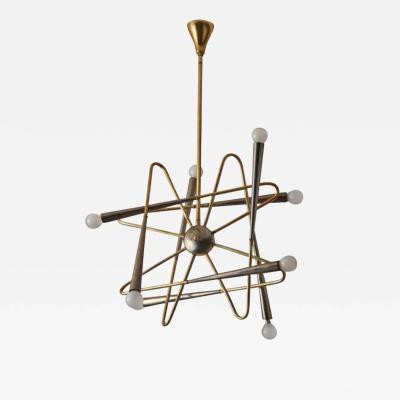
Stilnovo Sputnik Six Arms Brass Chandelier, Italy, 1960s
-
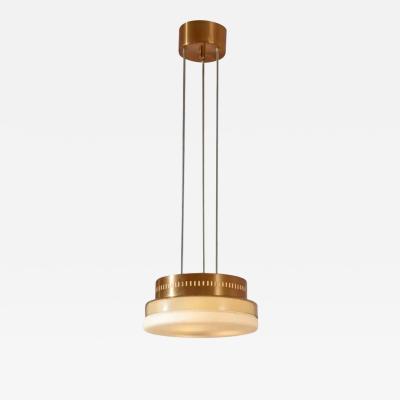
Midcentury Stilnovo Style Pendant Light Made of Glass and Copper, Italy, 1960s
-
Danny Lane Hand Shaped Glass 'Shell' Coffee Table for Fiam '1989'

-
Gio Ponti Teak and Brass Desk Designed for the BNL Offices, ISA Bergamo, 1950s

-
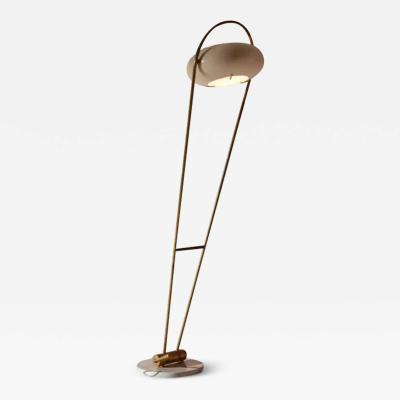
Stilux Swivel and Pivoting Floor Lamp Made of Brass and Marble, Italy, 1950s
-
Peter Hvidt & Orla Mølgaard-Nielsen, FD 451 sofa bed for France & Søn, 1960s
-
Gio Ponti set of ten Leggera chairs with rope seat, Cassina, Italy, 1951
-
Marco Zanuso for Arflex, Italy, Pair of ''Lady'' Armchairs in Blue Cotton Velvet
-
Set of Six Campanino Chairs by Fratelli Podestà, Chiavari 1960s, New Woven Cane

-
Set of Four George Nelson ''Pretzel'' Armchair Made by ICF, Italy, 1984-1986
-
Studio A.R.D.I.T.I. for Sormani Floor Lamp Model 'Ponte' made of Marble & Metal