








Colinwood
The story of the rebirth of an 1830 farmhouse in Connecticut.
I was approached by my client when his family home in Connecticut had a fire. my first concern was that everyone was safe. Once one’s mind knows that everyone is safe, you then begin to realize the damage and memorabilia lost. The home was “saved” by the original plaster and wood lathe walls. However, it was severely damaged from smoke and water.
About a week later as I was finishing up the kitchen in his New York apartment, my client asked me if I would help him with his fire-damaged home. He trusted my expertise and ability to complete a project in a timely fashion.
Being an avid lover of historic homes, I have studied and restored for numerous clients homes that date as far back as the mid 1700’s. My extensive study of classical architecture and understanding of materials and why they were used in the past is familiar to me. I also spend a great deal of time understanding the ‘Big House, Little House, Back House Barn' (Reference to a great book by Thomas C. Hubka).
When I arrived at this home I realized it was a jewel. A home that Brian and his family have lived in for many years. During my initial walk through, I studied the main part of the home, the “Big House.” The Big House, then the “Little House” attached in the rear was the Ell. The Ell is where the hearth would have been and the cooking area, and typically connected the Big House to the Barn.
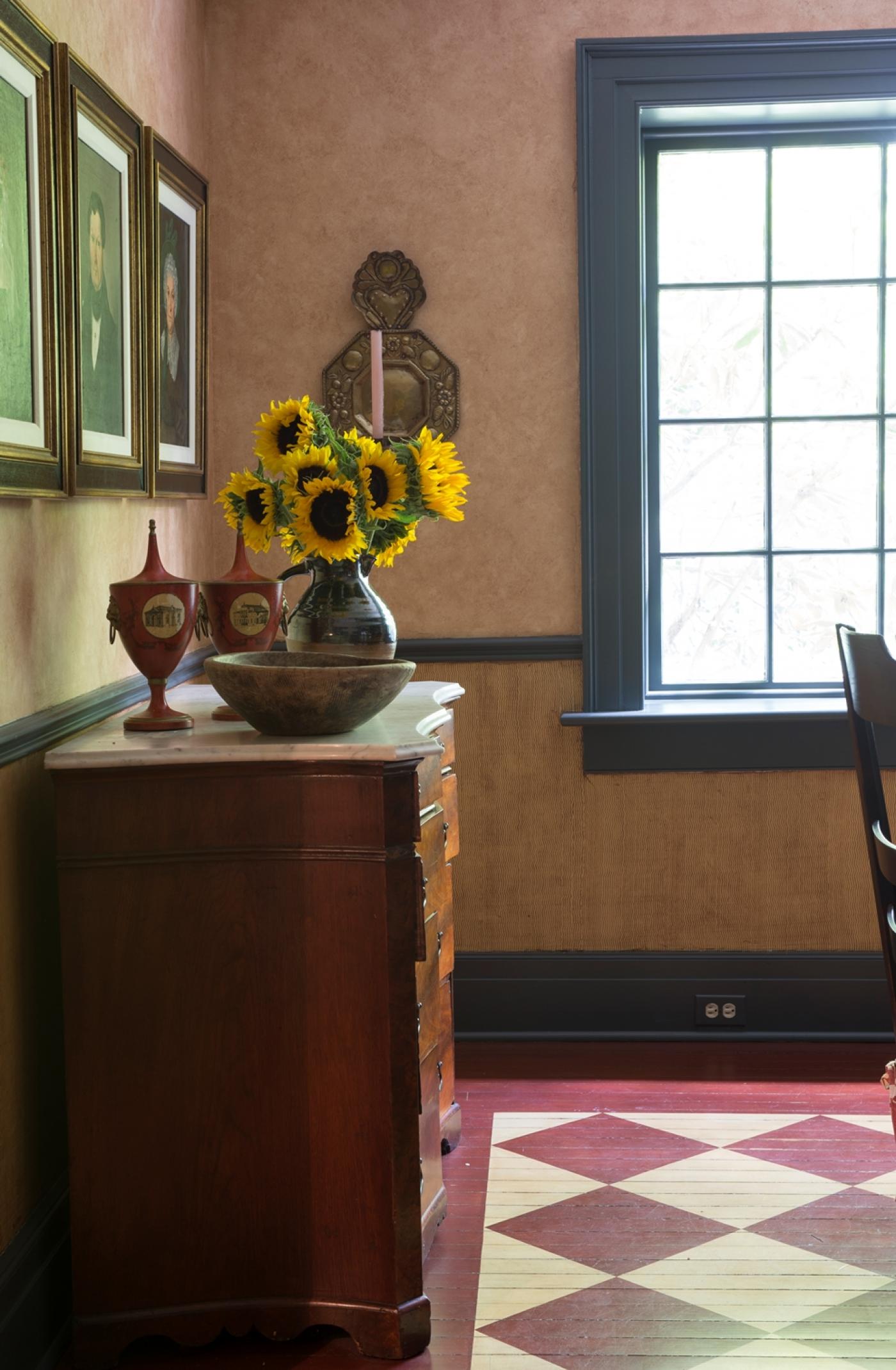
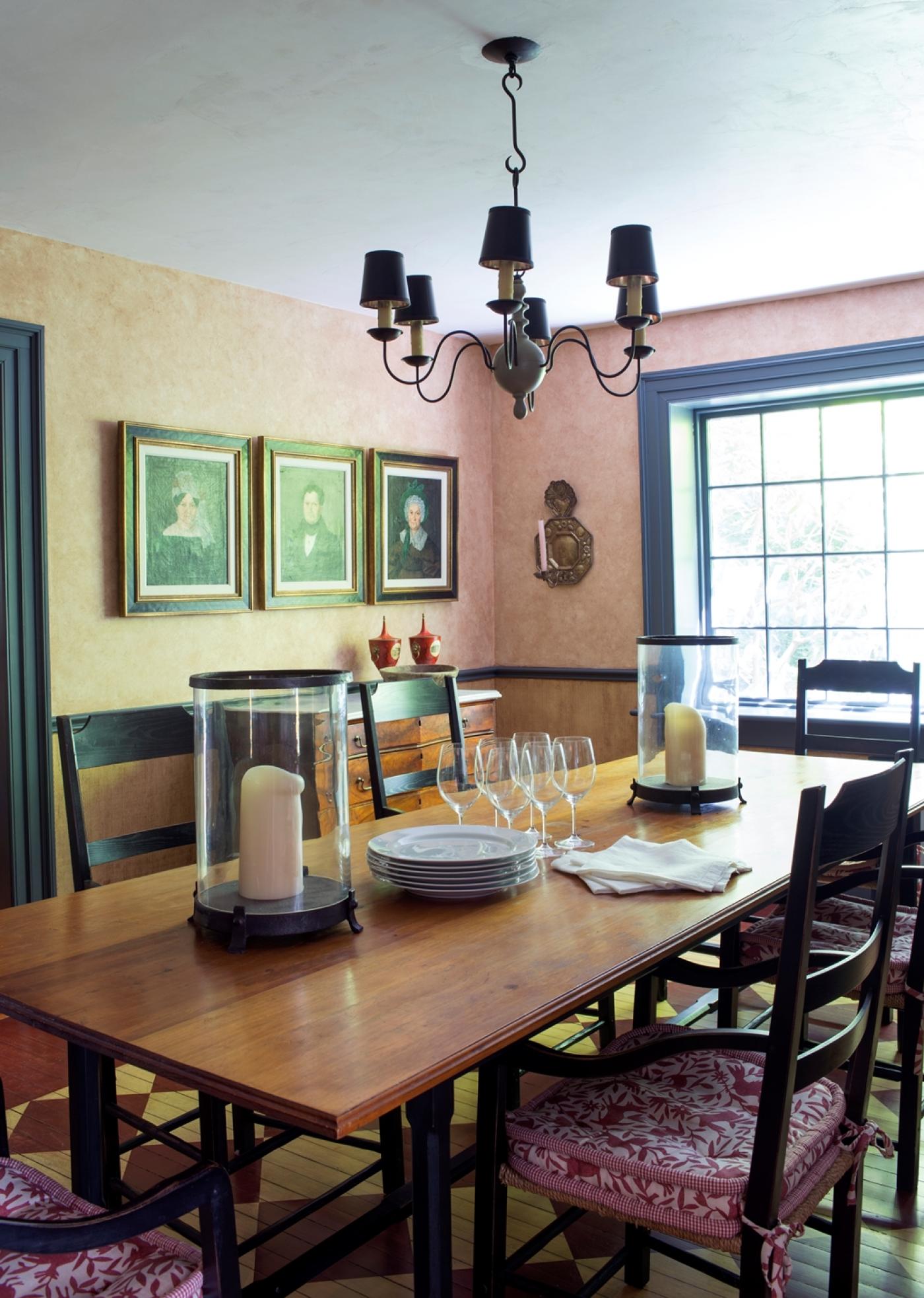
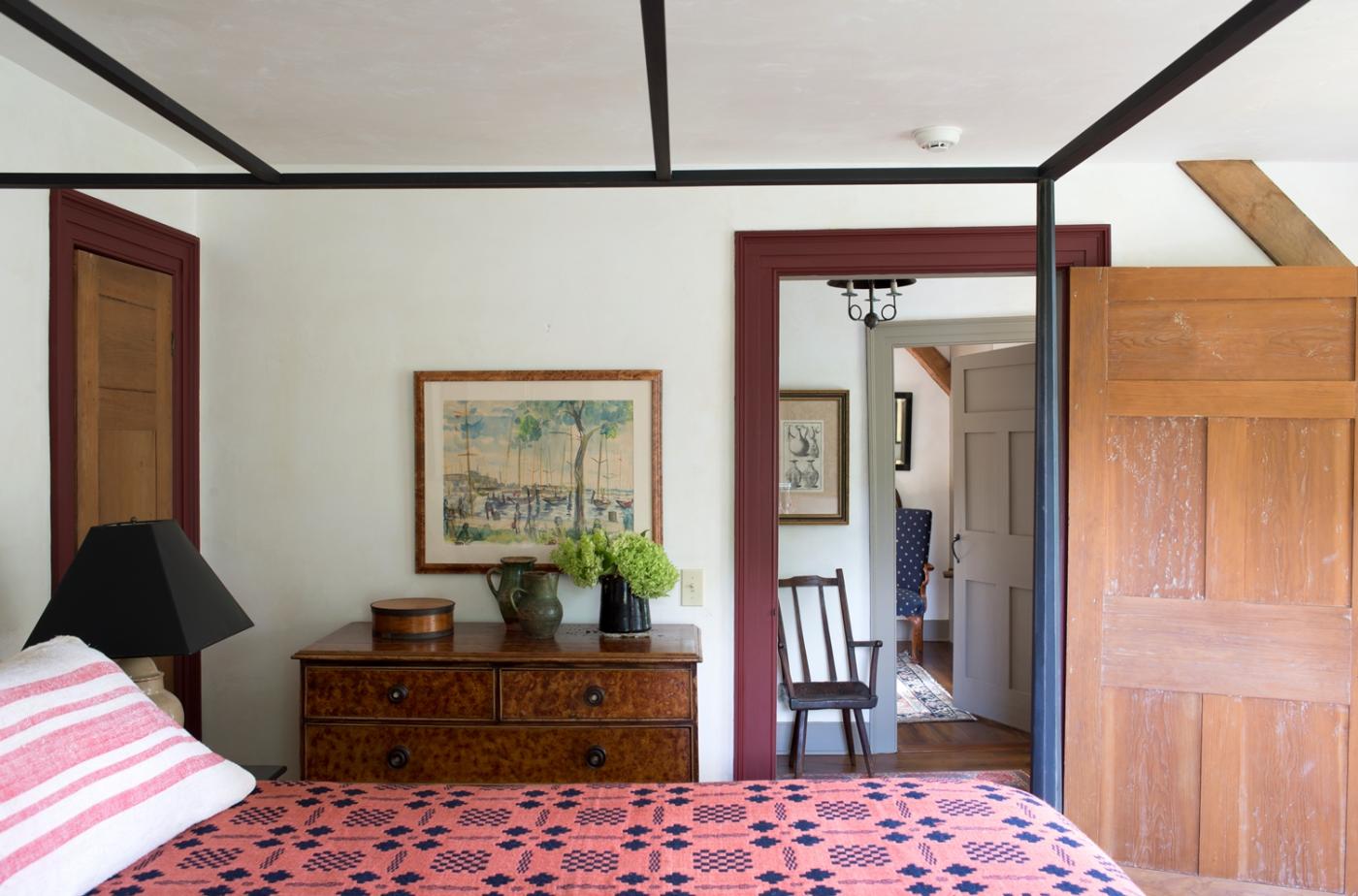
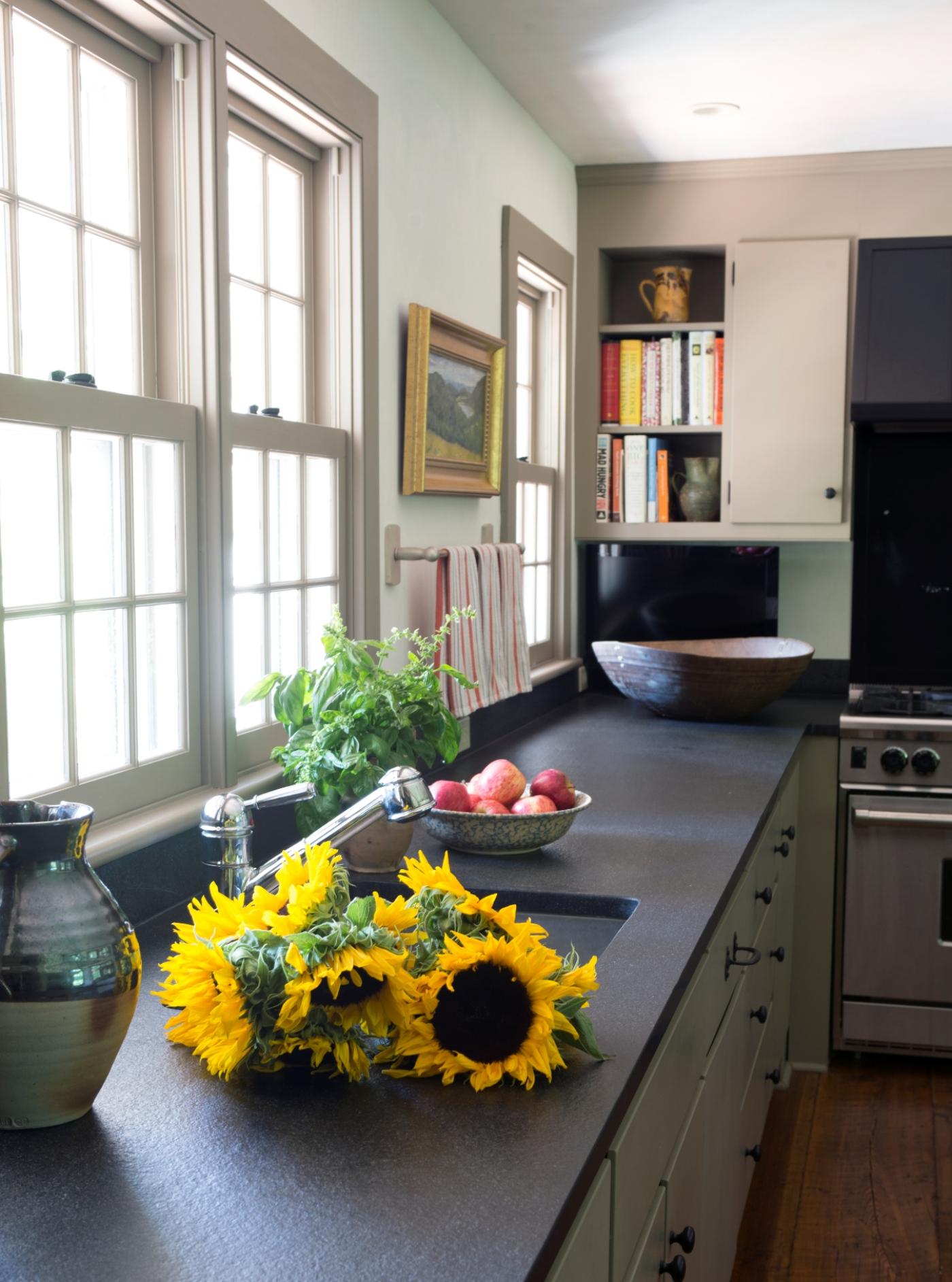
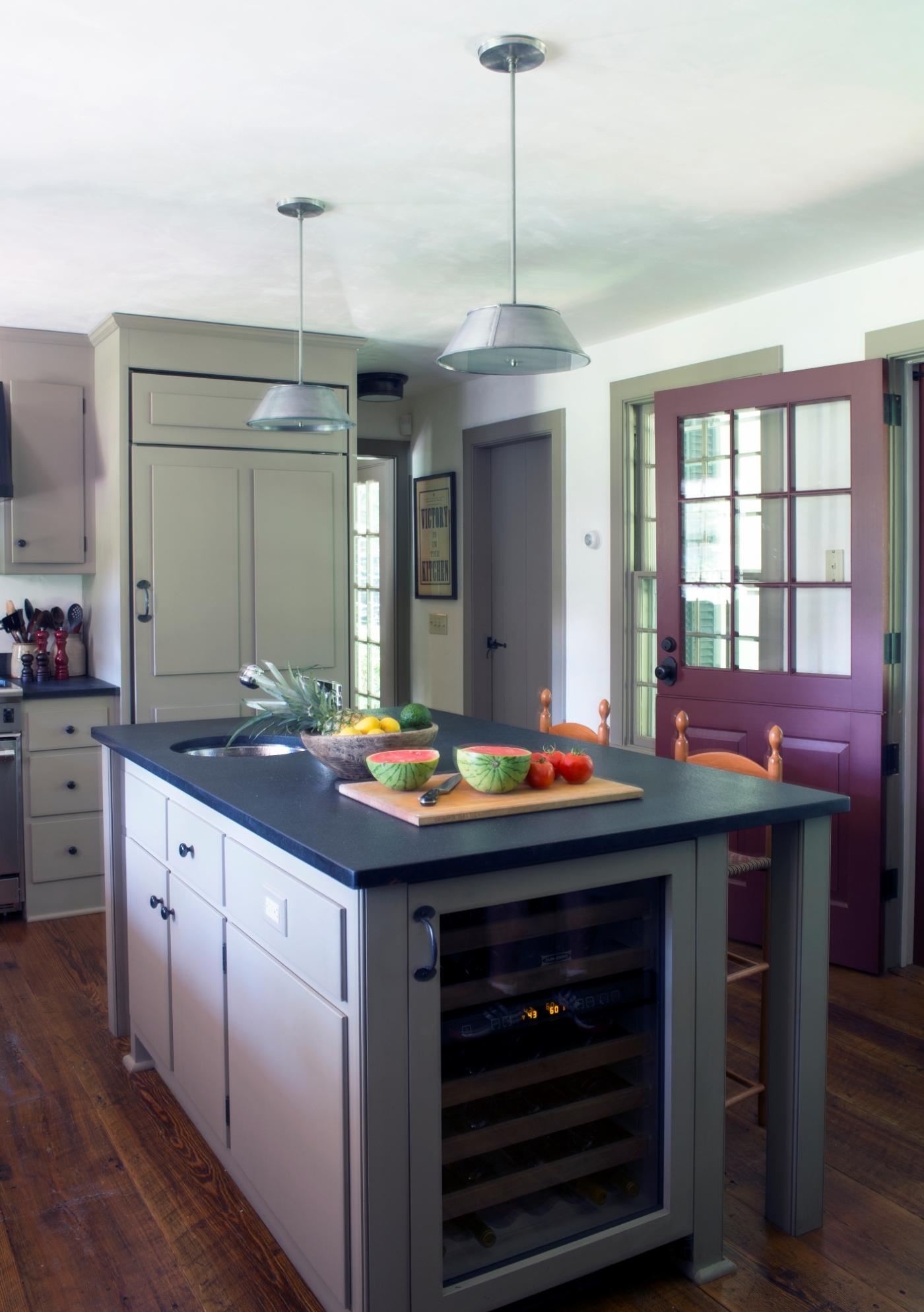
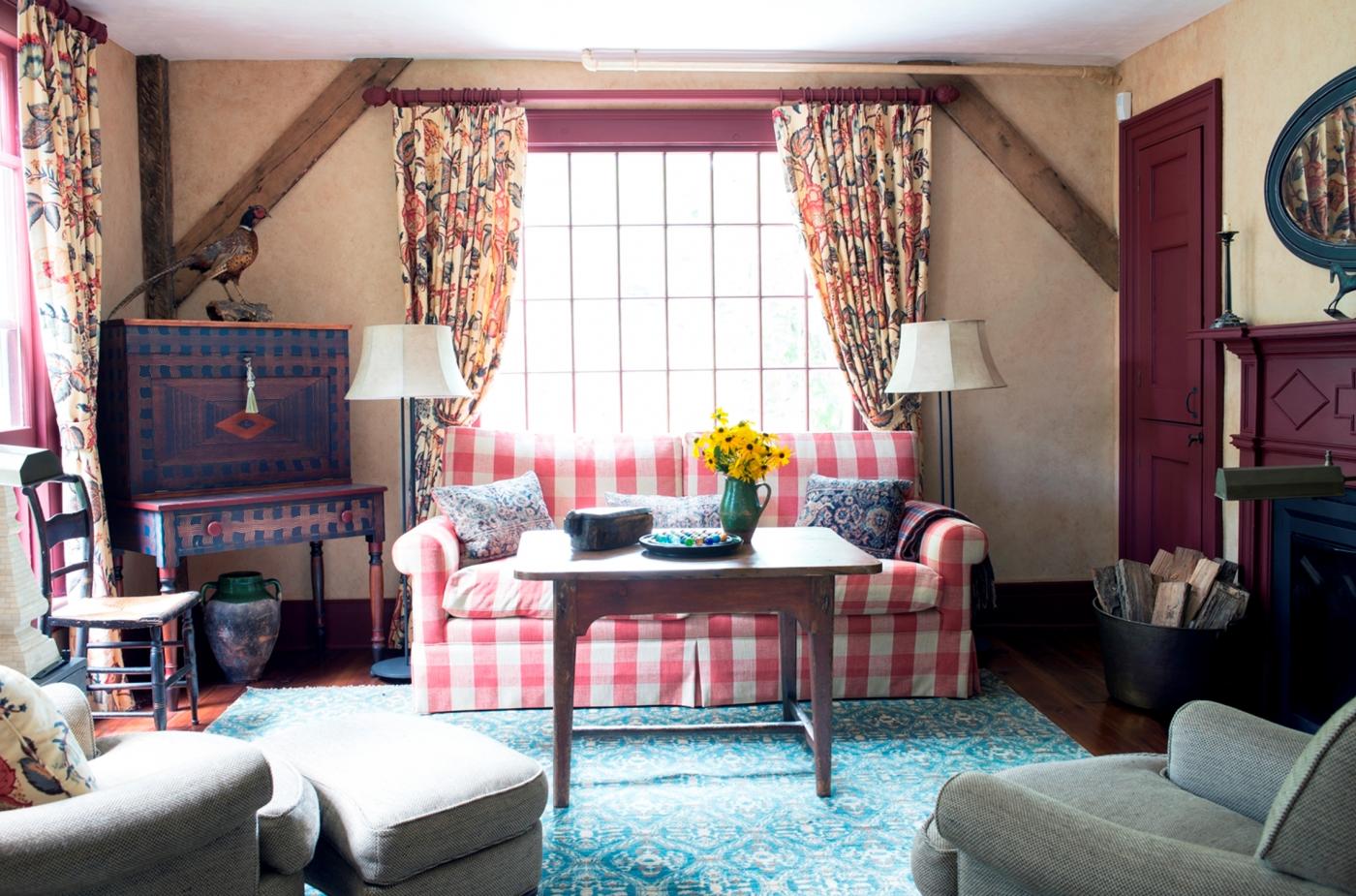
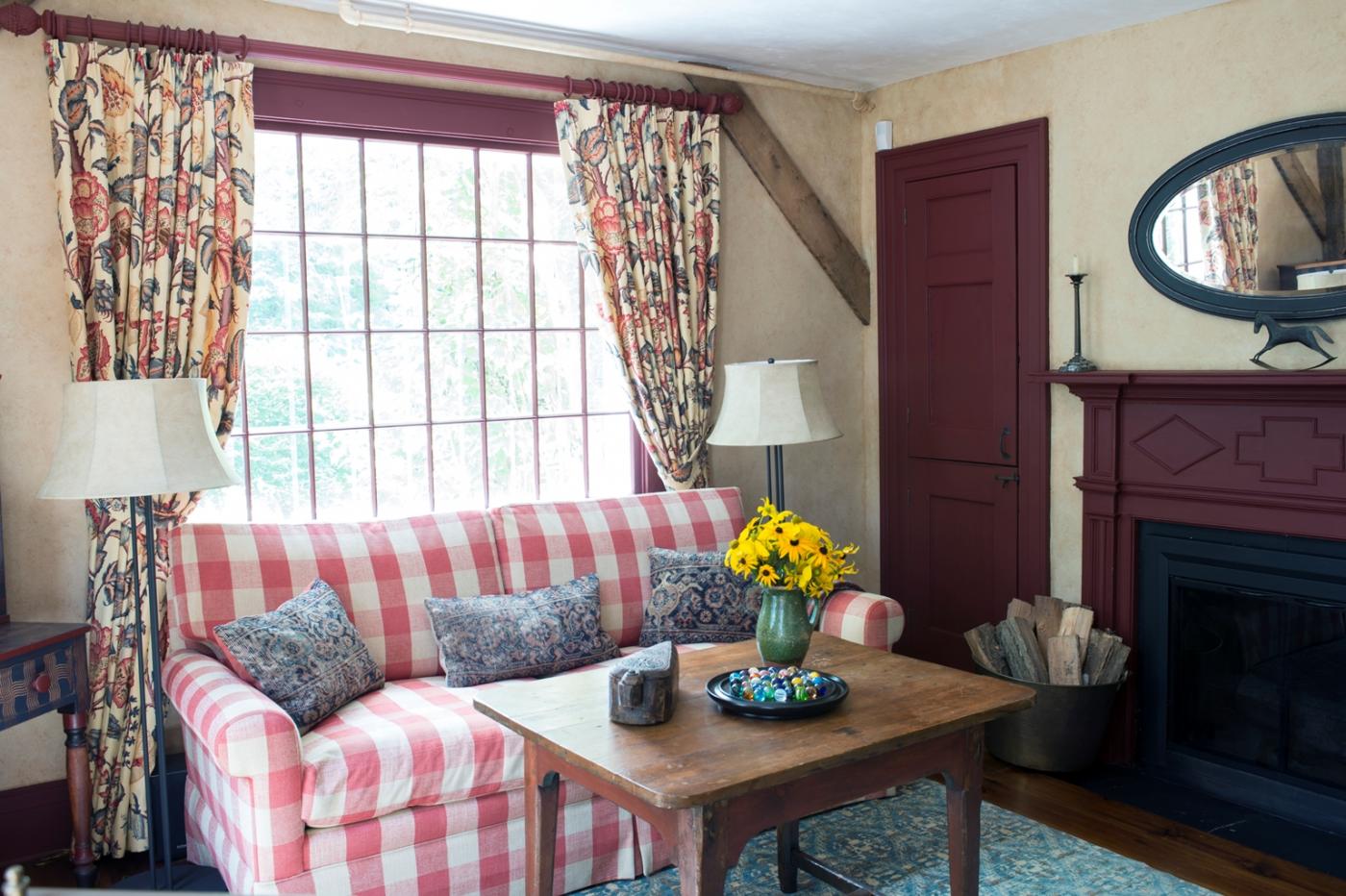
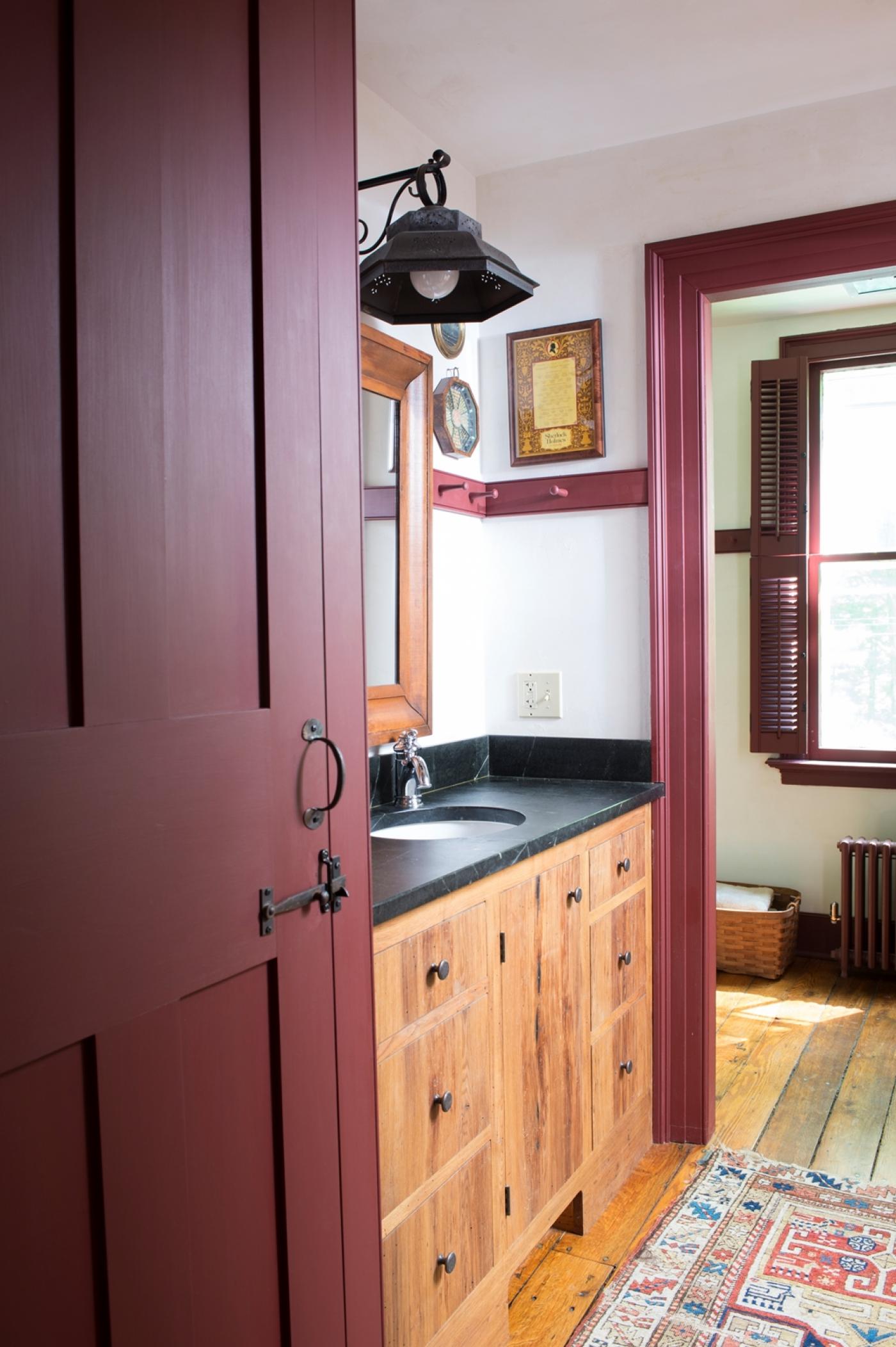
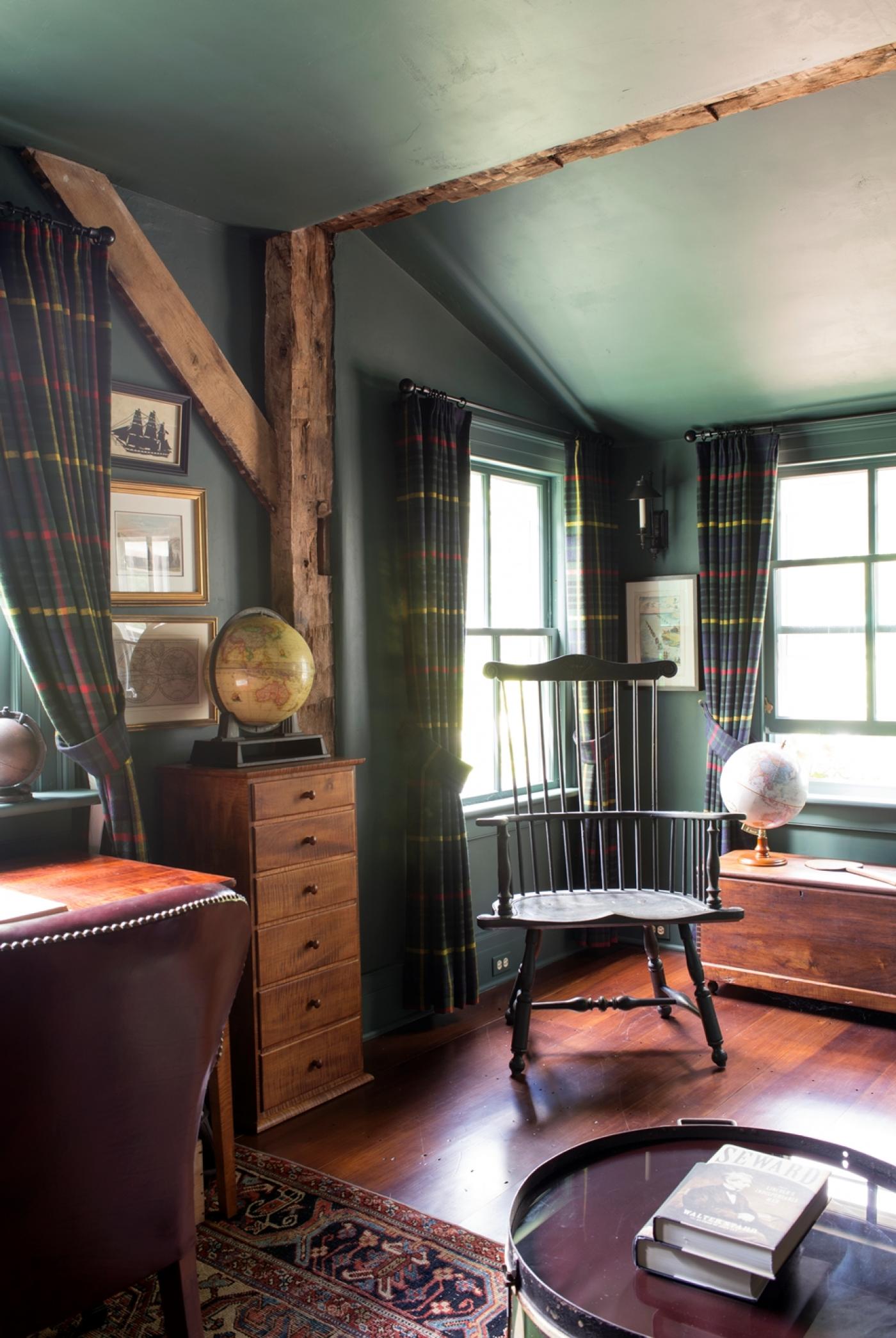
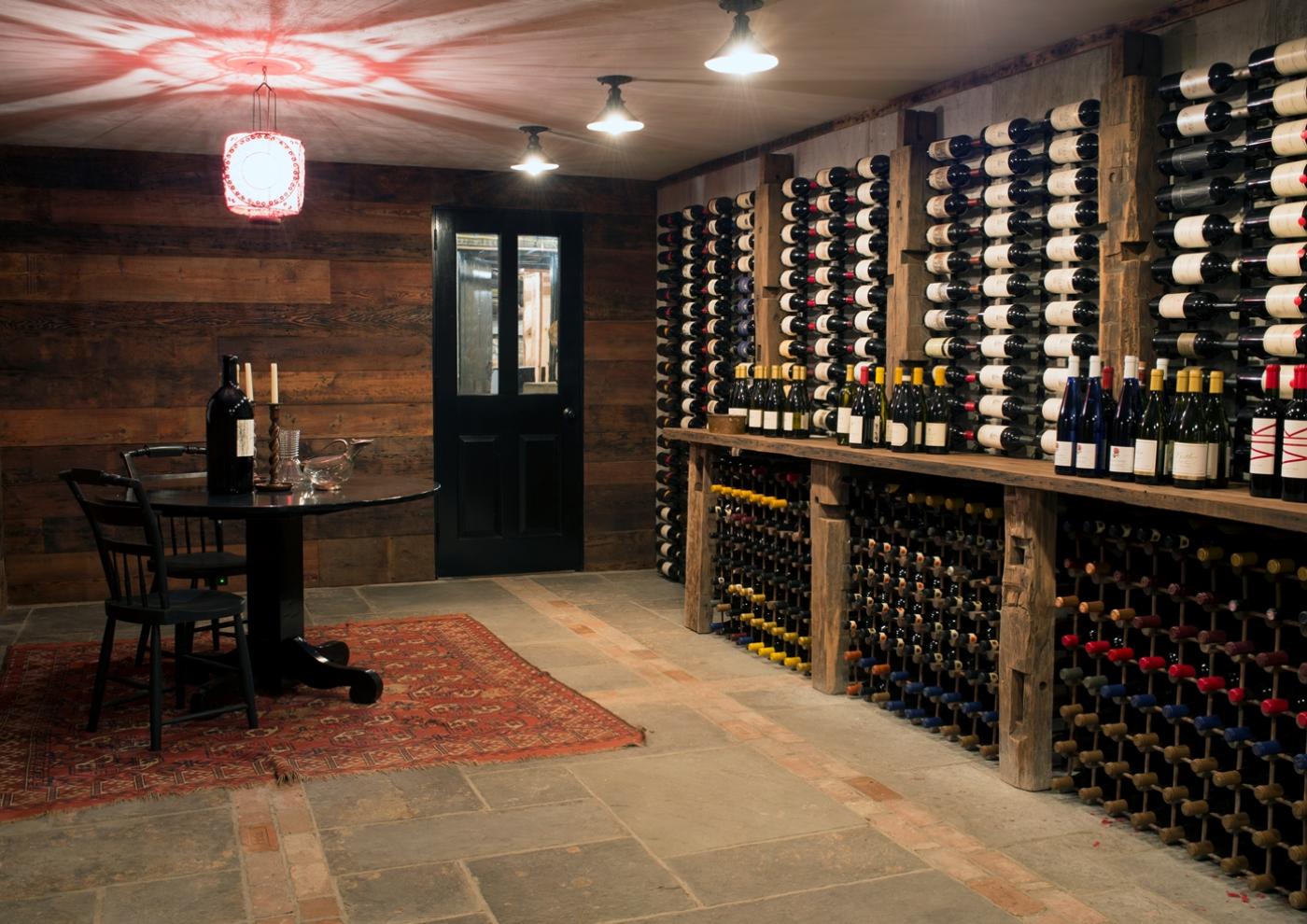
The main house was, for the most part, intact. A small bath had been added upstairs at the end of a hall many years ago, and a kitchen was added in the Ell. All I saw was a home that most definitely needed to be preserved and yet brought up to the 21st century. After careful suggestions, the decision to add a second floor addition above the Ell was approved, along with adding a master bath and master dressing room. The extensive damage, combined with the age of the framing resulted in the engineering report showing that the framing needed to be brought up to code. This entire home was shelled from the inside, leaving the exterior intact. Where an addition had been done at a later date, I considered every detail of the vernacular and updated the addition to maintain the “Big House aesthetic." As much as we wanted to save the entire Ell, it was prohibitive in so many ways. However, we used the original windows and doors, with the original antique window panes. This part of the home was reconstructed to modern code in between the Big House and the Back House, and an addition was put upstairs creating the master bedroom suite. We were able to save all of the original chestnut framing, which was reincorporated in the reconstruction and design. The entire home had its walls remade with old fashioned plaster and lathe.
I was approached by my client when his family home in Connecticut had a fire. my first concern was that everyone was safe. Once one’s mind knows that everyone is safe, you then begin to realize the damage and memorabilia lost. The home was “saved” by the original plaster and wood lathe walls. However, it was severely damaged from smoke and water.
About a week later as I was finishing up the kitchen in his New York apartment, my client asked me if I would help him with his fire-damaged home. He trusted my expertise and ability to complete a project in a timely fashion.
Being an avid lover of historic homes, I have studied and restored for numerous clients homes that date as far back as the mid 1700’s. My extensive study of classical architecture and understanding of materials and why they were used in the past is familiar to me. I also spend a great deal of time understanding the ‘Big House, Little House, Back House Barn' (Reference to a great book by Thomas C. Hubka).
When I arrived at this home I realized it was a jewel. A home that Brian and his family have lived in for many years. During my initial walk through, I studied the main part of the home, the “Big House.” The Big House, then the “Little House” attached in the rear was the Ell. The Ell is where the hearth would have been and the cooking area, and typically connected the Big House to the Barn.
The main house was, for the most part, intact. A small bath had been added upstairs at the end of a hall many years ago, and a kitchen was added in the Ell. All I saw was a home that most definitely needed to be preserved and yet brought up to the 21st century. After careful suggestions, the decision to add a second floor addition above the Ell was approved, along with adding a master bath and master dressing room. The extensive damage, combined with the age of the framing resulted in the engineering report showing that the framing needed to be brought up to code. This entire home was shelled from the inside, leaving the exterior intact. Where an addition had been done at a later date, I considered every detail of the vernacular and updated the addition to maintain the “Big House aesthetic." As much as we wanted to save the entire Ell, it was prohibitive in so many ways. However, we used the original windows and doors, with the original antique window panes. This part of the home was reconstructed to modern code in between the Big House and the Back House, and an addition was put upstairs creating the master bedroom suite. We were able to save all of the original chestnut framing, which was reincorporated in the reconstruction and design. The entire home had its walls remade with old fashioned plaster and lathe.