













Showrooms
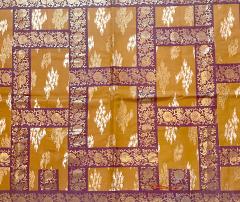
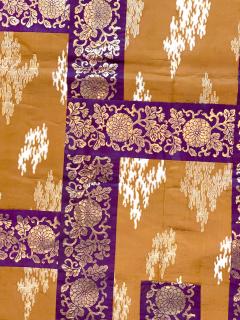
Antique Silk Kesa Monk's Patched Robe Meiji Period
-
Description
Kesa, known as "Jiasha" in Chinese and "Kasaya" in Sanskrit, is an out-layer garment worn by the ordained Buddhist monks. Bearing a basic rectangular form, it developed originally in India where monks used scraps of discarded fabric to patch into a robe that was deemed scared. Kesa was worn above the left shoulder, wrapped under the right armpit and draped along the body. Originally dyed dark colors to stand out in tropical Indian weather, the garment was an identification with the ascetic nature of the monkhood. With Buddhism spread to other Asian countries such as China, Korea and Japan, this tradition of wearing kesa remained to this day. The fabrics used in creating kesa, however, was no longer rags, but gradually became luxurious due to the donation from the worshippers and benefactors of the temple. Paradoxically, the acetic aspect was maintained in the standard patched construction. Within the border, kesa was sewn together in vertical columns, from five to up to twenty-five, with seven being the most common. The higher the number, the more formal and the higher rank it may indicate of the wearer. Sometimes, six patches were placed on top, with four on corners and two flanking the middle, symbolizing the four cordial guardians and the bodhisattvas within the heart.
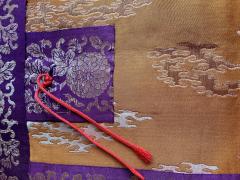
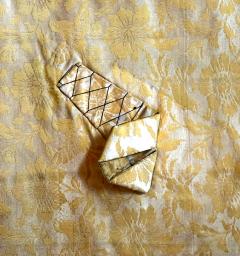
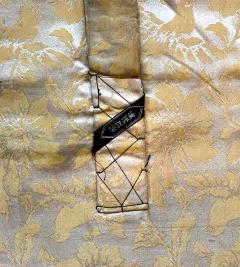
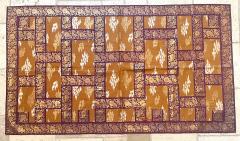
The kesa on offer is an authentic piece dated to Meiji Period (late 18th century to 19th century). Featuring seven columns within wide borders, it was patched from pieces of golden silk finely woven with cloud patterns. The wide border was a brilliant purple silk with intricate chrysanthemum motif. The backing silk is of a light yellow with woven birds and hibiscus flower pattern. There are two red tassels sewn to the front and two loops on the back, but they may be later replacement. One of the loops on the back has a maker's label (Fujimoto made this with care) and also a small red seal was found on the back.
The kesa is loose therefore requires framing for idea display. It ships easily folded up. -
More Information
Origin: Japan Period: 19th Century Materials: silk brocade Condition: Fair. Small loss and rip on the backing silk, slight fading on one end of the back, threading on some edges. Preserved and present well. Creation Date: 19th century Styles / Movements: Asian, Traditional Patterns: Asian/Oriental, Florals/Botanical, Geometric, Handmade Incollect Reference #: 625768 -
Dimensions
W. 79 in; H. 44 in; D. 0.1 in; W. 200.66 cm; H. 111.76 cm; D. 0.25 cm;
Message from Seller:
Tishu, based in Atlanta, GA, offers a diverse collection ranging from Neolithic art to 20th-century collectibles, with a focus on Mid-century design, Japanese and Korean art, Asian textiles, and Contemporary Aboriginal art. Driven by a passion for timeless beauty, the gallery is open by appointment only and offers works that span 5,000 years of history. Reach them at 305-400-0561 or tishu@tishugallery.com.
More Listings from Tishu View all 1151 listings
-
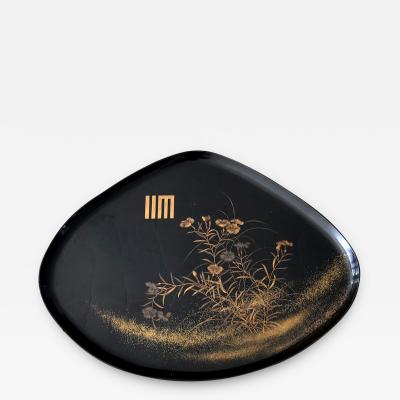
An Antique Japanese Lacquer Tray
-
Pair Framed Vintage Print of Drawings by Diego Rivera

-
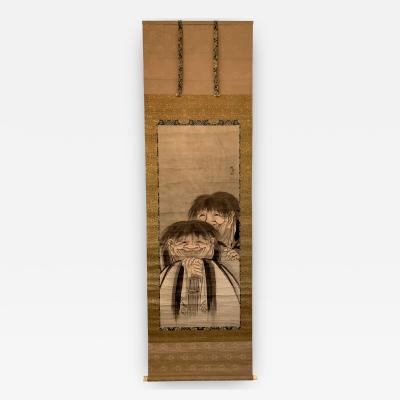
Large Antique Zen Japanese Ink Scroll After Sesson Shukei
-
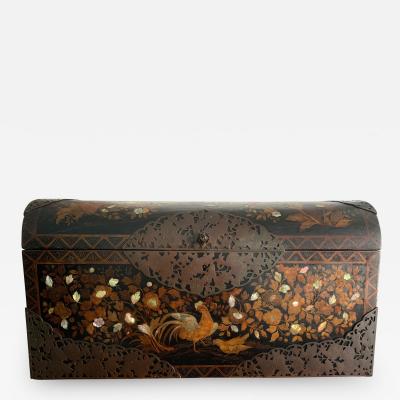
Japanese Namban Lacquer and Inlay Coffer Momoyama Period
-
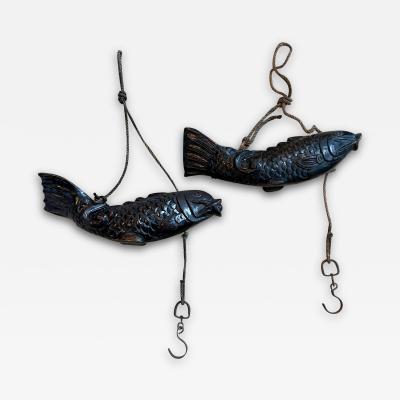
Near Pair of Japanese Jizai Kagi Wood Koi Folk Art Sculptures
-
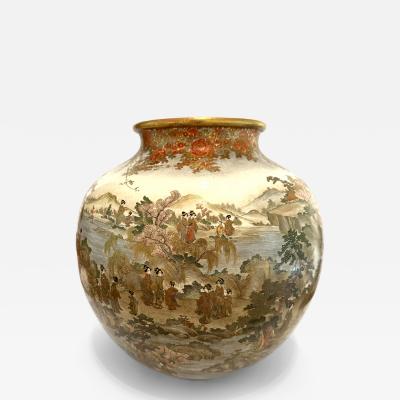
Exceptional Large Japanese Ceramic Moon Vase by Kinkozan Meiji Period
-
Rare Antique French Goyard Wardrobe Steamer Trunk

-
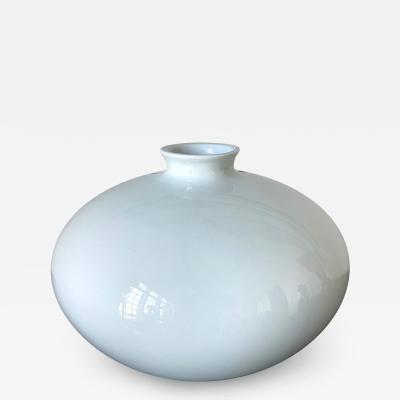
Contemporary Japanese White Glaze Ceramic Vase by Inoue Manji
-
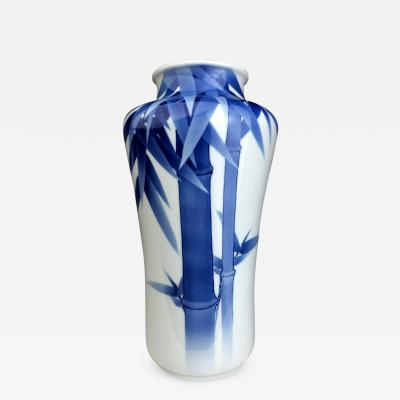
Japanese Porcelain Vase Makuzu Kozan Meiji Period
-
Framed Black and White Photograph Arthur Tress

-
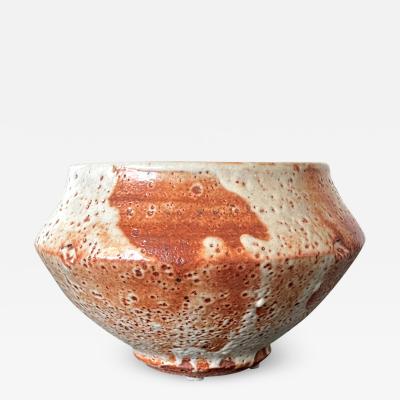
Studio Ceramic Bowl in Shino Glaze by Warren Mackenzie
-
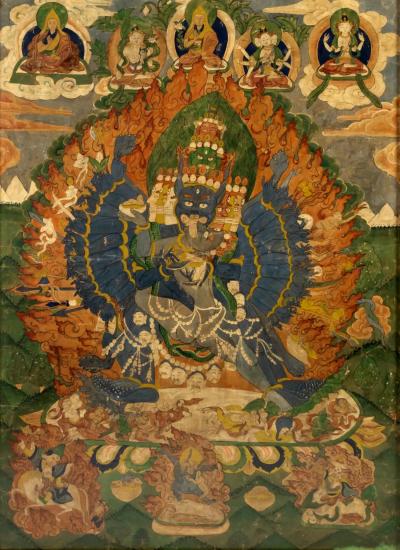
Framed Antique Tibetan Thangka of Yamantaka with Consort
-
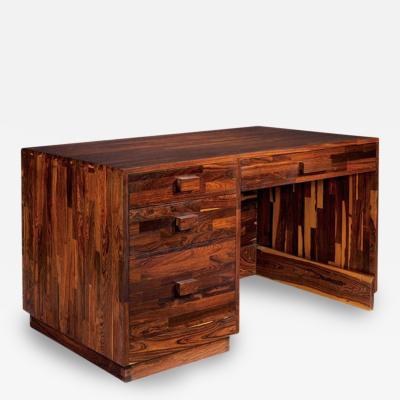
Rare Cocobolo Wood Desk Don Shoemaker like jimmy in Better Call Saul
-
Japanese Bamboo Basket Ikebana by Yamashita Kochikusai