










Showrooms
Japanese Ceramic Dish Makuzu Kozan with Original Inscribed Box
-
Description
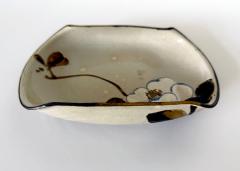
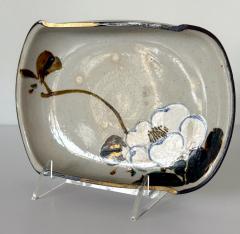
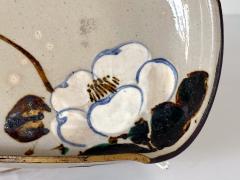
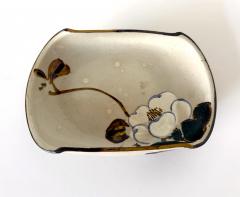
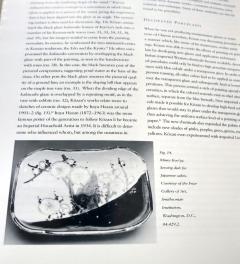
A glazed ceramic shallow bowl with surface paint decoration by Japanese imperial potter Makuzu Kozan ((1842–1916) with its original inscribed tomobako storage wood box. Unlike the better-known works Kozan made for the expositions in the west and export to the foreign market, this piece exemplifies his work for the domestic market and specifically, the tea ceremony. The bowl was made in the so called "Utusushi" to Ogata Kenzan (1663-1743), a celebrated Edo painter and ceramicist. Utusushi is loosely translated as "in the spirit of" or "Inspired by". It is not at all a simple imitation of a master, but a Japanese concept of embracing the spiritual essence of a master while the creator is free to mix in his or her own unique artistic interpretation and flavor.
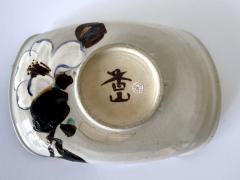
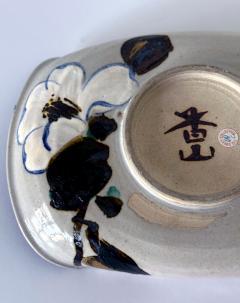
The bowl was made to hold sweet cakes during the tea ceremony. It has a slab dish form with upturning edges and an overall irregular shape that radiate a sense of Mingei and wabi-sabi. The bottom of the dish features a branch of white camellia blossom, a beloved flower in Japan that blooms in winter. The laconic composition and misleadingly simple and sure strokes and colorings were homage to the master Ogata Kenzan. A similar flowering branch was placed on the underside of the dish, appreciated only possibly by the hands who handle the piece. There is simmering gold highlight in the shade of the veins in the leaf and also along the rims. On the bottom well of the dish, one can see several small round circles. These are called Kase in Japanese (deer back). The pattern resulted when stain seeped through the glaze for a long period from use: a naturally developed patina collectors of tea ceremony ware are particularly fond of. In the center of the foot ring, the mark Kozan in Kanji was written in dark glaze. There also retain a paper label indicating that the dish was in a US collection.
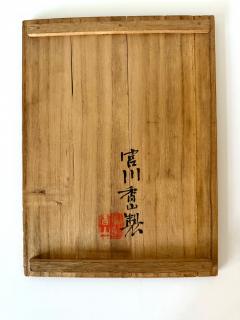
The original tomobako bears ink inscription on the lid "Sweet Cake Dish, Made by Kakuzu Utusushi Ogata Kenzan". A large red square seal read "Makuzu Kozan Made". The underside of the lid bears Miyagawa Kozan (his other name) and a smaller red "Mazuku Kozan" seal. The box also retains the yellow wrapping cloth that is likely original.
Reference: compare to a similar sweet cake dish illustrated on figure 14 of the book Bridging East and West: Japanese Ceramics from Kozan Studio: Selection from the Perry Foundation. Ashmolean Museum". -
More Information
Documentation: Signed Origin: Japan Period: 19th Century Materials: ceramic, wood Condition: Good. Fine antique condition. A minor darker mark on the well of the dish and a few kiln glaze pops and the ensuing Kase spots. The tomobako box shows extensive wear and a crackline. Creation Date: 1890-1900s Styles / Movements: Asian, Traditional Patterns: Asian/Oriental, Florals/Botanical, Handmade Incollect Reference #: 839206 -
Dimensions
W. 8.2 in; H. 2 in; D. 5.3 in; W. 20.83 cm; H. 5.08 cm; D. 13.46 cm;
Message from Seller:
Tishu, based in Atlanta, GA, offers a diverse collection ranging from Neolithic art to 20th-century collectibles, with a focus on Mid-century design, Japanese and Korean art, Asian textiles, and Contemporary Aboriginal art. Driven by a passion for timeless beauty, the gallery is open by appointment only and offers works that span 5,000 years of history. Reach them at 305-400-0561 or tishu@tishugallery.com.
More Listings from Tishu View all 1139 listings
-
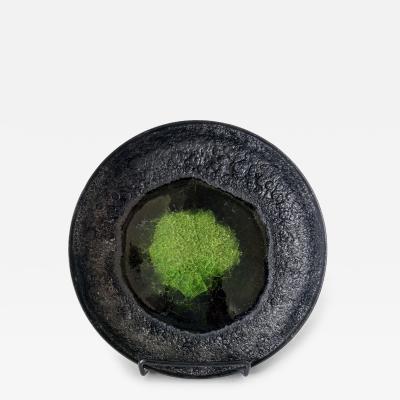
Ceramic Bowl with Bespoken Volcanic Glaze by Beatrice Wood
-
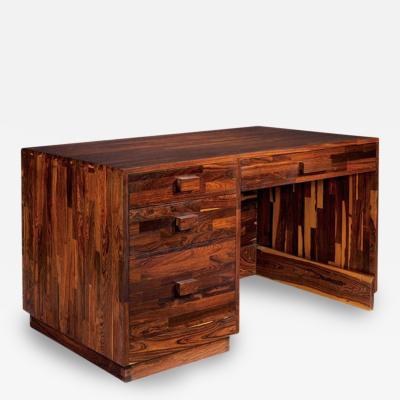
Rare Cocobolo Wood Desk Don Shoemaker like jimmy in Better Call Saul
-
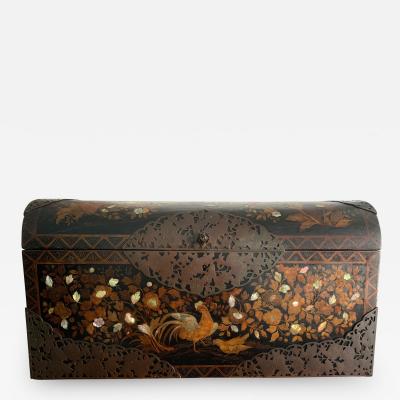
Japanese Namban Lacquer and Inlay Coffer Momoyama Period
-
Rare Antique French Goyard Wardrobe Steamer Trunk

-
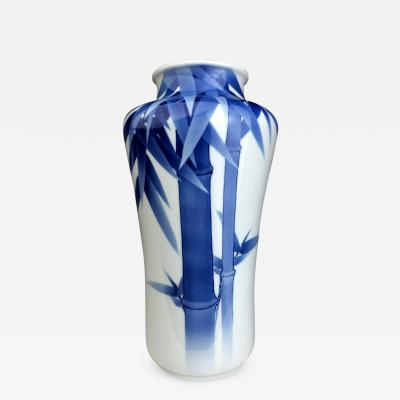
Japanese Porcelain Vase Makuzu Kozan Meiji Period
-
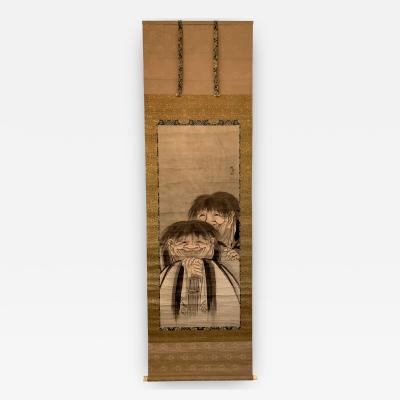
Large Antique Zen Japanese Ink Scroll After Sesson Shukei
-
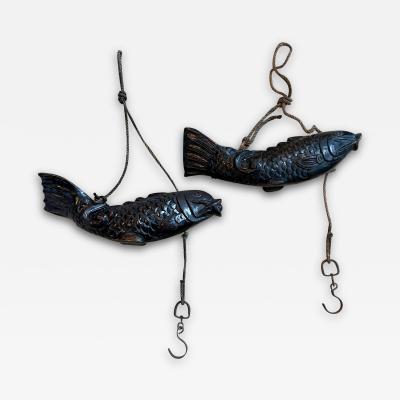
Near Pair of Japanese Jizai Kagi Wood Koi Folk Art Sculptures
-
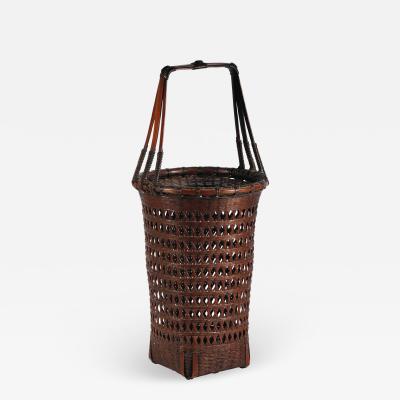
Japanese Bamboo Basket Ikebana by Yamashita Kochikusai
-
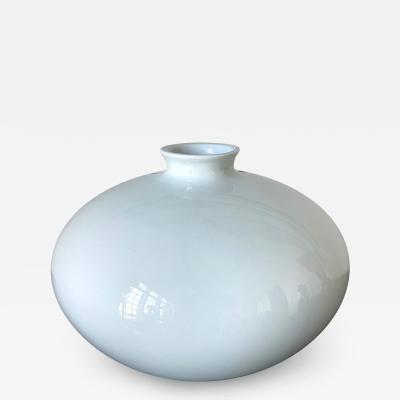
Contemporary Japanese White Glaze Ceramic Vase by Inoue Manji
-
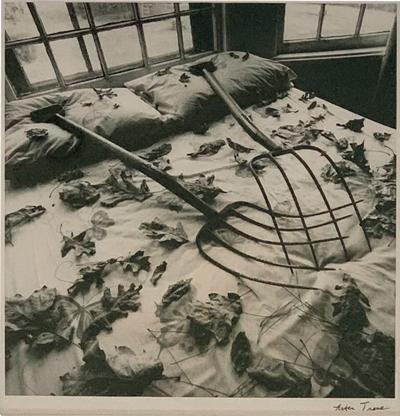
Framed Black and White Photograph Arthur Tress
-
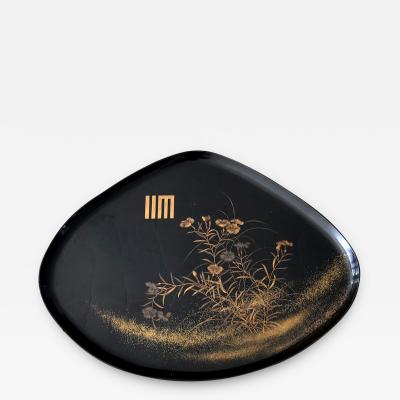
An Antique Japanese Lacquer Tray
-
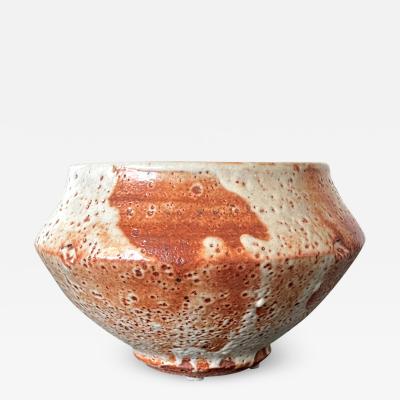
Studio Ceramic Bowl in Shino Glaze by Warren Mackenzie
-
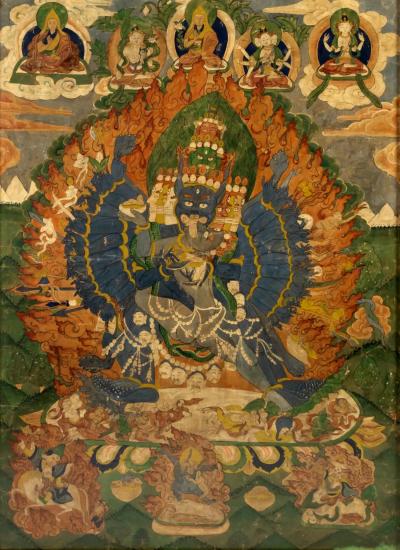
Framed Antique Tibetan Thangka of Yamantaka with Consort
-
Pair Framed Vintage Print of Drawings by Diego Rivera

