











Offered by:
Carlton Hobbs, LLC
PO Box 877
Tuxedo Park, NY 10987 , United States
Call Seller
212.423.9000
Showrooms
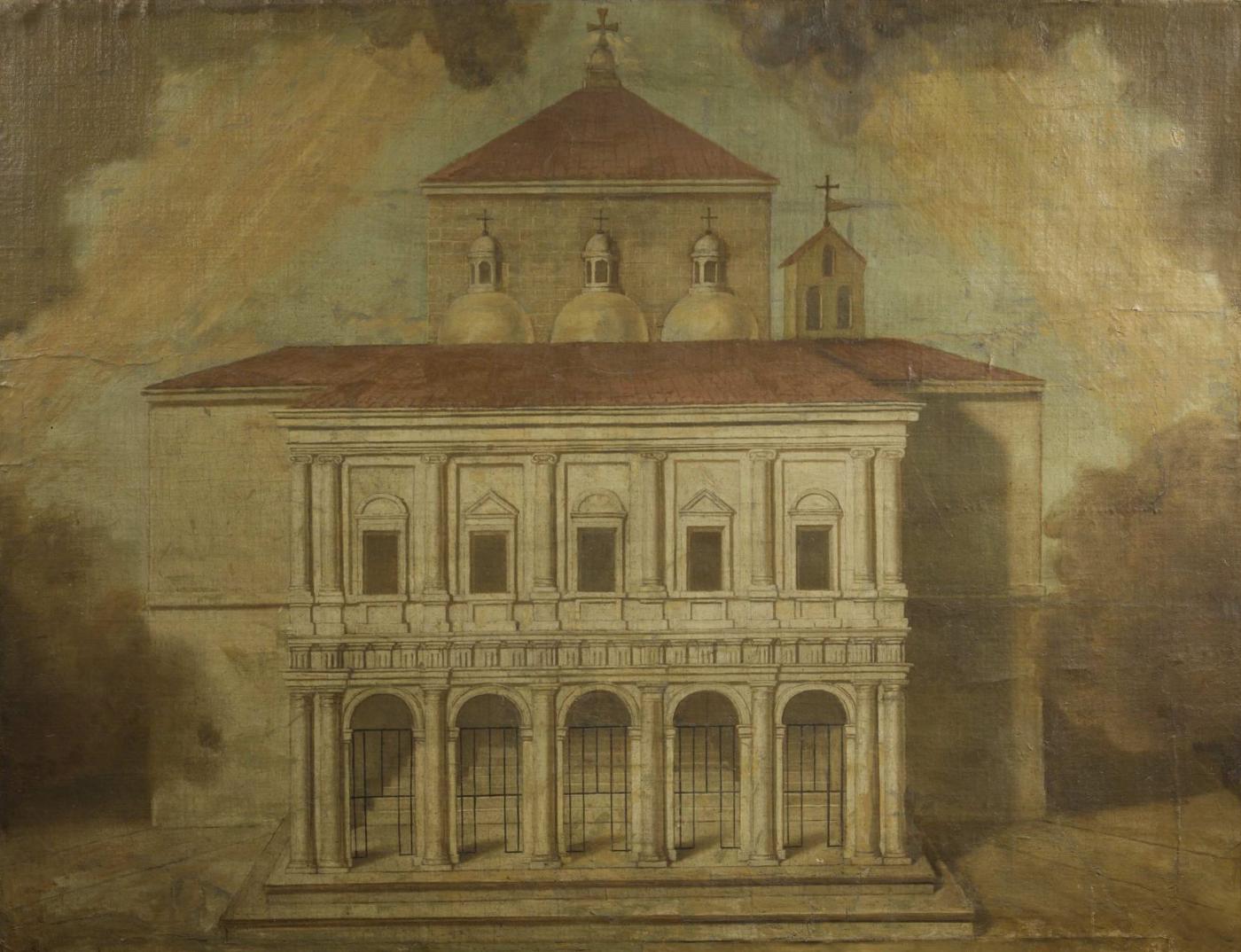
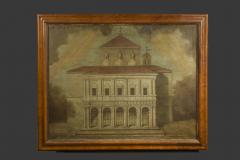
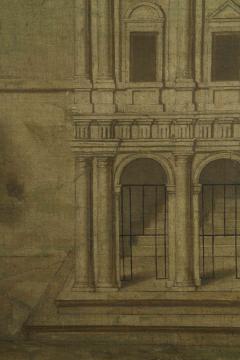
A very rare view of the façade of the Pontificio Santuario della Scala Santa
-
Description
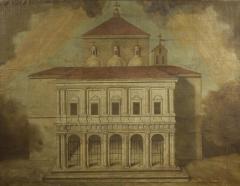
A very rare view of the façade of the Pontificio Santuario della Scala Santa, Built by Domenico Fontana and located on the Piazza di San Giovanni in Laterano in Rome
Italian. Late Sixteenth Or Early Seventeenth Century.
Measurements
Sight Size: Height 41 1/2" x Width 53 3/4" Framed: Height 49 1/2" x Width 61"
Research:
Oil on canvas.
Provenance:
An Old Pennsylvania Collection
This picture takes as its subject the Pontificio Santuario della Scala Santa (Pontifical Sanctuary of the Holy Stairs), likely painted toward the end of construction of the edifice. The structure was part of a building project launched by Pope Sixtus V (1521–1590) at the end of the sixteenth century to create a new Lateran Palace complex in Rome, under the direction of the architect Domenico Fontana (1543–1607).
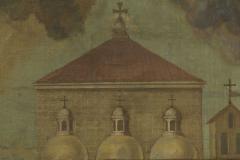
In Fontana’s completed scheme for the Scala Santa, the principal façade is formed by a loggia of five arches on the first story and five pedimented windows on the second, with an inscription running along the cornice that reads: SIXTUS V FECIT SANCTORIQ LOCO SCALAM SANCTAM POSVIT A MDLXXXIX P IV. The arches correspond to the internal arrangement of the Holy Stairs at the center, their original lateral staircases, and two further flanking stairways. Due to the unalterable nature of the Holy Stairs, they are set back farther and at a slightly steeper slope to the upper story, while the other four sets of stairs are aligned at the edge of the loggia. At the top of the landing, a corridor leads to the left toward the chapel of St. Sylvester, and to the Chapel of St. Lawrence on the right (the present-day church). It is assumed that the additional, outermost stairways were added to give separate and more direct access by foot to these side chapels.7 Across from the top of the Holy Stairs, is the Sancta Sanctorum. It is visible from this point through a grate in the wall, but accessible only by navigating through the Chapel of Saint Lawrence. The ceiling above the second story corridor contains three cupoletti; an inscription on the fresco of the rightmost dome is dated April 1587–April 1588, confirming that these structural elements were in place by this time.
The scale and location of certain structural and decorative aspects in Fontana’s plan (figure 1) differ from how the building exists today, and it appears that there were alterations and enlargements to the design between the start of the project in 1586 and its completion in 1590. We are able to piece together evidence of project interruptions and design modifications from contemporary representations of the building, some of which were executed while the work was still in progress.Even Fontana’s own elevation does not entirely accurately represent his finished product; the pedimented windows of the upper story are reversed in his drawing, which speaks to the continuous state of flux throughout the project’s duration. It is therefore possible that some details of the painting were conflated or borrowed from this structure, if it was indeed executed while the Scala Santa was still under construction.
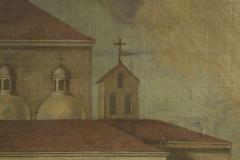
Although the exact date at which the present painting captures the Pontificio Santuario della Scala Santa is unknown, it seems likely to have been executed near to its completion, sometime after 1589 due to the absence of the bell tower on the left side of the building.
Full research report available on request. -
More Information
Period: Pre 18th Century Creation Date: Late Sixteenth Or Early Seventeenth Century Styles / Movements: Traditional Dealer Reference #: 11875 Incollect Reference #: 851402 -
Dimensions
W. 53.75 in; H. 41.5 in; W. 136.53 cm; H. 105.41 cm;
Message from Seller:
Carlton Hobbs, LLC specializes in the acquisition, conservation, and research of 17th to 19th century British and Continental furniture and works of art, with a focus on pieces of exceptional merit, including royal and aristocratic provenance. For inquiries, contact 212.423.9000 or email stefanie@carltonhobbs.com.
More Listings from Carlton Hobbs, LLC View all 257 listings
-
AN EXTRAORDINARY WALNUT AND EXOTIC WOODS INLAID PARCEL GILT COMMODE
-
George III harewood and engraved boxwood marquetry serpentine two-door commode
-
AN EXCEPTIONALLY WELL DRAWN AND FINE PAIR OF OCCASIONAL TABLES
-
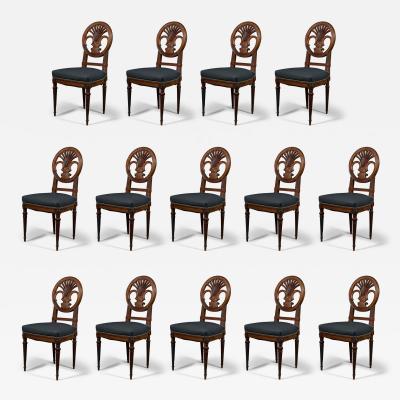
11684 A VERY RARE SET OF FOURTEEN MAHOGANY DINING CHAIRS
-
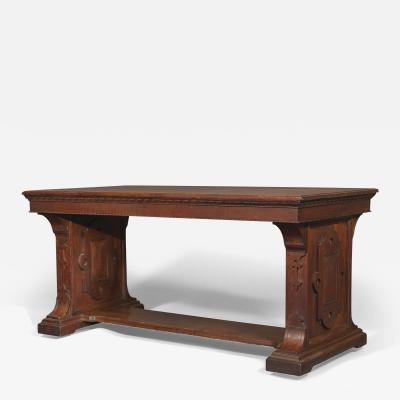
11606 AN INTERESTING AND UNUSUAL OAK LIBRARY TABLE
-
Painting of a Boy Building a House of Cards, Accompanied by his Mastiff

-
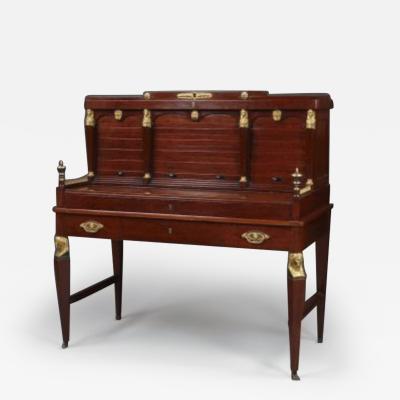
THE ROMANOV BUREAU AN IMPERIAL MAHOGANY GILT AND PATINATED BRONZE MOUNTED
-
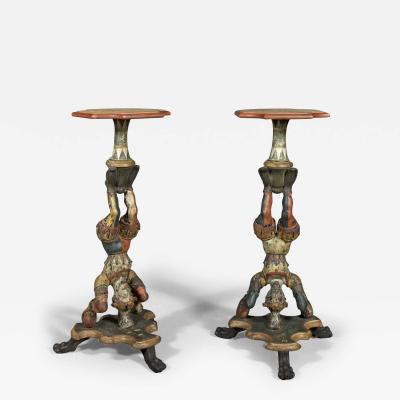
AN INTERESTING PAIR OF CARVED AND POLYCHROME PAINTED STANDS
-
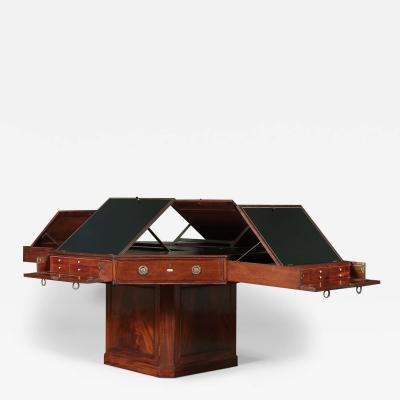
A SPECTACULAR GEORGE III MAHOGANY OCTAGONAL SWIVEL TOP LIBRARY TABLE
-
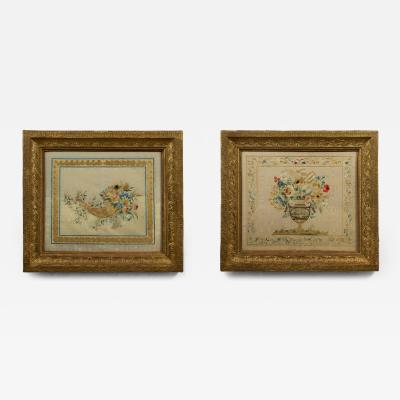
Pair of needlework panels in impressive original gilt carton-pierre frames
-
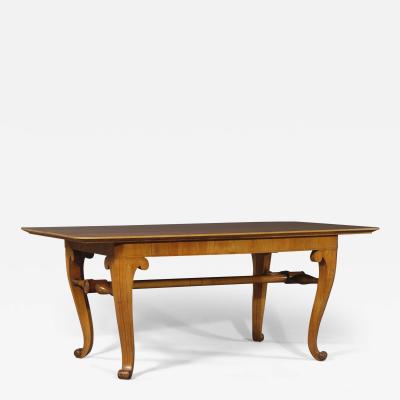
11539 A CHERRYWOOD VENEERED LIBRARY TABLE
-
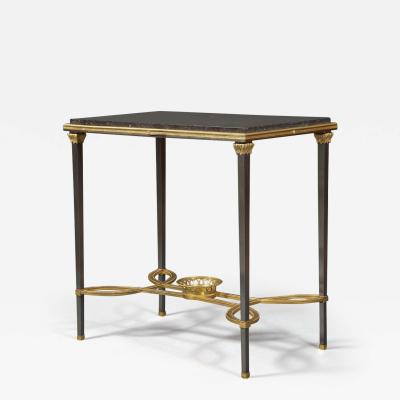
AN EXQUISITE STEEL AND GILT BRONZE CENTER TABLE WITH FOSSIL MARBLE TOP
-
11009d A SUPERB SET OF SIX REGENCY CARVED MAHOGANY SIDE CHAIRS

-
11140 AN INTERESTING CARVED OAK ARTS AND CRAFTS PERIOD LIBRARY OR CENTER TABLE

