



Offered by:
Thomsen Gallery
8 East 67th Street
New York City, NY 10065 , United States
Call Seller
212.288.2588
Showrooms
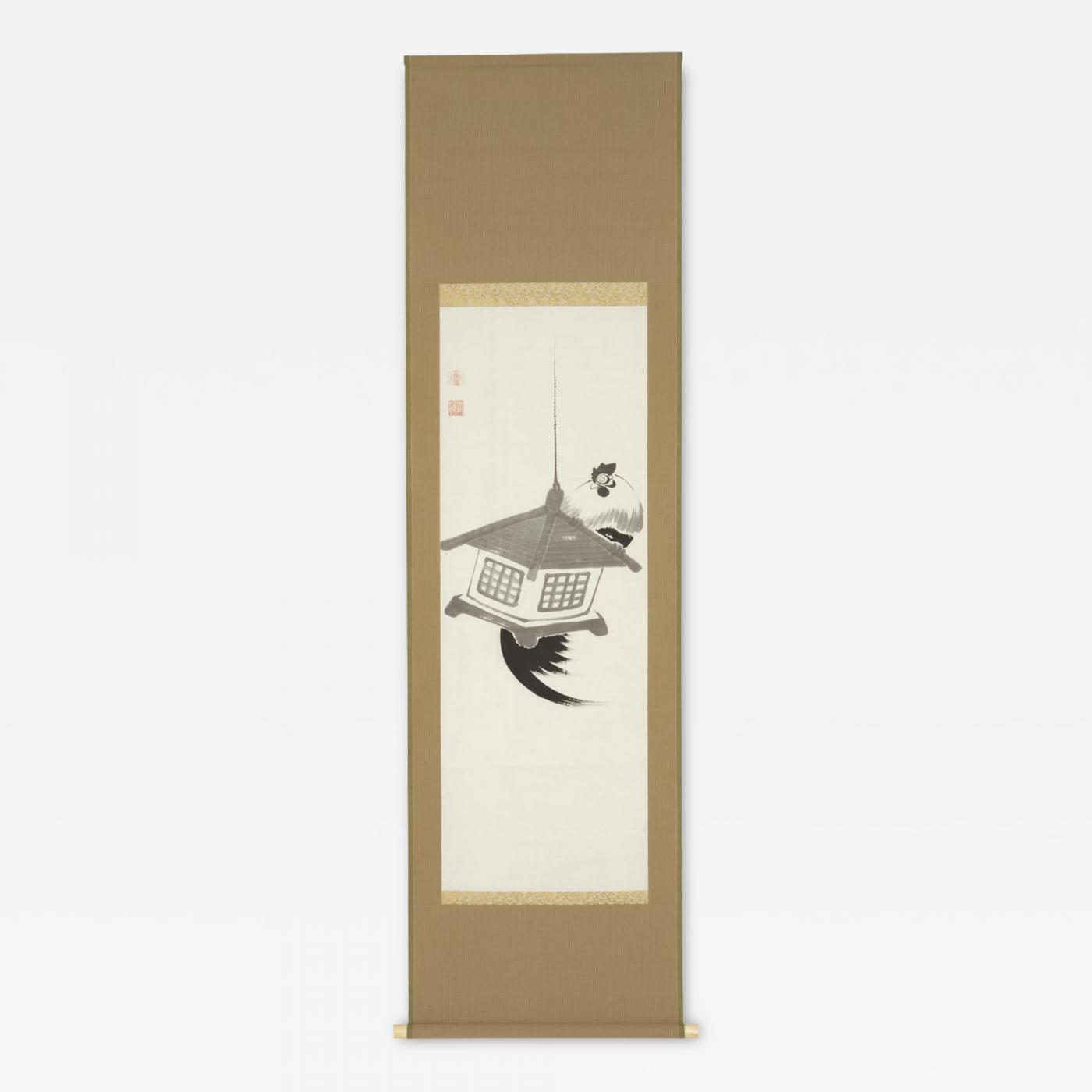
Rooster on a Lantern (T-3258)
-
Description
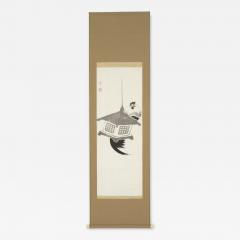
Hanging scroll; ink and ink wash on paper
Overall size 74 x 21 in. (188 x 53 cm)
Image size 44¼ x 15½ in. (112.5 x 40 cm)
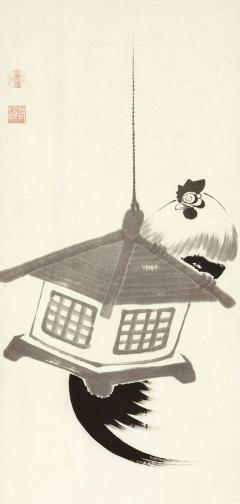
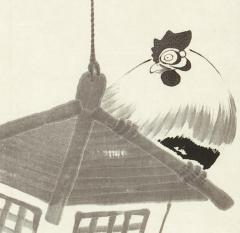
A rooster has flown up to a hanging lantern and is surveying its domain. There is a certain tension in the bird’s position as the lantern appears to be swaying under the sudden weight of the bird: it leans to one side, and the fine line of the rope receding toward the top of the painting makes it appear as if the lantern is swinging toward the viewer. The sense of controlled tension—of balance within imbalance—makes this painting appealing and exciting to the viewer.
The painter Jakuen forms one of the mysteries surrounding the great eighteenth-century painter Ito Jakuchu. From their painting style, techniques, and motifs, even their names (both using the same character »jaku«), we know that there was a close connection of some kind. The questions center on how this connection was formed and on the identity of Jakuen, who clearly was a talented artist with social connections. We know that he took part in group projects and that he was versatile in both ink and color, creating works on both paper and silk, just like Jakuchu. He also created time-consuming large-scale works, such as large paintings and screens. We know from documents that Jakuchu had a number of apprentices—was Jakuen one of these? Or was he one of the higher-placed persons to whom Jakuchu taught painting? Hopefully these questions will be solved over time.
For now, it is instructive to notice the techniques that Jakuen used, and to then compare them with Jakuchu, his likely master. In this case we are fortunate to have images of both artists in this exhibition, both on the same theme. The technique of adding ink of darker modality to lighter lines can be seen in both paintings, here in the ascending rope and the talons of the rooster. The technique of sujimegaki, of adding lines of like density ink on top of each other—a technique that Jakuchu brought to its perfection—is also seen here, used most effectively in the windows, roof, and base of the lantern. The understated use of the technique in the window latticing is executed in a discreet and sophisticated manner. The strong dark brush lines for the tail have little of the tour-de-force effect we see in Jakuchu; with Jakuen such lines are more controlled, with an emphasis on creating patterns and expressing refined order. While the two artists used many of the same techniques, in the end they created works of art quite different from each other.
Clearly it is not enough to think of Jakuen as a mere imitator of Jakuchu, and this has increasingly been the consensus of both scholars and collectors over the last few years. More and more objects by Jakuen are being discovered and introduced—including the present work, a newly discovered Jakuen painting in its first public viewing. Collector Joe Price was one of the pioneer promoters of Jakuen and his recent catalog, with five outstanding works by Jakuen, stands as a testament to his vision and also to the future appreciation of this painter, no matter his true identity. Through the active research into such works, we may well eventually solve some of the mysteries surrounding this fine artist. -
More Information
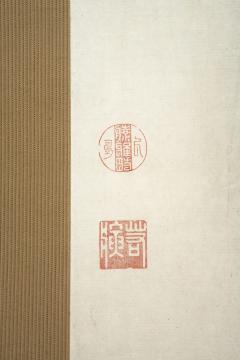
Documentation: Signed Origin: Japan Period: 19th Century Materials: Ink and ink wash on paper; silk mounting Condition: Good. Excellent condition Creation Date: ca 1800 Styles / Movements: Asian, Traditional Patterns: Animal/Insects, Asian/Oriental, Handmade Dealer Reference #: T-3258 Incollect Reference #: 558756 -
Dimensions
W. 20.87 in; H. 74.02 in; W. 53 cm; H. 188 cm;
Message from Seller:
Thomsen Gallery, now located at 8 East 67th Street, New York City, NY 10065, specializes in important Japanese paintings, folding screens, hanging scrolls, ceramics, ikebana bamboo baskets, lacquerware, and contemporary works by select artists. Owned and directed by Erik and Cornelia Thomsen, the gallery brings decades of expertise in Japanese art to a global clientele, including private collectors and major museums. For inquiries, contact them at 212-288-2588 or info@thomsengallery.com.
More Listings from Thomsen Gallery View all 214 listings
-
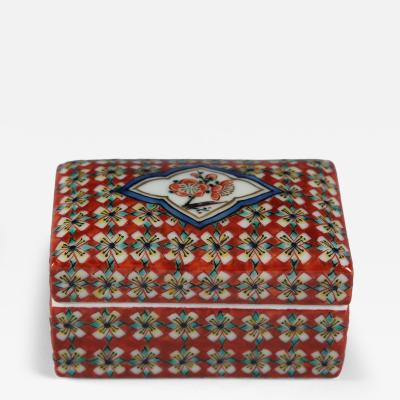
Fine-Patterned Rectangular Incense Box, 1997
-
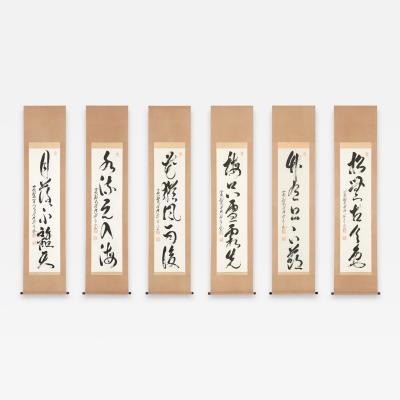
Six Zen Calligraphies, 1910s-1930s
-
Cranes and Lilies, 1920s

-
Wajima-Lacquer Flower-Arrangement Stand (T-4884)

-
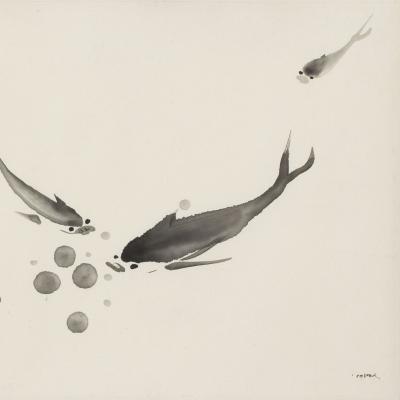
Three Fishes, 1978
-
Four-Sided Vase, 1990s
-
Mizusashi Vessel, 1990s
-
Rectangular Box Entitled "Time and Space", ca 2000
-
Yin and Yang 2, 2015
-
Square box (T-3541)

-
Vase, 1970s
-
Bamboo Sculpture (T-3719)
-
Gyokurin Bamboo, 1813
-
Tossed Mushrooms, 2001