









Offered by:
L' Antiquaire & The Connoisseur, Inc.
36 East 73rd Street
New York City, NY 10021 , United States
Call Seller
212.517.9176
Showrooms
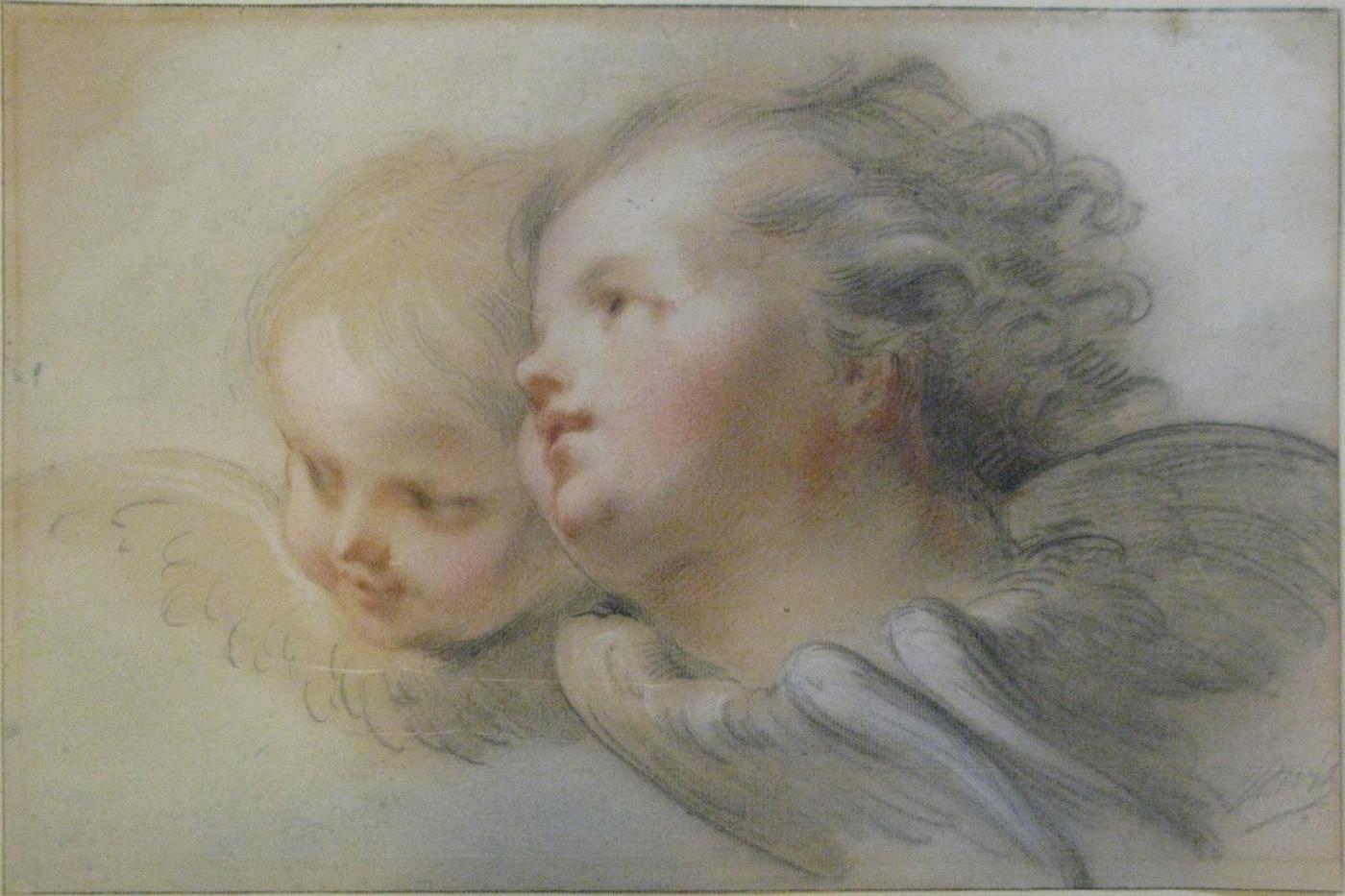
Two Seraphs
-
Description
The leading Dutch decorative painter of the eighteenth century, Jacob de Wit specialized in architectural panels for ceilings and walls with groups of putti painted in a rococo manner naturalistically or in grisaille. Born in Amsterdam, he was first apprenticed at the age of nine to Albert van Spiers, a painter of wall decorations who studied with Gerard de Lairesse in Rome. In 1708, at the behest of his uncle, Jacomo, a wealthy merchant and collector, de Wit moved to Antwerp, where he enrolled in the Koninklijke Academie and later trained with Jacob van Hal. During this period, he studied the work of the city’s great masters, most importantly Rubens, whose paintings he copied and later collected. In 1713, he was admitted to the Guild of Saint Luke, but chose to return to Amsterdam two years later. Upon his arrival, de Wit quickly established himself as the finest decorative painter of the city, securing important commissions for churches, civic buildings and patrician homes. His clientele rapidly expanded to include collectors throughout Holland, as well as in Kassel, Lisbon, London and Paris. An unceasing demand for the artist’s chamber paintings and decorations for over mantels, over doors and ceilings pushed his annual income, in 1742, to more than 4,000 guilders, a huge sum matched by surgeons, but not lawyers. So popular and innovative were de Wit’s paintings in imitation of white and gray stucco that in Holland they became known as “witjes,” in a play on his name.
A prolific and talented draftsman, de Wit made drawings as preparatory studies, to record completed paintings and as independent works of art, all of which were eagerly sought by collectors. -
More Information
Documentation: Signed Notes: Signed 'Jdwit' on the lower right Origin: Netherlands Period: 18th Century Materials: Black, red and brown chalk heightened with white on paper Condition: Good. Styles / Movements: Old Master, Other Incollect Reference #: 308490 -
Dimensions
W. 24.5 in; H. 20 in; W. 62.23 cm; H. 50.8 cm;
Message from Seller:
L' Antiquaire & The Connoisseur, Inc. specializes in European works of art, antiques, and paintings, with a rich history dating back to 1935. For more information, contact us at 212.517.9176 or info@lantiquaire.us.
More Listings from L' Antiquaire & The Connoisseur, Inc. View all 183 listings
-
Mountain Landscapes
-
Still Life; Dragonfly and Primrose
-
A set of Five Vedute (scenes) of Venice

-
Landscape with a Farmhouse in the Foreground

-
A Harbor Scene with Roman Ruins
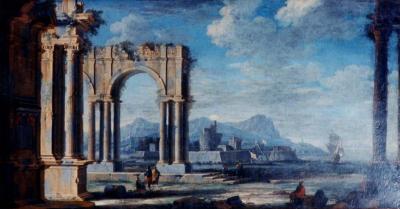
-
An Orange Blossom with a Beetle, a Butterfly and a Fly

-
The Forum with the Column of Phocas in Rome

-
Signed Design for a Façade, possibly for the Festa della Chinea of 1766
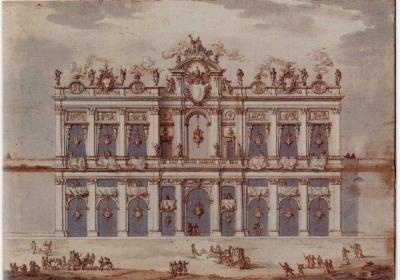
-
Still Life of Grapes, Nuts, Pears and a Bee in Louis XIII Frame
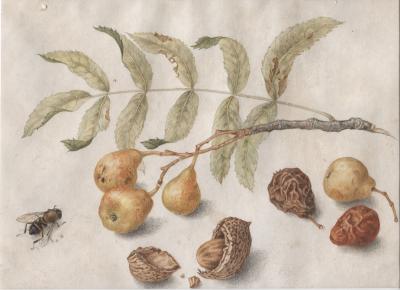
-
Architectural Fantasies with Figures
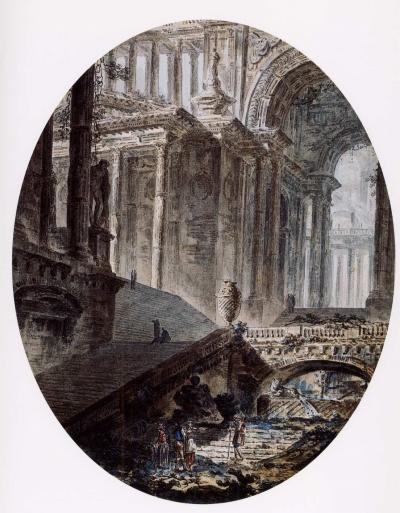
-
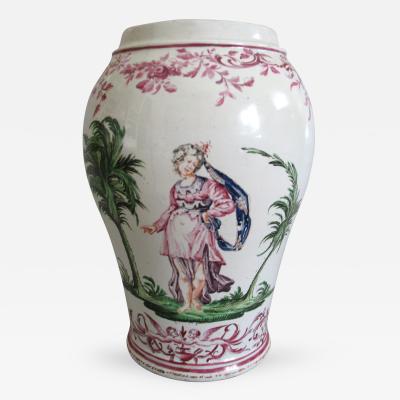
A Ceramic Vase with Polychrome Decoration of a Woman Between Palm Trees
-
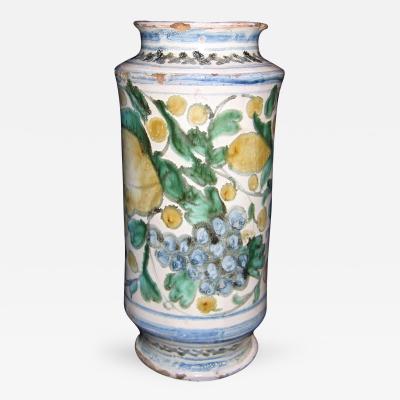
A Large Sicilian Albarello with Scrolling Fruited Vines with Lemons
-
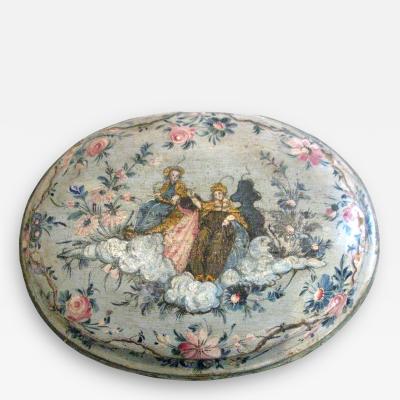
An Oval Floral-Decorated Blue Lacquer Box with Female Figures on the Center Top
-
Entrance of gardens in Venice along the Laguna