








Showrooms
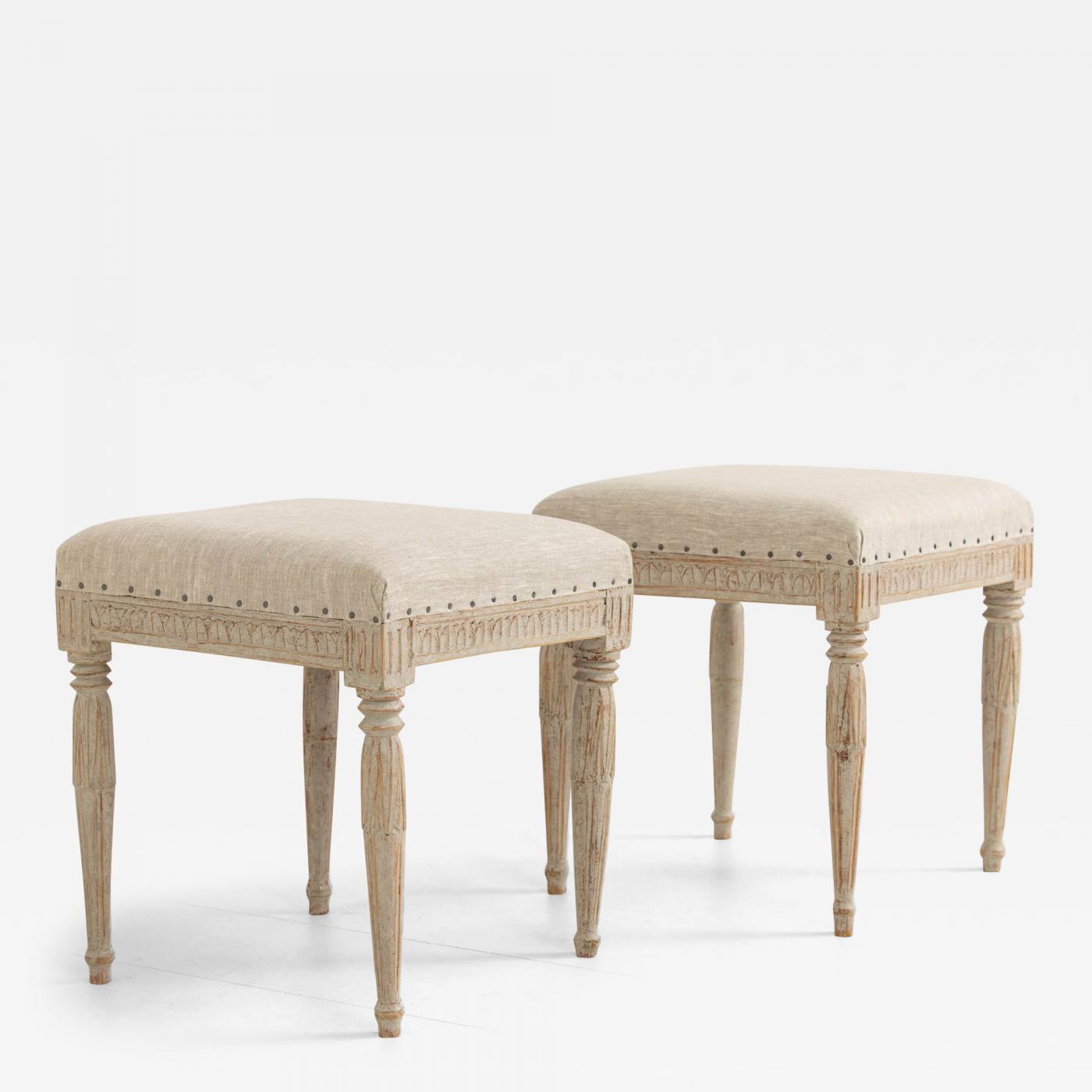
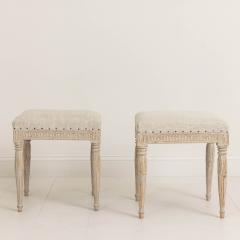
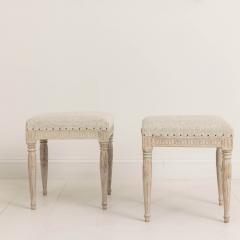
19th c . Swedish Gustavian Painted Stools Signed by Johannes Ericsson
-
Description
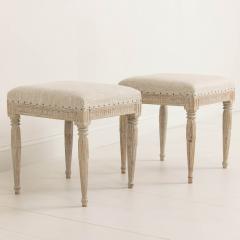
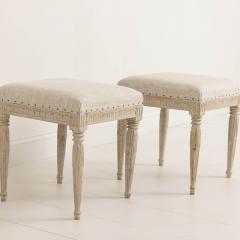
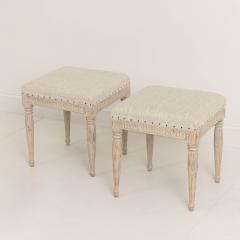
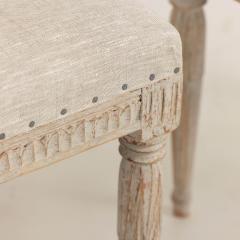
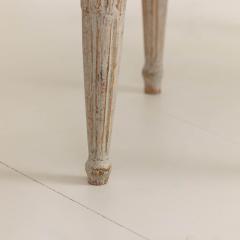
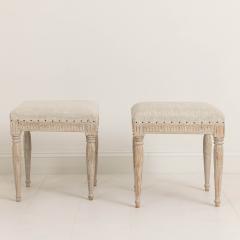
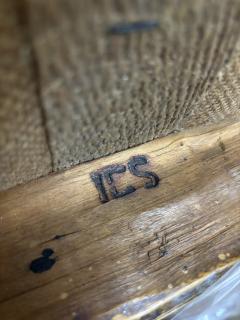
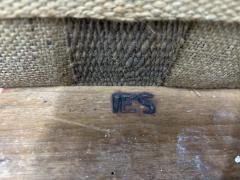
Beautifully carved pair of Swedish benches from the late Gustavian period, newly upholstered in linen with nailhead trim, circa 1830. Signed by Johannes Ericsson, 1803-1865, a chair maker in Knipered, a village in Lindome outside Göteborg. The signature is made by a hot iron tool and, if you press a bit sloppy, you miss a part of it, which is why the "E" is not complete on one of the signatures. This is very common. These stools display beautiful carved egg and dart detail on the seat frame, fluted corner posts, and acanthus leaves on tapered legs.
We offer expedited, fully-insured, custom packaged / crated, domestic and global shipping, including delivery to the door service, delivery to a receiver service, and white glove service, which includes inside setup with debris removal. Please inquire for more information.
The Gustavian style, named after King Gustav III of Sweden, is a restrained interpretation of the French Louis XV and Louis XVI style. King Gustav III was enamored with the neoclassical style and therefore created his own beautiful interpretation for Sweden. The Gustavian style originated in the late 1700's, inspired by French Neoclassicism, and is still highly sought after today. -
More Information
Origin: Sweden Period: 19th Century Creation Date: c. 1830 Styles / Movements: Gustavian, Traditional Dealer Reference #: 2274 Incollect Reference #: 717777 -
Dimensions
W. 16.5 in; H. 18.5 in; D. 16.13 in; W. 41.91 cm; H. 46.99 cm; D. 40.97 cm;
Message from Seller:
Maison & Co. is a direct importer of fine 18th and 19th-century European antiques, many with original paint, specializing in Swedish Gustavian, French Louis XVI, and Swedish Rococo and Baroque periods. For inquiries, please contact us at Bernadette@maisonandco.com or 316.650.3341
More Listings from Maison & Co. View all 74 listings
-
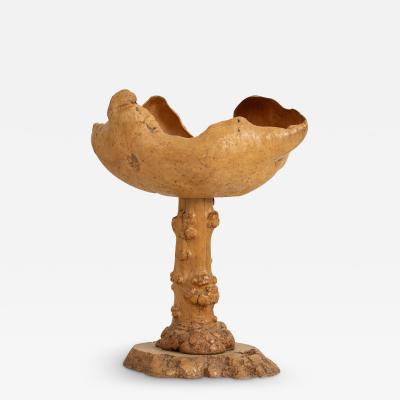
Large Mid Century Swedish Birch and Pine Root Bowl Tazza on Base
-
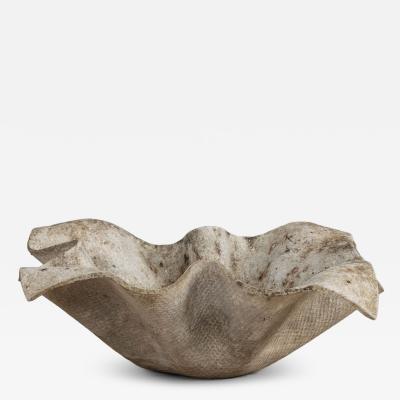
Midcentury Swiss Willy Guhl Handkerchief Planter
-
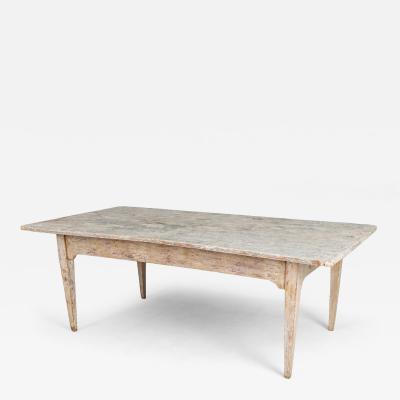
19th c. Italian Table from a Convent in Original Paint
-
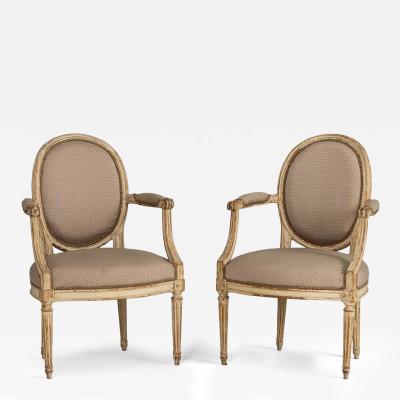
Pair 18th c. French Louis XVI Fauteuils in Original Paint, Signed
-
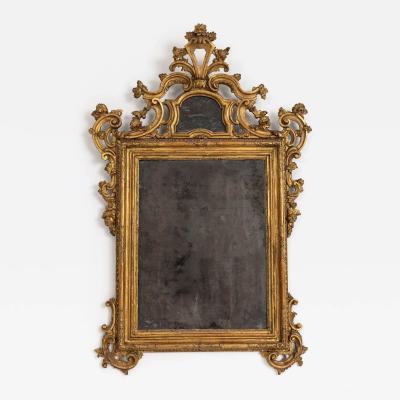
18th c. Venetian Baroque Mirror in Original Giltwood with Original Mirror Plates
-
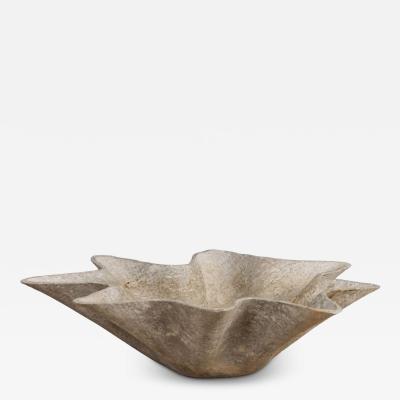
Midcentury Swiss Willy Guhl Planter
-
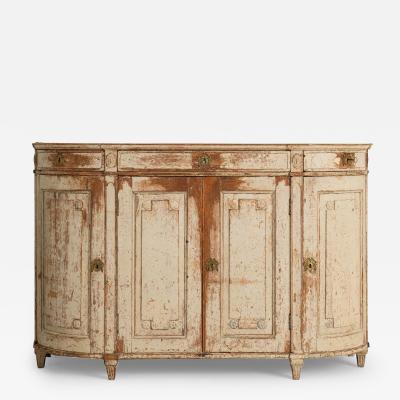
18th c. Swedish Gustavian Period Demilune Buffet in Original Paint
-
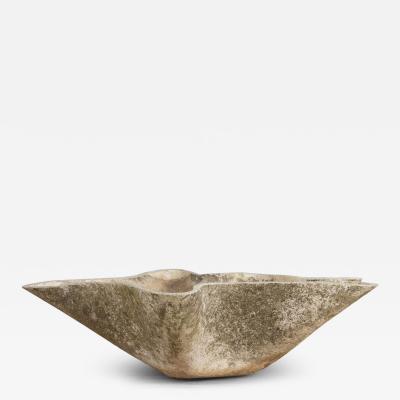
Midcentury Swiss Willy Guhl Planter
-
Midcentury Swiss Willy Guhl Planter
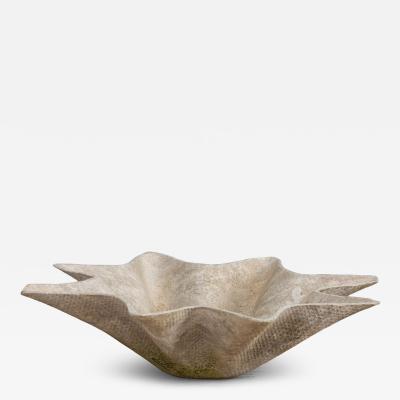
-
18th c. French Marginal Glass Louis XIV Gold Leaf Mirror from Private Collection
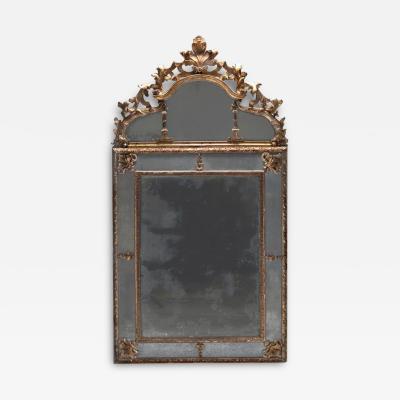
-
18th c. Swedish Gustavian Period Foot Stools in Original Paint
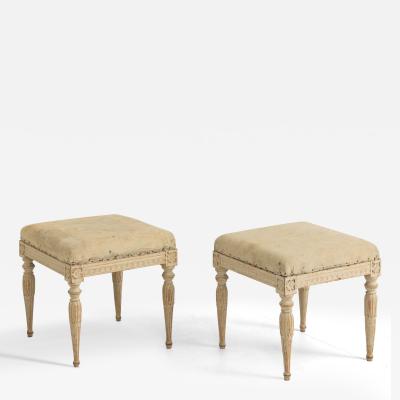
-
18th c. Swedish Gustavian Original Paint Gate Leg - Drop Leaf Table and Console
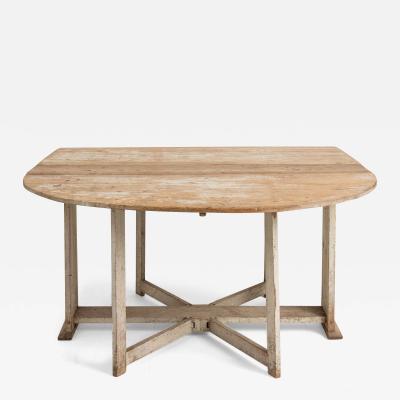
-
Early 19th c. French Pair of Directoire Style Iron Urns
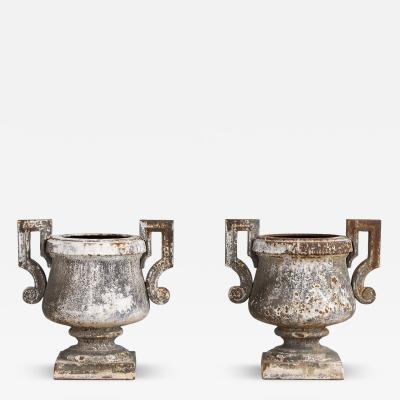
-
18th c. Danish Baroque Arbalète Shaped Commode in Original Patina