





Offered by:
Jim's of Lambertville
6 Bridge Street
Lambertville, NJ 08530 , United States
Call Seller
609.397.7700
Showrooms
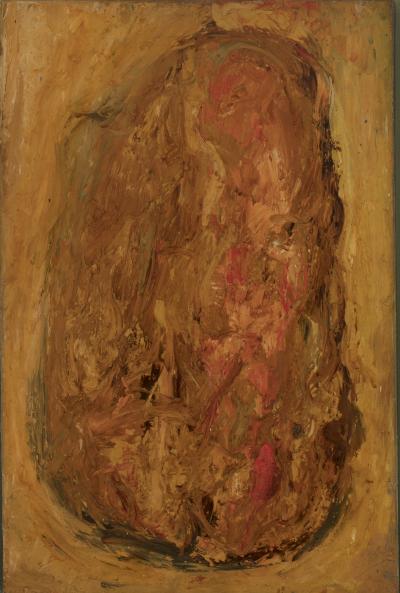
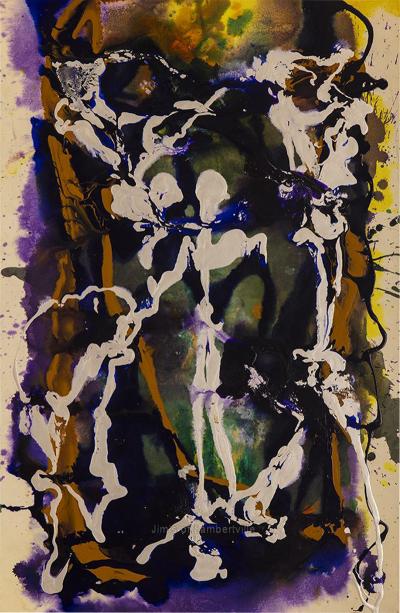
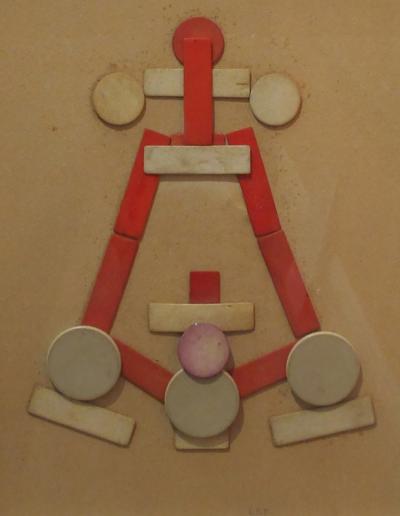
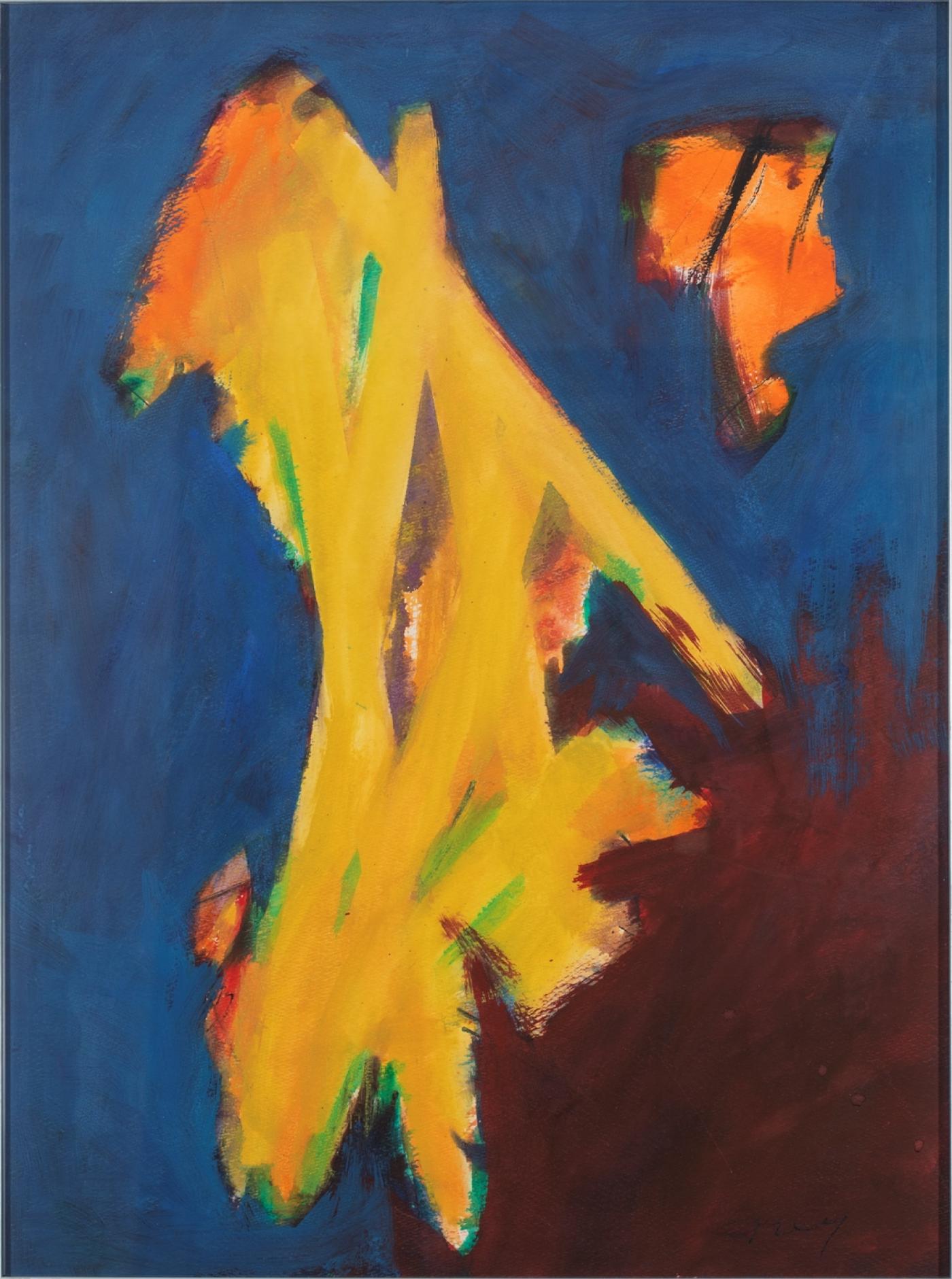
"Energy"
-
Description
Jim’s of Lambertville is proud to offer this artwork by:
Lloyd R. Ney (1893 – 1964)
Called “Bill” by his friends, Lloyd Ney was one of the pioneers of Modernist art in New Hope. Ney was born in Friedensburg, Pennsylvania, in 1893 and began his art studies at the Philadelphia Museum School of Industrial Art before enrolling at the Pennsylvania Academy of the Fine Arts for studies with Henry McCarter in 1914. During this time, he roomed with fellow artists, Richard Wedderspoon and Charles Garner, all of whom would eventually move to New Hope. In 1917, Ney won the Pennsylvania Academy’s Cresson Traveling Scholarship and, after serving his country in World War I, spent three years in Europe. In 1924, Ney revisited Paris where he became greatly influenced by artists Jules Pascin, Tsuguharu Foujita, Lazar, Pablo Picasso, Moïse Kisling, and Wassily Kandinsky, before settling permanently in New Hope in 1925. As Ney put it, “I was beginning to unlearn everything I had been taught at the Academy. It took me twenty years to forget the scars from five years in an art school.”
Ney traveled widely throughout his career, painting in France, St. Tropez, Mexico, Key West, New Orleans, Martinique, and St. Thomas in the Virgin Islands. His paintings were included for fifteen consecutive years in exhibitions at the Guggenheim Museum in New York from 1941-1956. He maintained a close friendship with Hilla Rebay, a fellow artist and the director of the Guggenheim, and the two artists corresponded frequently, critiquing each other’s work. Ney’s work was represented in many other prestigious exhibitions and galleries, such as the Art Institute of Chicago, the Pennsylvania Academy of the Fine Arts, and the Phillips Mill Art Association. He was given solo shows at the Guild Art Gallery and the Avant-Garde Gallery in New York City and exhibited in numerous group shows in Europe. He also exhibited with the “New Group” and “The Independents”, New Hope’s two modernist organizations in the 1930s.
Ney held several teaching positions as an instructor of painting at Converse College in Spartanburg, South Carolina and was head of the painting school at the Kansas City Art Institute for two years. In the summer, he held classes in New Hope. During the Depression, Ney worked for the Works Progress Administration (WPA), painting murals and teaching. In 1941, he was commissioned by the WPA to paint a mural for the post office in New London, Ohio.
Ney also dabbled in real estate, buying and rehabilitating New Hope buildings, such as the Tow Path House. He was slowly trying to turn Mechanics Street (the “Latin Quarter” of New Hope) into an area of boutiques and galleries. He eventually sold his properties and put his money into the construction of a Lloyd Ney Museum, located on a side street to be named “Ney Alley” in New Hope. Ney died in 1964, shortly before the museum was completed.
Source: New Hope for American Art by James Alterman -
More Information
Documentation: Signed Notes: Signed lower right Origin: United States, Pennsylvania Period: 1950-1979 Materials: Watercolor on Paper Condition: Good. Styles / Movements: Abstract Expressionism Dealer Reference #: JOL11231919 Incollect Reference #: 349403 -
Dimensions
W. 17.25 in; H. 23.25 in; W. 43.82 cm; H. 59.06 cm;
Message from Seller:
Welcome to Jim's of Lambertville Fine Art Gallery, located in the heart of Lambertville, NJ. Specializing in Pennsylvania Impressionist and Modernist paintings, antiques, and custom framing, we invite you to visit us or contact us at 609.397.7700 or via email at info@jimsoflambertville.com.