




Ed Moses
American, 1926 - 2018
Ed Moses (April 9, 1926 – January 17, 2018) was a prominent American artist known for his influential role in postwar West Coast art, particularly in Los Angeles. He first showcased his work at the iconic Ferus Gallery in 1957, quickly gaining recognition that would span over five decades.
Born in Long Beach, California, Moses enlisted in the U.S. Navy at just 17, serving in the Medical Corps during World War II. After his military service, he initially pursued a pre-med program at Long Beach City College but soon shifted his focus to art. He studied under Pedro Miller, a graduate of the Art Institute of Chicago, and later transferred to UCLA and the University of Oregon. His commitment to art led him to hold his graduate exhibition at the Ferus Gallery, a testament to his emerging prominence in the art world.
In 1958, Moses moved to New York City, where he encountered legends of Abstract Expressionism such as Willem de Kooning and Mark Rothko. He returned to California in 1960, marrying Avilda Peters and continuing his artistic journey across various cities, including Virginia and San Francisco, before settling in Los Angeles.
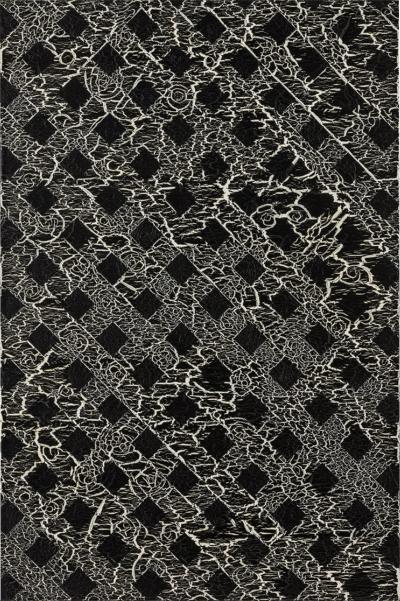
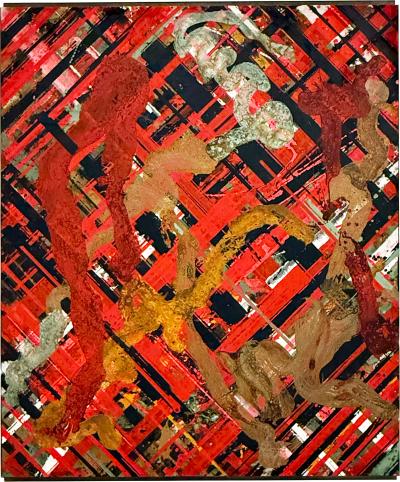
Moses was a key figure in the "Cool School" movement during the 1950s and 1960s, alongside artists like Ed Ruscha and Robert Irwin. His early works, particularly the "Rose Drawings," gained significant attention for their intricate, abstract patterns derived from a Mexican oilcloth tablecloth. One of these works is part of the permanent collection at the Los Angeles Museum of Contemporary Art.
In 1968, Moses joined the art faculty at the University of California, Irvine, where he taught until 1972. He received a Guggenheim Fellowship in 1980 and collaborated with Peter Goulds at L.A. Louver for 15 years. His later career included participation in the Whitney Biennial in 1991 and a major retrospective at the Museum of Contemporary Art in Los Angeles in 1996.
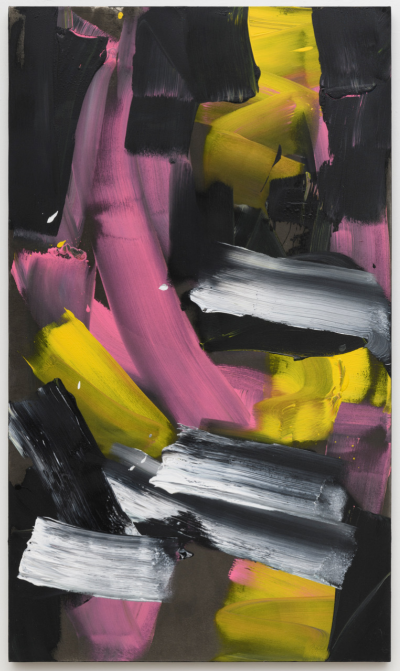
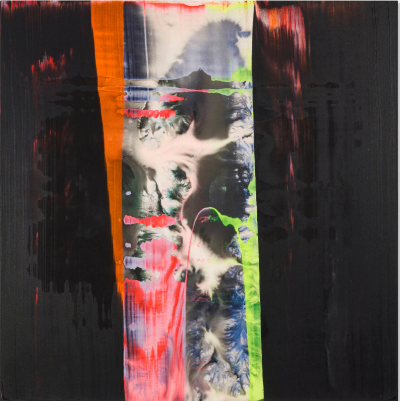
At 90, Moses unveiled a new series of paintings that employed a unique craquelure technique, which involved layering and smashing the canvas to create striking visual effects. He passed away at his home in Venice, California, leaving behind a rich legacy in contemporary art and a son, Andy Moses, who continues to contribute to the artistic community.
Born in Long Beach, California, Moses enlisted in the U.S. Navy at just 17, serving in the Medical Corps during World War II. After his military service, he initially pursued a pre-med program at Long Beach City College but soon shifted his focus to art. He studied under Pedro Miller, a graduate of the Art Institute of Chicago, and later transferred to UCLA and the University of Oregon. His commitment to art led him to hold his graduate exhibition at the Ferus Gallery, a testament to his emerging prominence in the art world.
In 1958, Moses moved to New York City, where he encountered legends of Abstract Expressionism such as Willem de Kooning and Mark Rothko. He returned to California in 1960, marrying Avilda Peters and continuing his artistic journey across various cities, including Virginia and San Francisco, before settling in Los Angeles.
Moses was a key figure in the "Cool School" movement during the 1950s and 1960s, alongside artists like Ed Ruscha and Robert Irwin. His early works, particularly the "Rose Drawings," gained significant attention for their intricate, abstract patterns derived from a Mexican oilcloth tablecloth. One of these works is part of the permanent collection at the Los Angeles Museum of Contemporary Art.
In 1968, Moses joined the art faculty at the University of California, Irvine, where he taught until 1972. He received a Guggenheim Fellowship in 1980 and collaborated with Peter Goulds at L.A. Louver for 15 years. His later career included participation in the Whitney Biennial in 1991 and a major retrospective at the Museum of Contemporary Art in Los Angeles in 1996.
At 90, Moses unveiled a new series of paintings that employed a unique craquelure technique, which involved layering and smashing the canvas to create striking visual effects. He passed away at his home in Venice, California, leaving behind a rich legacy in contemporary art and a son, Andy Moses, who continues to contribute to the artistic community.

 Loading...
