












Showrooms
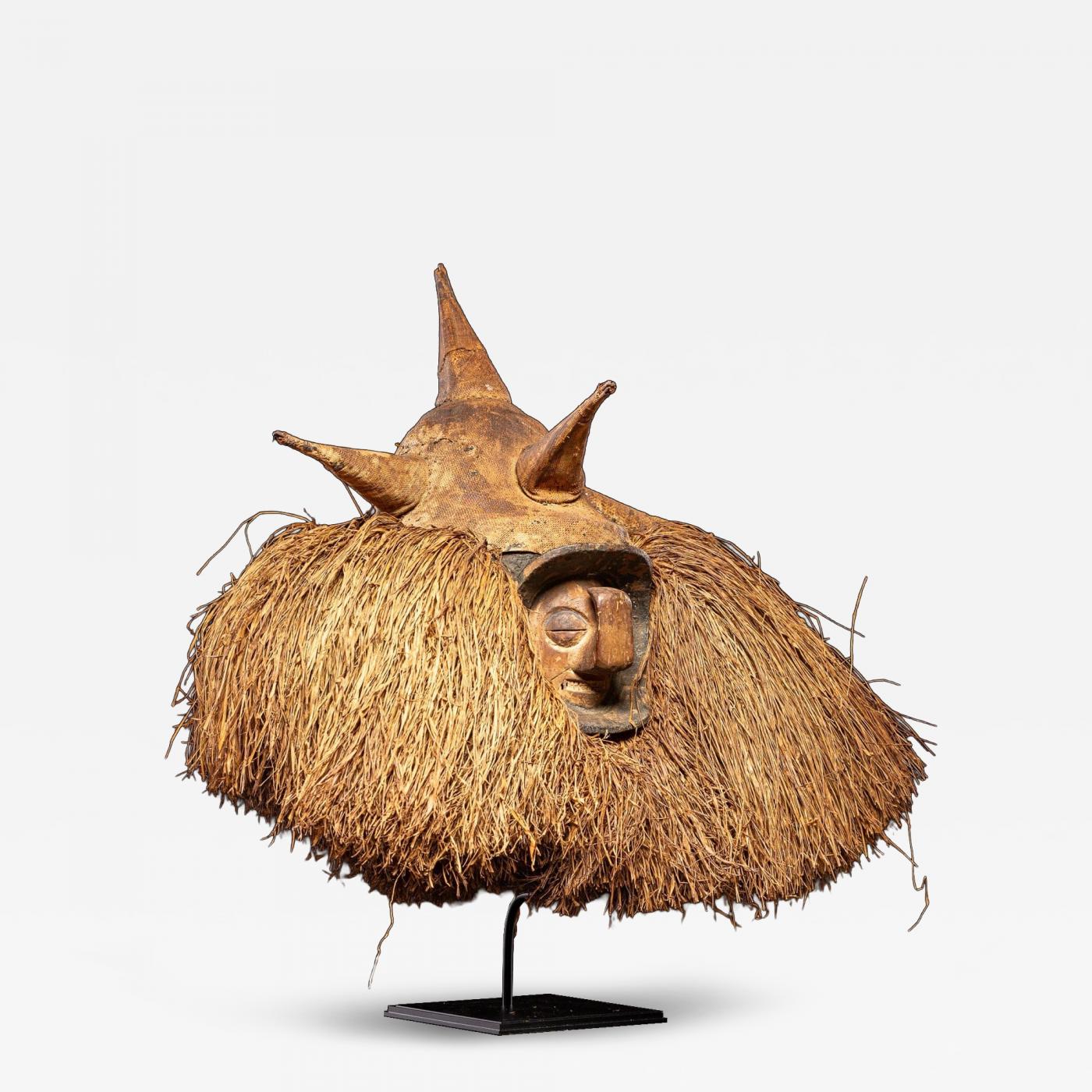
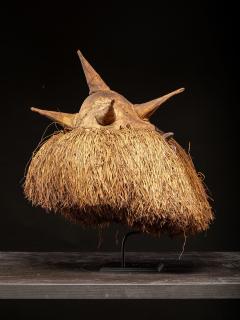
Kholuka ou Mbaala initiation-circonsicion mask, Yaka People, DRC
-
Description
1st half 20th C
Wood, raffia, cotton, polychrome
6086
Copyright The Artist
POA
Kholuka masks were worn by Yaka boys who were undergoing initiation rituals that marked their passage from adolescence to manhood. During this process, the boys traveled from their villages to a remote location where they were circumcised. Upon the conclusion of this ceremony, the adolescents took off the masks as a symbol of their re-birth into adulthood. Upon the return of the new initiates, their home communities held a celebratory dance ceremony in which these brightly painted masks were prominently featured. Kholuka masks were designed to extol traits of masculinity, and when danced would have had a large fiber beard.
This Kholuka or Mbaala mask is carved in the general shape of a paddle or an inward-facing scoop, designed to be held in front of the dancer’s face. The facial contours are accentuated by a projecting wooden frame forming a bonnet-like oval that completely encircles the face. The nose is particularly striking, extending dramatically upward in an elongated arc that curves back toward the face, nearly touching the area above the eyes. Traces of blue polychrome remain around the eyes, while the open mouth reveals a powerful dentition.Beyond its remarkable sculptural qualities, this mask stands out for the exceptional preservation of its raffia beard and cotton cloth headdress. The absence of a figurative element atop the mask further heightens the dramatic intensity of the face, solidifying its status as one of the masterpieces of the expressionist art tradition developed by the Yaka/Suku.
Les masques Kholuka étaient portés par les jeunes garçons Yaka lors des rituels d’initiation marquant leur passage de l’adolescence à l’âge adulte. Au cours de ce processus, les garçons quittaient leurs villages pour se rendre dans un lieu isolé où ils étaient circoncis. À l’issue de cette cérémonie, ils retiraient les masques en symbole de leur renaissance en tant qu’adultes.À leur retour, leurs communautés organisaient une danse cérémonielle festive dans laquelle ces masques, peints de couleurs vives, occupaient une place centrale. Les masques Kholuka étaient conçus pour exalter les traits de la masculinité et, lorsqu’ils étaient portés en danse, ils étaient accompagnés d’une grande barbe en fibres végétales.
Ce masque Kholuka ou Mbaala est sculpté dans la forme générale d’une pagaie ou d’une cuillère creuse orientée vers l’intérieur, conçu pour être tenu devant le visage du danseur. Les contours du visage sont accentués par un cadre en bois saillant, formant un ovale en forme de bonnet qui encercle entièrement le visage. Le nez est particulièrement frappant, s’étirant de manière spectaculaire vers le haut dans une courbe allongée qui revient vers le visage, frôlant presque la zone au-dessus des yeux. Des traces de polychromie bleue subsistent autour des yeux, tandis que la bouche ouverte révèle une dentition imposante.Au-delà de ses remarquables qualités sculpturales, ce masque se distingue par la conservation exceptionnelle de sa barbe en raphia et de sa coiffe en toile de coton. L’absence d’un élément figuratif au sommet du masque renforce encore l’intensité dramatique du visage, affirmant ainsi son statut de chef-d’œuvre de la tradition artistique expressionniste développée par les Yaka/Suku.
Kholuka-maskers werden gedragen door Yaka-jongens die initiatierituelen ondergingen die hun overgang van adolescentie naar volwassenheid markeerden. Tijdens dit proces verlieten de jongens hun dorpen om naar een afgelegen locatie te reizen, waar ze werden besneden. Aan het einde van deze ceremonie verwijderden de adolescenten de maskers als een symbool van hun wedergeboorte in het volwassen leven.Bij de terugkeer van de nieuwe ingewijden organiseerden hun gemeenschappen een feestelijke dansceremonie, waarin deze felgekleurde maskers een prominente rol speelden. Kholuka-maskers waren ontworpen om mannelijke eigenschappen te verheerlijken en werden tijdens het dansen gedragen met een grote baard van plantaardige vezels.
Dit Kholuka- of Mbaala-masker is gesneden in de vorm van een peddel of een naar binnen gerichte schep, ontworpen om het zicht van de danser te beperken. De contouren van het gezicht worden geaccentueerd door een uitstekende houten rand die een bonnetvormige ovaal vormt en het gezicht volledig omcirkelt. De neus is bijzonder opvallend, met een dramatische verlenging die omhoog buigt en terugkrult naar het gezicht, bijna het gebied boven de ogen rakend. Restanten van blauwe polychromie zijn zichtbaar rond de ogen, terwijl de open mond een krachtige tandstructuur onthult.Naast zijn opmerkelijke sculpturale kwaliteiten onderscheidt dit masker zich door de uitzonderlijke conservering van zijn raffiabaard en katoenen hoofdbedekking. De afwezigheid van een figuurlijk element bovenop het masker versterkt de dramatische intensiteit van het gezicht nog verder, waardoor het wordt erkend als een meesterwerk binnen de expressionistische kunsttraditie ontwikkeld door de Yaka/Suku.
Kholuka-Masken wurden von Yaka-Jungen getragen, die Initiationsrituale durchliefen, die ihren Übergang von der Jugend zum Erwachsensein markierten. Während dieses Prozesses verließen die Jungen ihre Dörfer und begaben sich an einen abgelegenen Ort, wo sie beschnitten wurden. Am Ende dieser Zeremonie legten die Jugendlichen die Masken ab, als Symbol ihrer Wiedergeburt ins Erwachsenenalter.Bei der Rückkehr der neuen Initianden veranstalteten ihre Gemeinschaften eine festliche Tanzzeremonie, bei der diese bunt bemalten Masken eine zentrale Rolle spielten. Kholuka-Masken wurden entworfen, um männliche Eigenschaften zu verherrlichen, und wurden während des Tanzes mit einem großen Bart aus Pflanzenfasern getragen.
Diese Kholuka- oder Mbaala-Maske ist in der allgemeinen Form eines Paddels oder einer nach innen gerichteten Schaufel geschnitzt und dafür konzipiert, vor das Gesicht des Tänzers gehalten zu werden. Die Gesichtskonturen werden durch einen hervorstehenden Holzrahmen betont, der eine haubenartige ovale Form bildet und das Gesicht vollständig umschließt. Die Nase ist besonders auffällig und erstreckt sich dramatisch nach oben in einem langgezogenen Bogen, der sich zurück zum Gesicht krümmt und fast den Bereich über den Augen berührt. Reste blauer Polychromie sind um die Augen sichtbar, während der geöffnete Mund ein markantes Gebiss enthüllt.Neben seinen bemerkenswerten skulpturalen Qualitäten zeichnet sich diese Maske durch die außergewöhnliche Erhaltung ihres Raffiabartes und ihrer Kopfbedeckung aus Baumwollstoff aus. Das Fehlen eines figürlichen Elements an der Spitze der Maske verstärkt zusätzlich die dramatische Ausdruckskraft des Gesichts, wodurch sie als Meisterwerk der expressionistischen Kunsttradition der Yaka/Suku
Provenance
Colonial private collection E.C. -
More Information
Period: 1900-1919 Creation Date: 1st half 20th C Styles / Movements: Traditional Incollect Reference #: 817236
Message from Seller:
Spectandum, a by-appointment gallery in Leuven, Belgium, can be reached at contact@spectandum.com 32475648678. The gallery specializes in Natural History, Ethnography, European works of art, antiquities, and rare curiosities sourced from around the world.
More Listings from Spectandum View all 173 listings
-
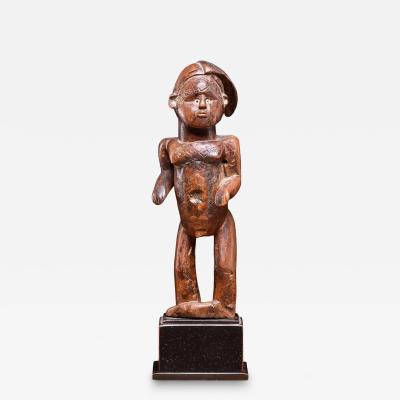
Bwende Standing Statue with scarified body, DRC
-
21st C., Expressionism, Animal Painting, Auzoux's Troglodytes Gorilla's

-
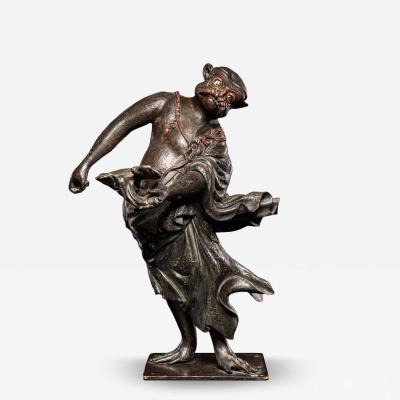
Wooden sculpture of a Dancing Tengu, Late Edo–Meiji Period, Japan
-
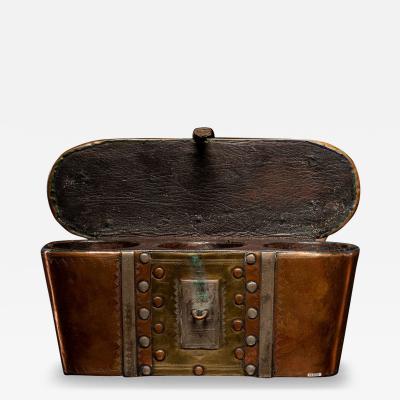
Tuareg Container, Welo Province, Ethiopia
-
Collection of 6 Antique Chinese Opium Boxes enameled with decorative patterns

-
Kongo People, DRC.Lidded Wicker Basket - Container
-
Counter top Cigar store Northern American Indian statue, Unknown artist
-
Decorative Ceramic Centerpiece Plate
-
Ejagham skincovered Antilope Crest Mask
-
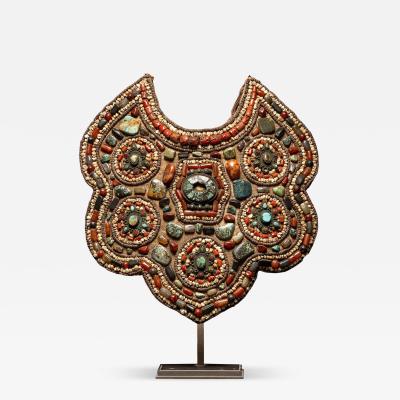
Tibetan antique Pectoral, Turquoise and Fossil Coral from Himalaya
-
17th C, Baroque, Hunting Scene, Wild Boar Hunt

-
Early 20th C, DRC, Selection of three Bark cloth Beaters

-
Two vintage Danish Safari chair in tan leather by Kaare Klint for Rud Rasmussen

-
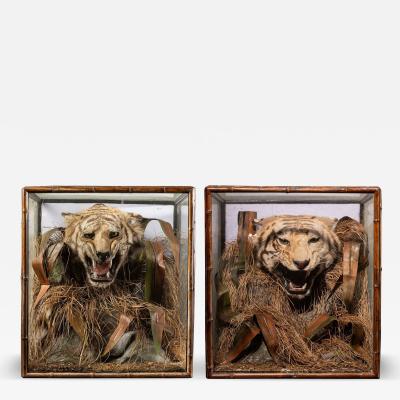
A pair of 19th C cased Indian Tiger Trophies - Rowland Ward Bamboo style