













Showrooms
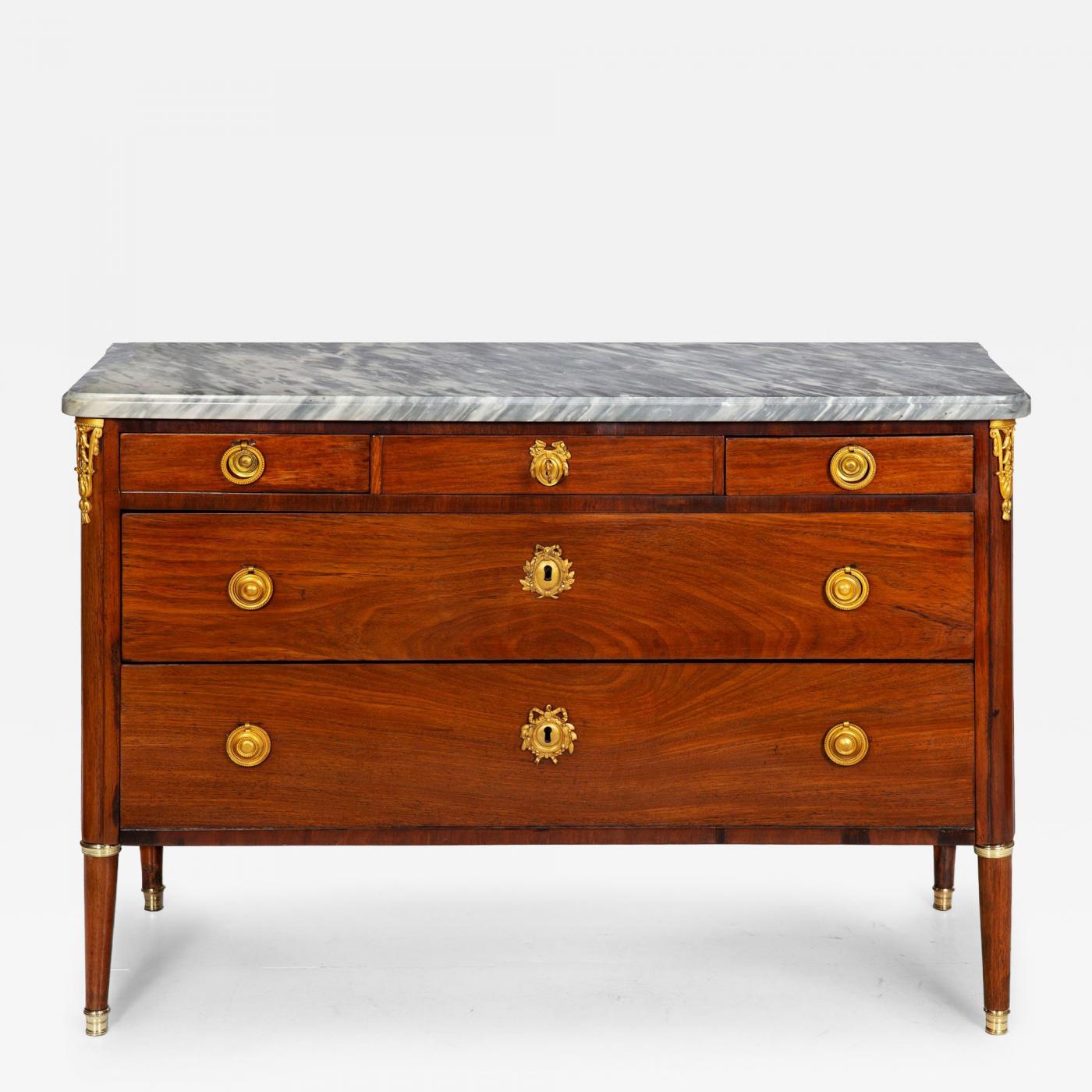
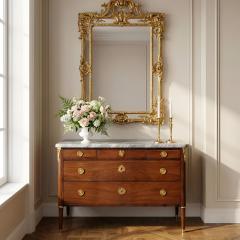
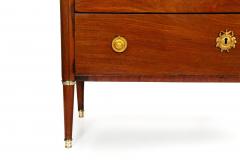
French Louis XVI Period Mahogany Commode, stamped by J. Canabas ca. 1775
-
Description
FINE LOUIS XVI MAHOGANY MARBLE-TOP COMMODE
Executed by Joseph Gegenbach known as Canabas
Stamped to top corner of commode (beneath marble) J. CANABAS
Paris, circa 1775
35" H x 22 1/8" D x 50" W
ref. 512SAN08Z
A very fine solid mahogany commode by Joseph Gegenbach, known as Canabas. It features an early and likely original marble top with shaped rear corners projecting over a simple facade of three smaller drawers stacked over two full-width drawers. Note the inordinate attention to detail in selecting matched mahogany planks for the lower drawers, which together create a mesmerizing ovular ray in the grain profile. Each drawer is hung with original circular ring hardware, the center keyhole escutcheons each unique from one another with a lively display of laurel leaves and ribbons. The corners are hung with falling anthemions in the pierced gilt bronze while the legs are mounted with polished brass rings and sabots. A very refined presentation devoid of any excess.
Condition: Apparently original marble top. Numerous areas of veneer patching, including several very old patches that have discolored against the sun-bleaching of the surface and are now more obvious (bottom edge of lower drawer). Brasses and mounts appear to be original, these with grime build-up and later re-gilding, one ring missing on back leg; screws replaced on mounts; retains one working key (originality unknown). Back legs slightly out of square, though very stable and not obvious; all legs showing economy in their veneer treatments, the backs and unseen parts left without veneer (not a condition note, but rather economy of construction). Old inactive pest damage. Very sturdy, strong and functional - ready to place.
Joseph Gengenbach, called Canabas
French cabinetmaker of German origin
Born 1715, died 1797
Maître ébéniste: 1 April 1766
Joseph Gengenbach, known as Canabas, was a highly skilled cabinetmaker (ébéniste) and joiner active in Paris during the second half of the eighteenth century. Of German origin, he arrived in Paris in the 1740s and established himself within the Faubourg Saint Antoine, the principal center of Parisian furniture production. Before obtaining his maîtrise, he worked as an ouvrier privilégié, a status that allowed him to operate outside the guild system while supplying established masters and marchand ébénistes.
Archival records document his collaboration with leading cabinetmakers of the period, notably Jean François Oeben and Pierre Migeon. The workshop account books of Migeon, who also acted as a dealer, record regular deliveries of furniture by Canabas through 1761. These records confirm that Canabas was already producing finished furniture of sufficient quality to be sold under prominent commercial names well before he became a master in his own right.
Canabas received his letters of maîtrise on 1 April 1766 and subsequently operated independently from the Grande Rue du Faubourg Saint Antoine. His clientele included private patrons as well as respected marchand ébénistes, among them the Presle brothers. From this point onward, he developed a distinct and highly recognizable body of work centered on small, practical pieces of furniture designed for specific domestic uses.
His production is characterized by a rigorous functionalism and an exceptional level of craftsmanship. Canabas favored mahogany of unusually fine quality, notable for its deep color and tight grain, which he employed both in solid form and as veneer. Decorative excess was deliberately avoided. Excessive ormolu mountings are rare while ornament is typically limited to restrained moldings and carefully proportioned architectural elements. The refinement of his work lies in precision of joinery, surface finish, and thoughtful design rather than applied decoration.
Stylistically, a small portion of his output reflects the Transition style, with lightly curved legs and lingering Rococo forms. The majority of his work, however, aligns with the Louis XVI aesthetic, marked by straight legs, geometric clarity, and an emphasis on balance and proportion. His furniture was conceived to meet precise functional needs, often incorporating mechanical ingenuity or adaptable features.
Canabas was among the earliest cabinetmakers in France to specialize in furniture intended for use during meals or social gatherings in the absence of servants. These pieces were typically lightweight, easily movable, and frequently fitted with castors. Documented models include rafraîchissoirs, guéridons, music stands, reading tables, jardinières, “serviteurs muets” or “servantes,” and other small service tables. These forms were produced in sufficient numbers to suggest sustained demand and commercial success, the overall forms being modest and economical.
Following the disruptions of the French Revolution, Canabas resumed a prosperous practice under the Directory. An inventory and sale notice issued after his death in 1797 records a wide range of furniture remaining in his workshop, including secretaries, commodes, desks, guéridons, sliding tables, night tables with cylinder fronts, consoles, dressing tables for men and women, chiffonnières, and office armchairs. The majority are described as executed in solid mahogany, accented with copper, and made “in the best taste,” underscoring the consistency of his materials and design philosophy throughout his career.
Works by Canabas are preserved in major museum collections, including writing desks, mechanical tables, rafraîchissoirs, and lecterns, attesting to both the originality and durability of his designs. His reputation today rests on a coherent and disciplined approach to furniture making that anticipated later developments in functional domestic design while maintaining the highest standards of eighteenth century Parisian craftsmanship.
Le Mobilier français du XVIIIe siècle, Pierre Kjellberg, Les Éditions de l’Amateur, 1989
Les ébénistes du XVIIIe siècle, Comte François de Salverte, Les Éditions d’Art et d’Histoire, 1934
L’Art et la manière des maîtres ébénistes français au XVIIIe siècle, Jean Nicolay, Pygmalion, 1976
French Furniture of the Eighteenth Century, Pierre Verlet, 1991
French Cabinetmakers of the Eighteenth Century, Hachette, 1963 -
More Information
Documentation: Signed Origin: France Period: 18th Century Materials: Mahogany, Brass, Gilt Bronze, Marble Condition: Good. Creation Date: 1775 Styles / Movements: Traditional, Louis XIV Dealer Reference #: 512SAN08Z Incollect Reference #: 846249
Message from Seller:
Silla, Ltd. is a family-owned antique gallery located at 117 W Burd St., Shippensburg, PA 17257, specializing in 19th and early 20th century bronze sculptures and unique period furniture. For more information or to schedule a visit, contact us at sales@sillafineantiques.com or call 717.708.9017.
More Listings from SILLA View all 375 listings
-
Seascape Painting of American Clipper Ship “Red Cloud” by Henry Scott

-
Pair of English Regency Rosewood Bookcase Cabinets att. John McLean c. 1820
-
Rare American Federal Mahogany Cylinder Desk, Baltimore or Annapolis ca. 1800
-
19th Century Pair of French Louis XVI Style Two-Light Wall Sconces Candelabra
-
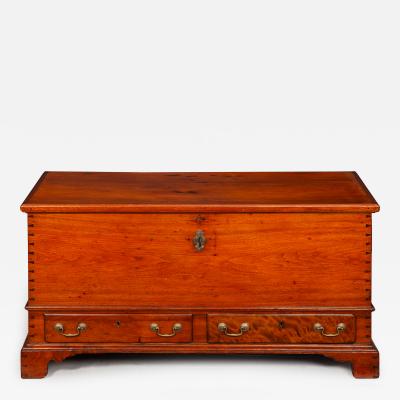
18th Century American Chippendale Walnut Blanket Chest circa 1780s
-
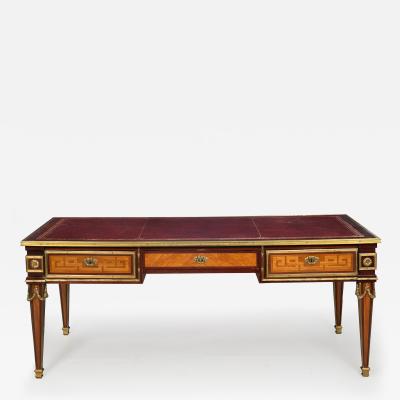
French Louis XVI Style Antique Bureau Plat Writing Desk circa 1880
-
Neoclassical Simulated Bamboo Giltwood Console Pier Table, 20th century

-
Fine Maritime Seascape Painting of American Clipper Ships by Henry Scott

-
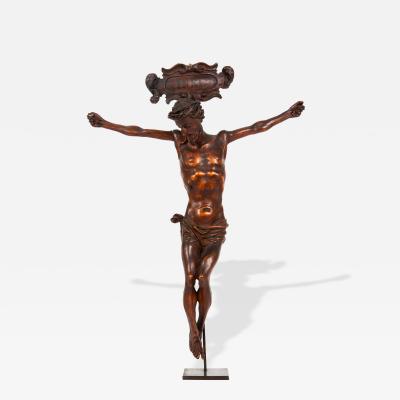
18th Century Finely Carved Boxwood Corpus Christi on Stand
-
A Fine 36” H French Antique Bronze Sculpture “Victory” by Eugene Marioton

-
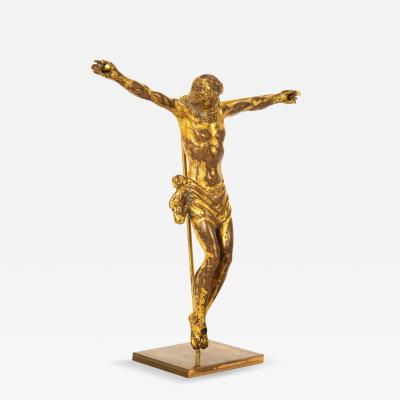
Fine German Renaissance Gilt Bronze Corpus Christi, 17th/18th Century
-
French Louis XV Style Kingwood Marble Top Bibliotheque Cabinet
-
Fine Pair of American Classical Mahogany Card Tables, Massachusetts ca. 1820
-
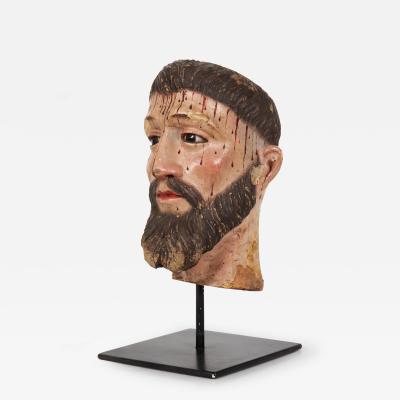
Spanish Polychromed Carved Head of Christ as Ecce Homo, early 18th century