











Showrooms
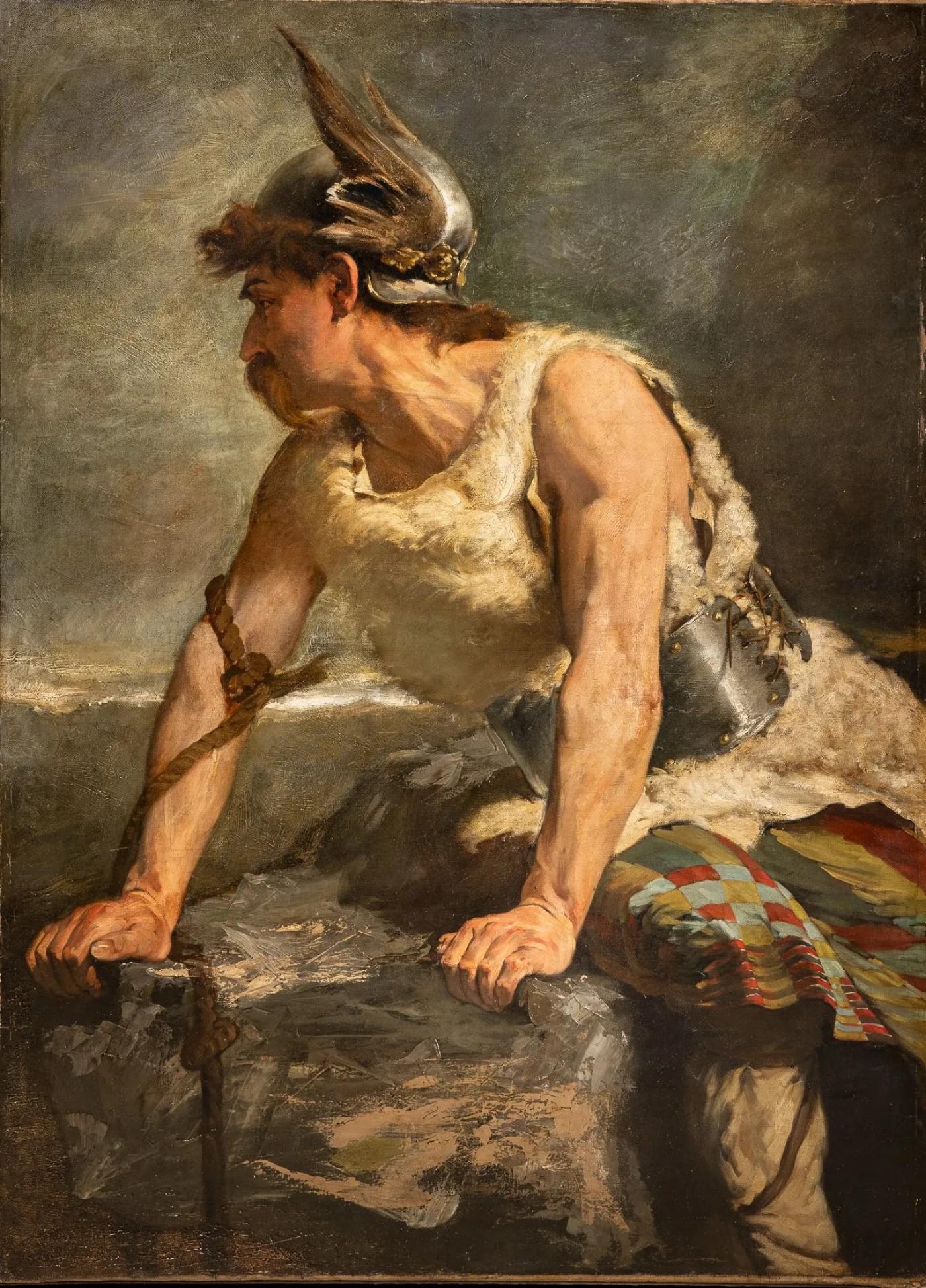
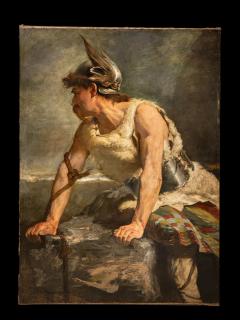
19th Century Portrait of a Germanic Warrior Chief Wearing a Winged Helmet
-
Description
19th Century Portrait of a Germanic Warrior Chief Wearing a Winged Helmet
19th Century
Oil on canvas
110 x 150 cm
43 1/4 x 59 in
6252
€ 9,500.00
Provenance
Private collection Belgium
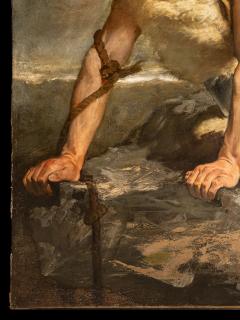
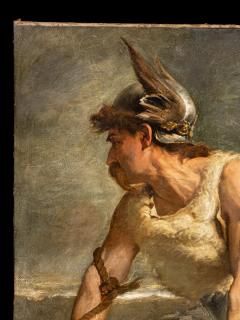
Expressive character study depicting a moustached warrior in profile, wearing a winged helmet and draped in animal fur. Executed with vigorous and assured brushwork, the work belongs to the Romantic tradition of northern European historical painting cultivated during the second half of the nineteenth century.
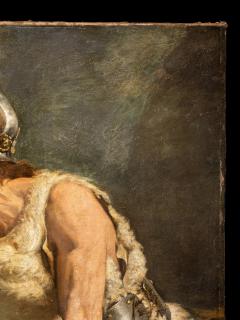
The figure represents an imagined Germanic warrior rendered through the romanticized visual language of the period rather than archaeological reconstruction. The winged helmet, exposed torso, fur garment, and powerful physiognomy combine elements associated with nineteenth-century depictions of the ancient Germanic tribes and the heroic peoples of northern Europe. Such subjects enjoyed considerable popularity within both the Belgian and German academic traditions, where artists sought dramatic and emotionally charged evocations of the distant past.
Stylistically, the painting shows affinities with the Antwerp academic school and with painters working within the broader northern European Romantic tradition.The energetic handling of the paint surface and the unfinished background suggest that the present work may have functioned as an atelier study, modello, or preparatory fragment for a larger historical composition.
The strong profile, animated brushwork, and heroic characterization exemplify the continued appeal of Romantic history painting in late nineteenth-century northern Europe.
Étude de caractère expressive représentant un guerrier moustachu de profil, coiffé d’un casque ailé et drapé de fourrure animale. Exécutée avec une touche vigoureuse et assurée, l’œuvre s’inscrit dans la tradition romantique de la peinture historique nord-européenne développée durant la seconde moitié du XIXe siècle.
La figure représente un guerrier germanique imaginaire, traité à travers le langage visuel romantisé de l’époque plutôt qu’à partir d’une reconstruction archéologique. Le casque ailé, le torse dénudé, le vêtement de fourrure et la physionomie puissante associent des éléments caractéristiques des représentations du XIXe siècle des anciennes tribus germaniques et des peuples héroïsés de l’Europe du Nord. De tels sujets connurent une grande popularité au sein des traditions académiques belge et allemande, où les artistes recherchaient des évocations dramatiques et émotionnellement chargées d’un passé lointain.
Sur le plan stylistique, la peinture présente des affinités avec l’école académique anversoise ainsi qu’avec les peintres de la grande tradition romantique nord-européenne. Le traitement énergique de la matière picturale et l’arrière-plan inachevé suggèrent que l’œuvre a pu servir d’étude d’atelier, de modello ou de fragment préparatoire pour une composition historique plus ambitieuse.
Le profil puissant, la touche animée et la caractérisation héroïque illustrent la permanence de l’attrait exercé par la peinture d’histoire romantique dans l’Europe du Nord de la fin du XIXe siècle.
Expressieve karakterstudie van een besnorde krijger in profiel, getooid met een gevleugelde helm en gehuld in dierenbont. Uitgevoerd met een krachtige en zelfverzekerde penseelvoering behoort het werk tot de romantische traditie van de Noord-Europese historieschilderkunst zoals die in de tweede helft van de negentiende eeuw tot bloei kwam.
De figuur stelt een imaginaire Germaanse krijger voor, weergegeven volgens de geromantiseerde beeldtaal van de periode eerder dan op basis van een archeologisch verantwoorde reconstructie. De gevleugelde helm, het ontblote bovenlichaam, het bontgewaad en de krachtige fysionomie verenigen elementen die kenmerkend zijn voor negentiende-eeuwse voorstellingen van de oude Germaanse stammen en de heroïsche volkeren van Noord-Europa. Dergelijke onderwerpen genoten grote populariteit binnen zowel de Belgische als de Duitse academische traditie, waar kunstenaars streefden naar dramatische en emotioneel geladen evocaties van een ver verleden.
Stilistisch vertoont het schilderij verwantschap met de Antwerpse academische school evenals met kunstenaars werkzaam binnen de bredere Noord-Europese romantische traditie. De energieke behandeling van het verfoppervlak en de onafgewerkte achtergrond suggereren dat het werk mogelijk heeft gefungeerd als atelierstudie, modello of voorbereidende fragment voor een grotere historische compositie.
Het krachtige profiel, de levendige penseelvoering en de heroïsche karakterisering illustreren de blijvende aantrekkingskracht van de romantische historieschilderkunst in het laatnegentiende-eeuwse Noord-Europa.
Expressive Charakterstudie eines bärtigen Kriegers im Profil, mit geflügeltem Helm und in Tierfelle gehüllt. Mit kraftvollem und sicherem Pinselstrich ausgeführt, gehört das Werk zur romantischen Tradition der nordeuropäischen Historienmalerei, wie sie sich in der zweiten Hälfte des 19. Jahrhunderts entwickelte.
Die Figur stellt einen imaginären germanischen Krieger dar, wiedergegeben durch die romantisierte Bildsprache der Zeit und nicht als archäologisch genaue Rekonstruktion. Der geflügelte Helm, der entblößte Oberkörper, das Fellgewand und die markante Physiognomie vereinen Elemente, die typisch sind für Darstellungen der alten germanischen Stämme und der heroisierten Völker Nordeuropas im 19. Jahrhundert. Solche Sujets erfreuten sich sowohl in der belgischen als auch in der deutschen akademischen Tradition großer Beliebtheit, da Künstler dramatische und emotional aufgeladene Visionen einer fernen Vergangenheit schaffen wollten.
Stilistisch zeigt das Gemälde Verwandtschaften mit der Antwerpener Akademieschule sowie mit Malern der breiteren nordeuropäischen romantischen Tradition. Die energische Behandlung der Maloberfläche und der unvollendete Hintergrund lassen vermuten, dass das Werk als Atelierstudie, Modello oder vorbereitendes Fragment für eine größere historische Komposition diente.
Das kraftvolle Profil, der lebendige Pinselduktus und die heroische Charakterisierung veranschaulichen die anhaltende Bedeutung der romantischen Historienmalerei im nordeuropäischen Kunstschaffen des späten 19. Jahrhunderts. -
More Information
Period: 19th Century Styles / Movements: Traditional Incollect Reference #: 879293 -
Dimensions
W. 43.31 in; H. 59.06 in; W. 110 cm; H. 150 cm;
Message from Seller:
Spectandum, a by-appointment gallery in Leuven, Belgium, can be reached at contact@spectandum.com 32475648678. The gallery specializes in Natural History, Ethnography, European works of art, antiquities, and rare curiosities sourced from around the world.
More Listings from Spectandum View all 180 listings
-
Kholuka ou Mbaala mask by the hand of Nkaleweni, the "Master of the Frontier”

-
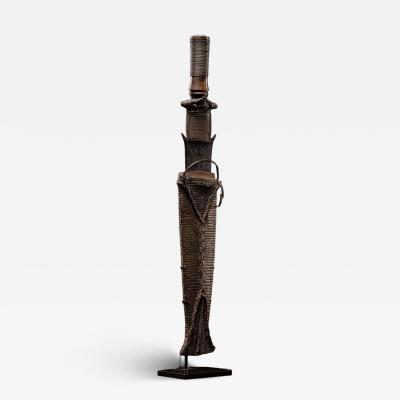
Kundu Knive-brass wrapped and tacked Hilt - wooden brass decorated Sheath, DRC

-
A cased taxidermy display of the Toad and Frog orchestra

-
18th C Vanitas (Memento Mori) Bust carved in marble, Italy

-
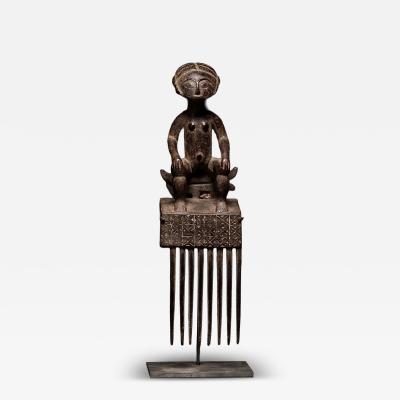
Ashanti Comb representing Female sitting Figure, Ghana
-
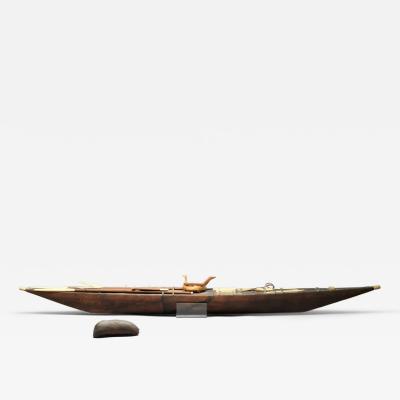
Inuit Model Kayak. Wooden frame covered with seal skin, lined with bone
-
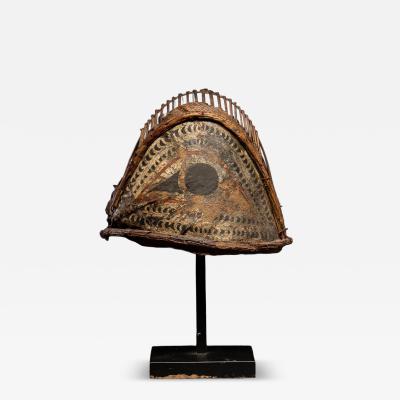
Vanuatu Hat, New Hebrides Wickerwork
-
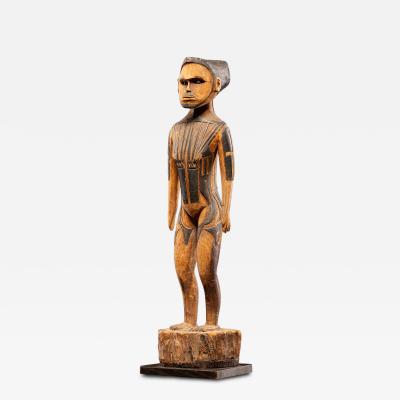
Tattooed Male Ancestor Figure, Yap Island, Federated States of Micronesia
-
Lozi Wood and Bone Flywhisk with inlaid facial sculpture, Zambia

-
Massim Pig charme sculpture, Trobiant

-
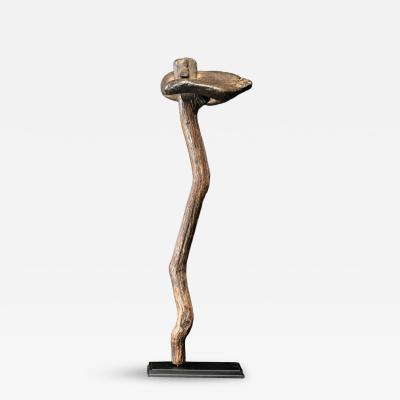
Japanese hard Wood Nyoi (Sceptre) with black rock finish
-
Bakongo Christian religious Artifact made of wood, DRC

-
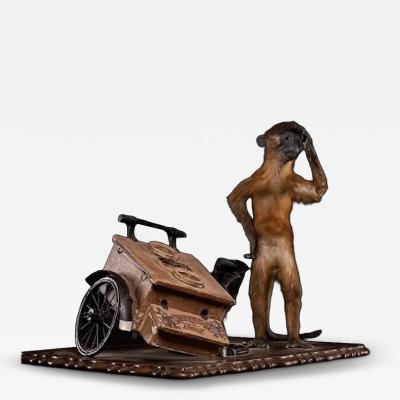
A taxidermy Golden-bellied Mangabey Monkey mounted on a wooden plinth
-
Fang Short Sword with wood and snakeskin Sheath, Gabon