










Showrooms
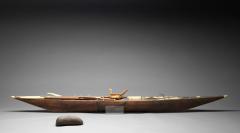
Inuit Model Kayak. Wooden frame covered with seal skin, lined with bone
-
Description
Inuit Model Kayak. Wooden frame covered with seal skin, lined with bone. Attributes complete.
1930/1940
Wood, bone, hide
12 x 12 x 155 cm
292
€ 4,900.00
The Inuit or Eskimo's of Alaska, northern Canada, and parts of Greenland mainly hunted sea animals. For that activity, they used kayaks, which means 'hunters boats'. Of course, the kayaks did not only serve as hunting equipment; they were an essential means of transport in daily life. It should therefore come as no surprise that kayaks feature in their art. The Inuit carved small sculptures of animals, humans, hunting equipment from ivory, bone and wood. This model is unique because all the hunting devices are still present: spears, harpoons, spear throwers, wood float board, bladder, paddles and other equipment used for seal hunting. Please note how well these are made in a stunning combination of wood and bone and lashed on deck underbone and sinew spear securers. In the case of the real kayak for use, the men made the boat's frame. The women, for their part, tanned the seal hides and sewed them together to make the waterproof skin of a kayak. The women would grease the seams with seal fat and fish oil to ensure they were watertight. The outer skin had to be renewed at least every two years. It had a driftwood or bone frame. Apart from the double paddle used to propel the kayak in the water, a harpoon, spear and swimming skin was also fastened to the kayak when hunting. The harpoon and spear would be tied to the boat using leather straps and would often trail in the water beside the hunter when not in use. The swimming skin or bladder would be fastened behind the paddler tied to the harpoon to prevent a speared seal from diving away from the hunter. The primary use of an Eskimo kayak was for hunting, and seals, walruses, birds and even reindeer were all hunted using kayaks at sea. -
More Information
Period: 1920-1949 Creation Date: 1930-1940 Styles / Movements: Traditional Incollect Reference #: 817254 -
Dimensions
W. 4.72 in; H. 4.72 in; D. 61.02 in; W. 12 cm; H. 12 cm; D. 155 cm;
Message from Seller:
Spectandum, a by-appointment gallery in Leuven, Belgium, can be reached at contact@spectandum.com 32475648678. The gallery specializes in Natural History, Ethnography, European works of art, antiquities, and rare curiosities sourced from around the world.
More Listings from Spectandum View all 181 listings
-
19th C, Romanticism, Landscape, Karel De San, Cattle at the Waterhole

-
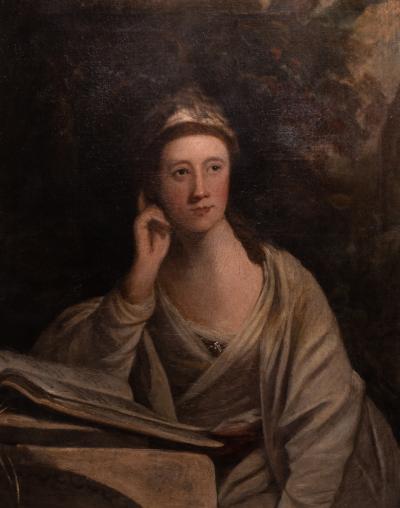
18th C, Portrait, Portrait of a Lady, Oil on Canvas, 92 x 71 cm, Framed
-
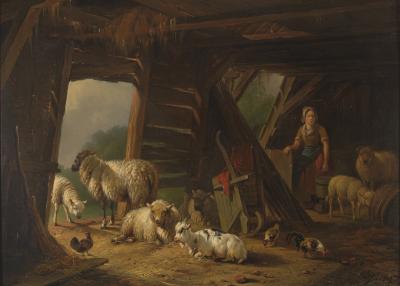
19th C, Romanticism, Genre Painting, Pieter Plas, Sheepstable, Signed
-
Classicizing Baroque, Biblical, Willem Muys, Rebekka and Eliëzer

-
17th C, Baroque, Hunting Scene, Wild Boar Hunt

-
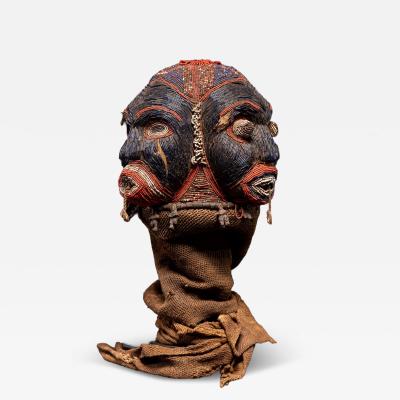
Bamileke Triple Cult head embroidered with dark blue European Glassbeads
-
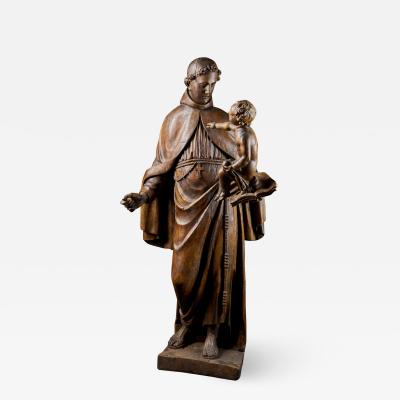
17th C, Baroque, Saint, Italian School, Wooden Sculpture of Saint Anthony
-
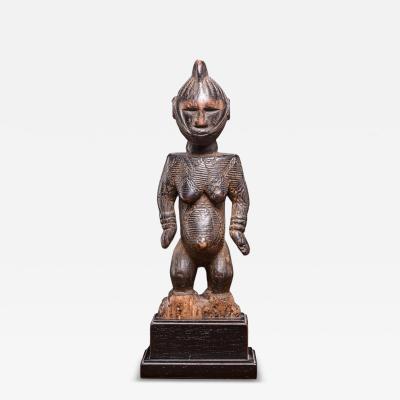
Igala scarified Maternity with infant on her back, Nigeria
-
Wooden folk-art figure, depicting a stylized feminine soul burning in Purgatory

-
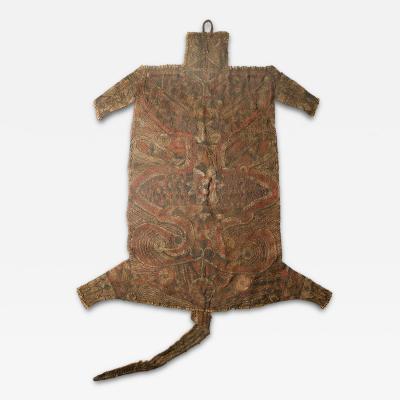
Framed Mafo embroidered Leopard skin, 'guop n'gui koko', Bamileke People
-
Kholuka ou Mbaala mask by the hand of Nkaleweni, the "Master of the Frontier”

-
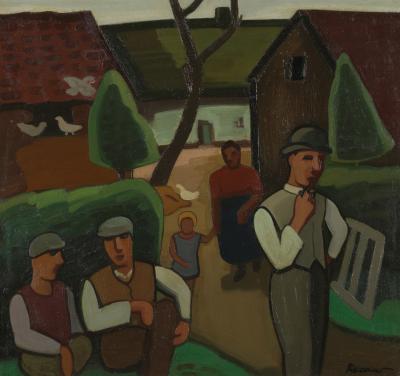
Early 20th C, Brabant Fauvism, Farming Family on a Sunday Morning, Oil on Canvas
-
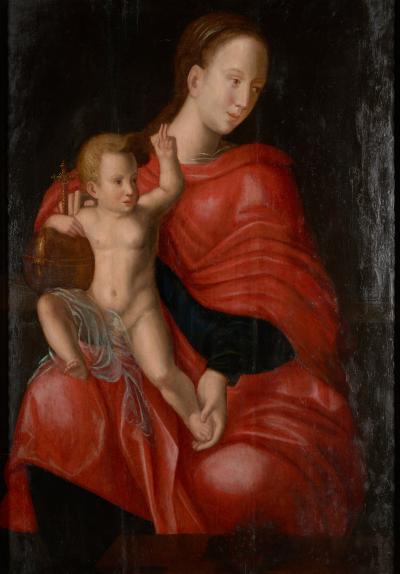
16th C?, Biblical, Manner of Joos van Cleve, Madonna with Child, Oil on Panel
-
20th C, Appel Karel (1921-2006),Masks-Artist Proof, Screen Print, Framed, Signed