











Offered by:
H&S Fine Art and Antiques
by appointment only, based in San Francisco, Bay Area
San Francisco, CA , United States
Call Seller
Showrooms
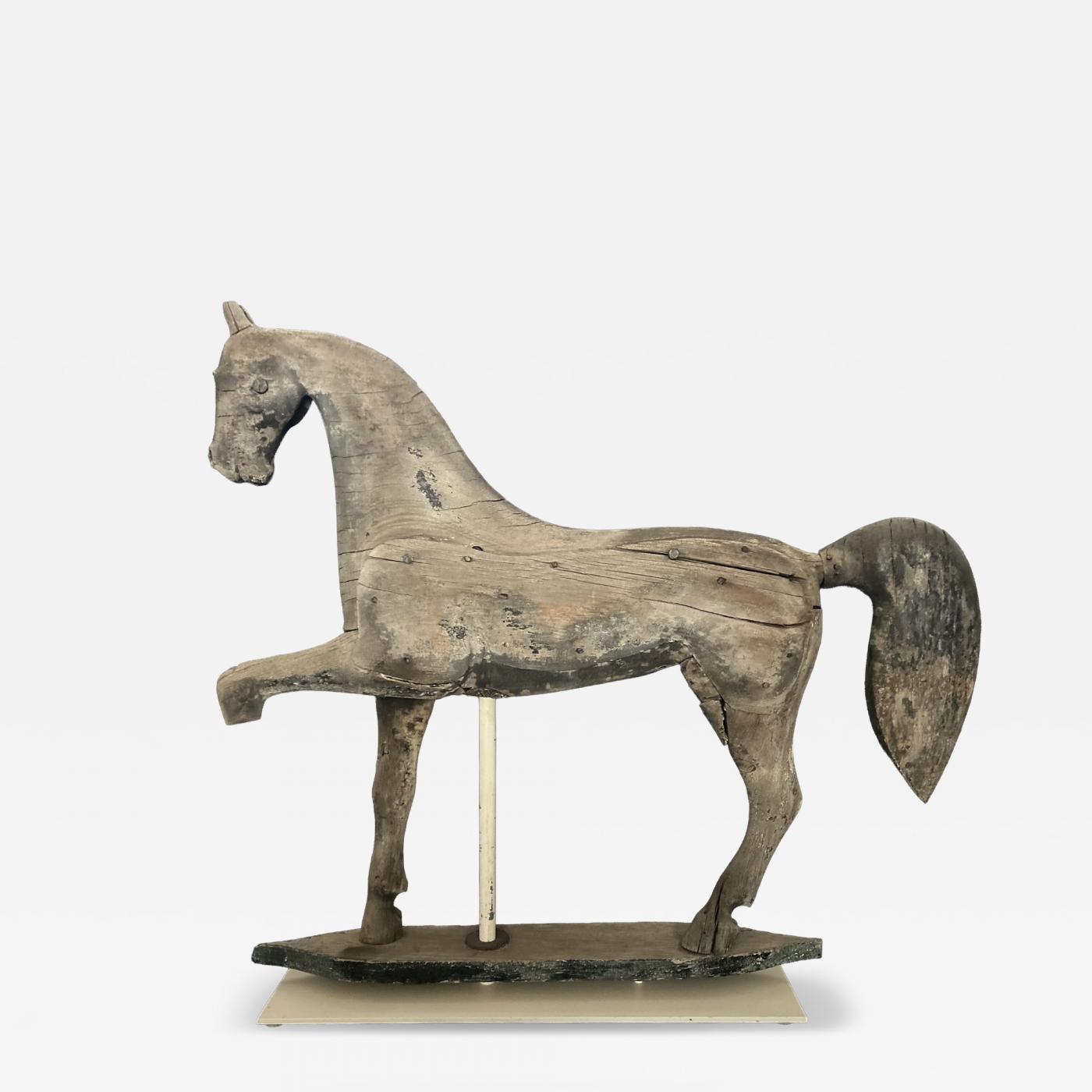
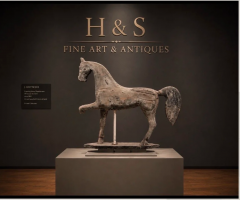
PRANCING HORSE ATTRIBUTED TO J. WHITTICKER, CIRCA 1860.
-
Description
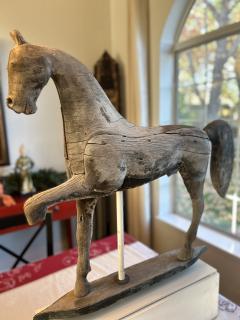
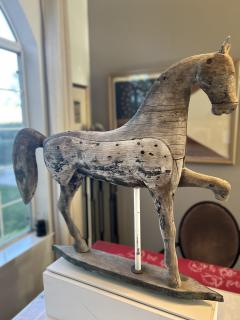
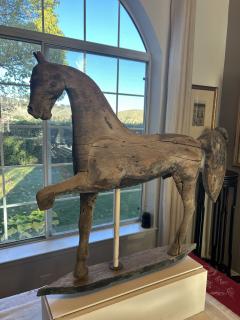
Prancing Horse Attributed to J. Whitticker, Carved wood weathervane circa 1860.
J. WHITTICKER (ATTRIBUTED)
Prancing Horse Weathervane
Winooski, Vermont, circa 1860
Carved wood with traces of original paint
Provenance:
Paquette Family, Winooski, Vermont;
Ken Arthur, Vermont;
Gaglio and Molnar, Wurtsboro, New York;
The Important American Folk Art Collection of David Teiger;
Sold to benefit the Teiger Foundation for the support of Contemporary Art.
Literature:
Kenneth Fitzgerald, Weathervanes and Whirligigs (New York: Clarkson N. Potter, 1967), p. 95;
Art & Antiques, January 1985, pp. 44–45;
Tom Geismar and Harvey Kahn, Spiritually Moving: A Collection of American Folk Art Sculpture (New York: Harry N. Abrams, 1998), cat. no. 20, illustrated in color.
Among the most compelling expressions of nineteenth-century American folk sculpture are the rare surviving wooden weathervanes fashioned by local craftsmen before the rise of commercially produced sheet-metal examples. This remarkable prancing horse, attributed to J. Whitticker of Winooski, Vermont and dating to circa 1860, represents an extraordinary survival from that formative period in American decorative arts.
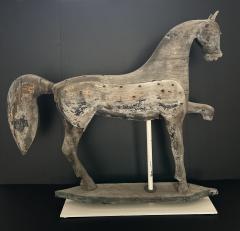
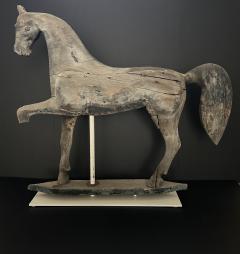
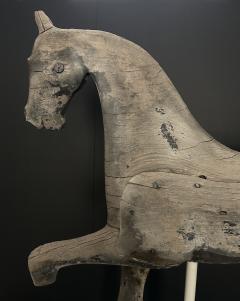
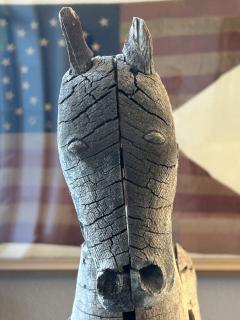
Carved entirely by hand and retaining traces of its original painted surface, the horse possesses a powerful sculptural presence characterized by its elongated neck, bold profile, and simplified forms. The weathered surface, extensive age cracks, and evidence of long exposure to the elements speak not to deterioration alone, but to a remarkable history of survival spanning more than one hundred and sixty-five years.
Created on the eve of the Civil War, this horse predates the great period of mass-produced sheet-metal weathervanes that came to dominate the American landscape in the decades following the conflict. While metal horse weathervanes are encountered with some frequency, surviving carved wooden examples are exceedingly scarce. In more than three decades of collecting and dealing in American folk art and Americana, comparable wooden horse weathervanes of this quality and character have appeared only rarely.
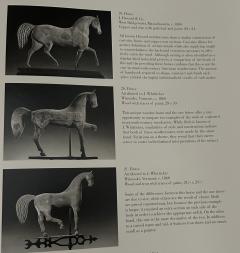
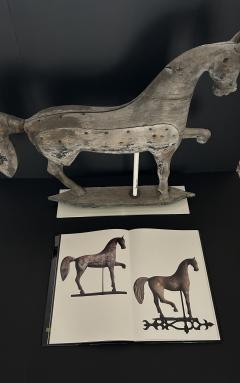
The present example is particularly distinguished by its provenance and publication history. Formerly part of the renowned David Teiger Collection, one of the most important private collections of American folk art assembled in the twentieth century, the horse is illustrated in several landmark references devoted to American weathervanes and folk sculpture. The Geismar and Kahn publication notes that this example is the larger of two similar horse vanes attributed to Whitticker formerly in the Teiger Collection.
Condition losses and structural wear, including the absence of one leg, are consistent with the object's intended use and long life outdoors. Far from diminishing its appeal, these characteristics testify to the rarity of its survival. Few wooden objects exposed to the harsh New England climate during the nineteenth century have endured with such visual power and authenticity.
Today, this remarkable horse stands not merely as a utilitarian object, but as an important example of American vernacular sculpture—a work embodying the ingenuity, craftsmanship, and enduring spirit of nineteenth-century America. Its rarity, documented provenance, and extraordinary sculptural presence place it among the most desirable forms of American folk art.
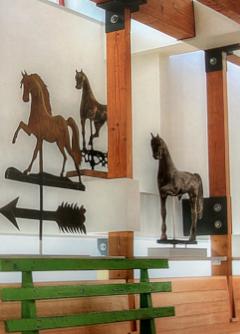
This unique wooden horse and another one in the Tieger Collection offer a rare opportunity to compare two examples of the work of a talented nineteenth-century woodcarver. While little is known of J. Whitticker, similarity of style and construction indicate that both of these weathervanes were made by the same hand. Variation on a theme, they reveal that their carver strove to create individualized interpretation of his subject. Litterature: Kenneth Fitzgerald, Weathervane and Whirligigs (New York: Clarkson N. Potter, 1967) p. 95; Art and Antiques, January 1985, pp, 44 - 45; Tom Geismar and Harvey Khan, Spiritually Moving: A Collection of American Folk Art Sculpture (New York: Harry N. Abrams, 1998) cat, no. 20, illus.. in color. This is a larger of the two similar horse vanes attributed to Whittaker in the Tieger Collection. Because it is about five inches longer and nine inches taller than the other vane, the carver had to add a piece of wood to either side to make its width proportional. -
More Information
Origin: United States Period: 19th Century Materials: CARVED WOOD Condition: Fair. fair and consistent with its age. Creation Date: CIRCA 1860 Styles / Movements: Folk Art, Americana, Traditional Patterns: Handmade, Traditional Book References: Spiritually Moving: A Collection of American Folk Art Sculpture. Weathervanes and Whirligigs ( New York: Clarkson N. Potter, 1967 ) p.95. Article References: Art & Antiques, January 1985, pp. 44-45. Incollect Reference #: 799181 -
Dimensions
W. 33 in; H. 29 in; W. 83.82 cm; H. 73.66 cm;
Message from Seller:
H&S Fine Art and Antiques is a distinguished gallery based in the San Francisco Bay Area, specializing in American folk art, decorative and modern art, as well as Oriental antiquities. With a keen eye for craftsmanship, historical richness, and aesthetics, we offer a carefully curated collection for collectors and enthusiasts alike. By appointment only. Contact us at h.s.fineartandantiques@gmail.com for inquiries.
More Listings from H&S Fine Art and Antiques View all 70 listings
-
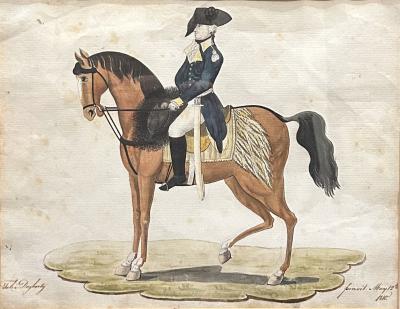
A Watercolor, Pen and Ink Drawing of George Washington on Horseback
-
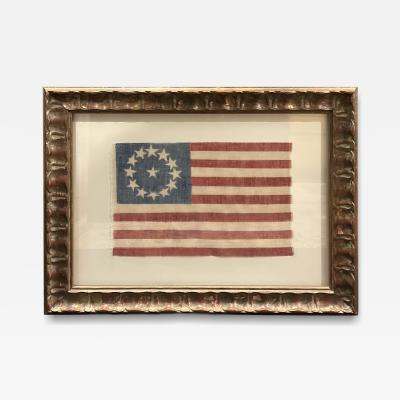
A RARE THIRTEEN STAR AMERICAN PARADE FLAG,CIRCA 1875-1895.
-
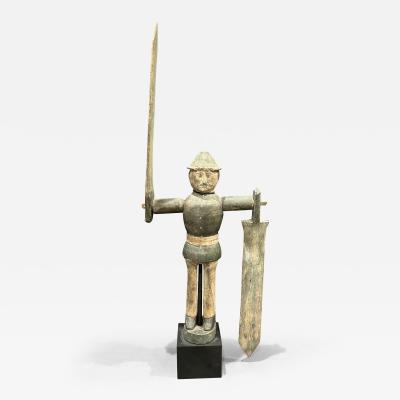
American Carved and Painted whirligig soldier.
-
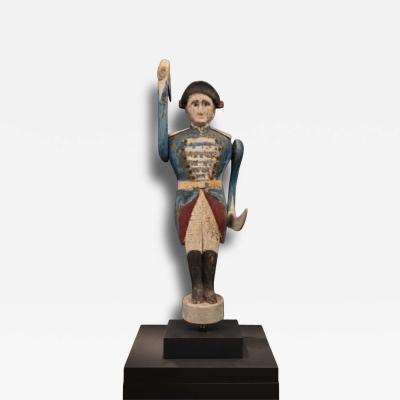
American Military Officer Whirligig An Important Nineteenth-Century American
-
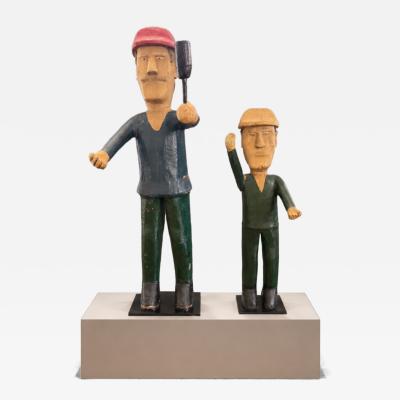
John Vivolo (American, 1886–1987) Two Production Bosses
-
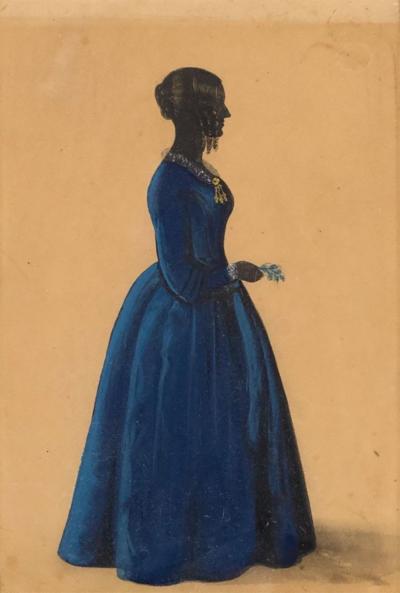
George “Angelo” Crowhurst (1795–1839) Attrib. Lady in a Blue Dress.
-
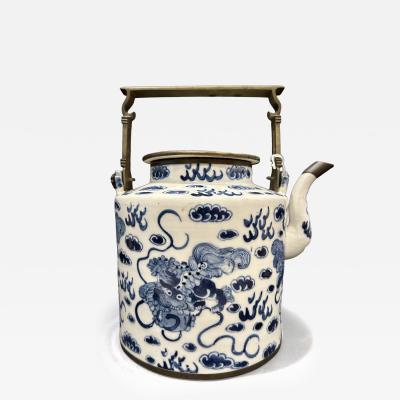
LARGE BLUE AND WHITE UNDERGLAZE PORCELAIN TEAPOT.
-
38 STAR ANTIQUE FLAG,COLORADO STATEHOOD, CIRCA 1876.
-
Francis Wheatley, R.A. Industry and Idleness, 1786.
-
A Carved Gilded Wooden Eagle, possibly Maine, 19th century.
-
WASHINGTON, MARTHA HANDMADE BRUSSELS LACE RIDING VEIL
-
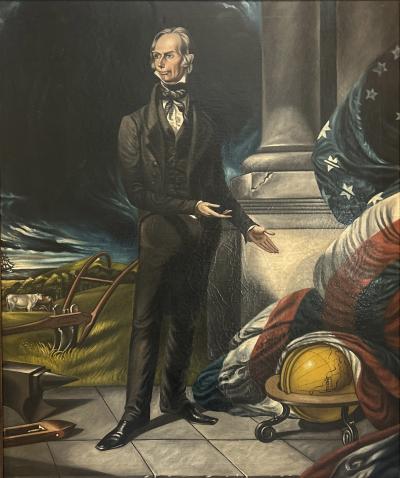
Henry Clay, American School, after John Neagle Circa 1845–1860.
-
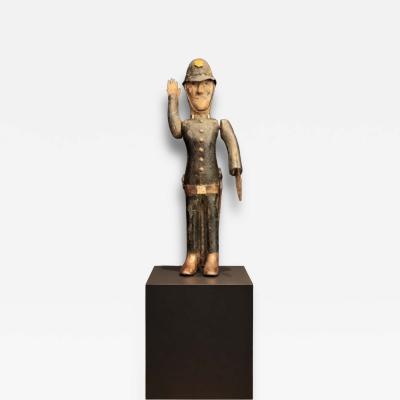
Carved Polychrome Wood Whirligig of a Policeman circa 1880–1900.
-
American Centennial Celebration Flag Stars Forming “1776–1876”