











Showrooms
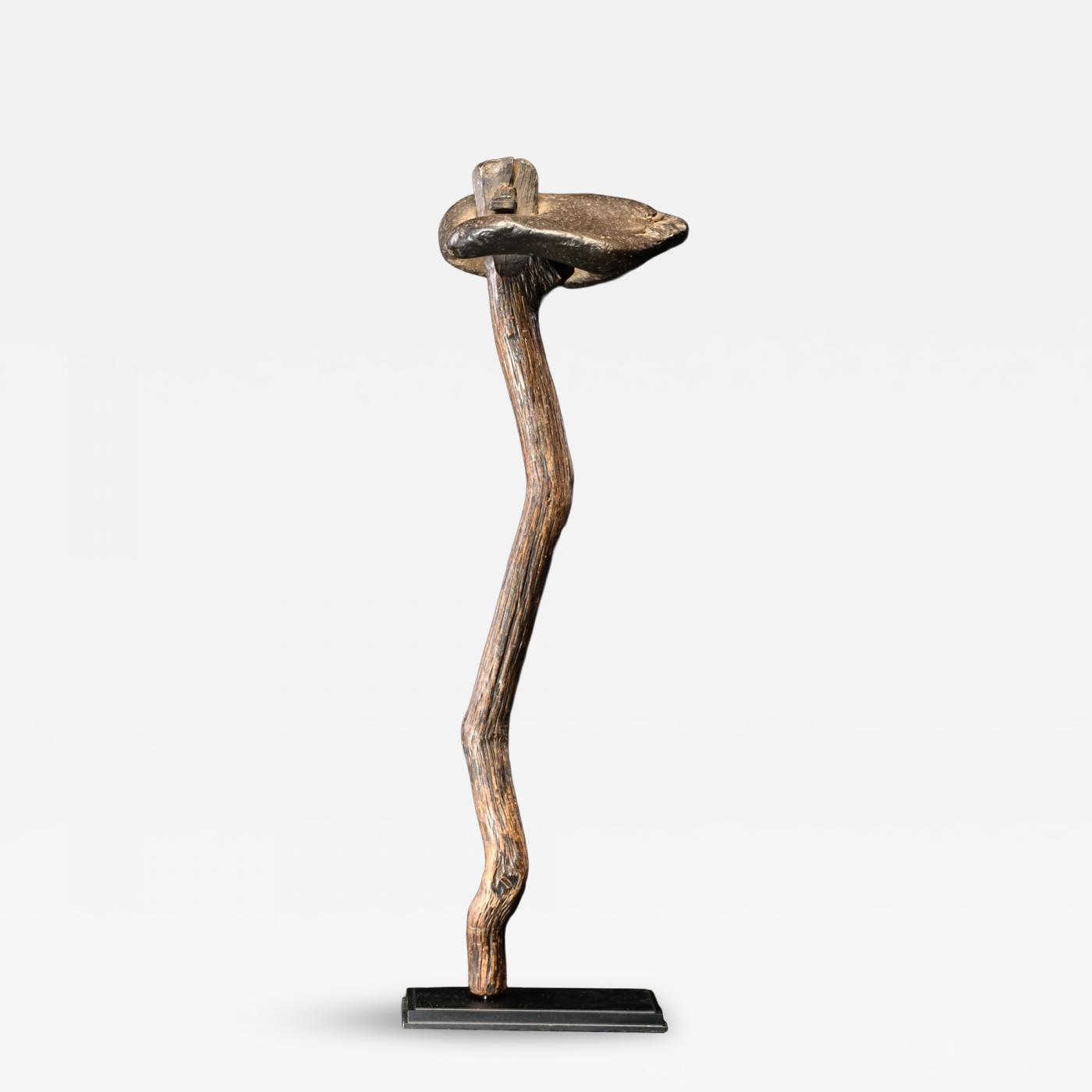
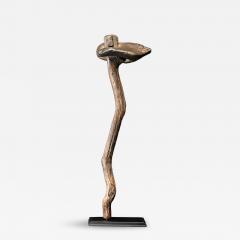
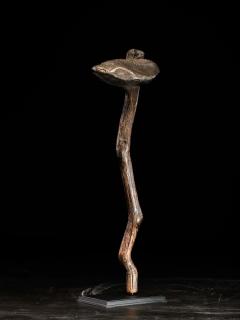
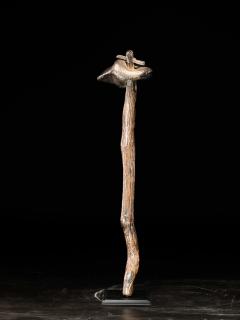
Japanese hard Wood Nyoi (Sceptre) with black rock finish
-
Description
19th C
Wood, stone,organic material
48 x 7 x 9 cm
18 7/8 x 2 3/4 x 3 1/2 in
6028
Copyright The Artist
€ 2,900.00
This fascinating artifact, a burr wood scepter attributed to a Japanese scholar, is a masterful example of late 19th-century craftsmanship. The scepter is distinguished by a striking black rock securely affixed to its finial, lending it both a commanding presence and symbolic significance. The natural burr wood, prized for its intricate grain patterns, showcases a stunning interplay of texture and form, further enhanced by the deep, rich patina that has developed over time. The artifact’s warm tones and polished surface reflect years of careful preservation, while the subtle variations in color highlight the organic beauty of the material. Such scepters were not merely ornamental; they often held cultural or spiritual importance, possibly serving as tools for meditation, ceremonial purposes, or expressions of scholarly refinement. The rarity of this piece adds to its allure, making it a prized possession for collectors and connoisseurs of Japanese antiquities. It stands as a testament to the artistry and aesthetic sensibility of its era, combining natural elements with human craftsmanship to create an object of enduring beauty and significance.
Cet artefact fascinant, un sceptre en bois de loupe attribué à un érudit japonais, est un exemple magistral de l'artisanat de la fin du XIXe siècle. Le sceptre se distingue par une pierre noire saisissante solidement fixée à son extrémité, lui conférant à la fois une présence imposante et une signification symbolique. Le bois de loupe naturel, prisé pour ses motifs veinés complexes, offre un jeu époustouflant de textures et de formes, sublimé par une patine profonde et riche qui s’est développée au fil du temps.
Les tons chaleureux de l’artefact et sa surface polie reflètent des années de préservation minutieuse, tandis que les subtiles variations de couleur mettent en valeur la beauté organique du matériau. De tels sceptres n’étaient pas de simples ornements ; ils revêtaient souvent une importance culturelle ou spirituelle, servant peut-être d’outils pour la méditation, de pièces cérémonielles ou d’expressions du raffinement intellectuel.
La rareté de cette pièce renforce son attrait, en faisant un trésor recherché par les collectionneurs et les connaisseurs d’antiquités japonaises. Ce sceptre témoigne de l’artisanat et de la sensibilité esthétique de son époque, mariant des éléments naturels au savoir-faire humain pour créer un objet d’une beauté et d’une signification durables.
Dit fascinerende artefact, een scepter van wortelhout toegeschreven aan een Japanse geleerde, is een meesterlijk voorbeeld van vakmanschap uit de late 19e eeuw. De scepter onderscheidt zich door een opvallende zwarte steen die stevig aan de top is bevestigd, wat het object zowel een imposante uitstraling als een symbolische betekenis geeft. Het natuurlijke wortelhout, gewaardeerd om zijn ingewikkelde nerfpatronen, vertoont een prachtig samenspel van textuur en vorm, verder versterkt door de diepe, rijke patina die zich in de loop der tijd heeft ontwikkeld.
De warme tinten en de gepolijste oppervlakte van het artefact weerspiegelen jaren van zorgvuldige bewaring, terwijl de subtiele kleurvariaties de organische schoonheid van het materiaal benadrukken. Zulke scepters waren niet louter decoratief; ze hadden vaak een culturele of spirituele betekenis en dienden mogelijk als hulpmiddelen voor meditatie, ceremoniële doeleinden of als uiting van intellectuele verfijning.
De zeldzaamheid van dit stuk verhoogt zijn aantrekkingskracht, waardoor het een waardevol bezit is voor verzamelaars en kenners van Japanse antiquiteiten. Het scepter getuigt van het vakmanschap en de esthetische gevoeligheid van zijn tijd, waarin natuurlijke elementen en menselijk vakwerk samenkwamen om een object van blijvende schoonheid en betekenis te creëren.
Dieses faszinierende Artefakt, ein Zepter aus Maserholz, das einem japanischen Gelehrten zugeschrieben wird, ist ein meisterhaftes Beispiel für die Handwerkskunst des späten 19. Jahrhunderts. Das Zepter zeichnet sich durch einen auffälligen schwarzen Stein aus, der sicher an der Spitze befestigt ist, was dem Objekt sowohl eine beeindruckende Präsenz als auch eine symbolische Bedeutung verleiht. Das natürliche Maserholz, geschätzt für seine komplexen Maserungsmuster, zeigt ein atemberaubendes Zusammenspiel von Textur und Form, das durch die tiefe, reiche Patina, die sich im Laufe der Zeit entwickelt hat, noch verstärkt wird.
Die warmen Töne und die polierte Oberfläche des Artefakts zeugen von Jahren sorgfältiger Konservierung, während die subtilen Farbvariationen die organische Schönheit des Materials hervorheben. Solche Zepter waren nicht nur dekorativ; sie hatten oft eine kulturelle oder spirituelle Bedeutung und dienten möglicherweise als Werkzeuge für Meditation, zeremonielle Zwecke oder als Ausdruck intellektueller Raffinesse.
Die Seltenheit dieses Stücks erhöht seinen Reiz und macht es zu einem begehrten Besitz für Sammler und Kenner japanischer Antiquitäten. Das Zepter steht als Zeugnis für die Handwerkskunst und das ästhetische Feingefühl seiner Zeit, indem es natürliche Elemente und menschliches Können miteinander verbindet, um ein Objekt von bleibender Schönheit und Bedeutung zu schaffen.
Provenance
Private collection of musician Victor Brox-UK
Private collection A.A. -
More Information
Period: 19th Century Styles / Movements: Traditional Incollect Reference #: 817659 -
Dimensions
W. 2.76 in; H. 18.9 in; D. 3.54 in; W. 7 cm; H. 48 cm; D. 9 cm;
Message from Seller:
Spectandum, a by-appointment gallery in Leuven, Belgium, can be reached at contact@spectandum.com 32475648678. The gallery specializes in Natural History, Ethnography, European works of art, antiquities, and rare curiosities sourced from around the world.
More Listings from Spectandum View all 178 listings
-
Ceremonial Bracelet (debira) with six serpent heads (torfan), Gan People
-
Ejagham skincovered Antilope Crest Mask
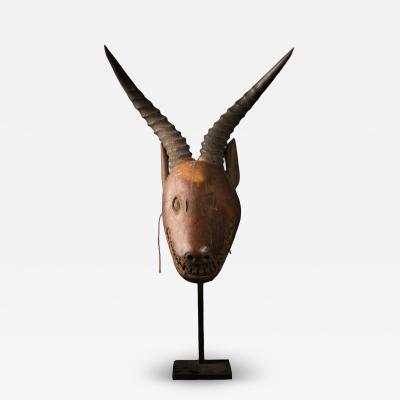
-
Two wooden witchcups mounted on birdlegs
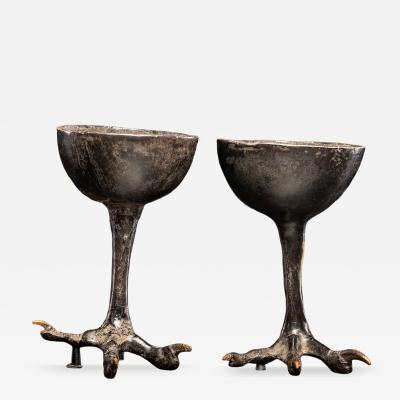
-
18th C Ottoman portrait of sultan Murat, Venetian School

-
21st C., Expressionism, Animal Painting, Auzoux's Troglodytes Gorilla's

-
Didactical Horse Skull on a wooden museum stand (Equus ferus caballus NR)

-
Kongo People, DRC.Lidded Wicker Basket - Container
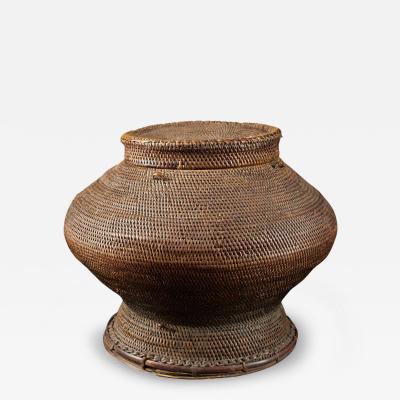
-
Decorative Ceramic Centerpiece Plate
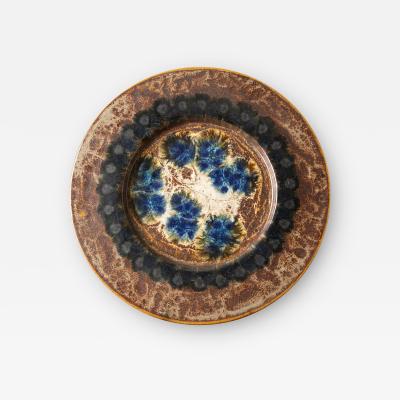
-
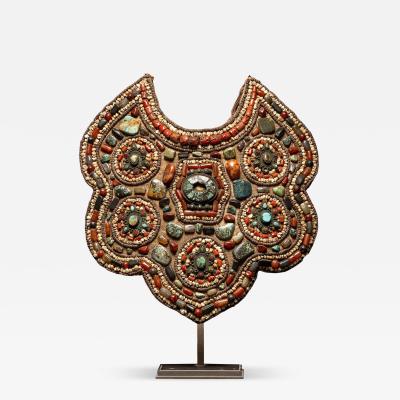
Tibetan antique Pectoral, Turquoise and Fossil Coral from Himalaya
-
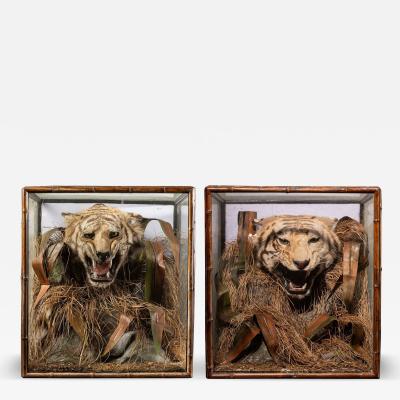
A pair of 19th C cased Indian Tiger Trophies - Rowland Ward Bamboo style
-
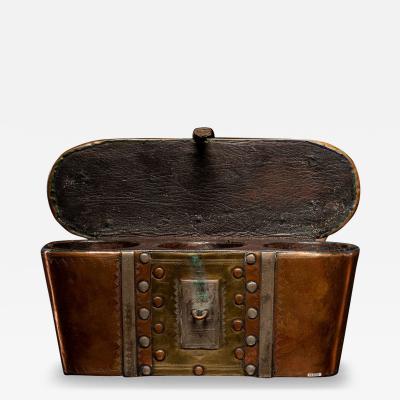
Tuareg Container, Welo Province, Ethiopia
-
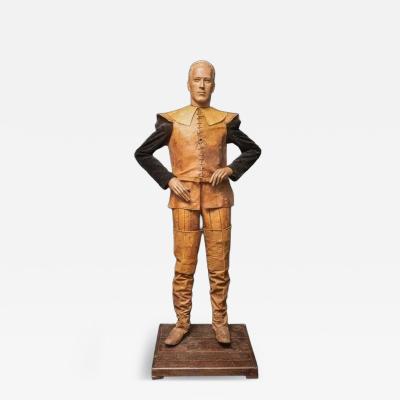
Lifesize Vintage Wooden Mannequin featuring articulated arms and legs
-
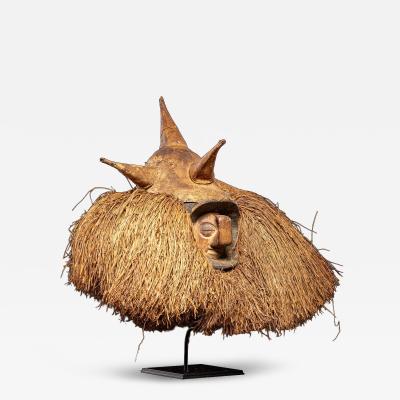
Kholuka ou Mbaala initiation-circonsicion mask, Yaka People, DRC
-
Collection of 6 Antique Chinese Opium Boxes enameled with decorative patterns

