




Listings / Fine Art / Paintings / Figurative

Showrooms
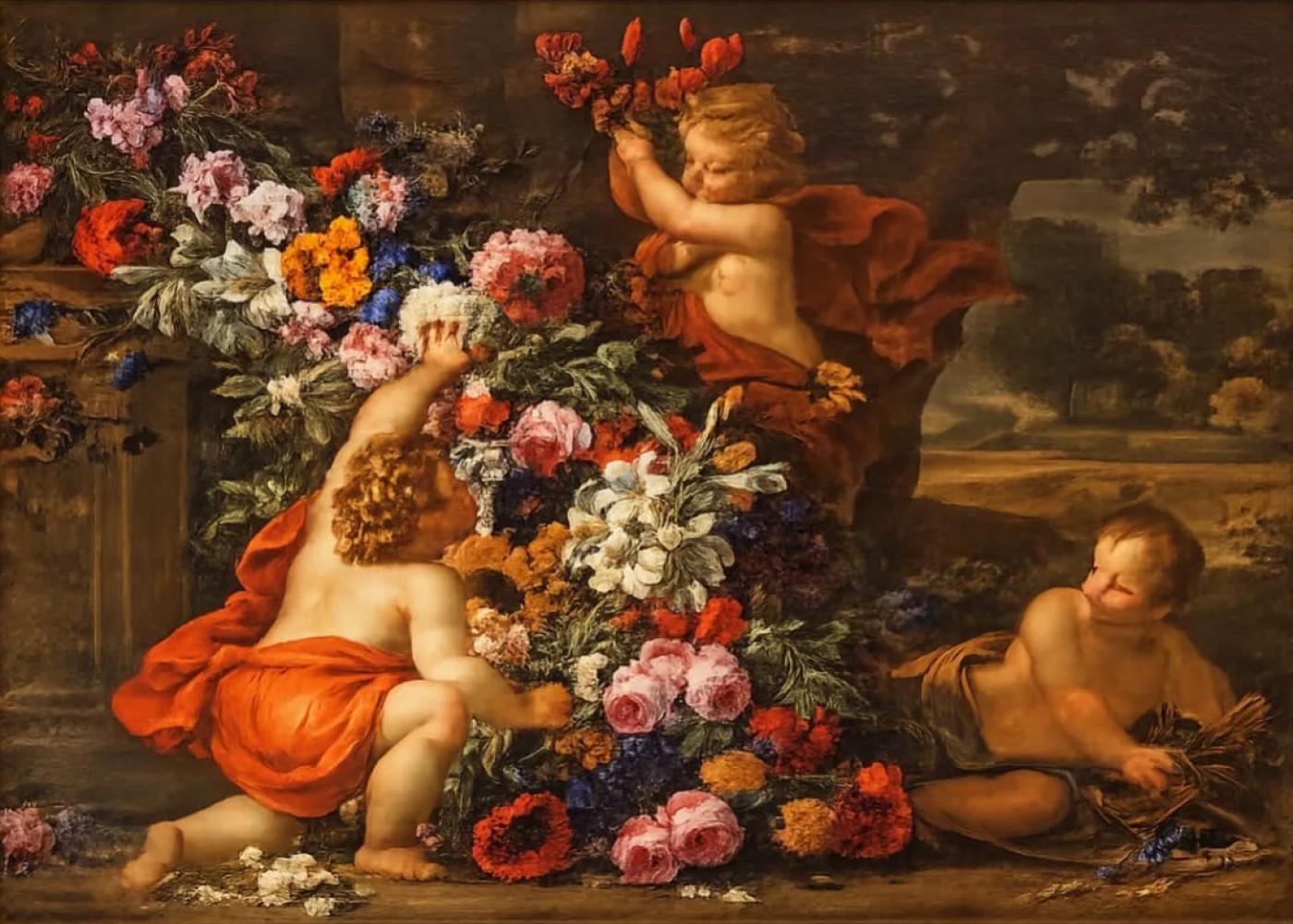
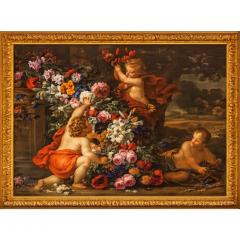
Mythological Scene "Putti With Flowers" Matthaus Terwesten (1670-1757)
-
Description
An outstanding work of the late Dutch-Flemish Baroque, created in collaboration between two masters, each having achieved perfection in his respective genre. Matthaus Terwesten (1670-1757), a representative of the Hague School and a member of the Guild of St. Luke, was responsible for the figurative part of the composition. His putti, with softly modelled forms and refined plasticity, bear the traits of the antique ideal that the artist absorbed in Rome, studying ancient sculpture and the works of Caravaggio and Carlo Maratta. They are depicted in dynamic poses, with vivid facial expressions, engaged in decorating a floral arrangement, adding theatricality and inner drama to the scene. The floral part is by Gaspar Pieter Verbruggen II (1664-1730) - one of the most distinguished Flemish masters of floral still life, heir to the rich Antwerp tradition. His bouquets are complex compositions of garden and wild flowers, painted with botanical accuracy and a subtle sense of colour. Here we see roses, peonies, lilies, dahlias, and cornflowers - each petal rendered with jeweller's precision, the harmony of cool and warm tones creating the effect of a living, breathing floral mass. The composition is arranged diagonally, typical for decorative panels of the time. The warm flesh tones of the figures and the rich, almost tapestry-like palette of the bouquet demonstrate the harmonious integration of two artistic manners: the refined plasticity of the figure (Matthaus Terwesten) and the baroque opulence of floral abundance (Gaspar Pieter Verbruggen II). Dimensions: Height: 114 cm, Width: 142 cm Medium: Oil on canvas Provenance: Private European collection; Dorotheum auction, Vienna.
Matthaus Terwesten (1670-1757) was one of the brightest representatives of the Hague School of the late Baroque. Born into an artistic family, he trained in Amsterdam, studying both Dutch classicism and the rich heritage of the Baroque. In 1692 he travelled to Italy, spending several years in Rome, where he joined the Bentvueghels - a brotherhood of Northern European artists studying antique and Renaissance art in situ. Under the influence of Italian masters, especially Caravaggio and Carlo Maratta, Terwesten developed his refined plastic language: soft modelling of the human form, dynamic figure arrangement, and clear, academic composition. Upon returning to The Hague, he became a sought-after author of monumental decorative paintings and allegorical canvases adorning the palaces and ceremonial halls of the Dutch aristocracy. Gaspar Pieter Verbruggen II (1664-1730) was a distinguished Flemish master of floral still life and a representative of a renowned Antwerp dynasty of artists whose work greatly influenced the development of the floral genre in Europe. The son of Gaspar Pieter Verbruggen I, he inherited and enhanced the family tradition, bringing it to the height of decorative richness. His manner is characterised by a rich palette, multi-tiered compositions, and precise botanical rendering. A distinctive feature of his work was frequent collaboration with figure painters, for whom he created floral garlands, bouquets, and wreaths framing mythological, allegorical, or religious scenes. The collaboration of Terwesten and Verbruggen II in the present work is a characteristic example of the late Dutch-Flemish Baroque practice of merging two highly developed genres: monumental figurative painting and decorative floral still life. This synthetic composition catered to aristocratic patrons wishing to emphasise their wealth, refined taste, and cultural sophistication. For the major European artistic centres of the late 17th and early 18th centuries, such works played not only a decorative role but also served as symbols of social status and intellectual refinement. Terwesten's putti embody the spirits of spring, love, and abundance, while Verbruggen's flowers - roses, peonies, lilies, dahlias, cornflowers - carry allegorical meanings rooted in both ancient and Christian symbolism: love, purity, prosperity, joy, and the transience of life. The viewer is thus presented with a complete artistic ensemble in which the sensuality and elegance of the figurative scene merge with the lush decorative richness of the floral composition, forming the quintessence of ceremonial painting of its time. -
More Information
Period: Pre 18th Century Condition: Good. Styles / Movements: Old Master Dealer Reference #: 749 Incollect Reference #: 883080 -
Dimensions
W. 73.62 in; H. 60.63 in; W. 186.99 cm; H. 154 cm;
Message from Seller:
Maison ANTIQON invites you to discover our exceptional collection of fine art and antiques at our premier showrooms, Maison ANTIQON in Nice, France, and Antikvariāta Centrs in Riga, Latvia. For inquiries, private appointments, or to explore our curated international heritage, please reach out to us directly at info@antiqon.com or via phone at +33 6 30 17 47 17.
More Listings from Antiqon View all 169 listings
-
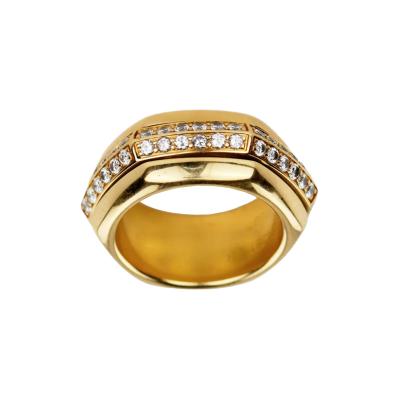
Piaget 18k Yellow Gold Ring With Diamonds. Switzerland, Late 20th Century
-
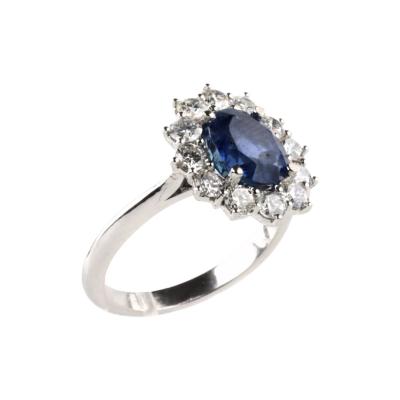
Gold Ring With Sapphire And Diamonds
-
Large Orchestral Musical Box On Stand Switzerland

-
Silver Filigree And Polychrome Enamel Vesta Case.

-
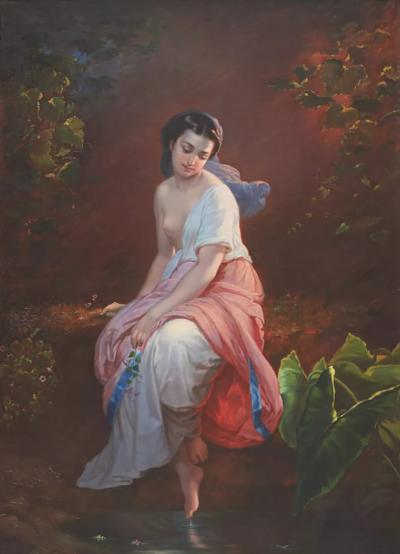
Giuseppe Mazzolini (1806-1876). Virginia. Italy, Rome, 1874
-
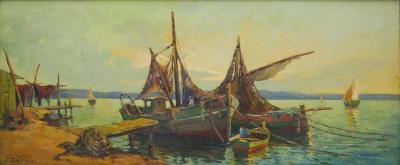
Georgy Alexandrovich Lapshin (1885-1950) Fishing Boats France, 1930s
-
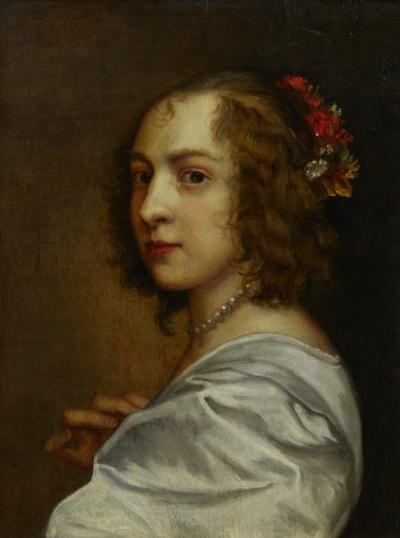
Portrait Of Margaret Lemon. Workshop Of Anthony Van Dyck. England
-
Swedish Silver Dessert Tongs In The Neo-Rococo Style. Gewe, 1934
-
French Crystal And Silver Butter Dish On A Stand. Neoclassicism
-
Rosewood Liqueur Cabinet With Mother-Of-Pearl Marquetry. France.
-
Silver Cigarette Case With Enamel Decoration Of Hares

-
Still Life With Peonies. Maximilian Maksolly. Estonia, 1930s
-
Vodka Easter Set In The Form Of An Egg, Russia, 20th Century

-
Russian Silver Bowl With Plique-A-Jour Enamel. Khlebnikov Firm. Moscow