





Listings / Furniture / Tables / Coffee Tables



Showrooms
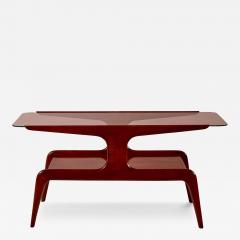
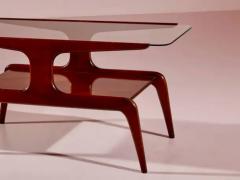
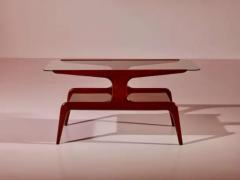
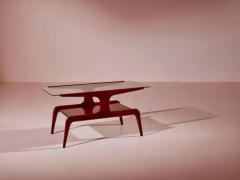
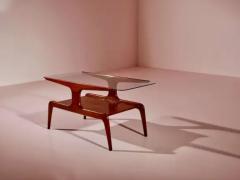
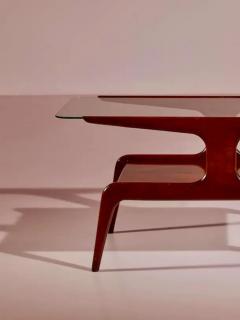
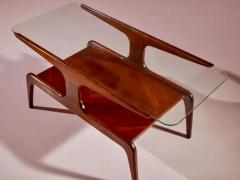
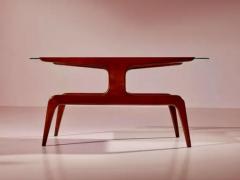
Gio Ponti low table made of African walnut wood and glass, Italy, 1950s
-
Description
Low table made of African walnut wood and glass, Italian craftsmanship, designed by Gio Ponti, 1950s.
The coffee table, an indispensable piece in the living room, has always been a testing ground for designers. By its very nature, it lends itself to being molded according to the current style and to embody a precise and recognizable design concept. This is evident in the coffee table designed by Gio Ponti in the 1950s, featuring a glass top supported by a mahogany frame. The glass, free on the sides, imparts a sense of lightness and elegance to the entire piece. This feeling harmonizes perfectly with the shape of the four legs: slightly splayed, they give a sense of movement to the entire design. Thus: lightness and movement. These two characteristics can be found as constants throughout Ponti's work, from the Superleggera chair, an archetype of all chairs, to the dynamic lines and convex shapes of many other Ponti seats.
If we want to find the perfect coexistence of lightness and movement, which we have chosen to interpret Ponti's work, we must not overlook his entire production of ceramics. In these works, both attributes are clear and recognizable: the fragility of the object/manufactured piece inspires lightness, while the delicate figures depicted on them—always stylized and recognizable for their dreamy perplexity, as if from a distant place—are presented to the observer in dynamic poses, poised in the tension of movement. Whether they are dancers, harvesters, or fantastical animals ready to leap, the rules of the game that great designers invite us to play are these: to stand before an object and try to feel what they feel. Whether it’s a majestic piece of architecture or a small piece of furniture capable of conveying something beyond its simple function, this table has been professionally restored and retains its original glass top from the period.
Dimensions:
Overall: 86 w x 45.5 d x 47 h cm
Inner top: 64 w x 40 d cm -
More Information
Documentation: Documented elsewhere (similar item) Origin: Italy Period: 1950-1979 Materials: Glass,Walnut Condition: Good. Wear consistent with age and use. Styles / Movements: Modern, Mid Century Incollect Reference #: 737908 -
Dimensions
W. 33.86 in; H. 18.51 in; D. 17.92 in; W. 86 cm; H. 47.02 cm; D. 45.52 cm;
Sold
More Listings from Linea Gallery View all 261 listings
-
Midcentury Stilnovo Style Pendant Light Made of Glass and Copper, Italy, 1960s
-
Stilux Swivel and Pivoting Floor Lamp Made of Brass and Marble, Italy, 1950s
-
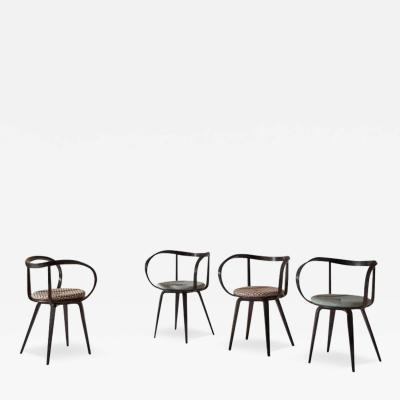
Set of Four George Nelson ''Pretzel'' Armchair Made by ICF, Italy, 1984-1986
-
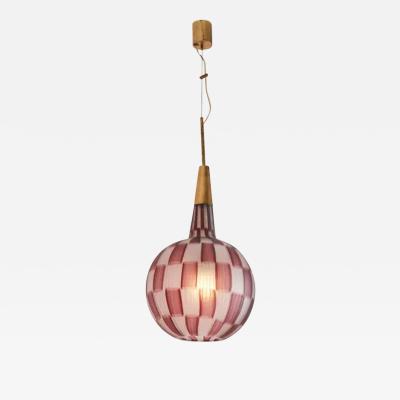
Tea Morosati pendant light by Stilnovo with Barovier & Toso glass, Italy, 1964
-
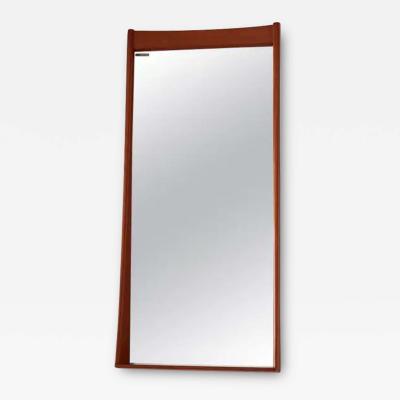
Östen Kristiansson Teak Mirror with Shelf by Luxus Vittsjö, 1950s
-
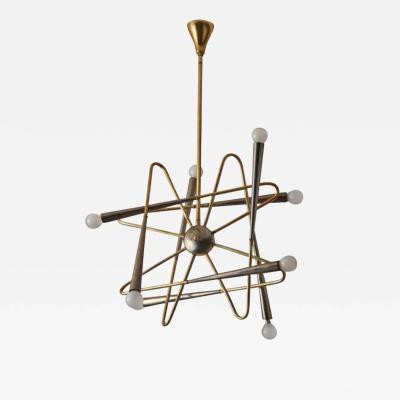
Stilnovo Sputnik Six Arms Brass Chandelier, Italy, 1960s
-
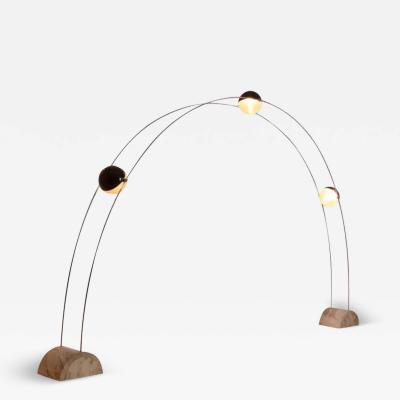
Studio A.R.D.I.T.I. for Sormani Floor Lamp Model 'Ponte' made of Marble & Metal
-
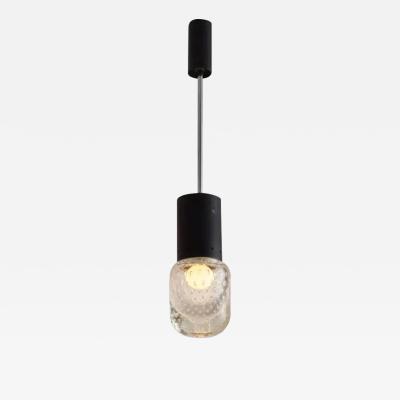
Pendant Light by Gino Sarfatti with Seguso Glass, circa 1960
-
Gio Ponti Teak and Brass Desk Designed for the BNL Offices, ISA Bergamo, 1950s

-
Set of Six Campanino Chairs by Fratelli Podestà, Chiavari 1960s, New Woven Cane

-
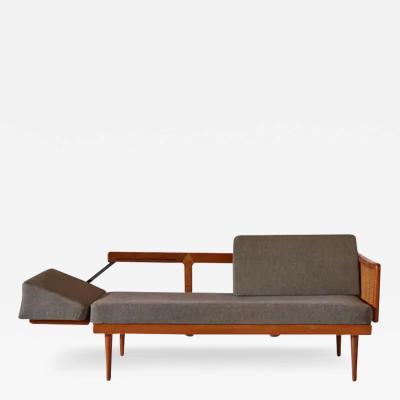
Peter Hvidt & Orla Mølgaard-Nielsen, FD 451 sofa bed for France & Søn, 1960s
-
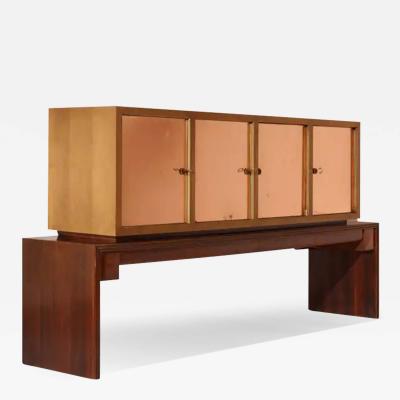
Alberto Salvati and Ambrogio Tresoldi Sideboard Cabinet with Pink Mirrors, 1960s
-
Danny Lane Hand Shaped Glass 'Shell' Coffee Table for Fiam '1989'

-
Marco Zanuso for Arflex, Italy, Pair of ''Lady'' Armchairs in Blue Cotton Velvet