












Offered by:
Thomsen Gallery
8 East 67th Street
New York City, NY 10065 , United States
Call Seller
212.288.2588
Showrooms
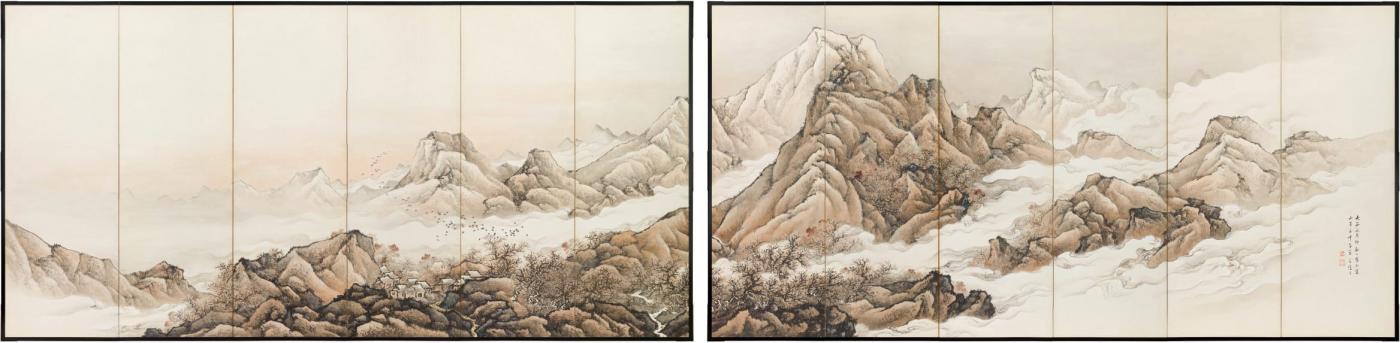
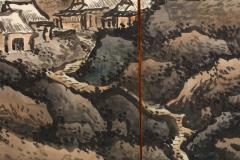
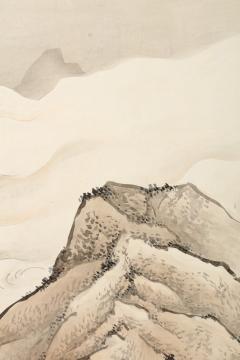
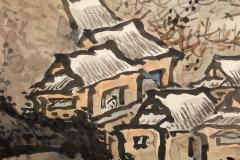
Mountain Landscape, 1916
-
Description
Eiryō Satake
Mountain Landscape, 1916
Pair of six-panel folding screens; ink and light colors on paper
Size each screen 64¼ x 130 in. (163.3 x 330 cm)
T-4576
Born in Asakusa, Tokyo (original name: Kuroda Ginjurō), from age 15 Satake Eiryō studied Nanga (Chinese-inspired Japanese painting) under Satake Eiko (1835–1909), becoming his adopted son in 1899. In 1894, at age 22, he was one of only seven artists who painted in the presence of the Meiji Emperor as a member of the Japan Art Association. He was a founder-member of several painting associations including the Nihongakai (1898) and—with another famous artist Matsubayashi Keigetsu (1876–1963)—the Nihon Nangashūgakai (1906). His public exhibition career began with a Landscape with Figures at the Fifth National Industrial Promotion Exposition in 1903, and in 1907 he contributed to an unusual set of hagoita (battledores) alongside “Several Eminent Artists”. His career with the Bunten National Exhibition started in 1912 and he showed in other prestigious official salons including the Tōkyō Taishō Hakurankai (1914).
During his national exhibition years Eiryō specialized in the grandiose "neo-Nanga" manner seen in the present pair of screens. The left-hand image is compositionally similar to Azure Mountains and Green Rivers, a work shown at the 1913 Bunten, while Ink Landscape, a pair of six-panel folding screens shown at the 1915 Bunten, is a close match to the present screen in terms of format, subject, scale, ambition, and use of a Western-inflected perspective technique. One can only speculate as to why Eiryō did not participate in the 1916 Bunten but Mountain Landscape, completed shortly before that exhibition’s opening, would have made a striking visual contribution alongside imposing Nanga-style landscape screens by other artists.
In his subsequent career Eiryō exhibited with the Japan Artists’ Association and enjoyed the frequent patronage of the Imperial Household. His teacher’s teacher, Satake Eikai (1803–1874) had been a pupil of the protean Edo-period artistic genius Tani Bunchō (1763–1840) and Eiryō later became a leading scholar and connoisseur of the master’s works. In this regard, it is interesting to consider Eiryō’s screen pairs in the context of Bunchō’s late ink-painting style, including such works a pair of landscape screens on gold ground (dated 1828) in the Gitter-Yelen Collection. Bunchō’s works have a spaciousness and gravity, reminiscent of the masterpieces of seventeenth-century screen and wall painting, that might have inspired Eiryō’s project to revive this most quintessential Japanese painting format as a contribution to the art of his own time. -
More Information
Documentation: Signed Period: 1900-1919 Creation Date: 1916 Styles / Movements: Asian Art Incollect Reference #: 810818 -
Dimensions
W. 130 in; H. 64.25 in; W. 330.2 cm; H. 163.2 cm;
Message from Seller:
Thomsen Gallery, now located at 8 East 67th Street, New York City, NY 10065, specializes in important Japanese paintings, folding screens, hanging scrolls, ceramics, ikebana bamboo baskets, lacquerware, and contemporary works by select artists. Owned and directed by Erik and Cornelia Thomsen, the gallery brings decades of expertise in Japanese art to a global clientele, including private collectors and major museums. For inquiries, contact them at 212-288-2588 or info@thomsengallery.com.
More Listings from Thomsen Gallery View all 206 listings
-
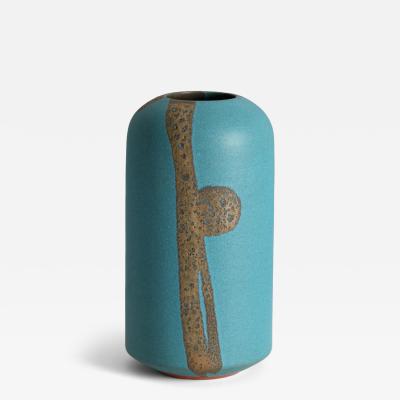
Vase, 1990s
-
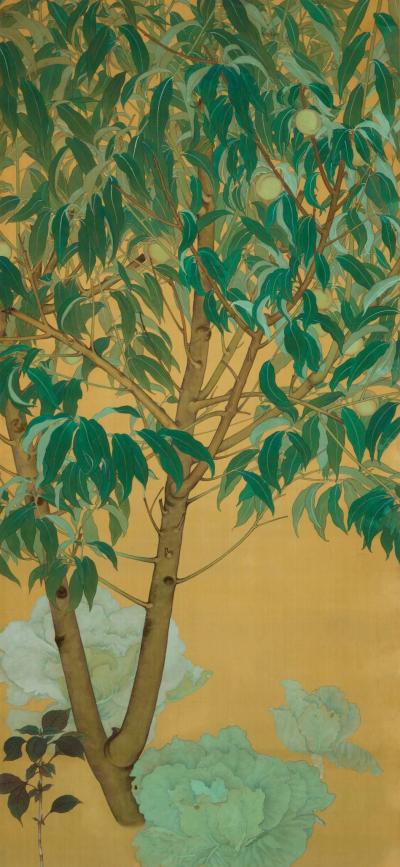
Peach Tree (T-4017)
-
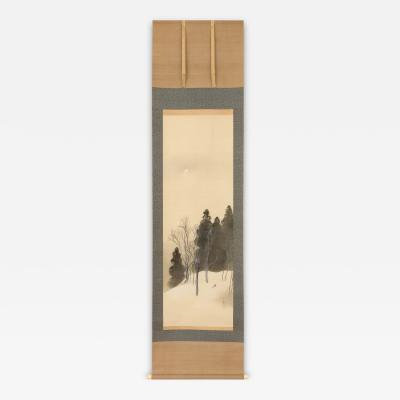
Lingering Snow, 1940s-1950s
-
Mountain Landscape, ca 1916-1920

-
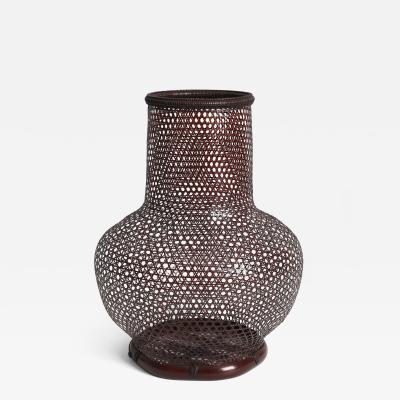
Flower Basket, 1980s
-
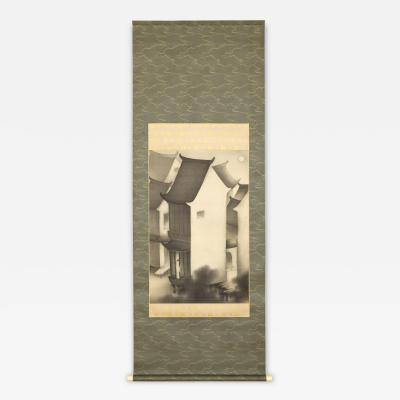
Yasuda Hanpo, The Open Door in the Middle of the Night, 1922
-
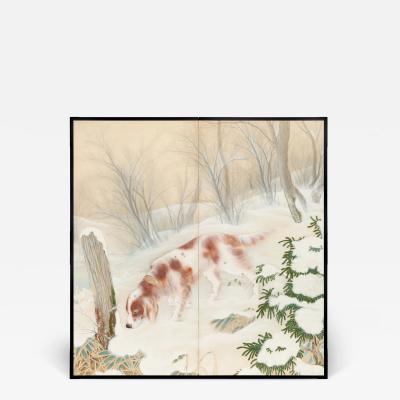
Setter in the Snow
-
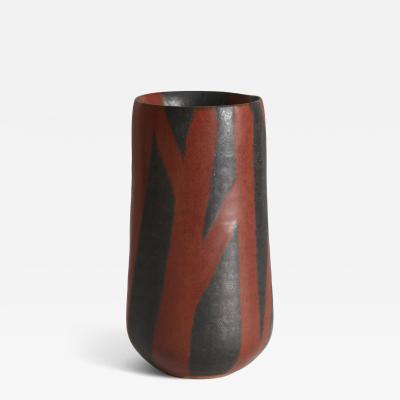
Russet Black Vase, 1980s
-
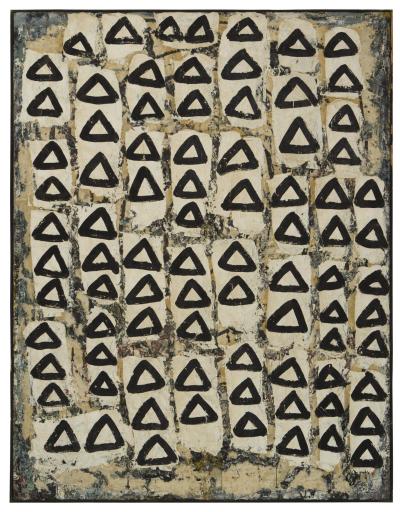
Sakuhin (Work), 1960
-
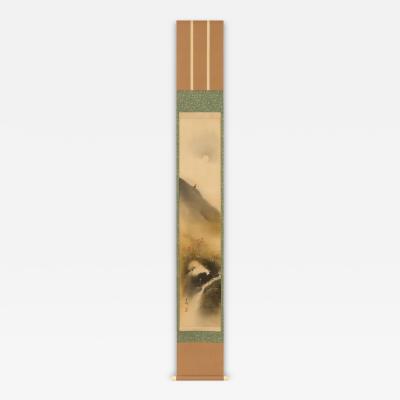
Clearing Storm in the Autumn Peaks , 1930s
-
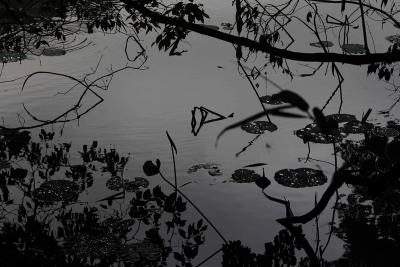
Mizu 18 (Water 18), 2014
-
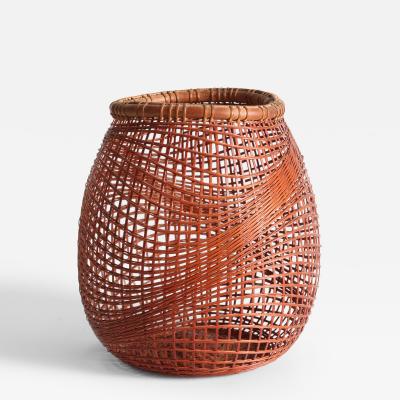
“Brooklet” Flower Container (T-4905)
-
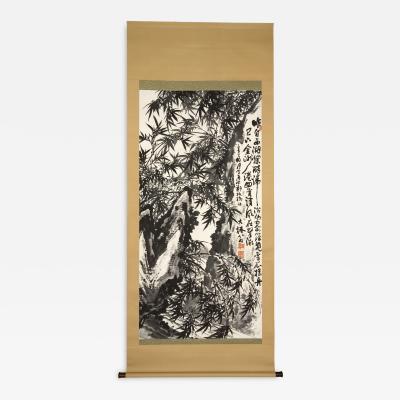
Suzuki Hyakunen Bamboo, Rocks, and Stream, dated 1881
-
Accessory Box with Design of Gentians and Dragonfly, 1950s