- FINE ART
- FURNITURE & LIGHTING
-
NEW + CUSTOM
- SHOP BY MAKERS
- The latest work from extraordinary artisans and designers
- MEET THE MAKERS
- The stories behind today's most talented artisans and studios
- TODAY'S TOP ARTISTS
- Exceptional designers, ateliers and boutique brands worldwide
- SHOP NEW + CUSTOM
- All
- Seating
- Lighting
- Tables
- Case Pieces & Storage
- Mirrors
- Ceramics
- Decorative Objects
- Rugs & Carpets
- DECORATIVE ARTS
- JEWELRY
- INTERIORS
- MAGAZINE












Showrooms
Ash Tray "War 1914" By The Faberge Firm Russia, 1914-1915
-
Description
A small circular copper ashtray, executed in stamped technique, featuring a relief depiction of the double-headed eagle - the state emblem of the Russian Empire. The central medallion presents a finely modelled composition with a crowned eagle holding a sceptre and orb, emphasizing the official and symbolic character of the object. Along the perimeter of the medallion are the inscriptions "WAR 1914" and "K. FABERGE", indicating the commemorative purpose of the piece and its association with the name of the Imperial Court supplier. The typographic composition is harmoniously integrated into the relief, enhancing the decorative impact of the object. The form of the ashtray is restrained and functional: a shallow bowl with a gently profiled rim and a concentric layout that draws attention to the central motif. The warm tone of the copper accentuates the depth of the relief and lends the object a distinctive visual presence. The use of stamping technique reflects serial production, characteristic of utilitarian and commemorative items produced during wartime. Objects of this type belong to a group of commemorative and functional items produced during the First World War, when the firm of Carl Faberge, alongside its renowned jeweled creations, also manufactured objects in base metals intended for the army and for charitable purposes. Marks: Relief inscriptions "WAR 1914" and "K. FABERGE" Dimensions: Height: 2.5 cm; Diameter: 11 cm Condition: Good. Minor surface wear, even patina, no deformations
The outbreak of the First World War in 1914 brought about profound changes in the structure of artistic production within the Russian Empire, including the activities of the firm of Carl Faberge. Prior to this period, Faberge workshops were primarily dedicated to the creation of unique, high-value works in precious metals and gemstones for the Imperial Court and the aristocracy. However, the demands of a wartime economy required a significant reorientation of production priorities. With the mobilization of national resources, precious metals became strategically important, and their use in decorative arts was increasingly restricted. In response, Faberge workshops, equipped with advanced production capabilities and highly skilled craftsmen, began producing objects in base materials such as copper, brass and spelter. This shift allowed the firm to maintain its production activity while contributing to broader patriotic and social efforts. A key factor in this transformation was the expansion of charitable initiatives closely linked to the Imperial family. Numerous committees were established to support wounded soldiers and the front, including those under the patronage of Empress Alexandra Feodorovna and members of the Imperial household. Within this framework, Faberge produced accessible commemorative items that could be sold to the public, with proceeds directed toward military and medical support. At the same time, there existed a practice of presenting such objects directly to military personnel. During visits to the front, Emperor Nicholas II and representatives of the court distributed commemorative items to soldiers and officers. While these objects did not constitute official military decorations, they functioned as symbolic tokens of recognition and moral encouragement. From an artistic perspective, these objects represent an adaptation of Faberge's aesthetic language to the conditions of mass production. The use of stamping techniques, simplified forms and base materials was combined with the preservation of key elements of Imperial iconography, including the double-headed eagle, crowns and regalia. In this way, even utilitarian objects retained a visual connection to the traditions of high Imperial craftsmanship. Today, such wartime items are regarded as a distinct category within Faberge production, illustrating the transition from exclusive luxury manufacture to socially engaged production. They serve as important historical documents, reflecting how artistic workshops became integrated into systems of state and public mobilization during a period of global conflict. - More Information
-
Dimensions
W. 4.33 in; H. 0.98 in; W. 11 cm; H. 2.49 cm;
Message from Seller:
Maison ANTIQON invites you to discover our exceptional collection of fine art and antiques at our premier showrooms, Maison ANTIQON in Nice, France, and Antikvariāta Centrs in Riga, Latvia. For inquiries, private appointments, or to explore our curated international heritage, please reach out to us directly at info@antiqon.com or via phone at +33 6 30 17 47 17.
More Listings from Antiqon View all 268 listings
-
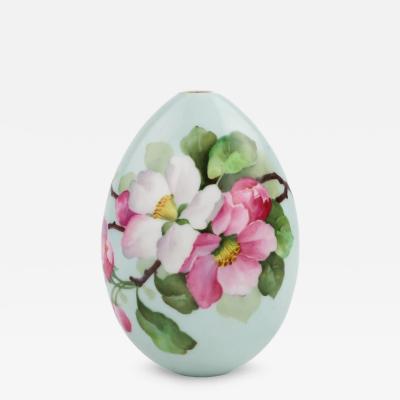
Porcelain Easter Egg With Hand-Painted Blossoming Apple Orchard Russia
-
Silver Claret Jug With Glass Liner. Horace Woodward & Hugh Taylor. London, 1893

-
Russian Silver Sweetmeat Bowl. Erik August Kollin. St Petersburg, 1887

-
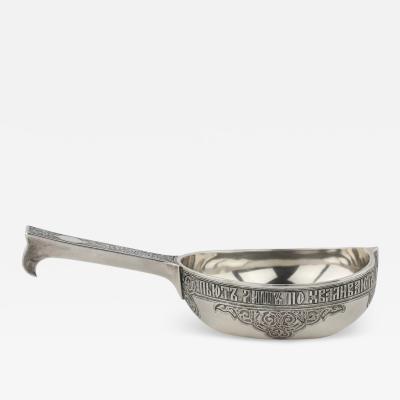
Russian Presentation Silver Kovsh Russia, Moscow, 1883
-
Porcelain Plaque Equestrian Portrait Of Peter I. Europe. 19th Century

-
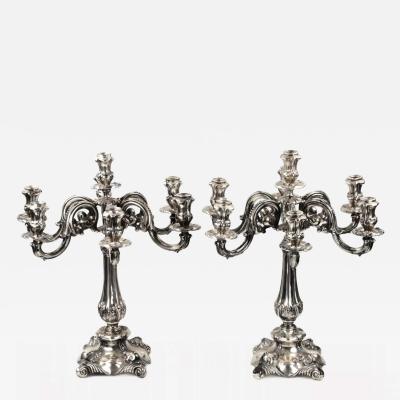
Pair Of Seven-Light Silver Candelabra. Vercelli Italy
-
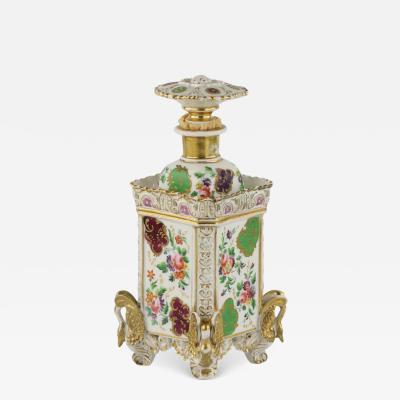
Jacob Petit Perfume Flacon France, Mid-19th Century
-
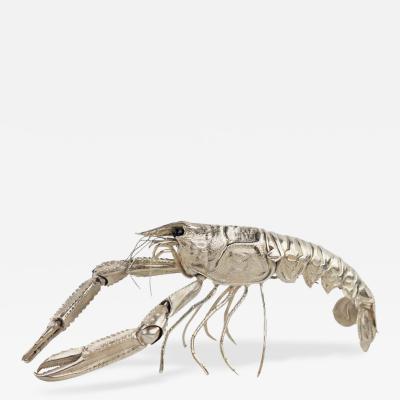
Silver Langoustine Spain, 20th Century
-
Carriage Cave A Liqueur By Tahan In The Napoleon III Style. France

-
Musical Snuffbox With Micromosaic Pliny's Doves France, 1819-1838

-
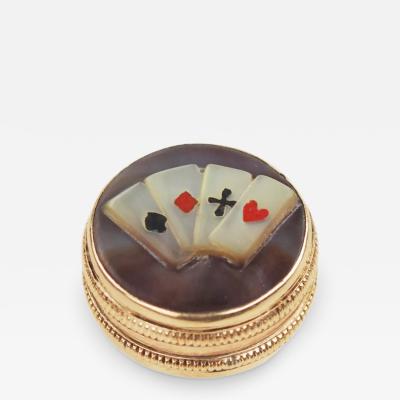
Gold Box For Gaming Chips With Playing Card Symbols Europe, Mid-19th Century
-
Silver Sculpture "Mining Engineer". 1st Moscow Artel, 1908-1917
-
Empire Style Mantel Garniture. France, 19th Century

-
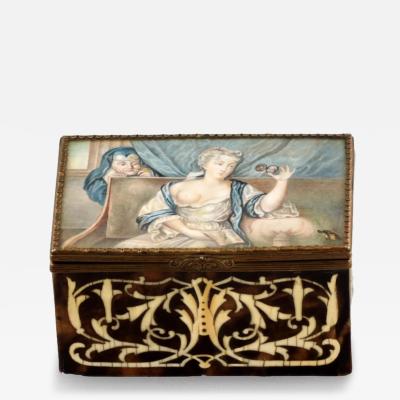
Tortoiseshell And Ivory Casket With An Erotic Genre Scene. Europe, 19th Century