- FINE ART
- FURNITURE & LIGHTING
-
NEW + CUSTOM
- SHOP BY MAKERS
- The latest work from extraordinary artisans and designers
- MEET THE MAKERS
- The stories behind today's most talented artisans and studios
- TODAY'S TOP ARTISTS
- Exceptional designers, ateliers and boutique brands worldwide
- SHOP NEW + CUSTOM
- All
- Seating
- Lighting
- Tables
- Case Pieces & Storage
- Mirrors
- Ceramics
- Decorative Objects
- Rugs & Carpets
- DECORATIVE ARTS
- JEWELRY
- INTERIORS
- MAGAZINE







Listings / Decorative Arts / Objects / Other

Showrooms
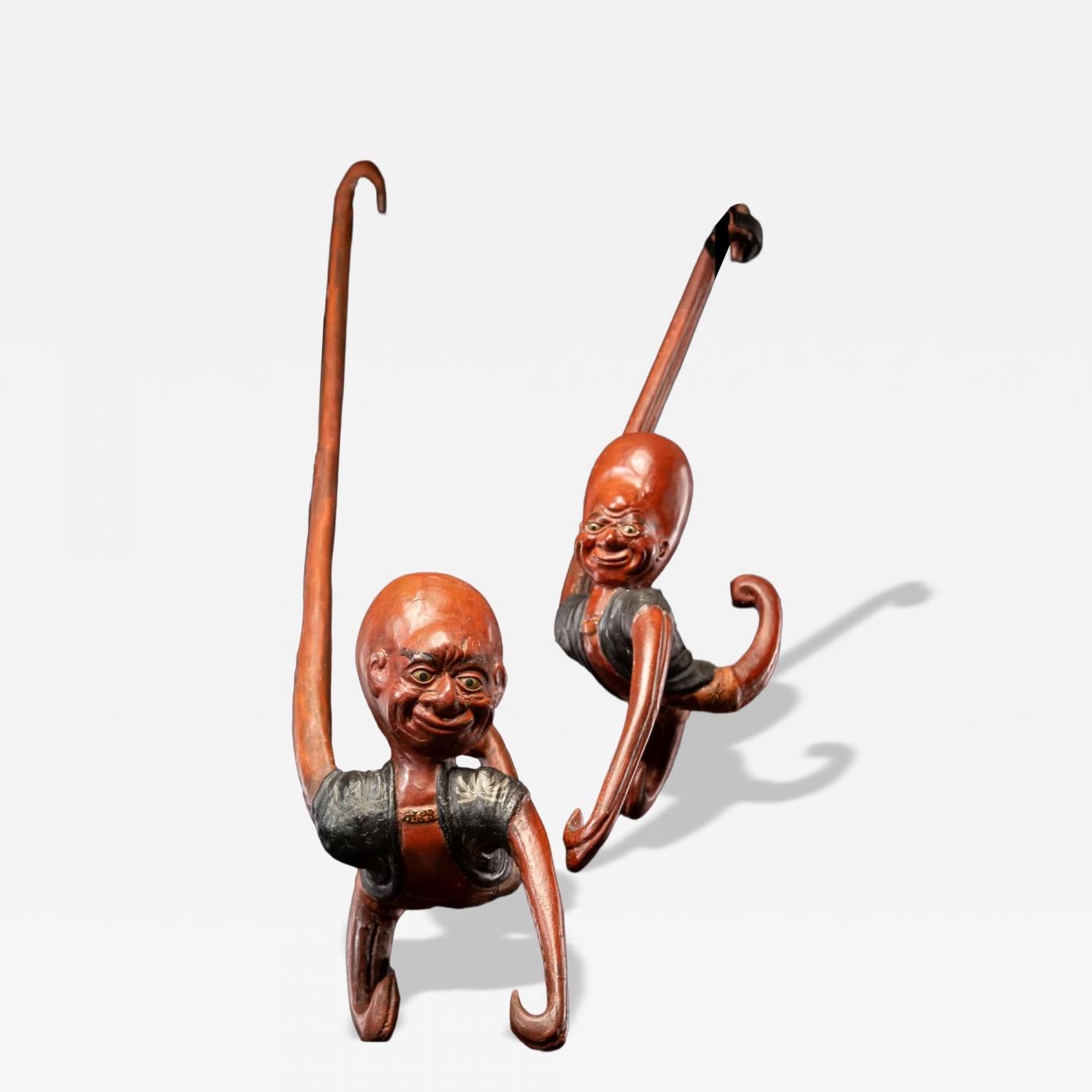
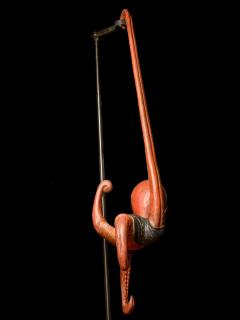
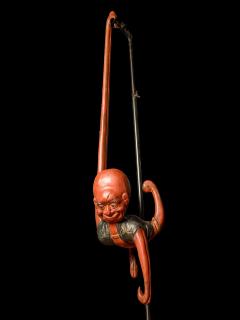
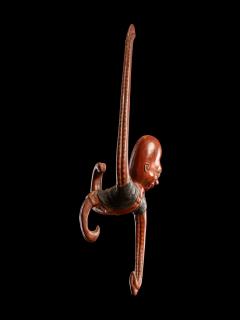
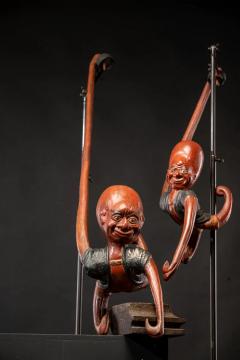
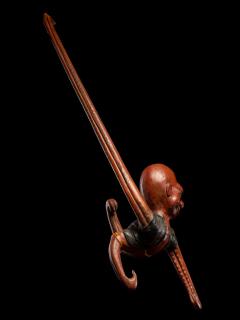
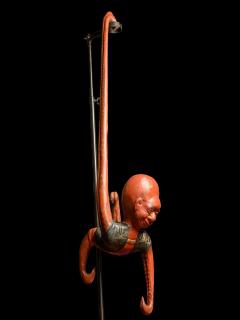
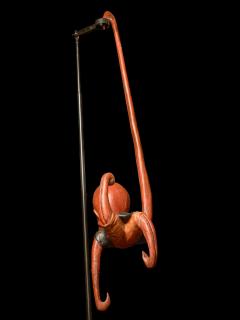
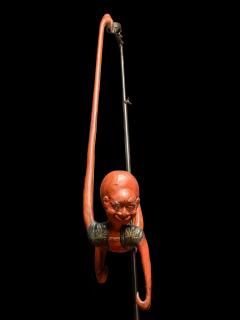
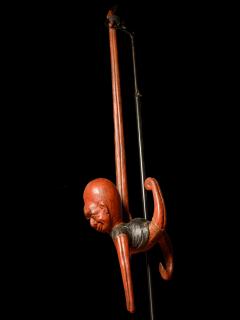
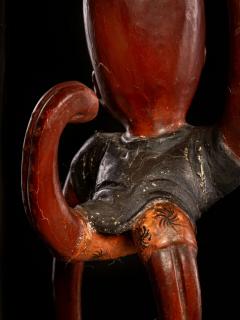
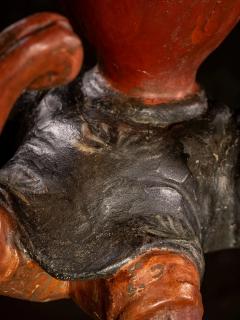
Polychrome Wood Acrobatic Tako-nyūdō - Anthropomorphic Octopus Figures
-
Description
Pair of Japanese Polychrome Wood Acrobatic Tako-nyūdō - Anthropomorphic Octopus Figures, probably Meiji Period, late 19th century
Wood
84 x 20 cm
33 1/8 x 7 7/8 in
6204
POA
Pair of Japanese Polychrome Wood Acrobatic Tako-nyūdō—Anthropomorphic Octopus Figures, probably Meiji Period, late 19th century
A Tako-nyūdō (蛸入道, literally “octopus priest”) is a fascinating sea monster, or yōkai, from traditional Japanese folklore. The term nyūdō originally refers to a Buddhist monk or a man with a shaven head, but it is also used humorously to describe bald, round-headed supernatural creatures. Because of the octopus’s naturally smooth and bulbous head, Japanese folklore transformed it into a humanoid, monk-like being. The Tako-nyūdō is typically depicted with a large, hairless octopus head, the face of a bearded old man, a vaguely human torso that merges into long, flowing tentacles lined with suckers and a Buddhist or monastic robe draped over its marine body, further emphasizing its comical resemblance to a priest.
Paire de figures acrobatiques japonaises Tako-nyūdō en bois polychrome — poulpes anthropomorphes, probablement époque Meiji, fin du XIXe siècle
Le Tako-nyūdō (蛸入道, littéralement « moine-poulpe ») est une fascinante créature marine, ou yōkai, issue du folklore traditionnel japonais. Le terme nyūdō désigne à l’origine un moine bouddhiste ou un homme au crâne rasé, mais il est également employé de manière humoristique pour qualifier des créatures surnaturelles chauves à la tête ronde.
En raison de la forme naturellement lisse et globulaire de la tête du poulpe, l’imaginaire populaire japonais l’a transformé en un être anthropomorphe évoquant un moine. Le Tako-nyūdō est généralement représenté avec une grande tête de poulpe dépourvue de cheveux, le visage d’un vieil homme barbu et un torse vaguement humain se prolongeant en longs tentacules ondulants garnis de ventouses. Une robe bouddhique ou monastique drapée sur son corps marin accentue encore sa ressemblance comique avec un religieux.
Paar japanische polychrom gefasste, akrobatische Tako-nyūdō aus Holz — anthropomorphe Oktopusfiguren, vermutlich Meiji-Zeit, spätes 19. Jahrhundert
Ein Tako-nyūdō (蛸入道, wörtlich „Oktopus-Mönch“) ist ein faszinierendes Meereswesen beziehungsweise Yōkai aus der traditionellen japanischen Folklore. Der Begriff nyūdō bezeichnet ursprünglich einen buddhistischen Mönch oder einen Mann mit geschorenem Kopf, wird jedoch auch humorvoll für kahle, rundköpfige übernatürliche Wesen verwendet.
Aufgrund des von Natur aus glatten und rundlichen Kopfes des Oktopus verwandelte ihn die japanische Volksüberlieferung in ein menschenähnliches, an einen Mönch erinnerndes Wesen. Der Tako-nyūdō wird typischerweise mit einem großen, haarlosen Oktopuskopf, dem Gesicht eines bärtigen alten Mannes und einem annähernd menschlichen Oberkörper dargestellt, der in lange, fließende, mit Saugnäpfen besetzte Tentakel übergeht. Ein buddhistisches oder klösterliches Gewand, das über den maritimen Körper drapiert ist, unterstreicht zusätzlich die komische Ähnlichkeit mit einem Geistlichen. -
More Information
Period: 19th Century Styles / Movements: Asian, Traditional Incollect Reference #: 893252 -
Dimensions
W. 7.87 in; H. 33.07 in; W. 20 cm; H. 84 cm;
Message from Seller:
Spectandum, a by-appointment gallery in Leuven, Belgium, can be reached at contact@spectandum.com 32475648678. The gallery specializes in Natural History, Ethnography, European works of art, antiquities, and rare curiosities sourced from around the world.
More Listings from Spectandum View all 182 listings
-
Pair of carved oak Souls in Purgatory, male and female, 17th C, Southern Europe
-
Saint Christopher with the Christ Child, Polychromed wood

-
Bariba People,Benin.Rare Terracotta Ceremonial Vessel
-
Biteki Power Figure with loincloth, Bembe People, DRC

-
Exceptional Group of Three Amazonian Ceremonial Feather Headdresses

-
Early 20th C, Antique Wooden Rocking Horse
-
Polychrome and Giltwood Jardinière with Kneeling African Figure, Venice, Italy

-
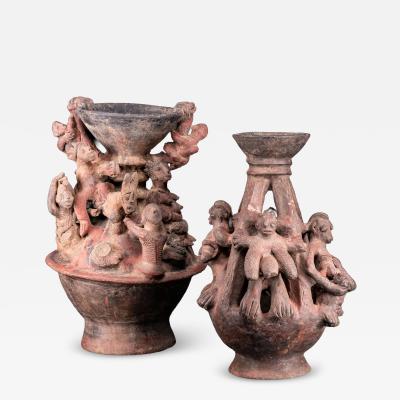
Rare pair of Bariba Terracotta Ceremonial Altar Vessels
-
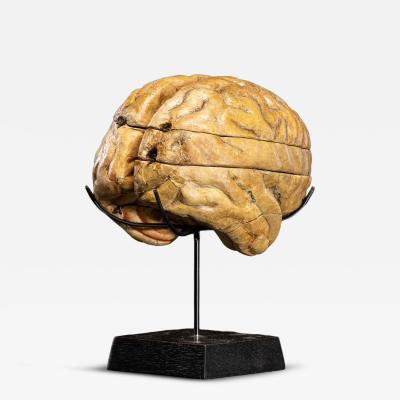
Didactical Human Brain Model
-
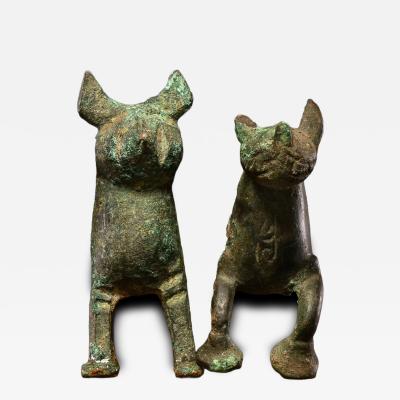
Two Bronze miniature Vessels in the Form of Hares, Possibly Fatimid
-
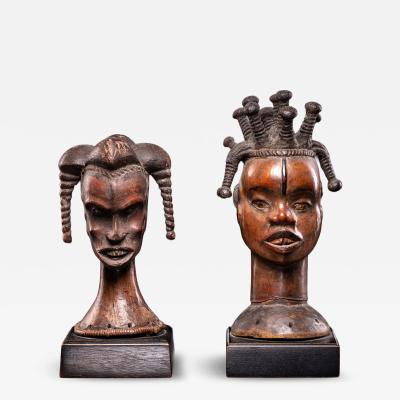
Ejagham People, Nigeria;Female Head statue spikes
-
Mabea Mother and Child Sculpture, Provenance P.Ratton
-
Antique Chinese Opium Box, Opium Pipe and Tubular Water Pipe

-
Fidji Mermaid, Atlantis