






A Guide to Collecting Keith Haring Subway Drawings
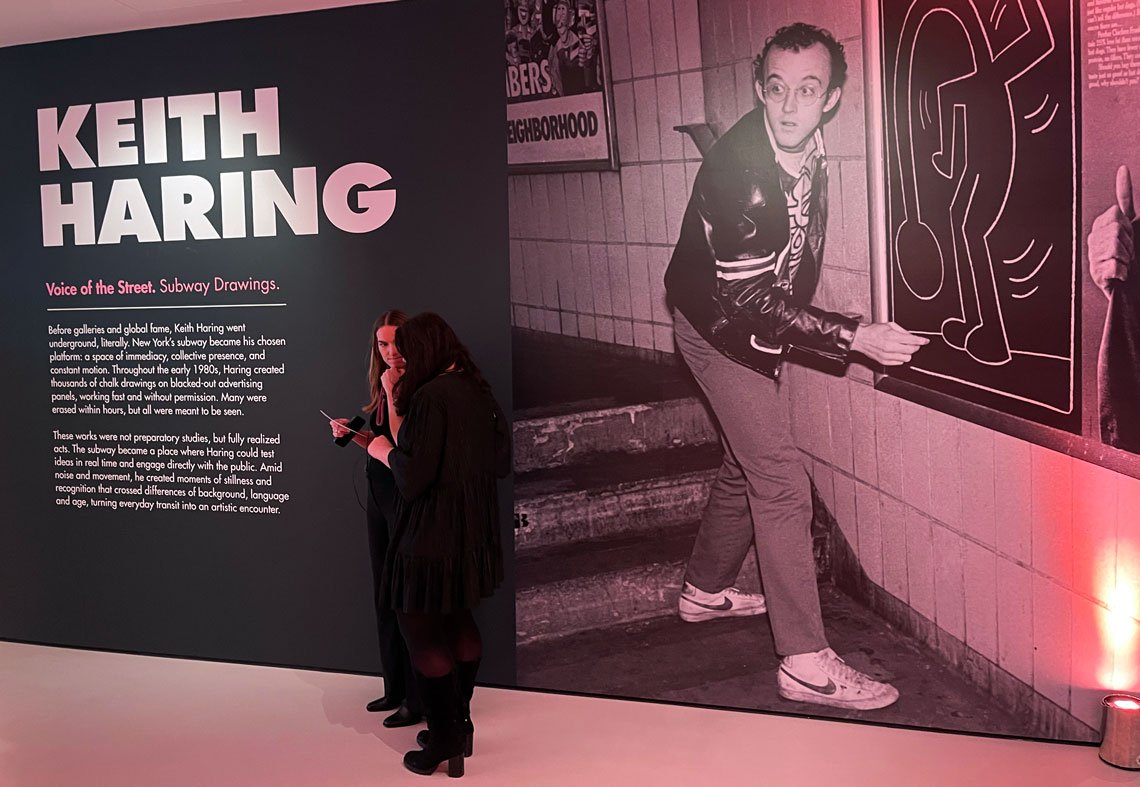 |
Installation shot from “Voice of the Street: Keith Haring’s Subway Drawings” presented at Moco Museum London, which opened March 18. The exhibition includes a large number of works on loan from Trimper Gallery. |
A Guide
to Collecting
Keith Haring
Subway Drawings
By Alejandro Trimper
Photos courtesy Moco Museum London and Trimper Gallery
 | |
Alejandro Trimper, owner of Trimper Gallery. Photo: Kyle Andrew Szpyrka |
Keith Haring’s subway drawings occupy a singular place in contemporary art. They are immediate, uncompromising, and public. Created illegally and initially anonymously on unused black advertising panels in New York City subway stations between 1980 and 1985, they were never meant to be precious objects. And yet, decades later, they are some of the most sought-after works in Haring’s oeuvre.
That paradox, radical accessibility paired with serious market interest, is exactly why buying a subway drawing requires thoughtful consideration. I’ve been buying subway drawings for over a decade now and own or co-own close to 50 of them. Below are some helpful tips that I wanted to share with collectors considering a purchase, those who have already made one, or are simply interested in this market.
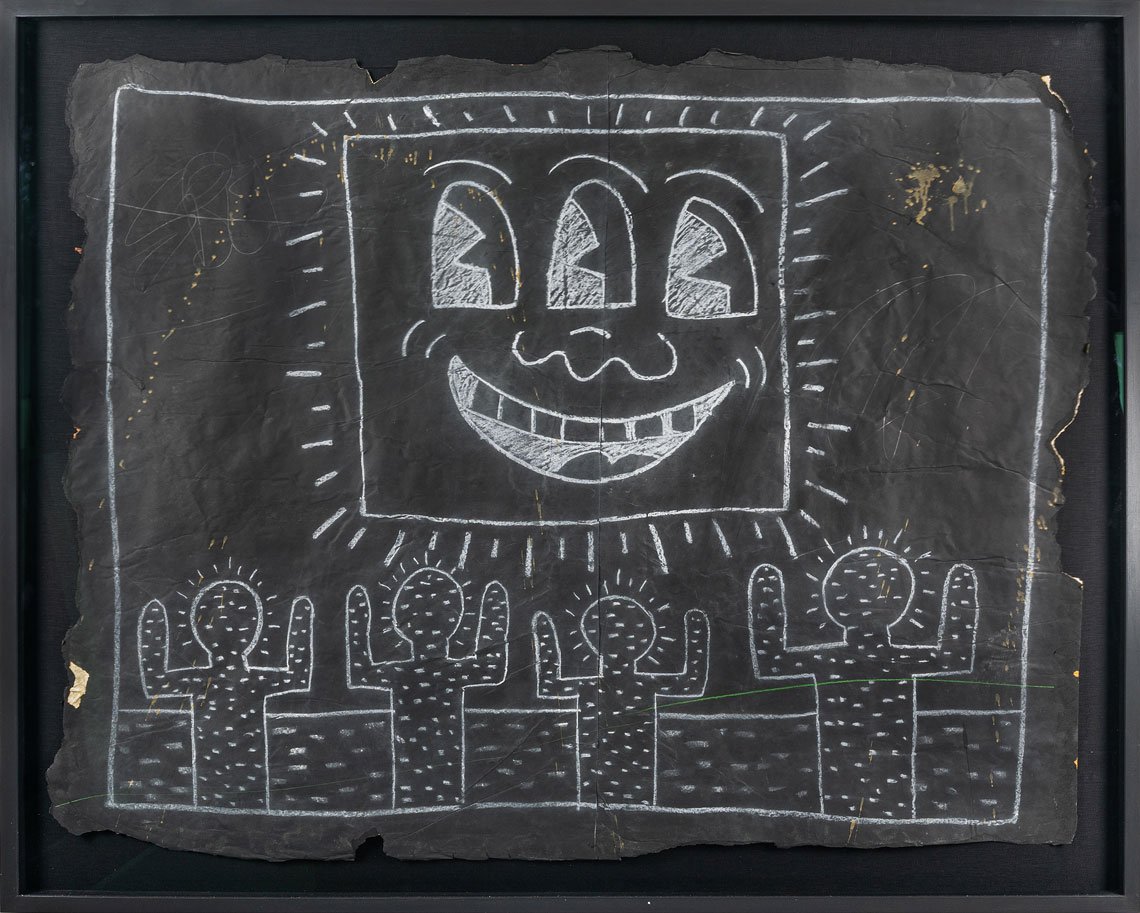 |
Keith Haring, Three Eye'd Monster Praying Figures, 1980 – 1985. Chalk on paper, 44.2 x 60 in., courtesy of Trimper Gallery. |
For years, Haring’s subway drawings were considered culturally important but sidelined in the art market. There were multiple reasons for this: documentation standards varied, scholarship was lacking, museum and gallery exposure was inconsistent, and pricing was all over the place.
Gradually, things changed. It took time for curators and historians to place these drawings in their rightful position in art history. Part of this coincided with a reassessment of the importance of the 1980s downtown New York art scene, where street culture, graffiti, performance, music, activism, and art collided in public. The subway drawings helped establish a model of contemporary street art that is now global: a legible visual language built for everyone, made in real time, living outside museum gates.
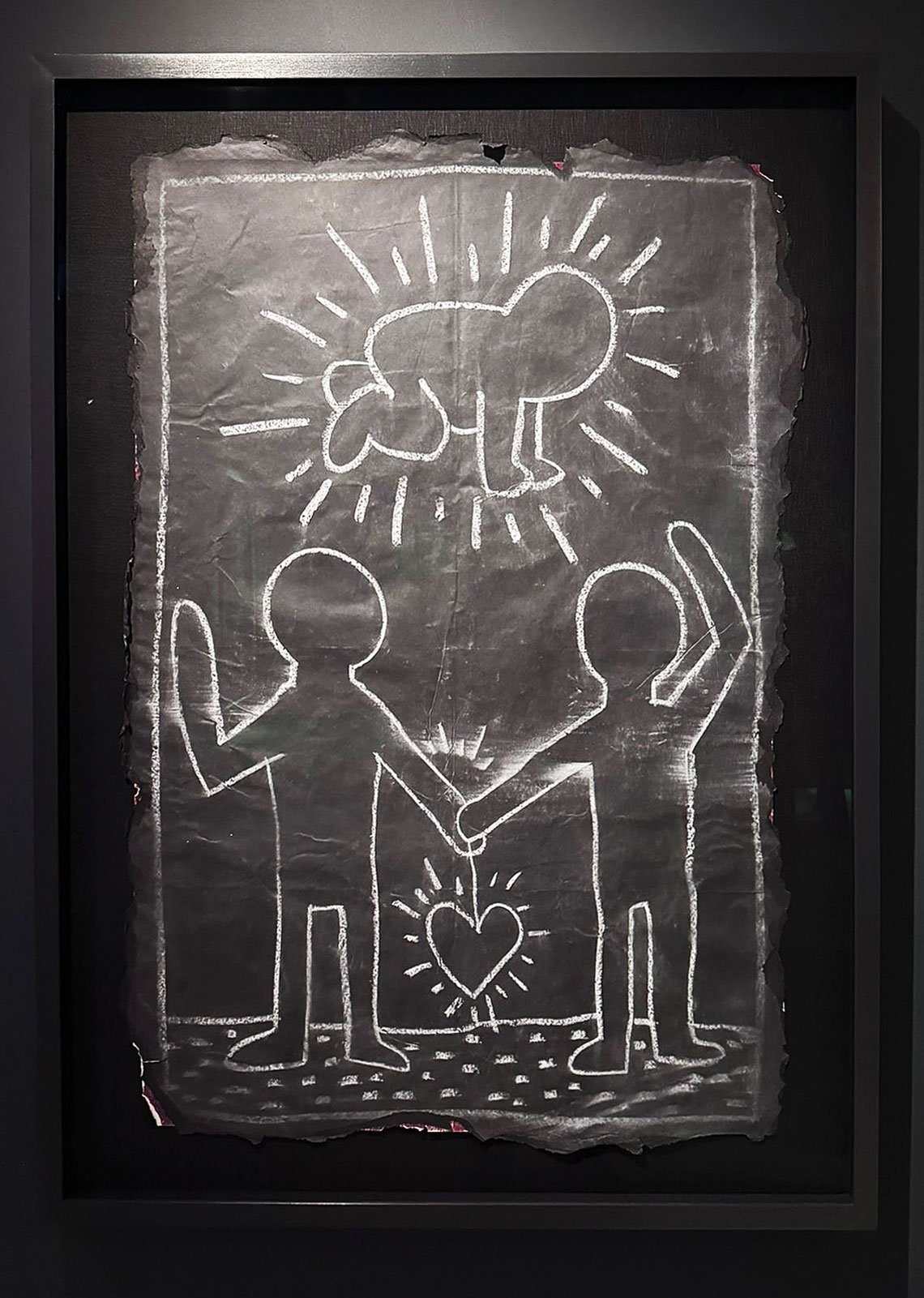 | 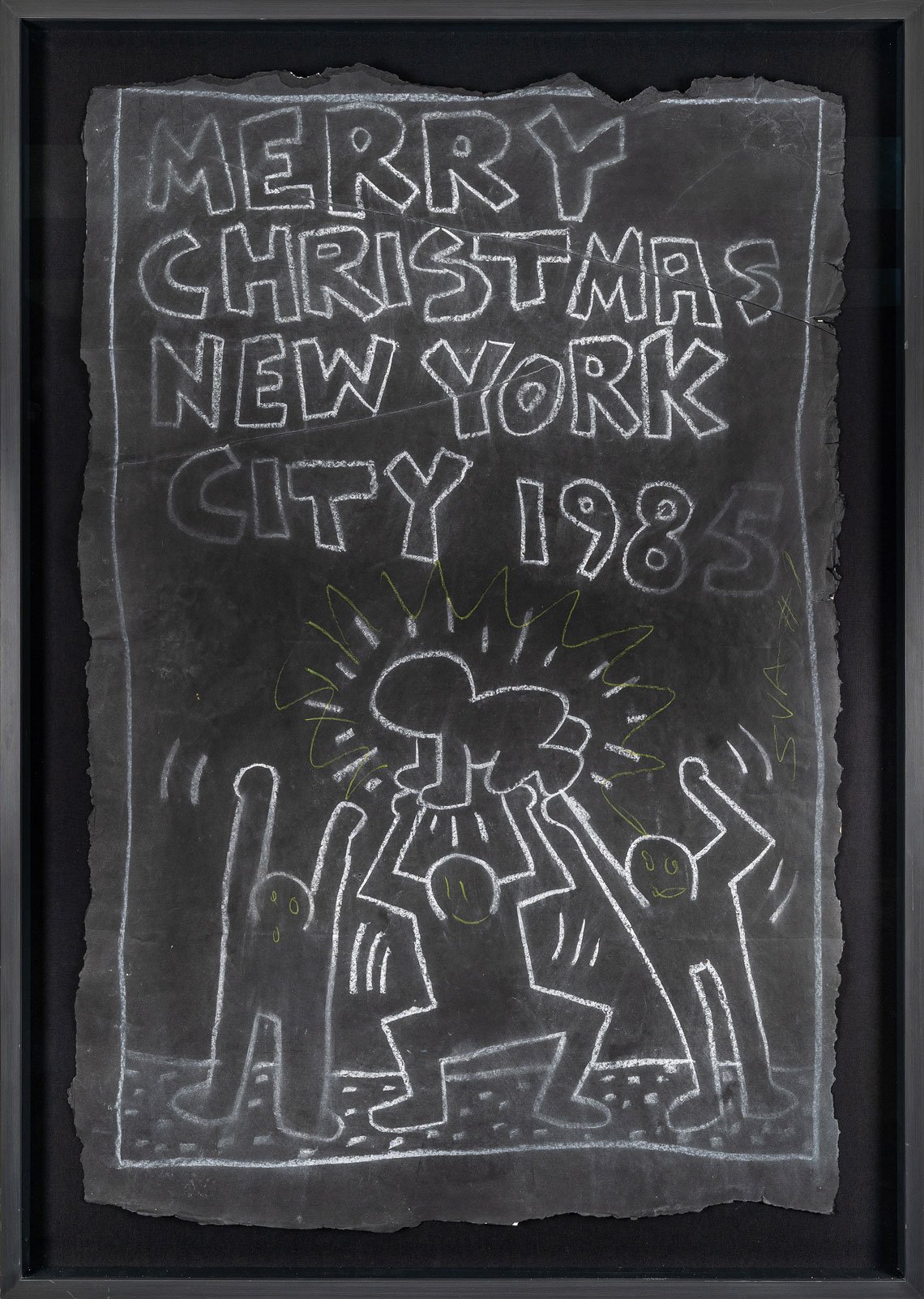 | |
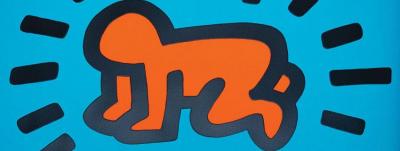
Left: Keith Haring, Radiant Baby / Two Figures Holding Hands, 1980 – 1985. Chalk on paper, 40.9 x 27 in., courtesy of RP Collection, Las Vegas, Nevada. Right: Keith Haring, Merry Christmas 1985, 1980 – 1985. Chalk on paper, 40.9 x 27 in., courtesy of Trimper Gallery. | ||
A real inflection point came in November 2024, when Sotheby’s auctioned a dedicated group of thirty-one subway drawings from the collection of Larry Warsh. The sale totaled $9.2 million, with every work sold. Realized prices ranged from $114,000 to $900,000.
Institutional engagement has also accelerated. Museums are now presenting subway drawings with serious curatorial framing, legal review, conservation oversight, and insurance underwriting. For example, the Brattleboro Museum and Art Center mounted a focused museum exhibition of subway drawings in 2023, and the New York Transit Museum also hosted a public program on Haring’s subway art practice in 2023. Moco Museum in London staged an exhibition centered on the subway drawings that opened in March 2026.
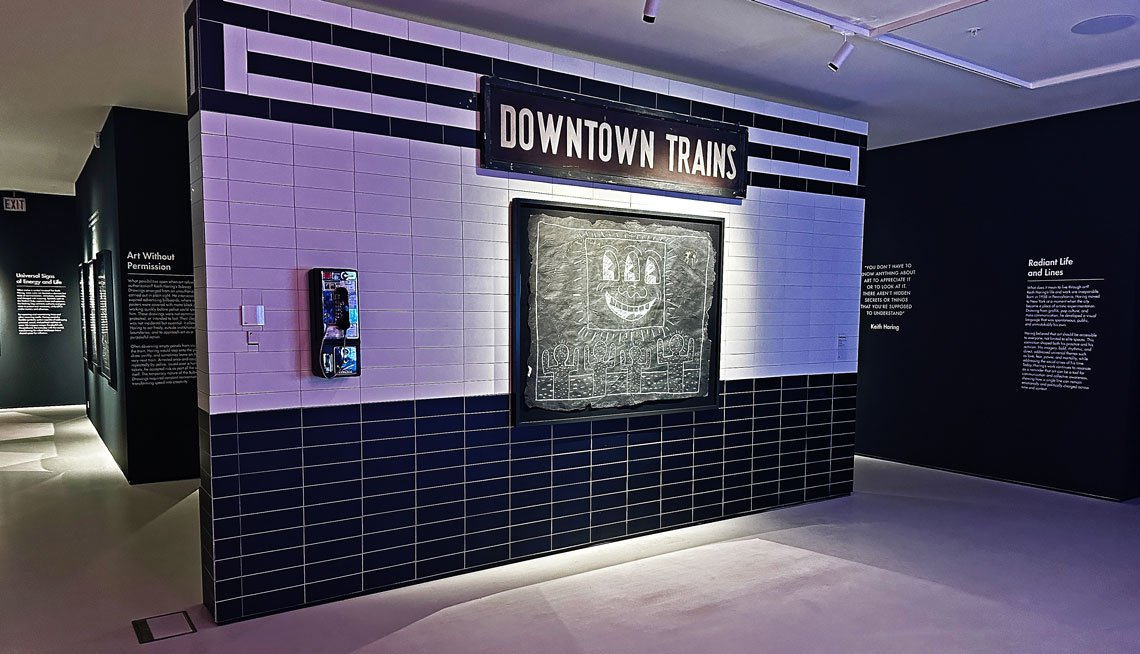 |
| The exhibition at Moco Museum London, staged with subway signs, subway tile and that artifact from the past, a payphone. |
Unfortunately, renewed auction and museum interest has also brought a lot of work onto the market, frequently at very different price points. Buyers should be aware that works offered at prices below standard comparables are likely to carry some kind of uncertainty about provenance, institutional acceptance, or about how the work will perform when tested publicly, say, at auction. This does not automatically mean a work is problematic. It does mean the pricing itself should trigger questions.
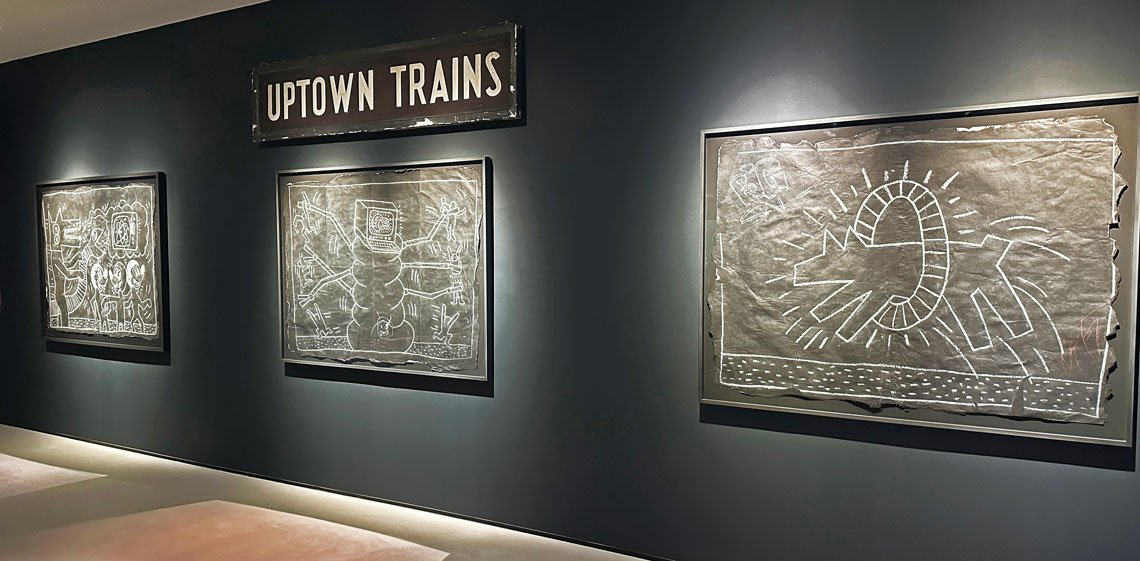 |
From left to right: Keith Haring, Dog Riding Snake, 1980 - 1985. Chalk on paper, 46.5 x 60 in., courtesy of Trimper Gallery. Keith Haring, Worm Computer Brain, 1980 – 1985. Chalk on paper, 49 x 64 in., courtesy of Trimper Gallery. Keith Haring, Dog Hoop, 1980 – 1985. Chalk on paper, 44 x 60 in., courtesy of Jennifer and Gregory Ezring. |
New buyers should also be aware that a Certificate of Authenticity (COA) is not a guarantee of authenticity. For living artists, or for estates and foundations that actively authenticate art, a COA can carry real weight. In the primary market, a gallery working directly with an artist can also document what it sold and when. That is normal and useful. For deceased artists without an active authentication body, the reality is different. A gallery-issued COA is only as strong as the gallery’s relationship with the artist during the artist's lifetime, and as the evidence the gallery can produce that the work is authentic. If that relationship did not exist, the COA is not a substitute for due diligence. It is an opinion, given by the seller, and the market treats it that way.
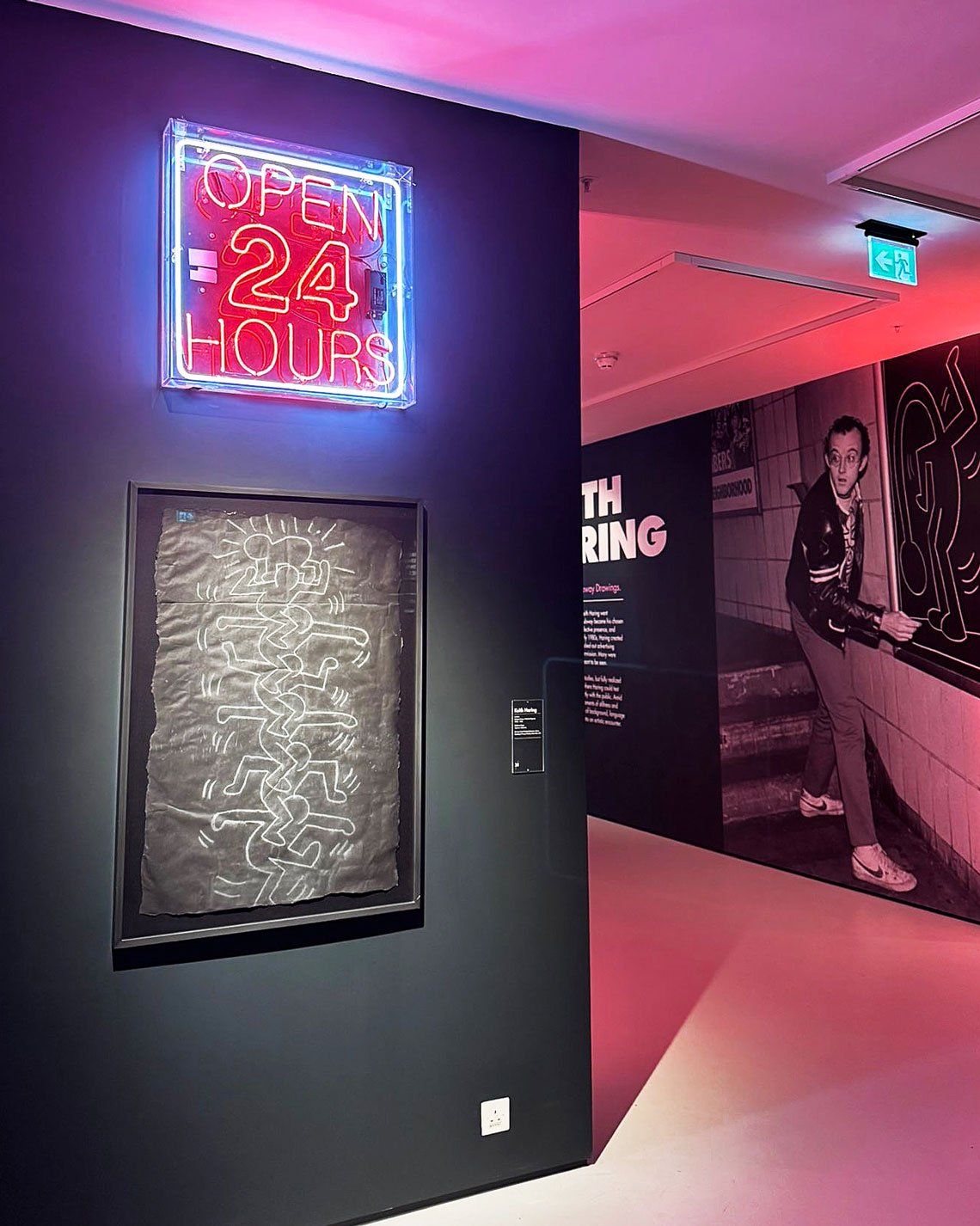 | 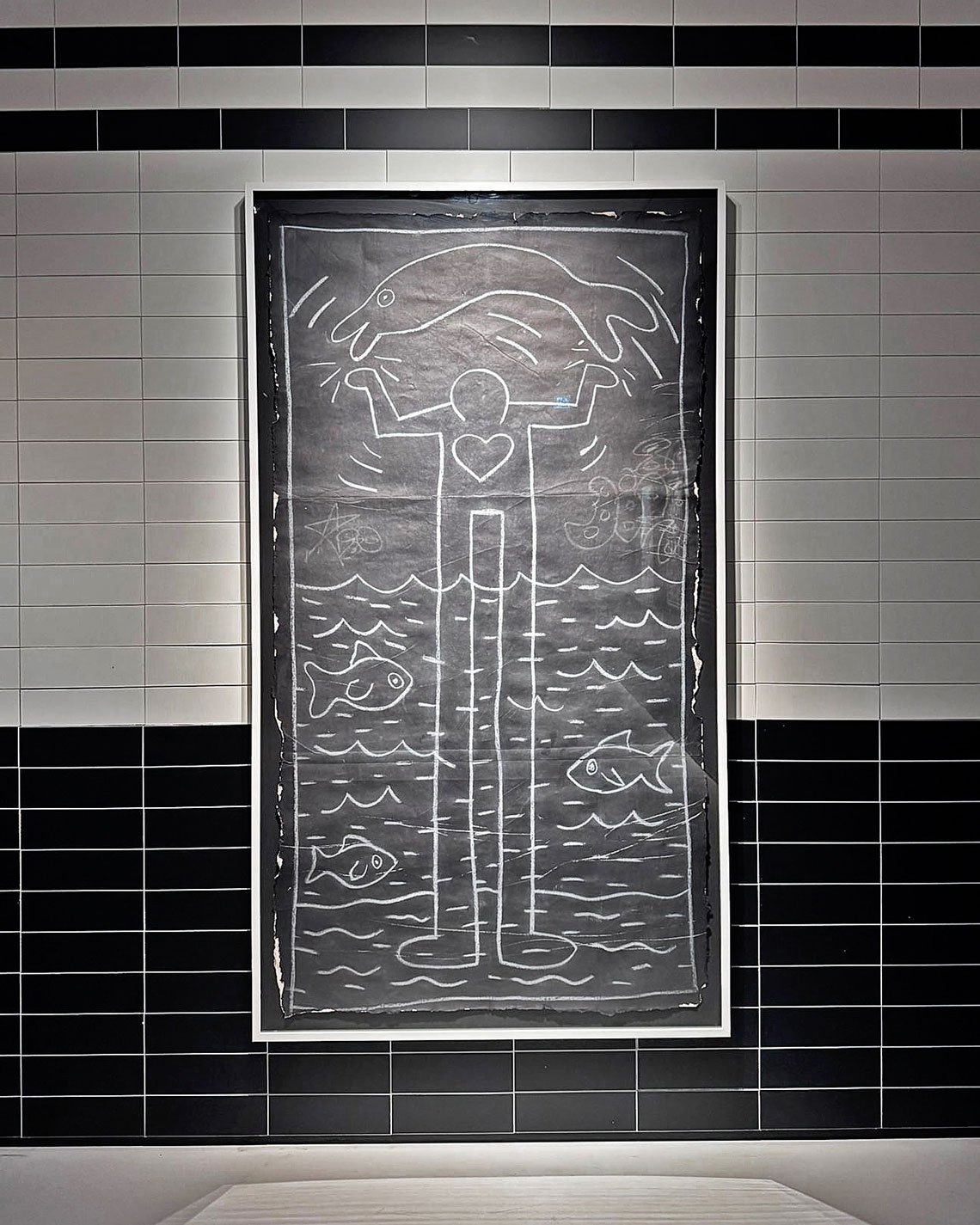 | |
Left: Keith Haring, Radiant Baby / Stacked Figures, 1980 – 1985. Chalk on paper, 64 x 49 in. On loan from Victor Noguer. Right: Keith Haring, Long Legs Dolphins, 1980 – 1985. Chalk on paper, 76 x 42 in. Courtesy of Trimper Gallery. | ||
For Keith Haring, this matters. The Keith Haring Foundation dissolved its authentication board in 2012 and no longer authenticates works, and while they were operating, they generally did not authenticate subway drawings. So, buyers are not purchasing estate certification. They are purchasing the quality of the evidence supporting the attribution, and whether that evidence can hold up with auction houses, insurers, museums, and lenders.
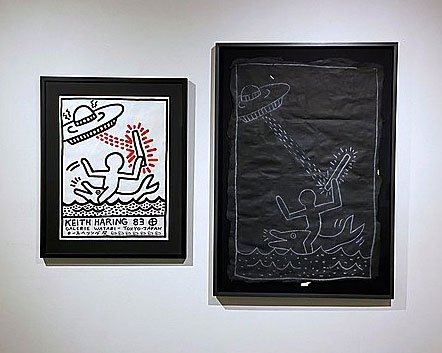 |
Left: Keith Haring, Gallerie Watari 1983, 1980 – 1985. Lithograph, 33 x 27 in. Courtesy of Trimper Gallery. Right: Keith Haring, Riding Dolphin, 1980 – 1985. Chalk on paper, 46 x 33 in. Courtesy of Trimper Gallery. |
Because there is no single authoritative body to authenticate subway drawings, independent expert review is essential. Not all opinions carry the same weight. Expert review involves careful examination, comparison with known examples, and familiarity with the material characteristics of subway drawings and their history of circulation. Written opinions from recognized specialists who have spent years working with this category are materially different from general assurances from dealers. You should ask not only who reviewed the work, but also where it has been successfully tested and held up.
One of the clearest differentiators in this market is institutional exhibition history. Presenting historical material in a museum typically requires internal legal review, curatorial confidence, conservation input, insurance approval, and reputational considerations. When a work is accepted into a museum exhibition, it has passed through multiple layers of scrutiny. When it travels to more than one institution, that confidence compounds. Exhibition history is not marketing: It is evidence of sustained institutional confidence.
Complicating matters for museums as well as collectors is that most, if not all, of Haring’s subway drawings were made as unsanctioned interventions in public spaces. Their creation was, by definition, an act of vandalism on transit property. Their removal was often a separate intervention, both undocumented and unsanctioned, sometimes careful, sometimes rushed, and often carried out by ordinary people rather than established collectors. As a result, provenance, the documented history of a work’s ownership and an important part of any authentication, is therefore often incomplete. Before museums, auction houses, and galleries became involved, subway drawings frequently traded hands privately multiple times. To some, like me, this complexity is part of the intrigue: These drawings are survivors. They carry the messiness of their hurried, clandestine, and political origins.
 |
Alejandro Trimper is a collector and scholar specializing in Keith Haring’s subway drawings. He works actively in this market, placing works in private and institutional collections, and speaks regularly at museum exhibitions and collector symposia on authentication methodology and the evolving institutional context for street art. He is owner of the global online art gallery Trimper Gallery, also on Incollect.
 |