




Showrooms
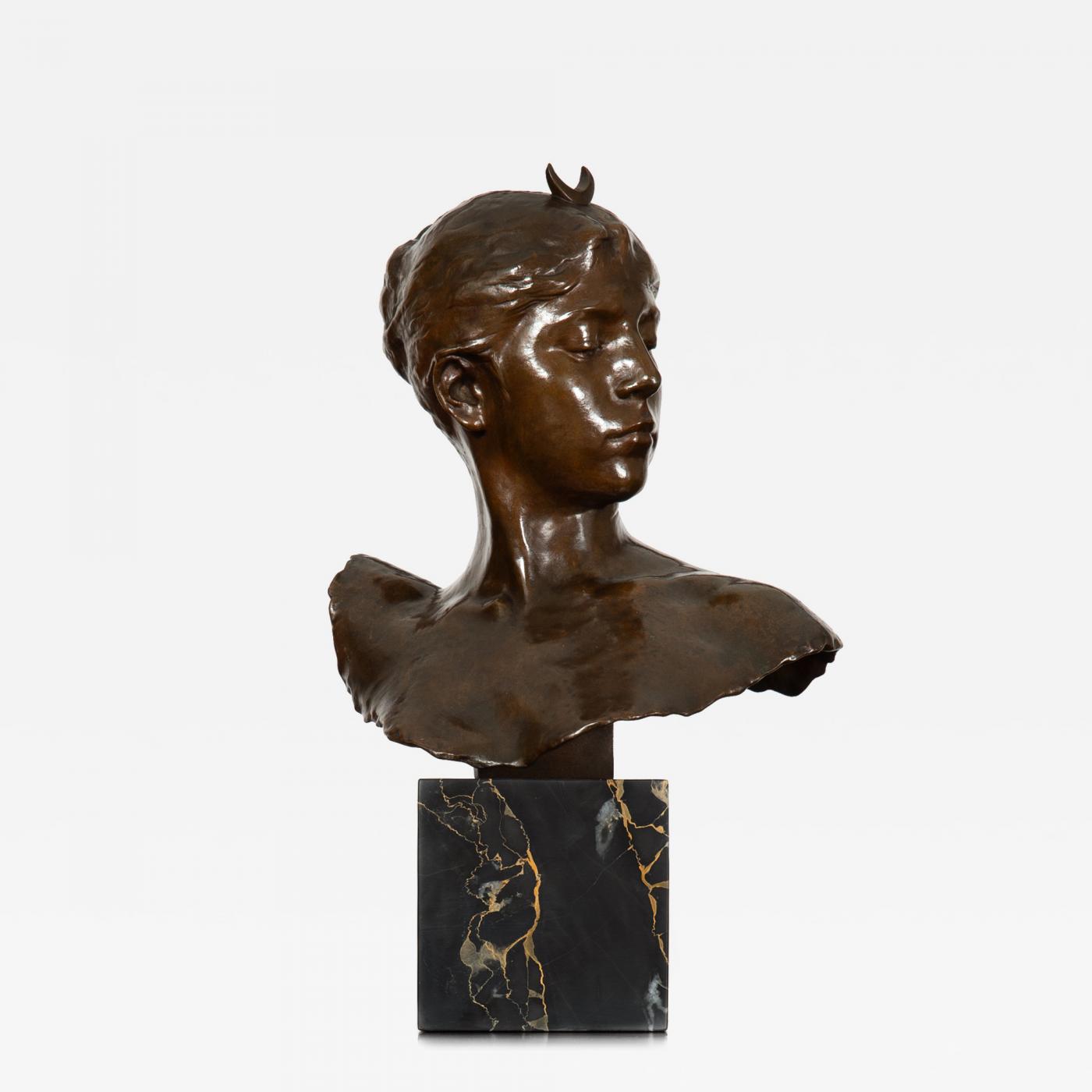
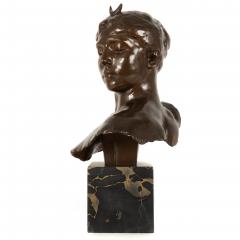
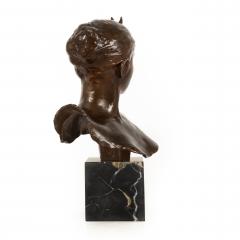
French Antique Bronze Sculpture Bust of Diana by Falguiere ca. 1880
-
Description
JEAN-JOSEPH-ALEXANDRE FALGUIÈRE
French, 1831-1900
"Bust of Diana the Huntress" (1882)
Patinated bronze over Nero Portero marble base
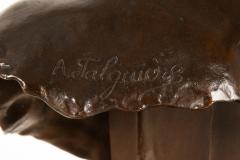
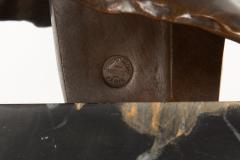
Signed on shoulder "A. Falguiere", foundry cachet verso "THIEBAUT FRERES PARIS"
Cast circa 1890
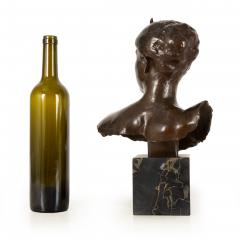
14" H [total]; 10" H x 9" W [bronze]; 4" H x 4" D x 4" W [base]
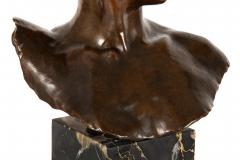
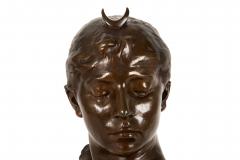
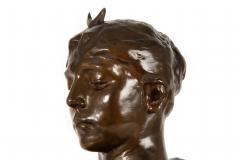
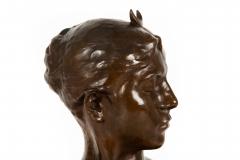
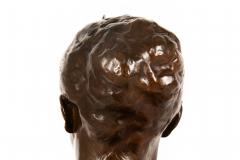
Executed as an excerpt from Falguière’s celebrated full-length sculpture of Diana, the Roman goddess of the hunt, this bust captures the quiet intensity and stylized naturalism that defined much of the sculptor’s output in the late 19th century. The original figure was first exhibited at the Paris Salon in 1882 as a life-sized plaster of Diana preparing to shoot an arrow, with her right arm raised above her head and her left arm holding a bow. The marble version followed in 1887. Falguière soon excerpted the head and shoulders to form an independent bust, which was cast in bronze and terracotta by Thiébaut Frères and later under the directorship of Fumière et Gavignot, making the work more accessible to a growing market for domestic-scale sculpture.
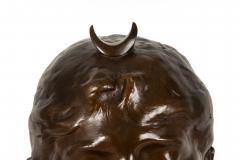
The bust preserves much of the expressive force of the full-length figure while asserting its own character through composition and finish. The fragmentary treatment of the shoulders which are jagged and unrefined lend a Rodinesque energy and suggests it was hewn directly from a larger whole. The asymmetry of the raised right shoulder echoes the gesture of the original statue while the turned head and downcast eyelids enhance a sense of aloofness or austere beauty. The crescent moon resting on her head is the sole remaining emblem of her identity as Diana, a goddess associated with chastity, wild animals and the moon. Unlike classical interpretations, Falguière avoids idealization, opting instead for distinctive facial features and a more naturalistic expression, evoking portraiture as much as myth.
By itself, the bust was highly sought-after and was produced in several sizes and media: marble, terracotta, bronze and electrotype. It remains among the most successful ideal heads of the period, embodying both the academic essence of the École des Beaux-Arts and the shifting tastes of a modern audience seeking Classical themes expressed with contemporary nuance.
Condition:
Light handling wear to the original patina. Modern solid Nero Portero base, not original. A very fine presentation, ready to place.
Museum Collections:
Allen Memorial Art Museum, acc. no. 1981.26 (smaller) & acc. no. 1979.48 (larger)
University of Michigan Museum of Art, acc. no. 1986/2.83
Portland Museum of Art, acc. no. 1941.8
Detroit Museum of Arts, acc. no. 81.906
Fine Arts Museums of San Francisco, acc. no. 1979.49 [terracotta]
McNay Museum of Art, acc. no. 2014.23
Museum of Fine Arts, Budapest, acc. no. 80.1.U
Minneapolis Institute of Arts, acc. no. 68.74.1
Biography
Jean-Alexandre Joseph Falguière was considered by his contemporaries during the 1870s as one of maybe six or seven major French sculptors, an artist with a gift both at capturing the Romantic spirit and of constantly remaining in the public eye. After studying drawing under Albert Carrier-Belleuse, he was accepted at the Ecole des Beaux-Arts in 1854 where he trained under François Jouffroy.
He won the highly coveted Prix de Rome in 1859 with his submission of the bas-relief Mézence blessé par Enée et secouru par son fils Lausus, a most fortunate start to what would be a most prolific and successful career. The five years he spent training at the Académie de France in Rome from 1859 through 1864 had a dramatic impact on his later entries at Salon. Despite the rigidness of his original academic training, he was able to shake free much of this rigid classicism with his first major Salon exhibition, Winner of the Cockfight, in 1864, a work that juxtaposed the classical inspiration for the subject against a freedom of movement and vivid realism of a more fully realized human being.
In 1866 he exhibited the secular mythological subjects of Omphale and Nuccia, the Trastevere Girl. He won a Medal of Honor for his 1868 Salon submissions of Tarcisius, Christian Martyr. This model typified his ability to translate a classically religious scene with his modern aesthetic, capturing the gaunt and impoverished boy with a perfect realism of features free of idealization and overworked detail. This was achieved first by study of a live model for his work, reportedly a street urchin he recruited from his neighborhood, but also by referring to photographs throughout the process; this was a methodology he employed throughout much of his career.
In total, he would exhibit at thirty-seven consecutive Paris Salons from 1863 through 1899, including from 1867 through 1878 at the Exposition Universelle and at the 1900 Exposition Centennale. His lifetime output included more than thirty monuments, including commission for The Triumph of the Revolution which surmounts the Arc de Triomphe, at least fifty portrait busts as well as a large series of female figures.
In 1870 he was inducted into the Legion of Honor as Chevalier, where he continued to rise through the ranks to Officier in 1878 and achieving the role of Commandeur in 1889. Starting in around 1870 he began sharing a studio with fellow sculptor Paul Dubois (French, 1829-1905). In 1882 he took on a professorship at the Ecole des Beaux-Arts and also was awarded membership in the Académie des Beaux-Arts.
His work was cast primarily by the workshops of Thiebaut Freres, Susse Freres and Hebrard.
References:
The Romantics to Rodin, P. Fusco and H. W. Janson, 1980, p. 258-259, cat. 131
Dictionnaire des Sculpteurs de l'École Française, vol II, 1970, p. 324-335
ref. 603LIF26Z -
More Information
Documentation: Signed Origin: France Period: 19th Century Materials: Bronze, Marble, Carved Creation Date: 1880 Styles / Movements: Traditional Dealer Reference #: 603LIF26Z Incollect Reference #: 865748 -
Dimensions
W. 9 in; H. 14 in; D. 4 in; W. 22.86 cm; H. 35.56 cm; D. 10.16 cm;
Message from Seller:
Silla, Ltd. is a family-owned antique gallery located at 117 W Burd St., Shippensburg, PA 17257, specializing in 19th and early 20th century bronze sculptures and unique period furniture. For more information or to schedule a visit, contact us at sales@sillafineantiques.com or call 717.708.9017.
More Listings from SILLA View all 367 listings
-
Pair of Louis XVI Style Lamps | Entwined Snake Handles

-
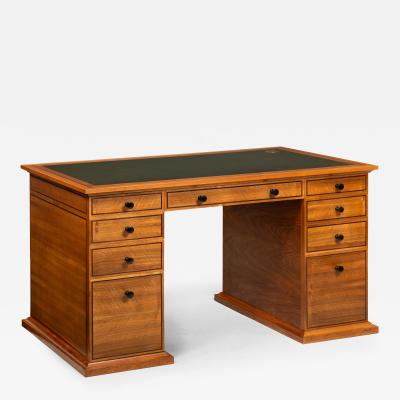
Very Fine English Walnut and Ebony Pedestal Desk by David Linley
-
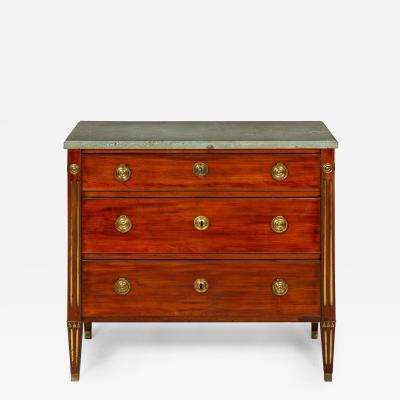
Circa 1790 Swedish Gustavian Marble Top Mahogany Desk Commode Chest
-
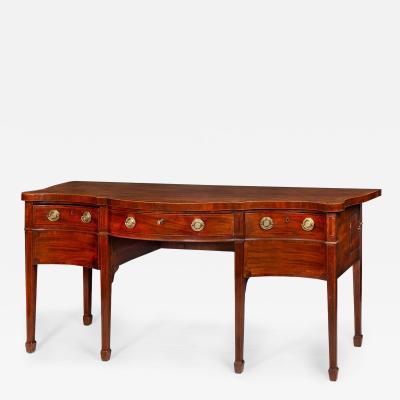
George III Period Inlaid Mahogany Serpentine Sideboard, English ca. 1790
-
Pair of Bronze and Black Granite Demilune Console Tables, Manner of Jansen

-
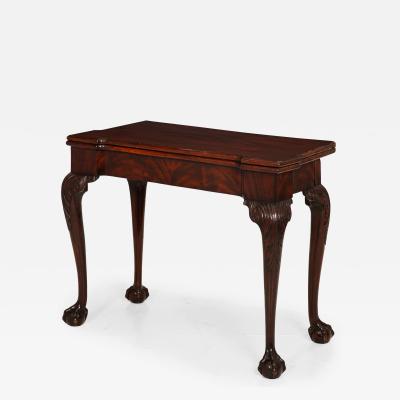
English George III Mahogany Gate Leg Card Game Table circa 1770
-
Baltic Neoclassical Mahogany, Brass & Leather Writing Desk, late 19th century

-
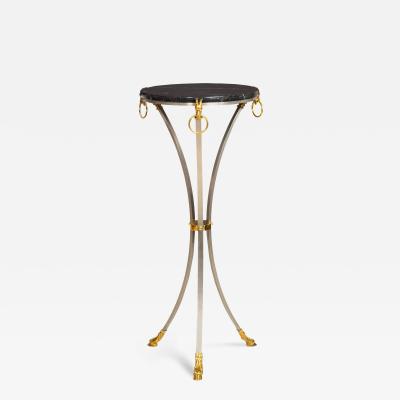
Hollywood Regency Steel Marble Top Pedestal Plant Stand Gueridon Table
-
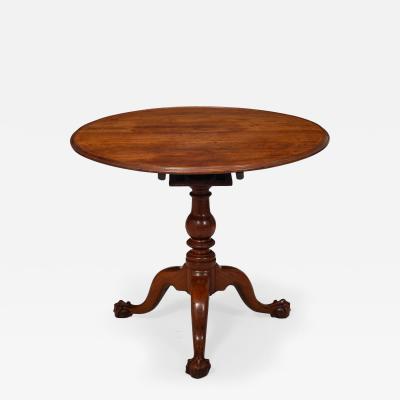
American Chippendale Carved Tilt-Top Ball and Claw Tea Table ca. 1770
-
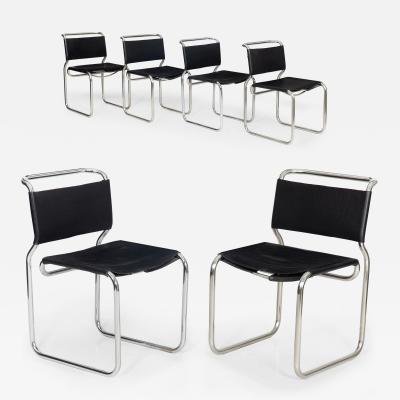
Set of Six Mid Century Modern “CH66" Dining Chairs by Nicos Zographos
-
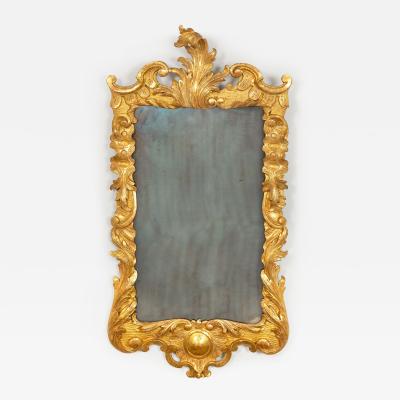
Fine George II Carved Giltwood Wall Mirror, English or Scottish circa 1750
-
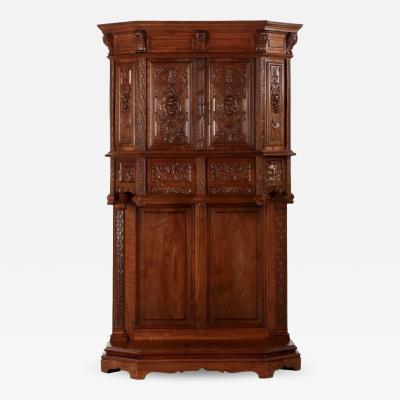
French Gothic Revival Carved Walnut Cupboard, circa 1880
-
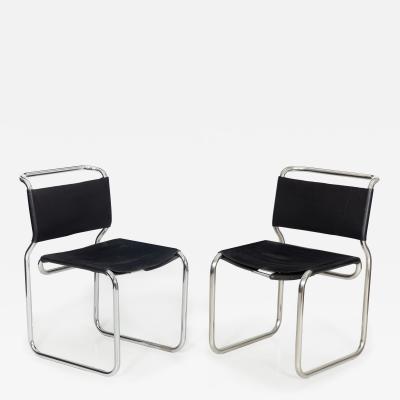
Pair of Mid Century Modern “CH66" Dining Chairs by Nicos Zographos
-
Mid Century Modern “CH66" Dining Chair by Nicos Zographos