









Offered by:
Kristan Hauge Japanese Art
2-32 Saishoji-cho, Okazaki, Sakyo-ku,
Kyoto 606-8342 , Japan
Call Seller
81757515070
Showrooms
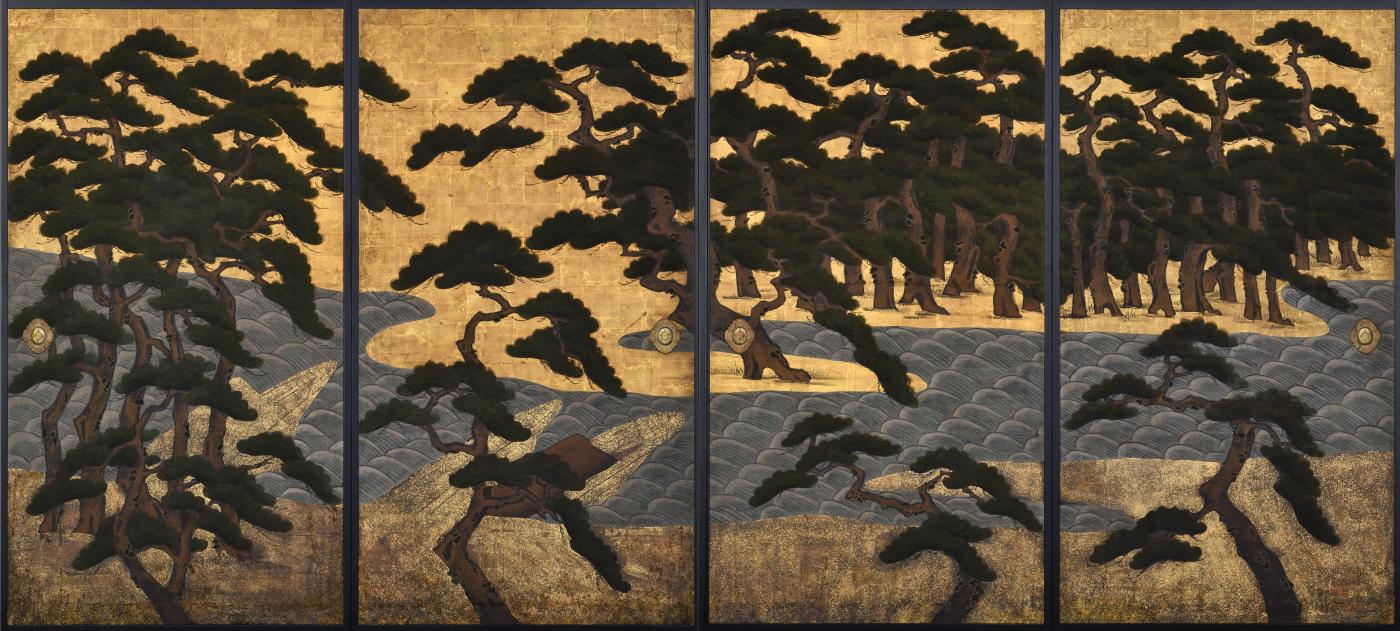
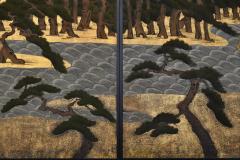
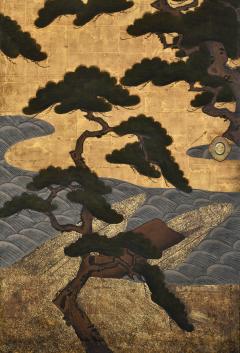
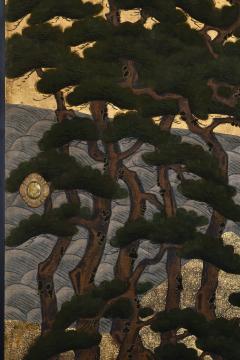
Circa 1700 Japanese Sliding Door (Fusuma) Set. Pine Trees on the Seashore.
-
Description
Anonymous
“Pine Trees on the Seashore”
Late 17th, early 18th century. Circa 1700.
A set of four sliding doors (Japanese fusuma). Ink, color, gold-leaf and gold-fleck on paper.
Dimensions (total display size – 4 doors): H. 173 cm x 385 cm (68” x 151.5”)
Japanese screens and sliding doors adorned with windswept pine trees scattered across sandy beaches, separated by elegantly flowing ocean waves, are a hallmark of traditional Yamato-e painting. Yamato-e is a style of painting that emerged in Japan and focused on distinctly Japanese themes and aesthetics rather than imitating Chinese models. Yamato-e often emphasizes narrative elements, seasonal changes, and delicate details that evoke a deep connection with nature.
This particular motif, known as Hamamatsu-zu (浜松図), or ‘Pine Trees on the Seashore’, belongs to the Meisho-e (名所絵) genre, which translates to “pictures of famous places.” Meisho-e paintings often depicted celebrated landscapes, seasonal scenes, or culturally significant locations in Japan. These sliding doors and folding screens served both artistic and functional purposes, transforming interiors into immersive landscapes. These surfaces, in particular sliding doors, allowed art to become part of the living environment, blending daily life with artistic expression.
Historical records indicate that the seashore was sometimes depicted in “pictures of famous places” of the Heian period, such as the coast of Suminoe (住之江), Ise (伊勢, Mie Prefecture), or Setsu (摂津, Hyōgo Prefecture). It seems likely that there was little variation in the coastal scenes depicted in these Heian famous view paintings because none of them were painted from life. None of the hamamatsu-zu paintings created before the 15th century have survived. However, several horizontal hand-scrolls from that era have survived to this day. These scrolls contain miniature images of painted screens, including those with pictures of the shore and pine trees. These screens depict scenes of wide open seas and stylized waves lapping against a sandy, flat shore lined with majestic pine trees. The earliest and most renowned surviving example of a pair of screens depicting pine trees, the ocean and boats dates to the Muromachi period, 15th century. These are an Important Cultural Property of Japan and held in the Tokyo National Museum. Based on these models and others like them, the theme, with gradual variation over time, continued to be represented in Japanese art until well into the Edo period.
This particular set of sliding doors is a fine example of the theme from the late 17th or early 18th centuries, circa 1700. The pine trees in this painting are depicted in a windswept, dynamic manner. Their twisted, tall forms contribute a sense of movement and energy, creating a stark contrast with the smooth, undulating lines of the ocean. This dynamic tension between the solidity of the trees and the fluidity of the sea reflects nature’s constant interplay. The gently repetitive forms of the waves not only serve to divide the composition but also guide the viewer’s eye across the scene, creating a rhythmic flow that mirrors the natural ebb and flow of the tides. The foreground features abstracted fishing boats jutting into the waves, their angular shapes adding depth and movement to the painting. These boats not only enhance the maritime theme but also hint at the livelihoods of coastal communities, subtly weaving human presence into the vast natural scenery. The interplay of land, sea, and sky, accentuated by the gold-leaf background and misty atmospheric effects, creates a harmonious and dreamlike vision of Japan’s coastal beauty.
The sliding doors have recently been fully restored and remounted. -
More Information
Period: 18th Century Condition: Good. Styles / Movements: Asian Art Incollect Reference #: 789522 -
Dimensions
W. 151.57 in; H. 68.11 in; W. 385 cm; H. 173 cm;
Message from Seller:
Kristan Hauge Japanese Art, based in Kyoto's museum district since 1999, specializes in important Japanese screens and paintings for collectors, decorators, and museums worldwide. Contact us at khauge@mx.bw.dream.jp or +81 75-751-5070 for exceptional access to Japanese art and history.
More Listings from Kristan Hauge Japanese Art View all 63 listings
-
19th Century Japanese Tiger Painting Pair by Kokuho Shimei (1789–1859)
-
1838 Japanese Screen Pair. Flowers & Grasses of the Four Seasons
-
19th Century Japanese Silk Painting by Kano Chikanobu. Cranes, Pine & Camelia.
-
Early 20th Century Pair of Japanese Screens | Deer under Maple Trees
-
17th Century Momoyama era. Crows on Pine. Studio of Hasegawa Tohaku
-
Japanese Screen Pair. 18th Century. Flowers & Birds of the Four Seasons
-
17th Century Japanese Screen Pair. Grapevines. Attributed to Kano Tsunenobu
-
Japanese Screen Pair, Tigers by Kishi Renzan, Late Edo Period.

-
17th Century Japanese Screen Pair. Roosters and Chickens in a Bamboo Grove
-
18th Century Japanese framed painting. Tiger and Cub
-
urtledoves in a Peach Tree | Nakamura Daizaburo

-
Mid 19th Century Japanese Screen Pair. Flowers & Birds of the Four Seasons
-
Early 20th Century Japanese Screen. Cat & Mouse by Otaki Uzan.

-
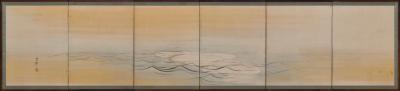
Japanese Screen. 19th Century. Reflections of the Moon