


Listings / Fine Art / Paintings / Still Life






Offered by:
Kristan Hauge Japanese Art
2-32 Saishoji-cho, Okazaki, Sakyo-ku,
Kyoto 606-8342 , Japan
Call Seller
81757515070
Showrooms
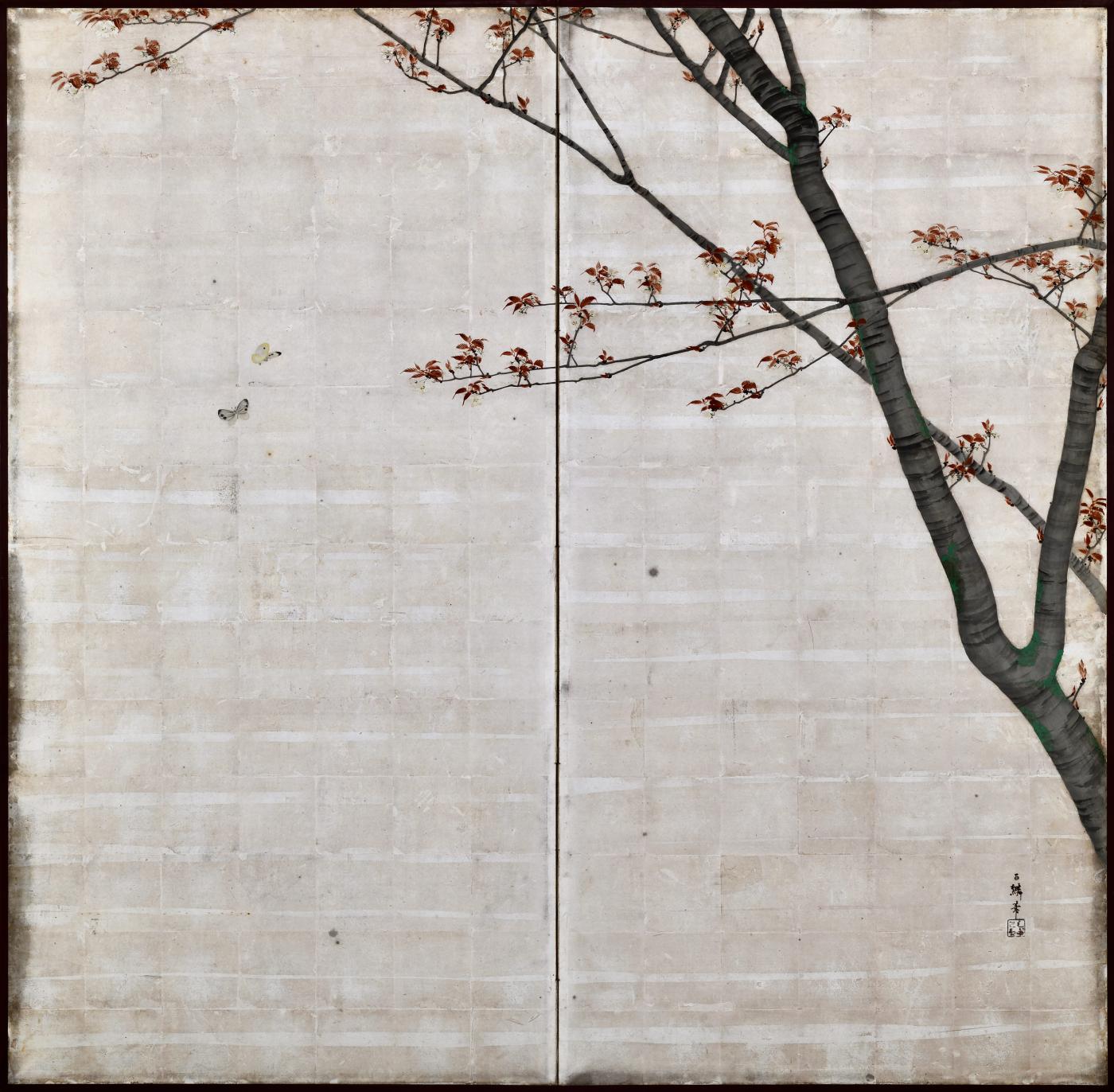
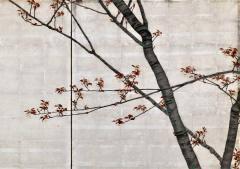
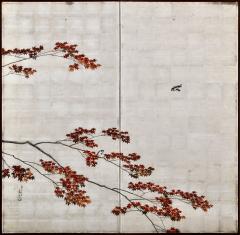
1895 Meiji Japanese Screen Pair. Cherry Blossoms & Autumn Maples on Silver Leaf
-
Description
Cherry Blossoms and Autumn Maples
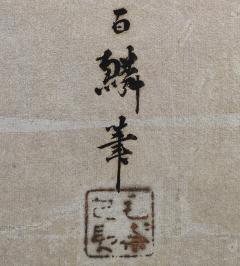
Isobe Hyakurin (1836–1906)
Dated Meiji 28, April: 1895
Pair of two-panel Japanese screens; ink and pigments on silver leaf
Dimensions of each screen:
H. 172 cm x W. 175 cm (68’’ x 69”)
Price: USD 32,000
This refined pair of screens by Isobe Hyakurin, a Shinto priest and painter of the Maruyama–Shijō school, captures the passage of time through the changing seasons. The right screen depicts spring cherry blossoms with two delicate butterflies in flight; the left shows autumn maple branches and a pair of small birds. This transition is bridged by a field of shimmering silver leaf, an abstract void where moments in time are held suspe nded between vivid change and quiet stillness.
The composition achieves a masterful balance between fullness and emptiness. The branches on each screen reach toward the center, subtly echoing one another, yet they never meet. This measured tension creates a poetic dialogue between vitality and stillness — a visual metaphor for the continuity of nature’s cycles.
Hyakurin’s use of color is both restrained and expressive. The deep crimson and russet tones of the maple leaves resonate with the pale pink and white hues of the cherry blossoms, their contrast heightened by the cool radiance of the silver ground. Over time, the silver leaf gently oxidizes, softening into warmer shades of gray, lending the work an ever-changing atmospheric quality that mirrors the impermanence of the seasons it portrays.
In this work Hyakurin upholds the naturalistic yet idealized sensibility of the Maruyama–Shijō tradition, emphasizing keen observation and emotional restraint and distilling traditional painting into its purest elements: line, air, and light.
Isobe Hyakurin (1836–1906) was a Shinto priest and painter of the Maruyama–Shijō school. Born into a family that had served as priests at the Ise Grand Shrine for generations, he initially studied painting under Hayashi Sōrin, and later under Hasegawa Gyokuho in Kyoto. There, he refined the elegant style characteristic of the Maruyama–Shijō school and developed friendships with leading Kyoto artists such as Kubota Beisen, Imao Keinen, and Suzuki Shōnen.
After returning to Ise, Hyakurin resumed his duties as a priest while continuing to paint, earning top prizes at numerous exhibitions and gaining widespread recognition. Around 1877, during a movement to incorporate former master positions into the samurai class, he was approached several times by the head of the Uji clan to sign in support of the effort. Hyakurin firmly declined, declaring, “I live in my studio by the Isuzu River, with a brush at my side; my love of natural beauty is my true talent.”
His artistic achievements were widely celebrated—he received a bronze medal at the Kyoto Exposition and a gold medal at the Oriental Painting Exhibition. In 1905, during an imperial visit to Ise, he presented the Meiji Emperor with his painting Futamigaura-no-e. Hyakurin also played a pivotal role in nurturing a new generation of artists who would go on to shape the modern Kyoto art world.
He passed away in 1906, leaving behind a poignant farewell poem:
“Katachi koso kiyure, inochi wa no ni yama ni”
(While my form may pass away, my life flows into the fields and mountains.) -
More Information
Documentation: Signed Period: 19th Century Creation Date: 1895 Styles / Movements: Asian Art Incollect Reference #: 833494 -
Dimensions
W. 68.9 in; H. 67.72 in; W. 175 cm; H. 172 cm;
Message from Seller:
Kristan Hauge Japanese Art, based in Kyoto's museum district since 1999, specializes in important Japanese screens and paintings for collectors, decorators, and museums worldwide. Contact us at khauge@mx.bw.dream.jp or +81 75-751-5070 for exceptional access to Japanese art and history.
More Listings from Kristan Hauge Japanese Art View all 61 listings
-
Sakai Hoitsu (1761-1828) | Autumn flowers | Japanese screen painting

-
Early 20th Century Japanese Screen Pair – Ink Pine Trees on Gold

-
17th Century Japanese Screen. Ink Plum Tree & Birds by Kano Naonobu

-
Early 20th Century Pair of Japanese Screens | Deer under Maple Trees
-
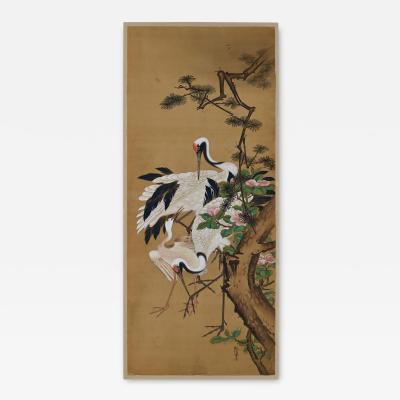
19th Century Japanese Silk Painting by Kano Chikanobu. Cranes, Pine & Camelia.
-
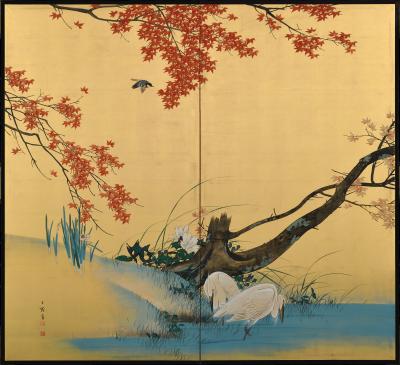
Meiji era Japanese Screen Pair, Two-panel. Spring & Autumn Birds & Flowers
-
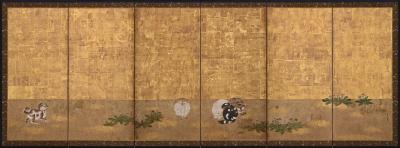
Late 17th Century Japanese Screen. Puppy and Kittens on Gold Leaf.
-
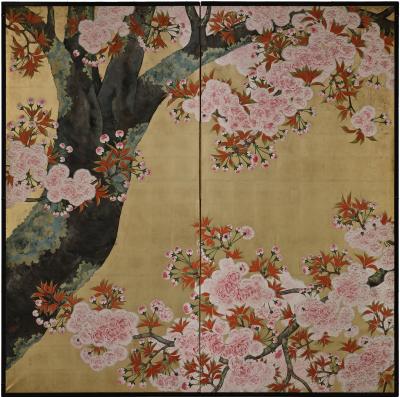
Early 20th Century Japanese Cherry Blossom Screen
-
Mitani Toshuku Unkoku School, 17th century. Japanese falcon painting.

-
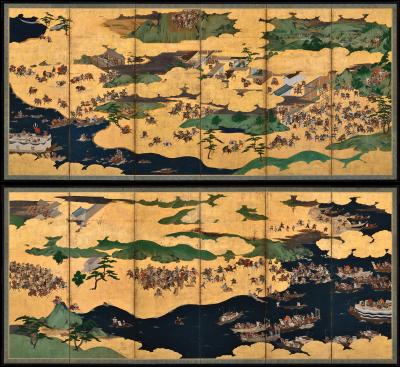
Late 17th Century Japanese Screen Pair. Battle of Ichi-no-tani and Yashima
-
Japanese Screen. Early 20th Century. Furosaki Screen. Wagtail & Chrysanthemum

-
17th Century Japanese Screen Pair. Flock of Cranes. Ink and color on gold leaf.

-
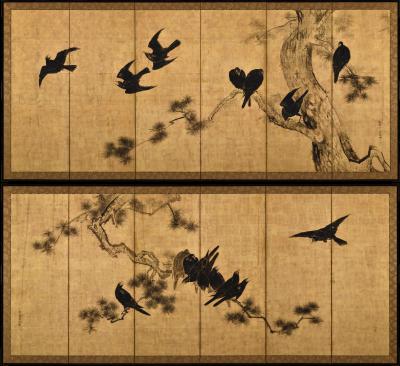
Mid 18th Century Japanese Screen Pair. Crows & Pines by Unkoku Toshuku
-
Chaekgeori painting. 19th Century Joseon. Books & Scholars’ Accouterments.