






Showrooms
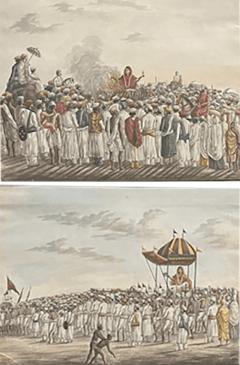
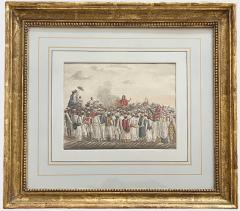
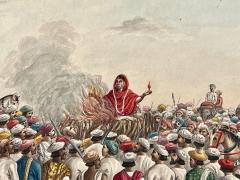
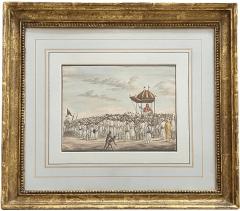
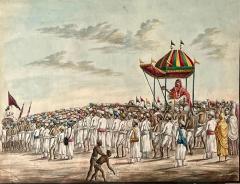
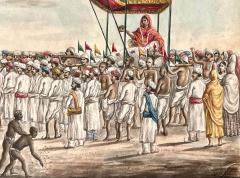
Anglo-Indian Company School Suttee Watercolour Paintings, Set of Two, circa 1810
-
Description
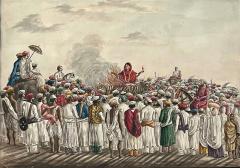
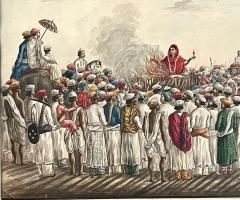
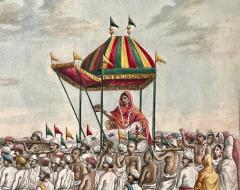
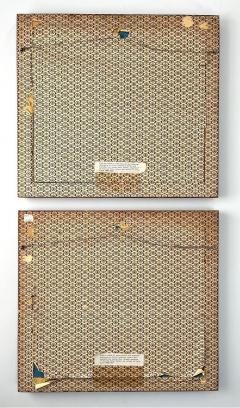
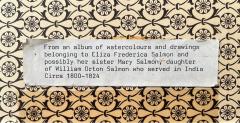
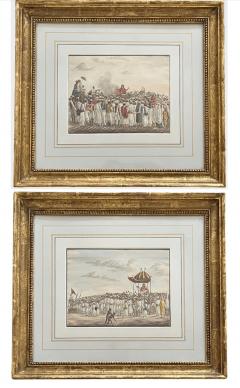
A wonderful and singular set of two early 19th century Anglo-Indian Company School watercolour paintings, likely Murshidabad, depicting 'Sati' or 'Suttee', the historical practice in which a widow sacrifices herself by sitting atop her deceased husband's funeral pyre, and the procession to the pyre. The reverses labeled "From an album of watercolours and drawings belonging to Eliza Frederica Salmon and possibly her sister Mary Salmon, daughter of William Orton Salmon who served in India circa 1800-1824." Works measure 9" x 7" and are presented French matted in giltwood molded frames with beaded inner borders.
'Company School' is a style of miniature painting that developed in India in the second half of the 18th century in response to the tastes of the British serving with the East India Company. The style first emerged in Murshidabad, West Bengal, and then spread to other centres of British trade: Benares (Varanasi), Delhi, Lucknow, and Patna. The paintings were executed in watercolours on paper, ivory, and mica. Favourite subjects were scenes of Indian daily life, local rulers, and sets of festivals and ceremonies, in line with the “cult of the picturesque” then current in British artistic circles.
The 'Company School' artistic movement left an indelible mark on the Indian art scene, influencing subsequent generations of artists and shaping the way one perceives and appreciate art in India. The artists combined European techniques such as perspective and shading with traditional Indian styles, resulting in a distinctive fusion of artistic traditions. One of the key legacies of the Company Style is its documentation of Indian history, culture, and society during a significant period of colonial rule. The paintings provide a visual narrative of the people, landscapes, and customs of the time, offering valuable insights into the diverse fabric of Indian life. They capture the essence of a bygone era, preserving a visual record that helps one understand and appreciate the cultural heritage brought in with the emergence of Company rule in India. Furthermore, the Company Style played a crucial role in bridging the gap between Indian and European artistic traditions. By blending elements from both cultures, the paintings fostered cross-cultural dialogue and exchange. They introduced Indian aesthetics to European audiences and influenced the development of Orientalist art in the West. Similarly, the Company Style also introduced European techniques and perspectives to Indian artists, inspiring them to experiment and evolve their own artistic practices. The legacy of the Company Style of Paintings can be seen in contemporary Indian art, where the fusion of diverse influences continues to thrive. Many artists today draw inspiration from the Company painters, combining traditional techniques with modern approaches to create unique and engaging works of art. This enduring legacy ensures that the Company Style remains an important part of India's artistic heritage, reminding one today of the transformative power of cultural exchange and the beauty that emerges when different artistic traditions converge. The arrival of photography was a direct blow for the style, but it survived into the 20th century, Ishwari Prasad of Patna, who died in 1950, being perhaps the last notable exponent. In the late 19th century the British established several Schools of Art, where a yet more Westernised version of the style was taught, later in competition with other styles. -
More Information
Documentation: Signed Origin: India Period: 19th Century Materials: Watercolour on paper, giltwood, glass Condition: Good. Wear commensurate with age and use. Slight creases to corners. Matts are not stained, any darkened areas are reflections on the glass. Creation Date: circa 1810 Styles / Movements: Asian, Traditional Incollect Reference #: 685608 -
Dimensions
W. 18 in; H. 16.25 in; D. 1.13 in; W. 45.72 cm; H. 41.28 cm; D. 2.87 cm;
Message from Seller:
Acroterion, founded in 2012, is by-appointment in New York’s historic Hudson Valley, offering the exceptional in fine and decorative art. Phone: 917.656.5863 | Email: info@acroterion.com
More Listings from Acroterion View all 137 listings
-
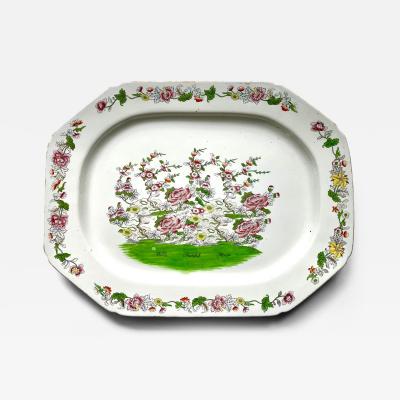
Rare Spode 'Willis Thatch'd House' London Trial Pattern Platter, circa 1810
-
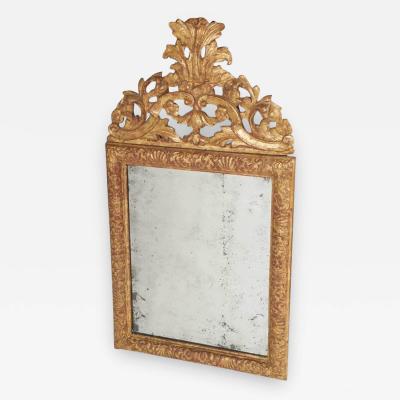
Danish Baroque Carved Giltwood Mirror with Original Plate
-
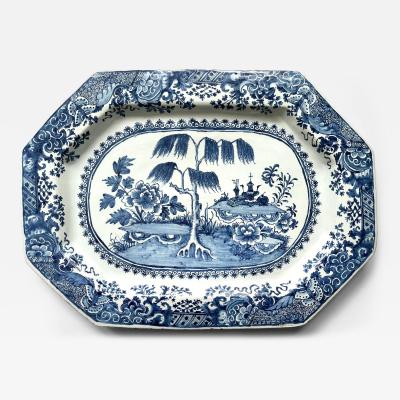
Irish Delft Blue and White Chinoiserie Platter of Massive Scale, circa 1760
-
William IV Mahogany Two-Drawer Server or Sideboard, England, circa 1835

-
English William IV Neoclassical Rosewood Pedestal Form Library Table, circa 1835

-
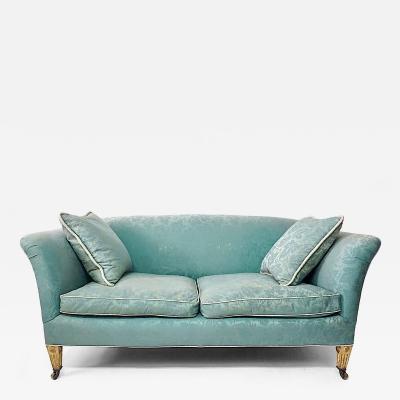
Howard & Sons 'Portarlington' Sofa with Giltwood Legs, circa 1905
-
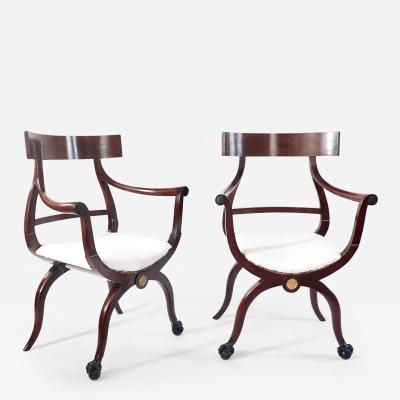
Baltic Neoclassical Klismos and Curule Form Mahogany Armchairs, Pair, circa 1800
-
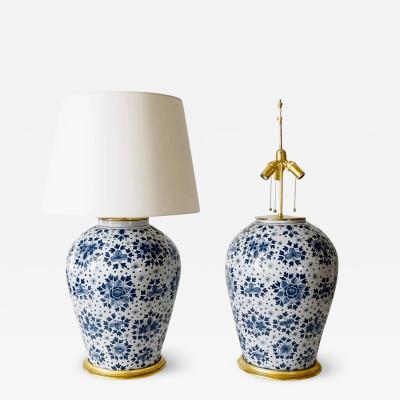
Pair of Large Scale Blue and White Dutch Delft Vase Table Lamps, circa 1850
-
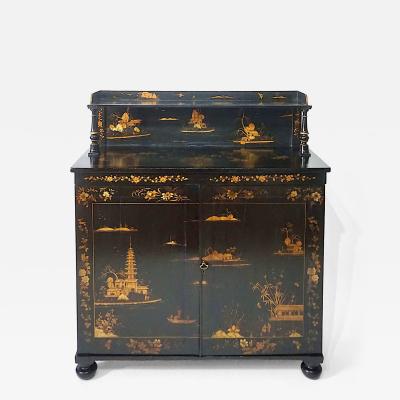
English William IV Chinoiserie Painted Chiffonier-form Cabinet, circa 1835
-
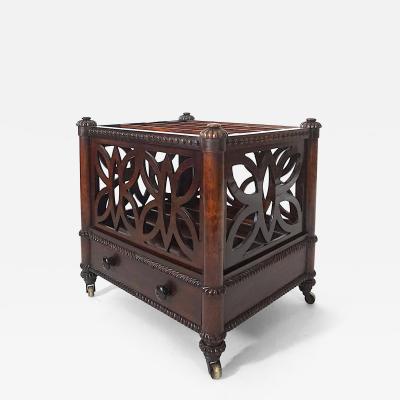
Irish Late Regency Style William IV Period Rosewood Canterbury, circa 1835
-
English George III Giltwood and Ebonized Frame Convex Mirror, circa 1800

-
Calamander Inlaid Mahogany Sofa Table by William Wilkinson, London, circa 1820
-
English Regency Caned and Ebonized Mahogany Klismos Chair, Althorp, circa 1815
-
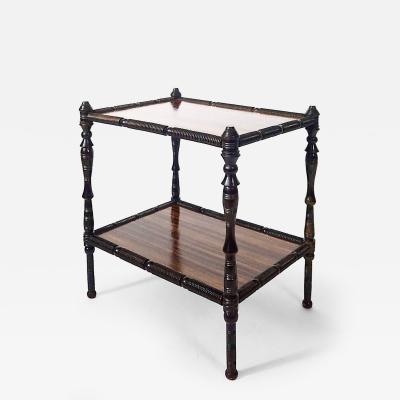
English Aesthetic Movement Macassar Ebony Petite Low Table or Stand, circa 1875