







Showrooms
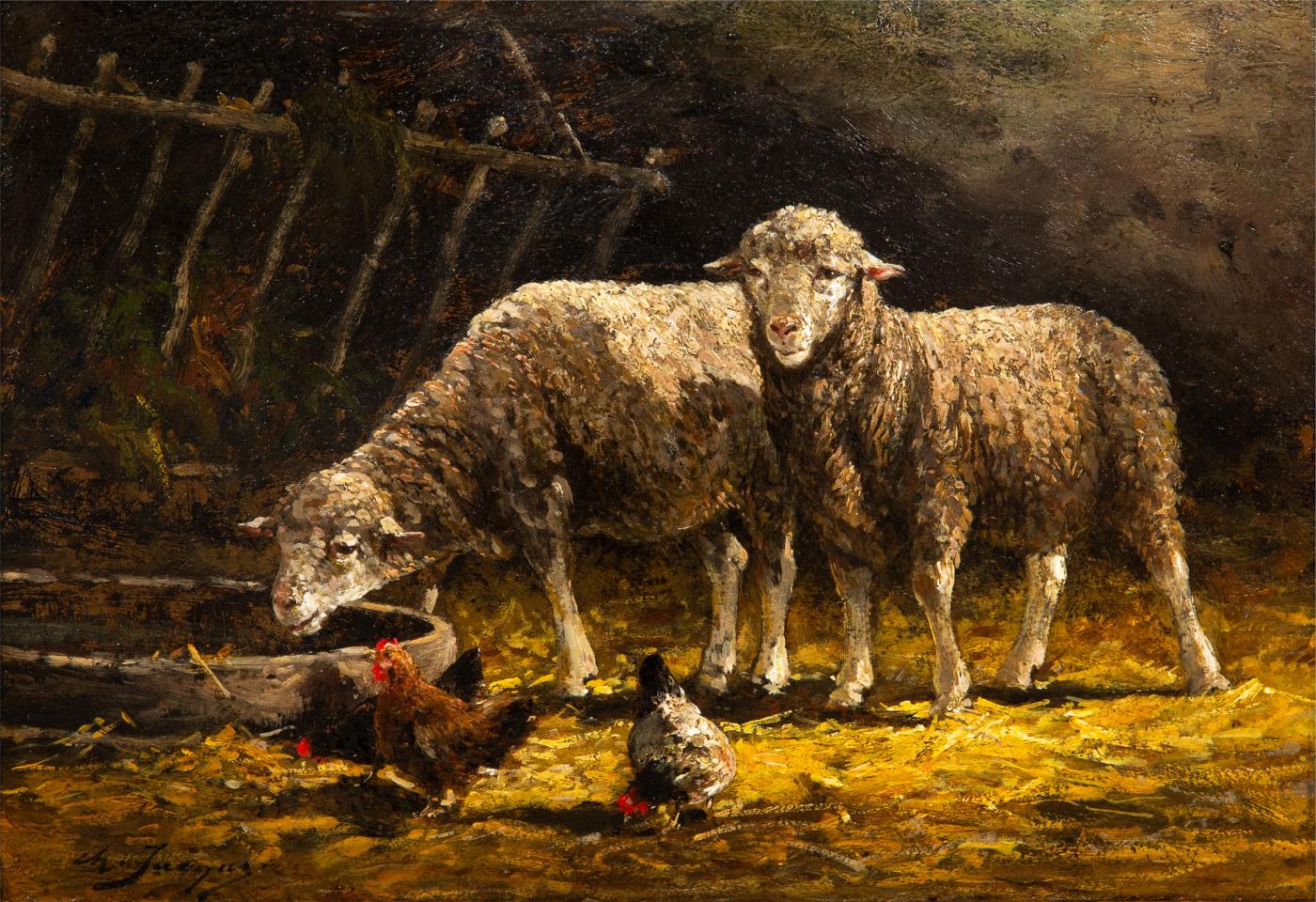
“Sheep in Stable” | Charles Emile Jacque
-
Description
CHARLES EMILE JACQUE
French, 1813-1894)
Sheep and Chickens in a Stable
Oil on panel | signed lower left "Ch. Jacque"
9 3/8" H x 12 15/16" W [panel]
16 3/8" H x 19 7/8" W x 2 3/8" D [frame]
Essay:
A finely composed cheerful pastoral scene by Charles-Émile Jacque, this oil on panel features two sheep standing in a modest barn interior accompanied by several chickens pecking at the straw-covered ground. One sheep gazes calmly at the viewer while the other lowers its head to get a drink of water from the stone trough. Set against a darkened background with hints of a feeding bin with hay captured chaotically within it, the animals are illuminated by a soft, directional light that enhances their texture and volume. Jacque’s characteristic attention to the natural behavior and anatomy of livestock is evident here, with a subdued palette and restrained brushwork that lend the composition a quiet, observational intimacy. The work is signed in the lower left corner in Jacque's typical script.
Condition:
Cleaned by our conservator and re-sealed in traditional Dammar varnish. When examined under UV, the edges show some rubbing from the frame with associated inpainting with flaring varnish in the background that is difficult to read: perhaps some overpainting. Old frame with discoloration, rubbing, chipping and wear as expected. Ready to place.
Biography
Charles-Émile Jacque was one of 19th-century France’s most distinctive artistic voices, bridging fine art and printmaking with a deeply personal vision of rural life. Though closely associated with the Barbizon School, he stood apart for his technical innovation in etching and his quiet focus on animals rather than the human figure. His work helped revive the graphic arts as a respected medium while also capturing the disappearing rhythms of agrarian France.
Born in Paris in 1813, Jacque received no formal academic training. He worked for a notary, apprenticed as a cartographer, and may have decorated chimneys or copied lithographs before turning to art in earnest. Unlike many of his contemporaries, he never attended the École des Beaux-Arts. His only brush with formal instruction came at the Atelier Suisse, an informal studio where artists like Gustave Courbet briefly studied. Military service consumed seven years of his youth, but he continued to sketch and sell small drawings during that time. After his discharge, a stay in London introduced him to British wood engraving, further enriching his technical range.
By the 1840s, Jacque had committed to etching, inspired by Rembrandt and the Dutch masters. He quickly became a central figure in the etching revival, producing hundreds of original prints and joining the Société des Aquafortistes. His early work—depicting military life, satirizing medicine in Parisian journals, and illustrating books—helped him build technical skill and secure a foothold in the art world. He exhibited regularly at the Salon, receiving several third-class medals and praise from critics including Charles Baudelaire.
In 1849, a cholera outbreak drove him to Barbizon, where he joined artists seeking refuge and inspiration in nature. There, he found his lasting subject: the quiet dignity of rural animals. Sheep, pigs, chickens, and ducks became central to his paintings and prints, rendered with careful study and without sentimentality. Unlike peers who focused on laboring peasants, he allowed animals to take center stage. His keen observation extended beyond art; he raised poultry, published articles on agriculture, and even operated a chicken farm. These pursuits reflected a sincere desire to understand the world he depicted.
Though financial hardship marked parts of his career, success came steadily after the 1860s. He received the Légion d’Honneur in 1867 and served on the jury of the Exposition Universelle that same year. Eventually he moved away from Salon exhibitions, selling work directly through dealers. He also turned briefly to furniture design, restoring and fabricating Gothic- and Renaissance-style pieces. In his later years, he adopted a looser painting style and experimented with watercolors. American collectors took notice, and his works entered important collections across the Atlantic.
Jacque died in Paris in 1894, having exhibited for the final time that year. Though long overshadowed by Millet and Rousseau, his legacy has grown. He was not only a master of etching and a sensitive painter of animals, but also a self-taught realist who helped redefine the role of graphic art in modern France. His images endure as quiet testaments to a vanishing countryside, captured with empathy, craft, and a rare fidelity to rural truth.
ref. 412KDQ29P -
More Information
Documentation: Signed Period: 19th Century Styles / Movements: Other Dealer Reference #: 412KDQ29P Incollect Reference #: 841560 -
Dimensions
W. 12.937 in; H. 9.375 in; W. 32.86 cm; H. 23.81 cm;
Message from Seller:
Silla, Ltd. is a family-owned antique gallery located at 117 W Burd St., Shippensburg, PA 17257, specializing in 19th and early 20th century bronze sculptures and unique period furniture. For more information or to schedule a visit, contact us at sales@sillafineantiques.com or call 717.708.9017.
More Listings from SILLA View all 372 listings
-
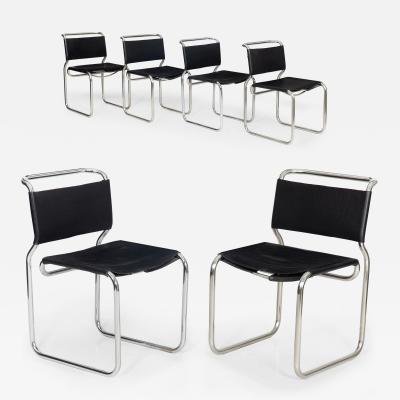
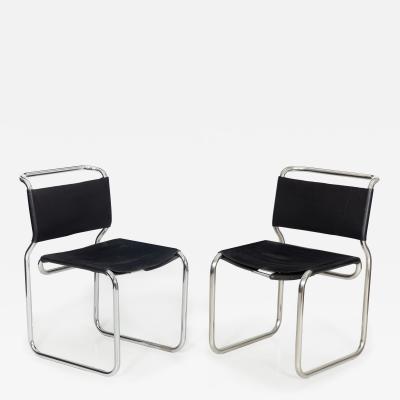
Pair of Mid Century Modern “CH66" Dining Chairs by Nicos Zographos
-
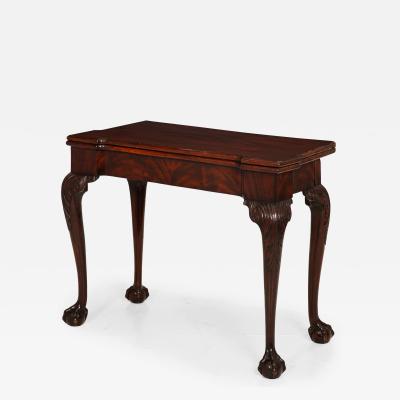
English George III Mahogany Gate Leg Card Game Table circa 1770
-
Pair of Louis XVI Style Lamps | Entwined Snake Handles

-
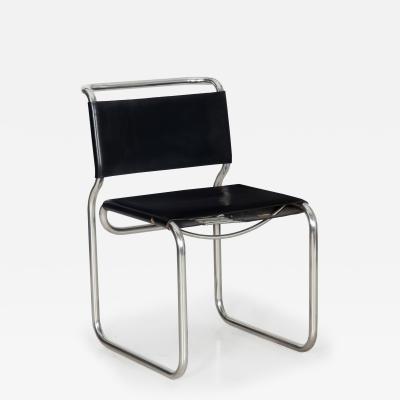
Mid Century Modern “CH66" Dining Chair by Nicos Zographos
-
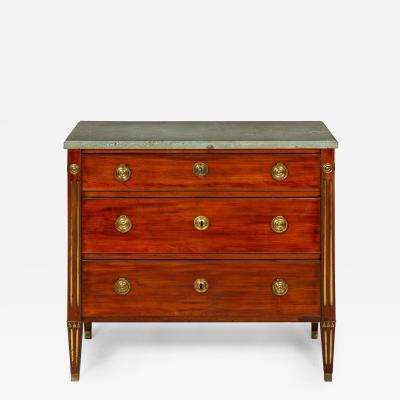
Circa 1790 Swedish Gustavian Marble Top Mahogany Desk Commode Chest
-
Baltic Neoclassical Mahogany, Brass & Leather Writing Desk, late 19th century

-
Pair of Bronze and Black Granite Demilune Console Tables, Manner of Jansen

-
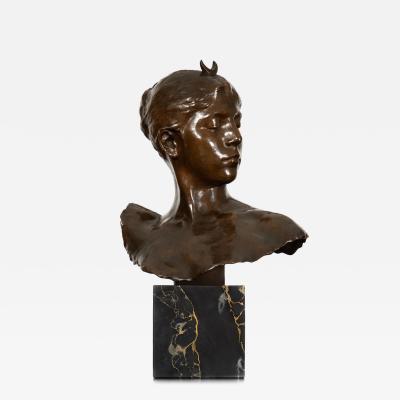
French Antique Bronze Sculpture Bust of Diana by Falguiere ca. 1880
-
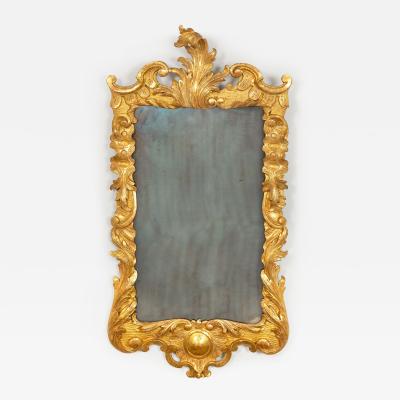
Fine George II Carved Giltwood Wall Mirror, English or Scottish circa 1750
-
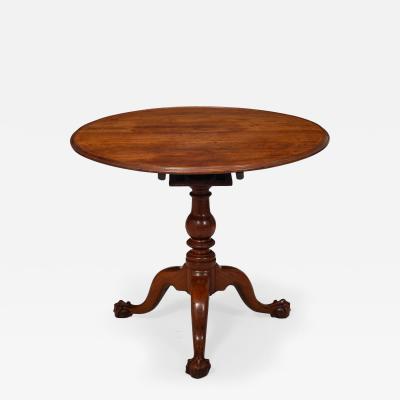
American Chippendale Carved Tilt-Top Ball and Claw Tea Table ca. 1770
-
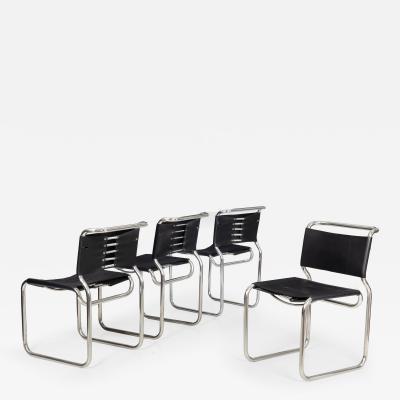
Set of 4 Mid Century Modern “CH66" Dining Chairs by Nicos Zographos
-
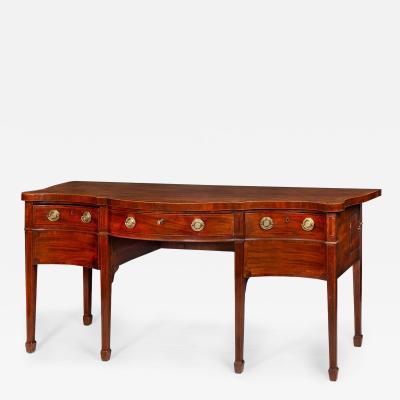
George III Period Inlaid Mahogany Serpentine Sideboard, English ca. 1790
-
Hollywood Regency Steel Marble Top Pedestal Plant Stand Gueridon Table
-
Set of Six Mid Century Modern “CH66" Dining Chairs by Nicos Zographos