


Thomsen Gallery Celebrates 20 Years in New York
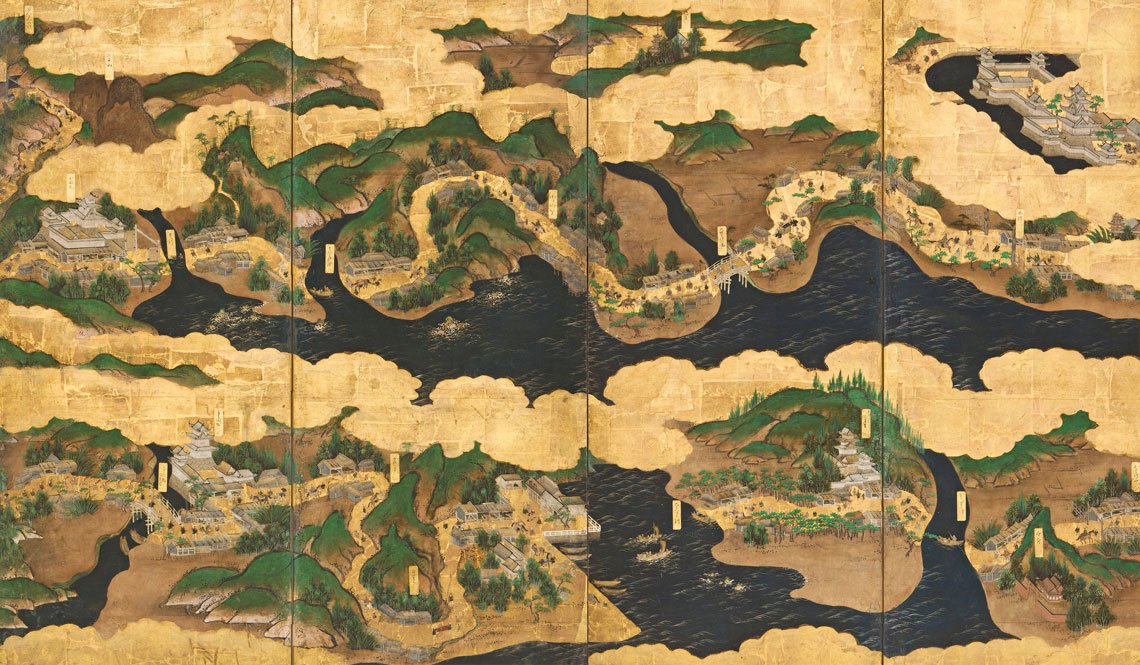 |
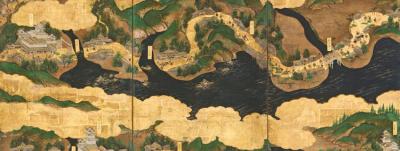
| Places Along the Tōkaidō, Six-panel folding screen (detail), ca 1620. |
Thomsen Gallery Celebrates 20 Years
in New York
by Benjamin Genocchio
Images courtesy Thomsen Gallery
Twenty years ago this September, Erik and Cornelia Thomsen opened Thomsen Gallery in New York with a specialization that was both unusually focused and remarkably broad: Japanese art, from historic screens and ceramics to modern and contemporary works. Two decades later, the gallery is celebrating the anniversary during Asia Week New York with an exhibition that neatly encapsulates what it has spent those years doing—placing centuries of Japanese artistic production into conversation with one another.
Opening September 10 and continuing through September 18, the anniversary exhibition brings together Japanese fine art from the seventeenth century to the present. It is also an opportunity to mark the evolution of a gallery that has become a fixture of New York’s Asian-art community and now occupies a townhouse at 8 East 67th Street on the Upper East Side.
Erik Thomsen’s involvement with Japanese art considerably predates the New York gallery. Born to Danish parents and raised in Japan, he speaks Japanese fluently and has dealt in Japanese art since 1981. According to the gallery, he was the first foreigner to apprentice with an art dealer in Japan. Today, Erik and Cornelia present a program specializing in screens and scrolls, early Japanese tea ceramics, bamboo ikebana baskets and lacquer, alongside postwar and contemporary Japanese art.
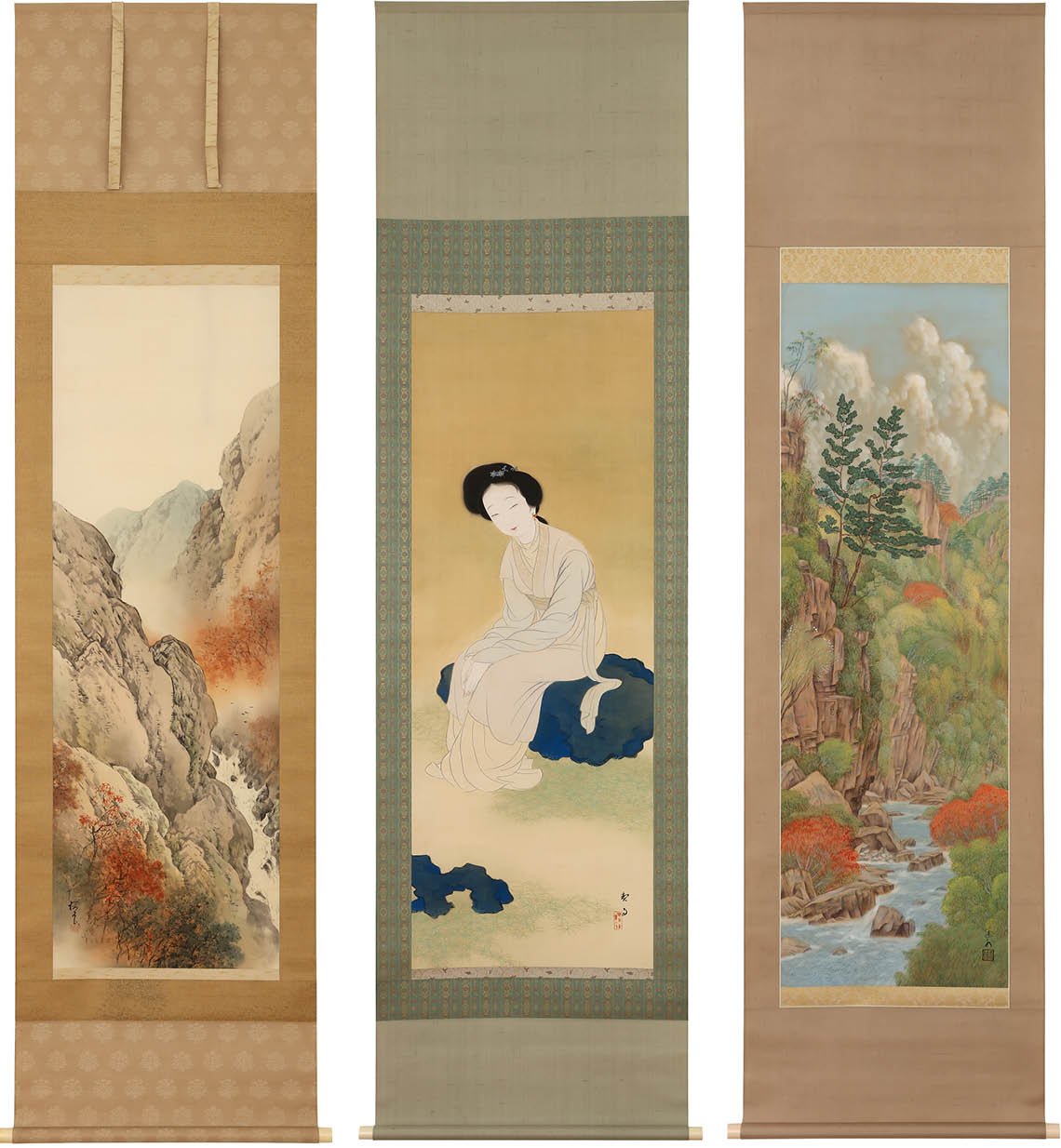 |
Left: Ikeda Yōson (1895-1988), View of the Yabakei Gorge, 1920. Hanging scroll; mineral colors, shell powder and gold on silk. Overall size 80¾ x 21½ in., image size 50½ x 16¼ in. Center: Kikuchi Keigetsu (1879–1955), Chinese Beauty, 1920s. Hanging scroll; ink, mineral colors, shell powder and gold on silk. Overall size 92½ x 25½ in., image size 54 x 19¾ in. Right: Konoshima Ōkoku (1877-1938), Autumn Mountain Landscape, 1920s-30s. Hanging scroll; ink, mineral colors on silk. Overall size 83 x 22 in., image size 50¼ x 16½ in. |
The anniversary exhibition makes a persuasive case for the breadth of that approach. Among its earliest highlights is a six-panel screen from the early seventeenth century depicting scenes from the Chinese imperial court, as well as a pair of screens dating to around 1620 showing places along the Tōkaidō road. A later screen, from the early nineteenth century, depicts blooming cherry and maple against gold leaf.
 |
Places Along the Tōkaidō, ca 1620. Pair of six-panel folding screens; ink, mineral colors, shell powder and gold on paper with gold leaf. Size each screen 47 x 110½ in. |
At the center of the exhibition is a group of hanging scrolls by leading painters of the Taisho and early Showa periods, including Yamamoto Shunkyo, Kikuchi Keigetsu, Ikeda Yōson and Konoshima Ōkoku. These artists worked at a particularly fertile moment in Japanese art, when painters were introducing greater naturalism and elements of Western art into traditional Japanese formats. Keigetsu, for example, traveled to Europe in 1922, encountering Western art traditions as well as the contemporary Fauvism and Cubism movements.
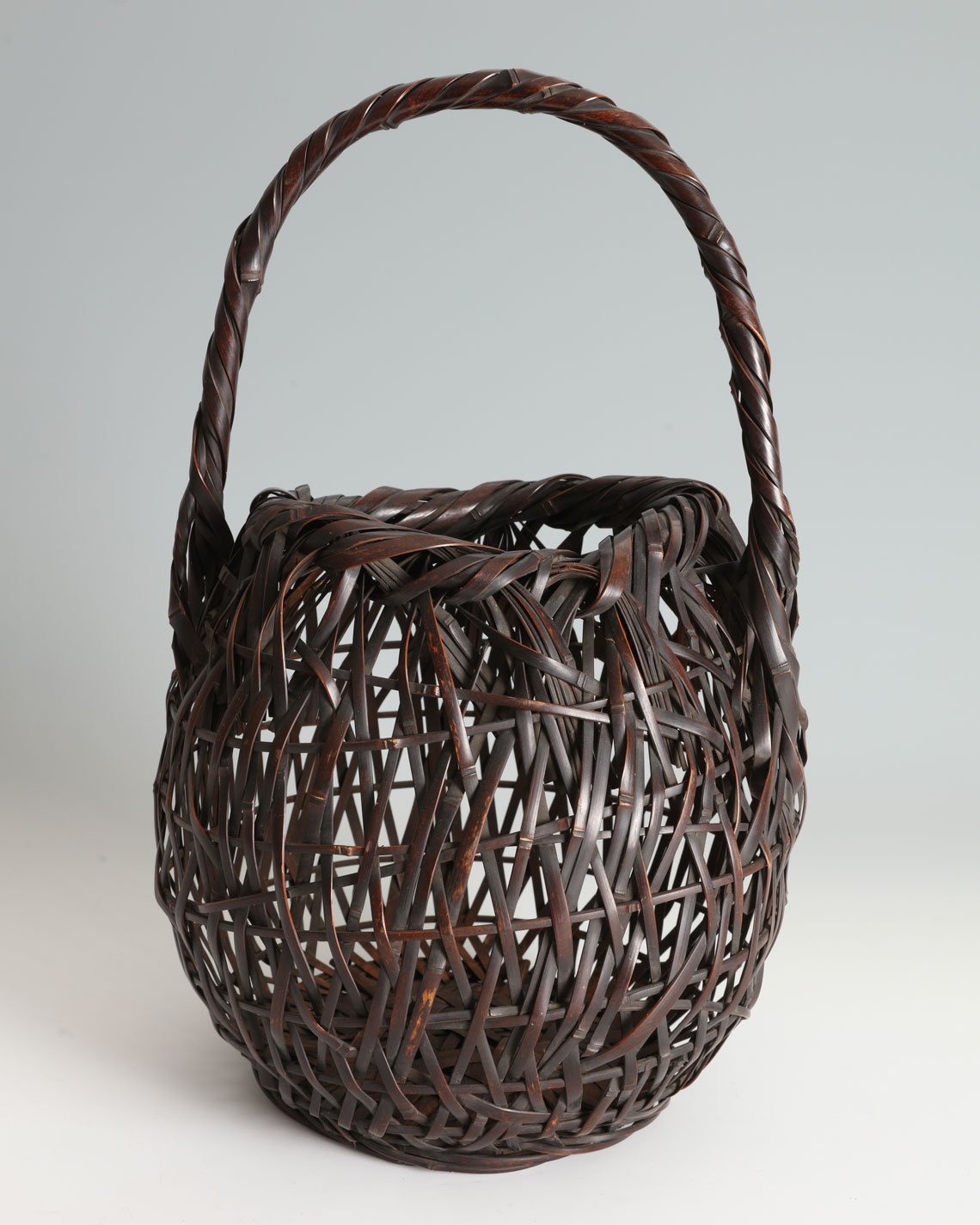 | 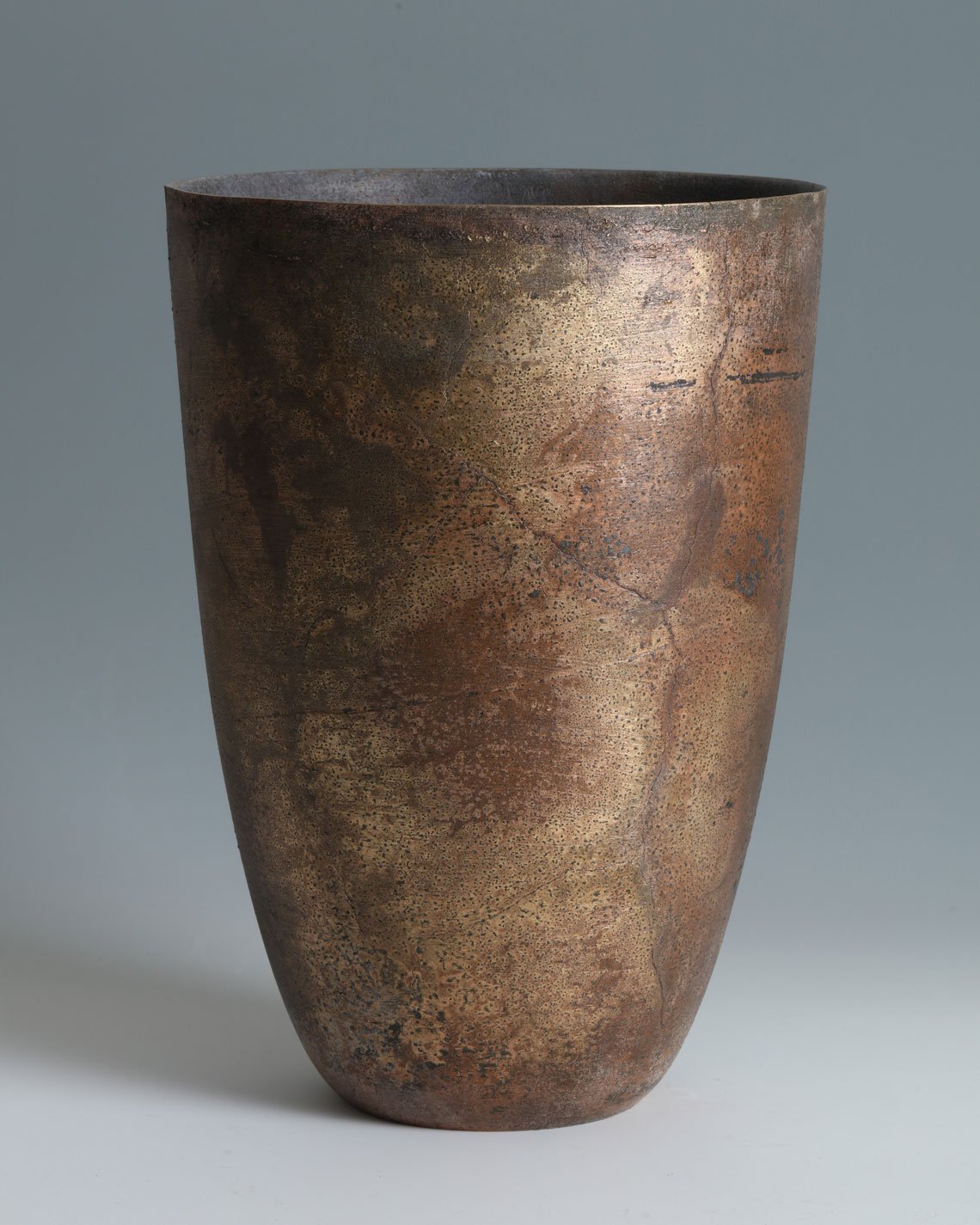 | |
Left: Hayakawa Shōkosai III (1864–1922), Bag-Shaped Handled Flower Basket in Mizore Plaiting, 1915, Japan. Bamboo, H 15¾ x 10 x 9½ in. Right: Koji Hatakeyama (b. 1956), Bronze as Bronze II, 2025. Patinated bronze, 12½ x 9 x 9 in. | ||
The show also includes ikebana bamboo baskets by masters such as Tanabe Chikuunsai II and Hayakawa Shōkosai III, together with bronze vessels by Hasuda Shūgorō and Yoneda Bisho. Bringing the chronology into the present are 2025 works by Koji Hatakeyama, the celebrated Takaoka-born bronze artist whose practice combines Japan’s long metalworking traditions with stark contemporary forms.
Thomsen Gallery’s 20th Anniversary exhibition runs September 10–18 during Asia Week New York. An anniversary reception will be held September 15 from 5 to 8 p.m.
 |
Discover More from Thomsen Gallery on Incollect
 |