










Showrooms
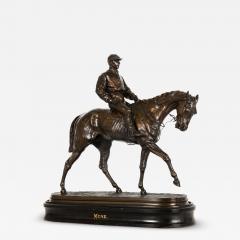
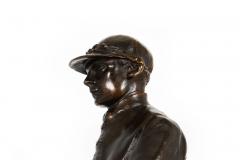
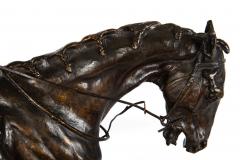
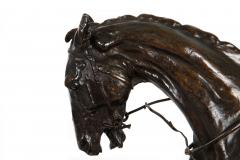
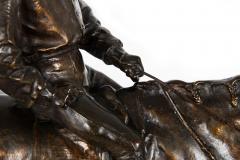
Jockey & Horse, “Vainqueur du Derby” Bronze Sculpture after Pierre Jules Mene
-
Description
PIERRE-JULES MÊNE
French, 1810-1879
"Jockey à Cheval no. 1, Vainqueur du Derby"
Patinated bronze on an original ebonized wood base
Signed to terrace "P.J. MENE"
Post-humously cast late 19th/early 20th century
18 1/2" H x 17 7/8" W x 6 5/8" D [total with base]
16 5/8" H x 16 5/8" W x 5 3/8" D [sculpture only]
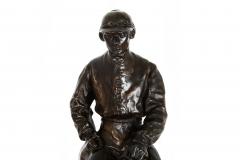
First modeled in 1863 and exhibited at the Paris Salon of that year under the title Jockey à cheval, Vainqueur du Derby is one of Pierre-Jules Mêne’s most recognized racing compositions. The subject is widely associated with the horse Caractacus, winner of the 1862 Epsom Derby. It captures a moment of quiet control rather than speed: the horse walks with an extended stride, the rider sitting almost perfectly upright, reins held with relaxed confidence. Mêne’s handling of musculature and his familiarity with equine movement are evident throughout; these are the attributes that helped establish him as one of the leading animaliers of the 19th century.
A complex sand-cast model executed during the late 19th/early 20th century, it is crafted of dozens of individual elements carefully joined together invisibly prior to patination. The horse is affixed to the base with slotted screws from the underside.
Vainqueur du Derby became one of Mêne’s most commercially successful models, produced in two sizes and sold through the artist’s own foundry. Its enduring appeal lies in its balance of elegance and restraint: an honest, observed moment from the racing world rather than a theatrical pose.
The model is raised over its original molded ebonized wood base.
Literature: Pierre-Jules Mêne, 1810-1879, Richarme & Poletti, p. 43, ill. 30
Condition: Rider is missing his crop; we can have a replacement fabricated upon request. Reign on proper left ring of horse's bit absent. Rubbing and wear to the patina, the raised elements relieved. Rubbing and wear to the ebonizing of the base.
ref. 507HHT28W -
More Information
Documentation: Signed Origin: France Period: 19th Century Materials: Bronze, Wood Condition: Good. Rider is missing his crop; we can have a replacement fabricated upon request. Reign on proper left ring of horse's bit absent. Rubbing and wear to the patina, the raised elements relieved. Rubbing and wear to the ebonizing of the base. Styles / Movements: Classical, Traditional Dealer Reference #: 507HHT28W Incollect Reference #: 834819
Message from Seller:
Silla, Ltd. is a family-owned antique gallery located at 117 W Burd St., Shippensburg, PA 17257, specializing in 19th and early 20th century bronze sculptures and unique period furniture. For more information or to schedule a visit, contact us at sales@sillafineantiques.com or call 717.708.9017.
More Listings from SILLA View all 370 listings
-
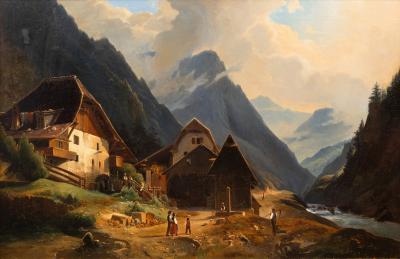
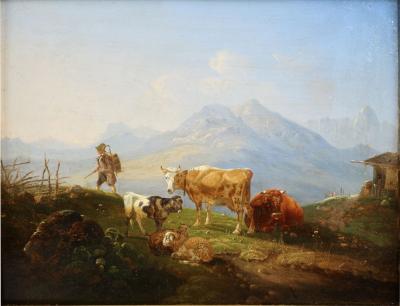
German School Alpine Landscape with Hiker and Livestock, 19th Century
-
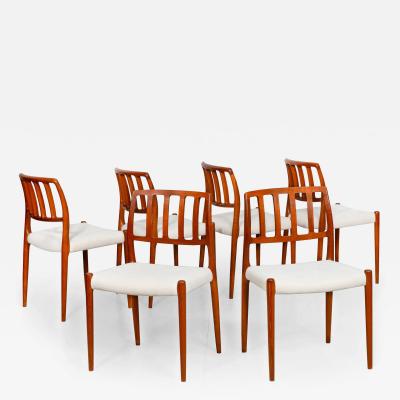
Set of 6 Danish Mid Century Modern Teak Model 83 Niels Moller Dining Chairs
-
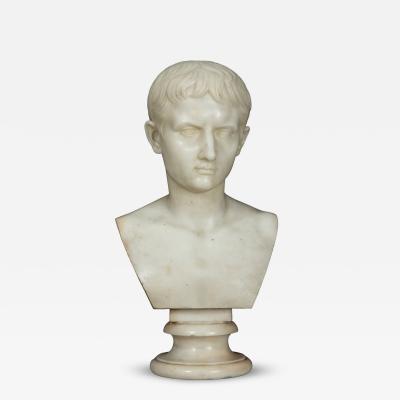
Grand Tour Italian Antique Marble Bust Sculpture "Young Caesar Augustus"
-
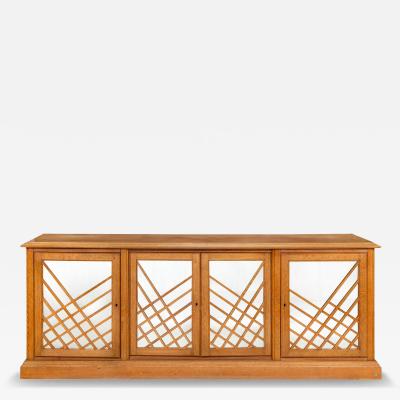
French Modernist Cerused Oak Sideboard Buffet Cabinet by Jean Claude Mahey
-
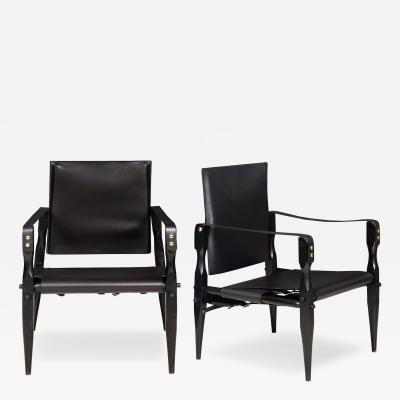
Pair of Ebonized Black Leather "Safari" Chairs | Wilhelm Kienzle
-
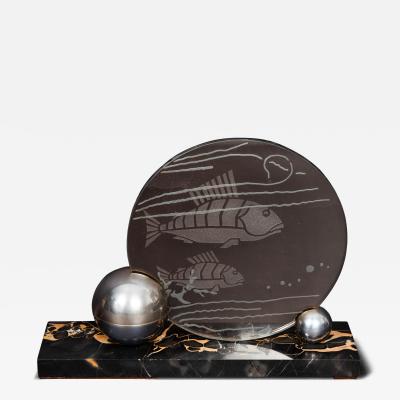
French Art Deco Chrome and Etched Glass "Fish" Lumiere Table Light
-
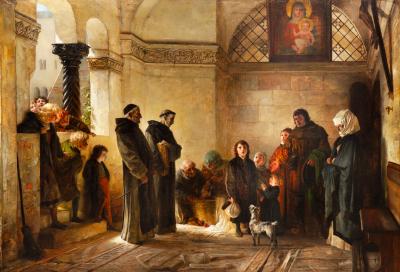
Museum Quality Painting “Martin Luther at Magdeburg” by Wilhelm Lindenschmit
-
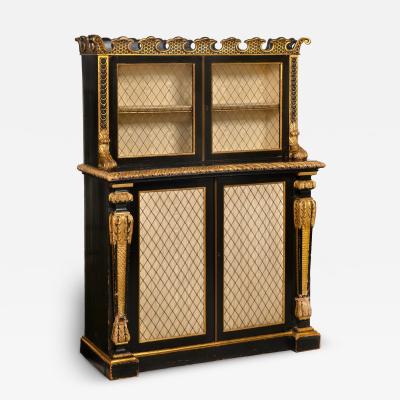
Regency Period Black and Gilt Painted Bookcase Cabinet, 19th Century
-
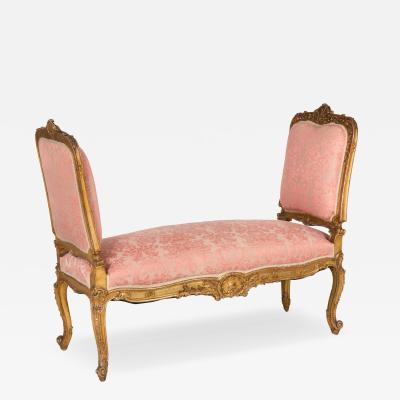
French Louis XV Style Window Bench
-
French Provincial Desk in Ebonized Polychrome, late 18th century

-
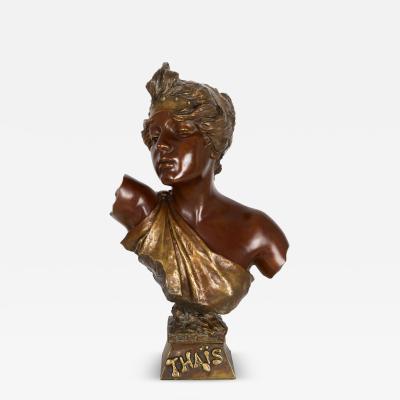
Emmanuel Villanis Bronze Sculpture Bust of Thais
-
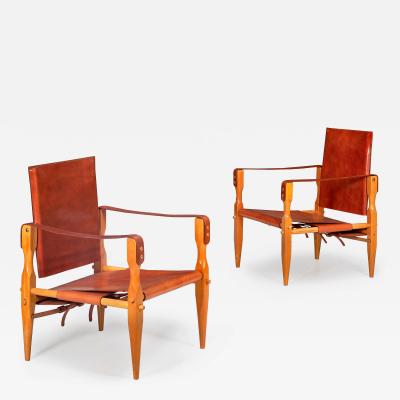
Pair of Brown Saddle Leather "Safari" Chairs | attr. Wilhelm Kienzle
-
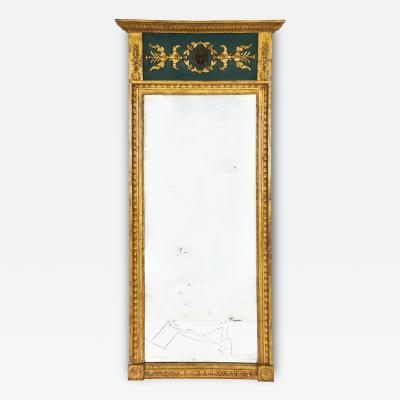
Regency Period Gilded Pier Mirror with Lion’s Mask, early 19th century
-
Continental School Alpine Village Oil Painting, late 19th century