










Offered by:
Solomon Treasure
1050 Second Ave
New York City, NY 10022 , United States
Call Seller
917.686.9732
Showrooms
An Imperial Japanese Meiji Shibayama Tea Cabinet by The Tokugawa Samurai Clan
-
Description
An Imperial Japanese Meiji Shibayama Tea Ceremony Cabinet by The Tokugawa Samurai Clan.
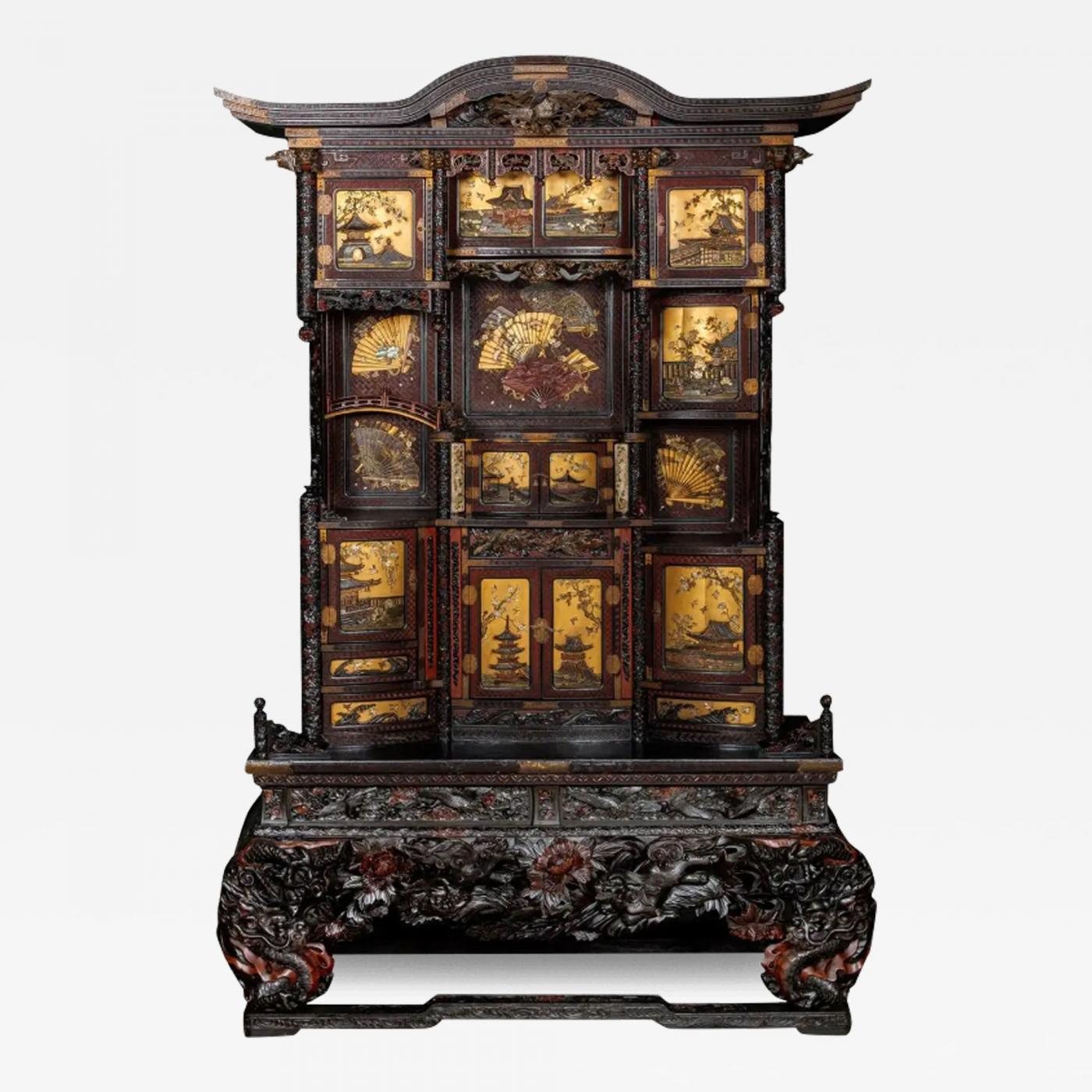
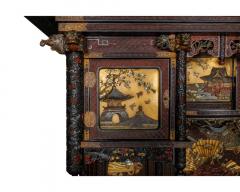
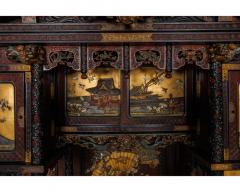
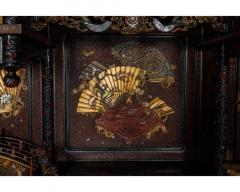
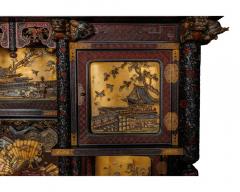
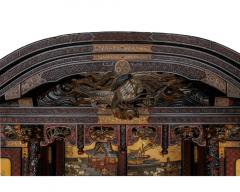
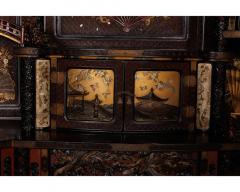
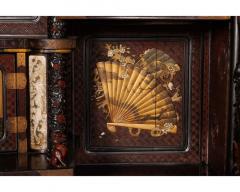
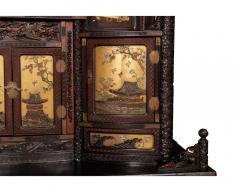
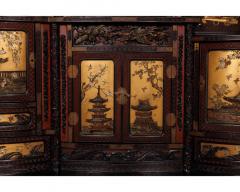
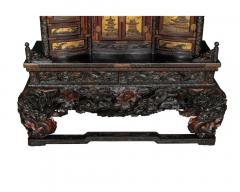
This extraordinary Meiji-period shibayama cabinet, attributed to the Tokugawa samurai clan, stands as a masterful example of Japanese craftsmanship and cultural symbolism. Crafted with impeccable detail, the cabinet combines traditional Japanese aesthetics with intricate symbolism, drawing from the rich cultural and historical heritage of Japan. The base of the cabinet features two dragons locked in a dramatic duel, symbolizing power and balance. Each door panel showcases unique scenes of birds soaring over cherry blossoms and serene Japanese garden landscapes. Fans adorned with depictions of dragons and garden motifs further enhance the cabinet’s decorative appeal. At the pinnacle of this work is the Tokugawa Mon (family crest), accompanied by a phoenix, a revered symbol in Japanese art and mythology.
The cabinet contains multiple compartments, each door meticulously decorated with floral garden scenes. The center panel is a striking feature, adorned with intricately carved cinnabar and lacquer inlay. Additionally, the cabinet includes a bridge with foo dogs stationed at each end, symbolizing protection and prosperity. Each compartment door is further enhanced with a phoenix bird, meticulously carved into the wood, reinforcing the themes of renewal and power.
The Tokugawa Clan: Legacy and Influence
The Tokugawa clan rose to prominence during the early 17th century under Tokugawa Ieyasu, the founder of the Tokugawa shogunate, which ruled Japan from 1603 to 1868. The clan’s governance ushered in an era of peace and cultural flourishing known as the Edo period. Their legacy is deeply intertwined with Japan’s political stability and artistic development. The shogunate encouraged artisans, fostering the creation of exceptional works in ceramics, lacquerware, and metalwork. This cabinet exemplifies the Tokugawa’s dedication to artistic excellence and their enduring influence on Japanese art.
A story often associated with the Tokugawa clan illustrates their wisdom and strategic prowess. During the pivotal Battle of Sekigahara in 1600, Ieyasu’s patience and tactical acumen led to a decisive victory, unifying Japan under his leadership. This victory was not only a political milestone but also set the stage for the clan’s cultural patronage, influencing works like this shibayama cabinet centuries later.
The Symbolism of Dragons in Japanese Art and Culture:
Dragons are a recurring motif in Japanese art, embodying power, wisdom, and protection. Unlike their Western counterparts, Japanese dragons are often associated with water and are seen as benevolent guardians of natural forces. The two dragons depicted on the cabinet’s base are engaged in a dynamic duel, symbolizing balance and the interplay of opposing forces—a theme deeply rooted in Japanese philosophy and Shinto beliefs.
In Japanese culture, dragons are also tied to the emperor and the divine. They represent a bridge between heaven and earth, reflecting a harmony that mirrors the Tokugawa’s rule—a balance between order and cultural growth. The depiction of dragons on this cabinet not only showcases their importance but also aligns with the Tokugawa’s identity as protectors of Japan’s heritage.
The Cabinet’s Doors: Scenes of Nature and Symbolism
The doors of the cabinet are adorned with exquisite inlaid shibayama work, featuring birds in flight over blooming cherry blossoms and tranquil Japanese garden scenes. These motifs celebrate Japan’s natural beauty and the transient nature of life, a concept known as *mono no aware*. Cherry blossoms, a central symbol in Japanese art, represent both the fleeting beauty of existence and renewal. Birds, often depicted in flight, symbolize freedom and the soul’s transcendence.
The gardens illustrated on the cabinet reflect a meditative quality, inviting viewers to contemplate nature’s harmony. Such landscapes were significant during the Meiji period, as Japan sought to balance its traditional identity with rapid modernization. These motifs underscore the Tokugawa’s role in preserving Japan’s cultural essence amidst change.
Fans as Decorative Elements:
Fans are a recurring decorative element on this cabinet, showcasing scenes of dragons and Japanese gardens. In Japanese culture, fans are both practical objects and symbolic artifacts. They are often associated with social status, rituals, and seasonal celebrations. The inclusion of fans on this cabinet emphasizes elegance and serves as a canvas for intricate artistry. The depictions of dragons and gardens on the fans reiterate the cabinet’s themes of balance, beauty, and cultural heritage.
The Tokugawa Mon and Phoenix: Significance in Japanese Art
At the cabinet’s apex lies the Tokugawa Mon, featuring the clan’s iconic triple hollyhock crest alongside a phoenix. The Mon, a symbol of the Tokugawa’s authority and legacy, reinforces the cabinet’s provenance. The addition of the phoenix elevates the cabinet’s symbolism, as the phoenix is a revered creature in Japanese mythology, representing immortality, renewal, and harmony.
In Japanese art, the phoenix is often depicted alongside motifs of imperial significance. Its presence here may allude to the Tokugawa’s divine right to rule and their enduring influence. Combined with the Mon, the phoenix creates a powerful emblem of legacy, resilience, and cultural preservation.
This Meiji-period shibayama cabinet is a testament to the Tokugawa clan’s enduring impact on Japanese art and culture. Through its intricate craftsmanship and rich symbolism—from the dueling dragons and serene natural landscapes to the Tokugawa Mon and phoenix—the cabinet encapsulates a harmonious blend of power, tradition, and artistic innovation. It stands as a remarkable artifact, preserving the essence of a transformative era in Japan’s history.
84" high x 56" wide x 20" deep
Very good condition, normal wear consistent with age and use. Some fading to lacquer on some panels, otherwise excellent condition- A true museum piece.
*Please note the Cloisonne enamels are not included with the cabinet. -
More Information
Origin: Japan Period: 19th Century Materials: Lacquer,Mother-of-Pearl,Wood Condition: Good. Styles / Movements: Traditional, Other Incollect Reference #: 776349 -
Dimensions
W. 56 in; H. 84 in; D. 20 in; W. 142.24 cm; H. 213.36 cm; D. 50.8 cm;
Message from Seller:
For four generations, Solomon Treasure has built a distinguished reputation for offering rare and important 18th-19th century antiques and fine art, serving museums, collectors, and designers worldwide. Located in the heart of Manhattan, we specialize in exceptional pieces ranging from Napoleon Neoclassical to Art Deco and Middle Eastern Islamic treasures. Contact: Mory Talasazan, Director | mory@solomontreasureny.com | 917.686.9732 |
More Listings from Solomon Treasure View all 188 listings
-
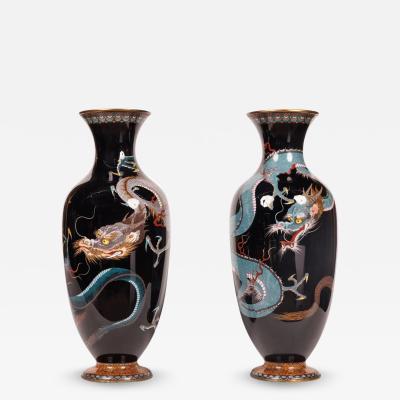
Large Pair of Meiji Period Japanese Cloisonne Enamel Double Dragon Vases
-
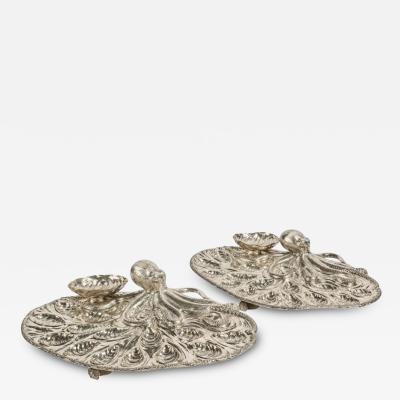
Rare Pair of Mario Buccellati Italian Silver Marine-Themed Oyster Platters
-
State of Qatar and Grant Macdonald, a Rare Silver Humidor Box
-
Magnificent Pair of Ormolu-Mounted Pink Chinese Porcelain Vases
-
Magnificent, Large Chinese Carved Coral Figural Group, Seven Figures with Fish
-
1876 Centennial Exhibition, J & L. Lobmeyr Ormolu Mounted Ruby Glass Centerpiece
-
A Grand Meiji Cloisonné Enamel Tray Featuring Cherry Blossoms and Birds
-
A Fine, Large Japanese Cloisonne Enamel Cobalt Blue Vase with Cranes, Hayashi
-
A Rare American Gold Intaglio Seal of George Washington, Early 19th Century
-
A Rare Alexis Falize Antique Gold and Cloisonné Enamel Locket, Circa 1867
-
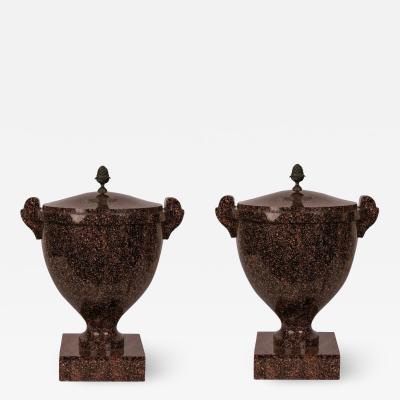
Large Pair of Swedish Blyberg Porphyry Vases and Covers, Early 19th Century
-
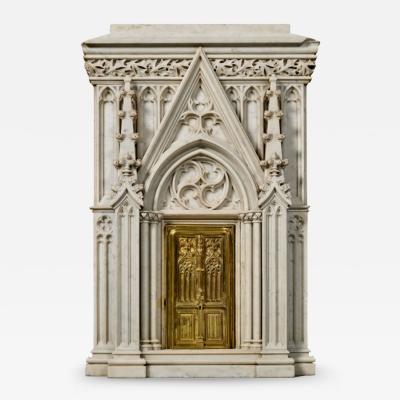
A Rare Monumental Italian Carved Carrara Marble Model of A Cathedral
-
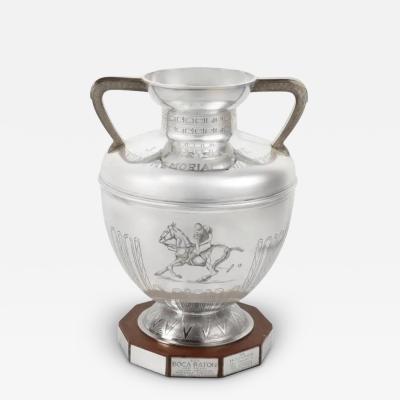
Rare One-of-a-Kind Buccellati Sterling Silver Polo Trophy for Boca Raton Polo
-
The Duke and Duchess of Windsor - An Exquisite Ormolu and Églomisé Bureau Plat

