








Charles Eames
American, 1907 - 1978

Charles Eames (1907–1978), in inseparable partnership with his wife Ray Eames, stands as the most influential figure in 20th-century American design. A visionary architect and industrial designer, Eames transitioned from early experiments with molded plywood—originally developed for military splints during WWII—to creating a universal language of modern living. His philosophy, "the best for the most for the least," drove a career that democratized high design, moving it from the elite galleries of Europe to the everyday American home through iconic collaborations with Herman Miller and Vitra.
Beyond his legendary furniture, Eames was a polymath who reshaped architecture through the Eames House (Case Study House No. 8) and pioneered communication design for clients like IBM and Boeing. His work is defined by an iterative process of "learning by doing," where the constraints of materials like fiberglass, aluminum, and wire mesh were transformed into sculptural forms that prioritize human ergonomics over mere ornament.
Iconic Furniture & Design Innovations
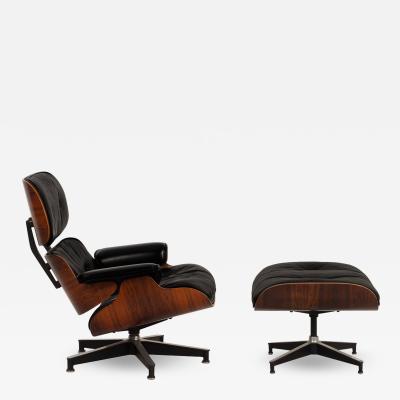
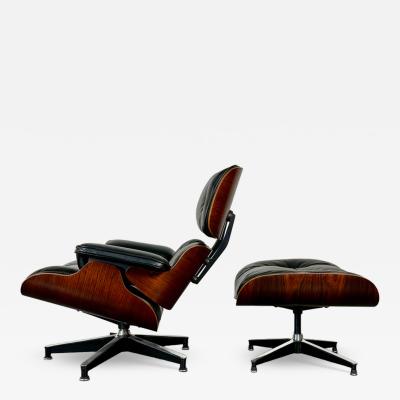
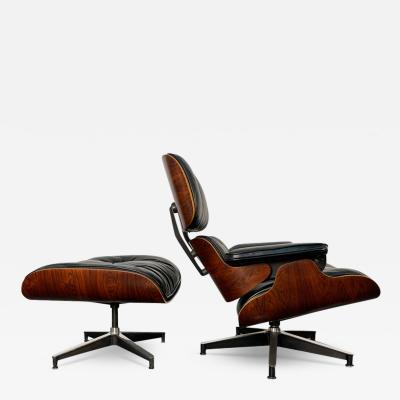
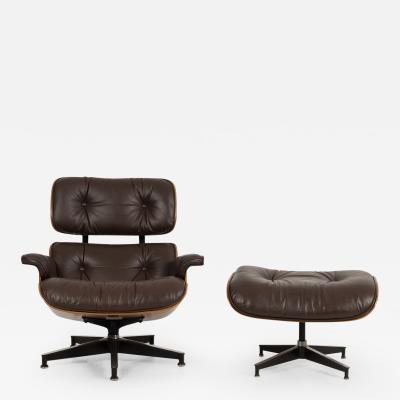
Eames Lounge Chair and Ottoman (1956): Perhaps the most recognized piece of modern furniture, designed to have the "warm, receptive look of a well-used first baseman's mitt." It combined molded rosewood veneers with plush leather upholstery to set a new global standard for luxury.
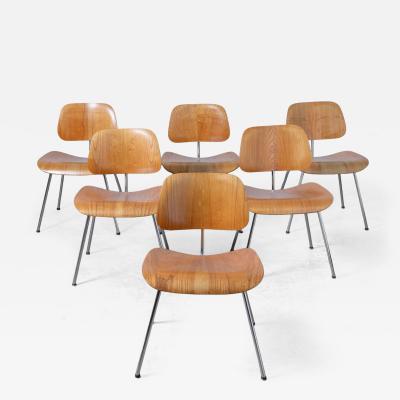
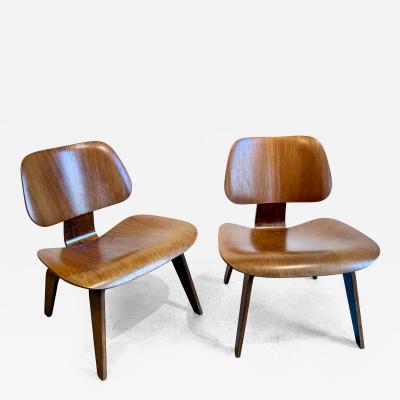
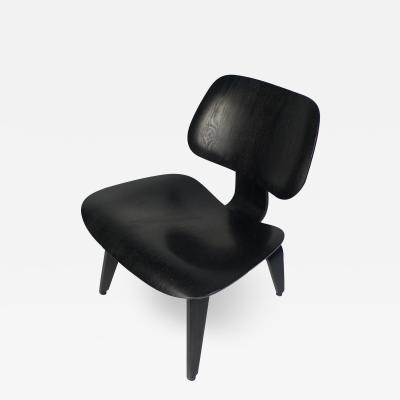
Molded Plywood Group (LCW & DCW): Hailed by Time magazine as the "Design of the Century," these chairs utilized compound curves to fit the human body, a feat previously thought impossible with wood.
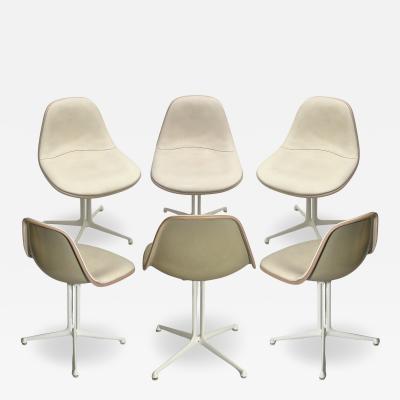
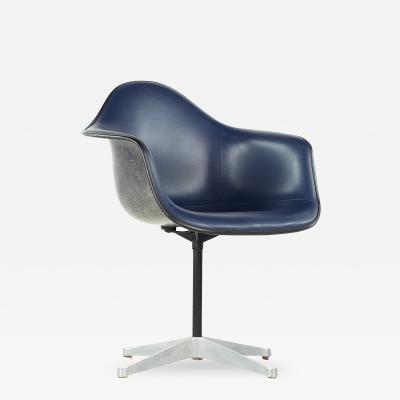
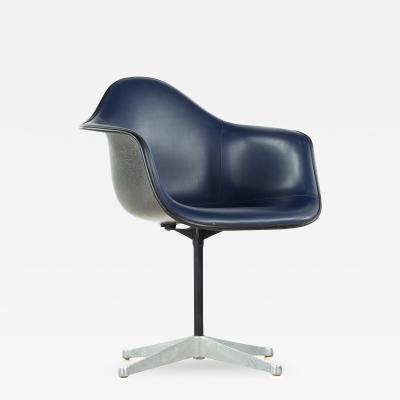
Fiberglass & Plastic Shell Chairs (1950): The first mass-produced plastic chairs in history, offering a single-shell seat that could be paired with various "Eiffel Tower" or wooden bases to suit any environment.
Aluminum Group (1958): Originally designed as outdoor seating, this series introduced a technical "sitting pocket" of fabric stretched between aluminum ribs, creating a flexible, supportive seat without traditional padding.
Eames Storage Units (ESU): A modular, industrial-inspired shelving system that used enameled Masonite and dimpled plywood, reflecting the couple's interest in prefabricated, "machine-age" aesthetics.

new
Charles Eames
Rare Charles & Ray Eames Walnut ESU / EDU Desk Model D-20N for Herman Miller-50s
H 29 in W 60 in D 28 in
$ 7,500

Charles Eames
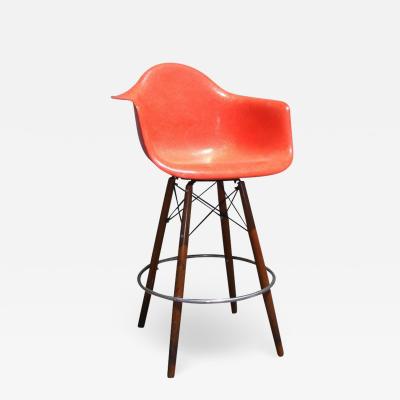
1 Mid-Century Eames Herman Miller Fiberglass Arm Shell Chair Walnut Stool
H 44 in W 22 in D 22 in
$ 900

Charles Eames
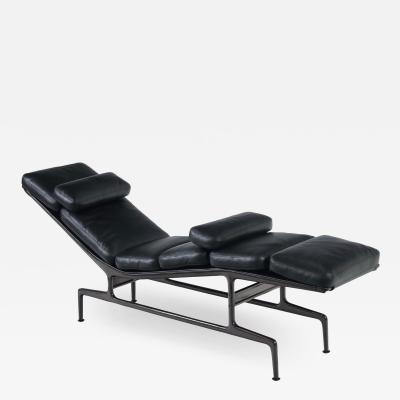
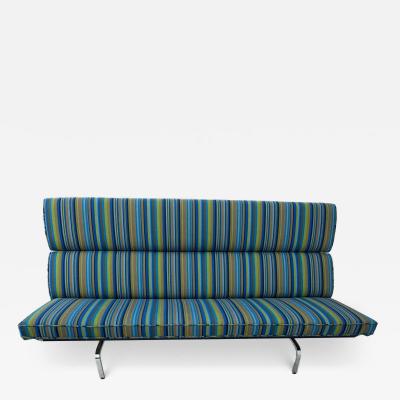
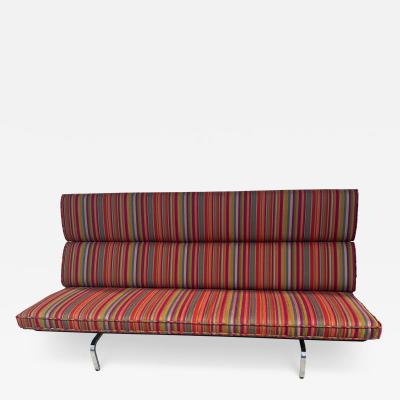
Mid-Century Modern Lounge Designed by Charles Eames for Herman Miller
H 29 in W 76 in D 17 in
$ 5,495



Charles Eames
First Generation Charles & Ray Eames for Herman Miller DCM Dining Chairs in Ash
H 28 in W 19 in D 20 in
$ 8,500
Charles Eames
Series of six chairs, by Charles Eames, Editions Herman Miller, USA, circa 1961
H 28.74 in W 18.9 in D 20.08 in
Request Price

Sold
Charles Eames
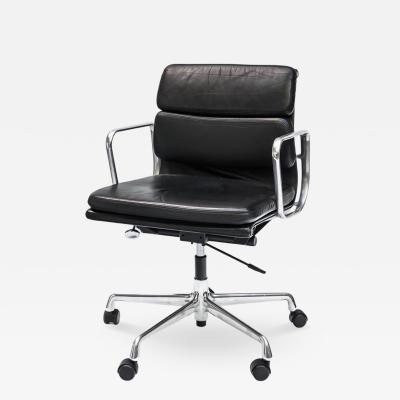
Charles Eames design soft pad for Vitra black leather chair
H 33.07 in W 23.62 in D 22.83 in


Sale


Sold
Charles Eames
Charles Eames design soft pad for Vitra brown leather chair
H 33.07 in W 23.62 in D 22.83 in
200
Charles Eames
Pair of Early Charles Eames for Herman Miller LCW Lounge Chairs
H 27 in W 22 in D 22 in
$ 8,400

Charles Eames
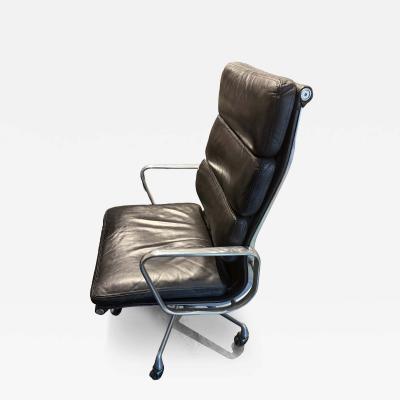
Eames soft pad executive chair
H 40 in W 23 in D 23 in DIA 19 in
$ 1,800
Access Trade Price



Sold
Charles Eames
1st Gen. Eames Lounge Chair & Ottoman in Brazilian Rosewood & Dark Green Leather
H 31 in W 32 in
Charles Eames
Charles Eames for Herman Miller Mid Century Upholstered Shell Office Chair
H 32 in W 25 in D 22 in
$ 1,295

Charles Eames
Charles Eames for Herman Miller Mid Century Upholstered Shell Office Chair
H 32 in W 25 in D 22 in
$ 1,295

Sold
Charles Eames
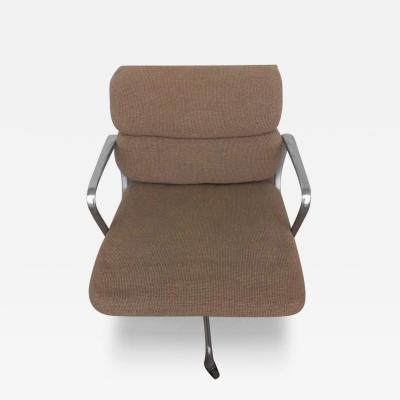
Brown Leather Eames Soft Pad Chairs, A Pair, Herman Miller, 1970's
H 33 in W 21 in D 23 in

 Loading...
