







Showrooms
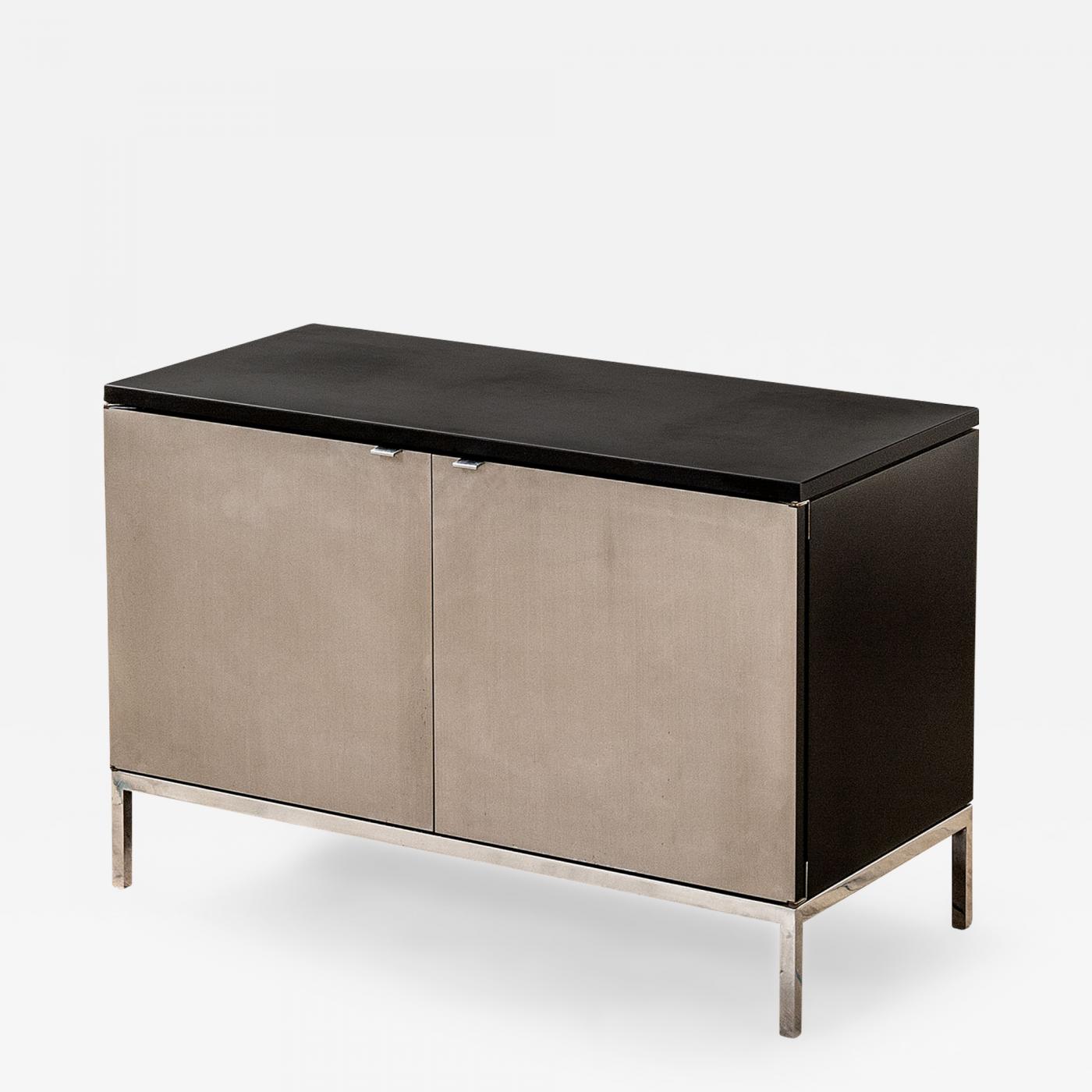
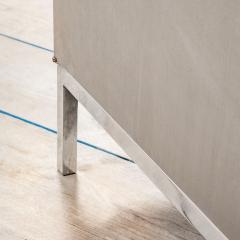
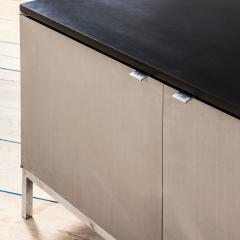
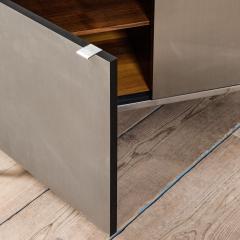
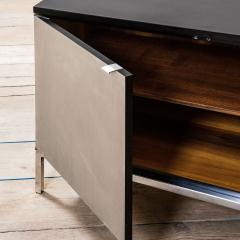
Florence Knoll chromed Two Position Credenza mod. 2544, 60s
-
Description
In 1941 Florence moved to New York where she met Hans Knoll who was establishing his furniture company. With Florence’s design skills and Hans’ business acumen and salesmanship, the pair, who married in 1946, grew the nascent company into an international arbiter of style and design. In creating the revolutionary Knoll Planning Unit, Florence Knoll defined the standard for the modern corporate interiors of post-war America.
Prior to the pioneering approach of Florence Knoll and the Knoll Planning Unit, executive offices in America were nearly all planned the same way. Seeking to create a space better suited to the executive’s primary function — communication — Florence reconsidered the illogical layout from an architectural perspective.
To execute this new layout, Florence introduced the 2544 Credenza in 1961. The elegant design exuded executive quality, and clearly exhibited Mies van der Rohe’s impact on Florence’s approach to design. Like Mies, Florence Knoll would endlessly refine each detail of a design in order to achieve simple, seemingly effortless beauty.
Published in: Knoll: A Modernist Universe, Lutz, pg. 160
Good condition, fully original. -
More Information
Documentation: Documented elsewhere (exact item) Notes: Knoll: A Modernist Universe, Lutz, pg. 160 Origin: Italy Period: 1950-1979 Materials: Laminated steel and plastic, wood inside. Condition: Good. Good condition, fully original. Creation Date: circa 1960 Styles / Movements: Modern, Collectible Design, Mid Century Book References: Knoll: A Modernist Universe, Lutz, pg. 160 Dealer Reference #: A_221 Incollect Reference #: 643927 -
Dimensions
W. 37.8 in; H. 25.59 in; D. 18.11 in; W. 96 cm; H. 65 cm; D. 46 cm;
Hold
More Listings from Società Antiquaria View all 314 listings
-
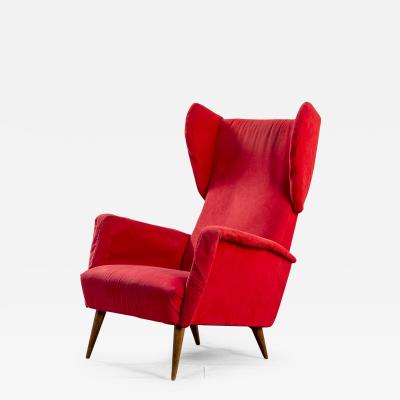
Gio Ponti Cassina Single Armchair for Hotel Royal in Naples '50s
-
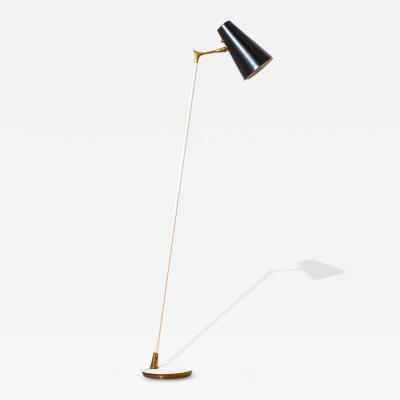
Stilnovo Floor Lamp, Brass and Lacquered Metal, 1960
-
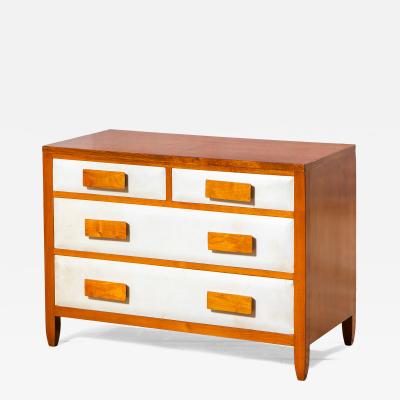
Gio Ponti Mid-Century Modern Cherry Wood Chest of Drawers, 1950s
-
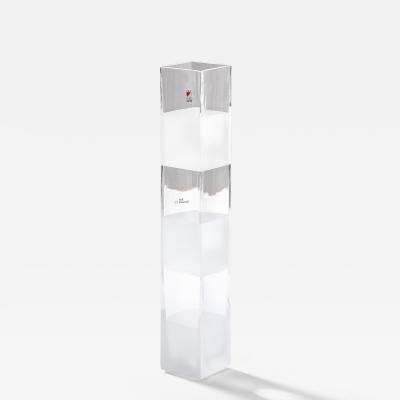
Charles Rennie Mackintosh Vase by Colle Cristalleria, Glass, 1984
-
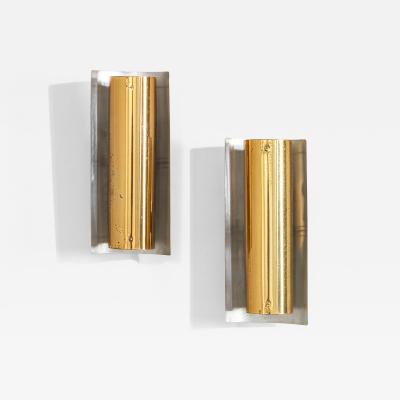
Gio Ponti Pair of Mid-Century Modern Brass Wall Sconces, Italy, 1950s
-
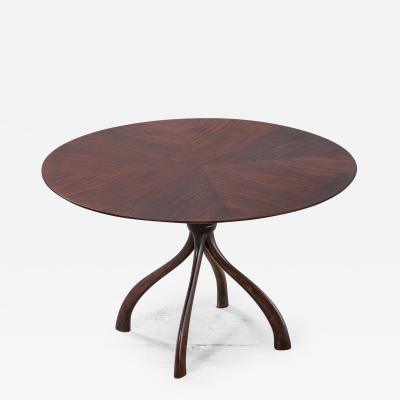
Cesare Lacca Wooden Coffee Table with Sculptured Structure '50s
-
Ron Gilad Chandelier mod. Dear Ingo for Moooi with 16 directional diffusers

-
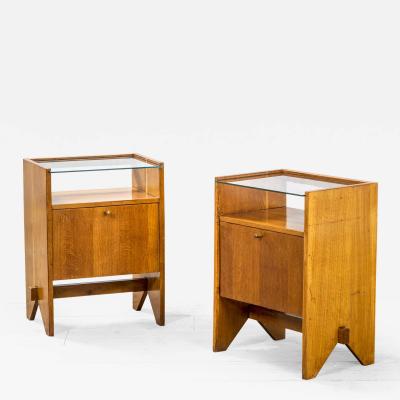
Pair of Night Stands by ISA Bergamo in Wood, Glass and Brass
-
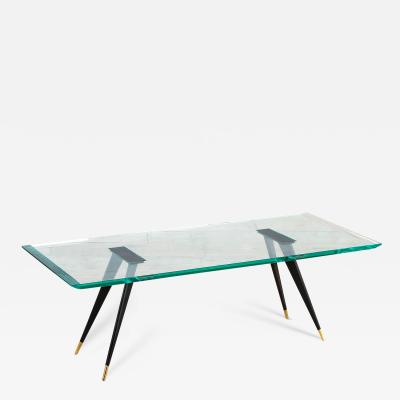
Max Ingrand Fontana Arte Low Table mod. 1817/1 Brass and Glass, 50s
-
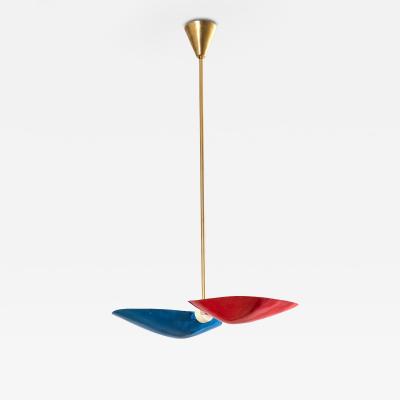
Giuseppe Ostuni Pendant Lamp for Oluce, Brass & Metal, 1950s
-
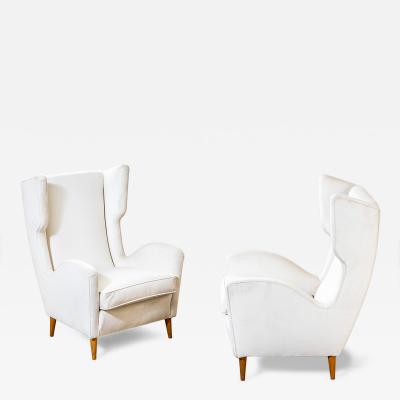
Gio Ponti Pair of Wingback Armchairs, Italian Mid-Century Design, 1950s
-
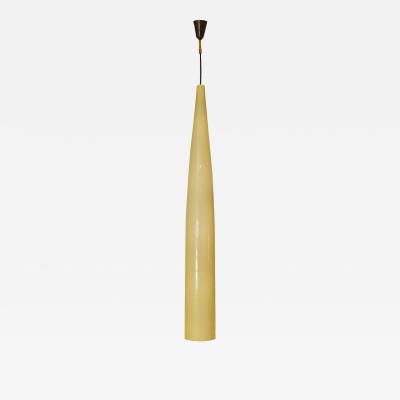
Alessandro Pianon Murano Glass Pendant Lamp Produced for Vistosi
-
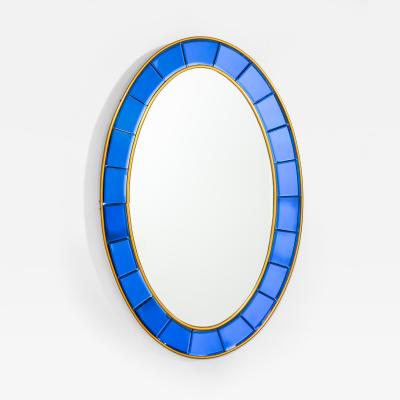
Italian Wall Mirror by Cristal Arte, Blue Glass Frame, 1960s
-
Charles Rennie Mackintosh Vase by Colle Cristalleria, Glass, 1984