






Henry Rox
American, 1899 - 1967
Henry Rox (Heinz Rosenberg): The Master of Photo-Sculpture
(German-American, 1899–1967)
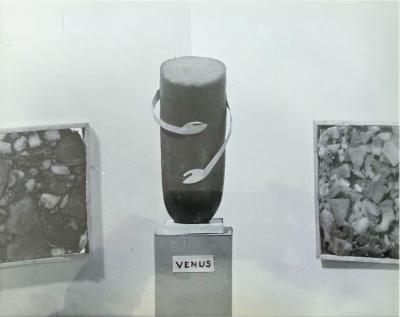
Henry Rox (born Heinz Rosenberg) was a pioneering figure of the 20th-century avant-garde, celebrated for his invention of photo-sculpture—a unique hybrid medium that fused Weimar-era sculptural discipline with surrealist photography. Born into a prominent Berlin family, Rox’s career was a masterclass in artistic reinvention, spanning the elite galleries of Berlin and Paris to the prestigious halls of Mount Holyoke College in the United States.
Academic Foundations and The European Avant-Garde
Rox’s aesthetic was forged in the epicenters of Modernism. He received rigorous training in Art History at the University of Berlin (1919–1923) before specializing in wood sculpture and drawing at the Académie Julian and Académie Colarossi in Paris. By the late 1920s, Rox was a fixture of the European art scene, exhibiting his sculptures at the Salon d’Automne in Paris and prestigious Berlin venues like the Paul Cassirer and Alfred Flechtheim galleries. His work from this period was deeply informed by Dadaist strategies of irony and juxtaposition, a foundation that would later define his photographic legacy.
The Invention of Photo-Sculpture and Exile
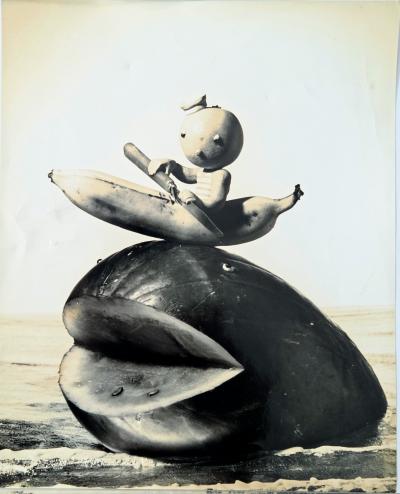
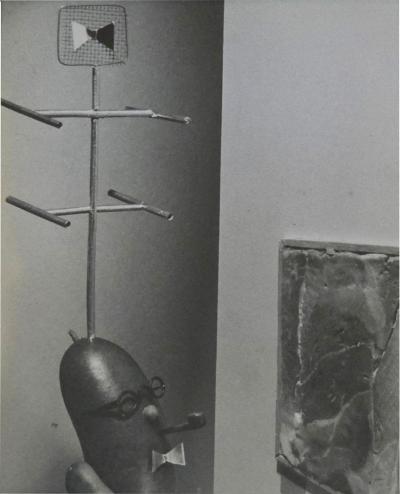
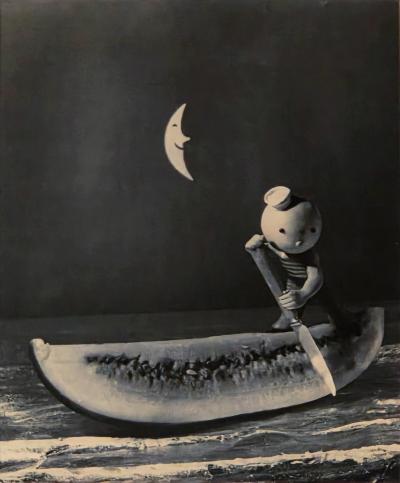
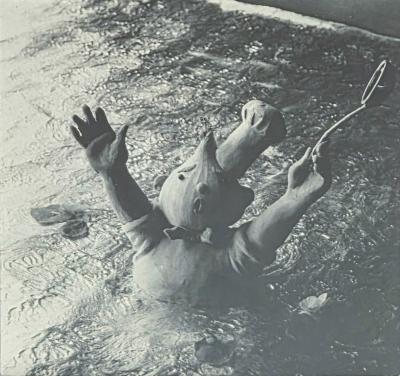
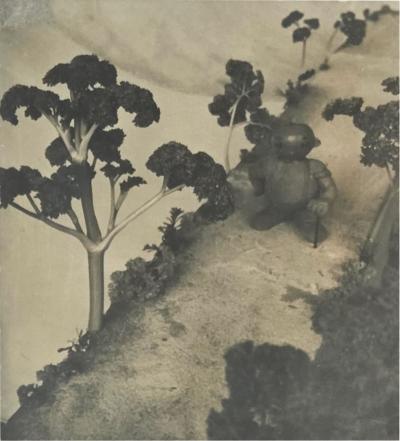
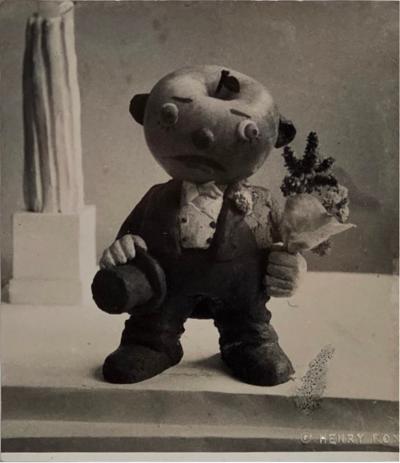
Forced to flee Nazi Germany in 1934, Rox left behind his sculptures and professional infrastructure, carrying only his camera into exile. In London, financial necessity and artistic brilliance birthed his signature photo-sculptures: intricate, anthropomorphic constructions created solely for the camera's lens. This period saw a landmark collaboration with James Laver (of the Victoria and Albert Museum) on the structurally rigorous Tommy Apple series, bridging the gap between whimsical narrative and institutional high art.
American Period and Global Recognition
Upon relocating to the United States in 1938, Rox’s work gained massive visibility in Henry Luce’s Life Magazine, Vogue, and Harper’s Bazaar. His Banana Circus and other fruit-based narratives were not merely illustrations; they were sophisticated photographic constructions that caught the eye of MGM, leading to an animated segment in the film Strike Up the Band (1940). While serving as the Mary Lyon Professor of Art at Mount Holyoke, Rox was awarded a Guggenheim Fellowship in 1954, solidifying his status as a serious modernist sculptor and photographic innovator.
Provenance and Market Rarity
Today, the work of Henry Rox is undergoing a significant institutional reassessment. With no known extant negatives, the surviving lifetime silver gelatin prints—salvaged after his death in 1967—constitute the entire material record of his practice. His work has been featured in the European Month of Photography and recent exhibitions at the Bonartes Photo Institute in Vienna (2025–2026). For the discerning collector, a Henry Rox print represents a rare intersection of Mid-Century Surrealism, European émigré history, and extraordinary technical discipline.
(German-American, 1899–1967)
Henry Rox (born Heinz Rosenberg) was a pioneering figure of the 20th-century avant-garde, celebrated for his invention of photo-sculpture—a unique hybrid medium that fused Weimar-era sculptural discipline with surrealist photography. Born into a prominent Berlin family, Rox’s career was a masterclass in artistic reinvention, spanning the elite galleries of Berlin and Paris to the prestigious halls of Mount Holyoke College in the United States.
Academic Foundations and The European Avant-Garde
Rox’s aesthetic was forged in the epicenters of Modernism. He received rigorous training in Art History at the University of Berlin (1919–1923) before specializing in wood sculpture and drawing at the Académie Julian and Académie Colarossi in Paris. By the late 1920s, Rox was a fixture of the European art scene, exhibiting his sculptures at the Salon d’Automne in Paris and prestigious Berlin venues like the Paul Cassirer and Alfred Flechtheim galleries. His work from this period was deeply informed by Dadaist strategies of irony and juxtaposition, a foundation that would later define his photographic legacy.
The Invention of Photo-Sculpture and Exile
Forced to flee Nazi Germany in 1934, Rox left behind his sculptures and professional infrastructure, carrying only his camera into exile. In London, financial necessity and artistic brilliance birthed his signature photo-sculptures: intricate, anthropomorphic constructions created solely for the camera's lens. This period saw a landmark collaboration with James Laver (of the Victoria and Albert Museum) on the structurally rigorous Tommy Apple series, bridging the gap between whimsical narrative and institutional high art.
American Period and Global Recognition
Upon relocating to the United States in 1938, Rox’s work gained massive visibility in Henry Luce’s Life Magazine, Vogue, and Harper’s Bazaar. His Banana Circus and other fruit-based narratives were not merely illustrations; they were sophisticated photographic constructions that caught the eye of MGM, leading to an animated segment in the film Strike Up the Band (1940). While serving as the Mary Lyon Professor of Art at Mount Holyoke, Rox was awarded a Guggenheim Fellowship in 1954, solidifying his status as a serious modernist sculptor and photographic innovator.
Provenance and Market Rarity
Today, the work of Henry Rox is undergoing a significant institutional reassessment. With no known extant negatives, the surviving lifetime silver gelatin prints—salvaged after his death in 1967—constitute the entire material record of his practice. His work has been featured in the European Month of Photography and recent exhibitions at the Bonartes Photo Institute in Vienna (2025–2026). For the discerning collector, a Henry Rox print represents a rare intersection of Mid-Century Surrealism, European émigré history, and extraordinary technical discipline.
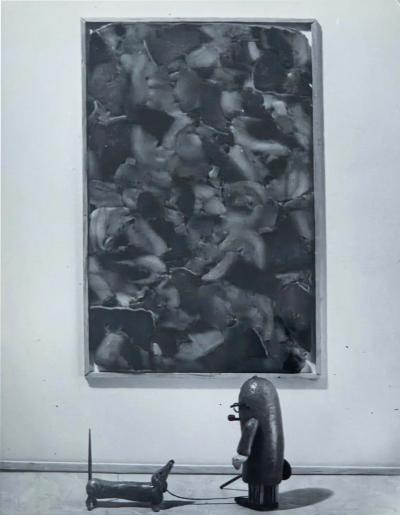
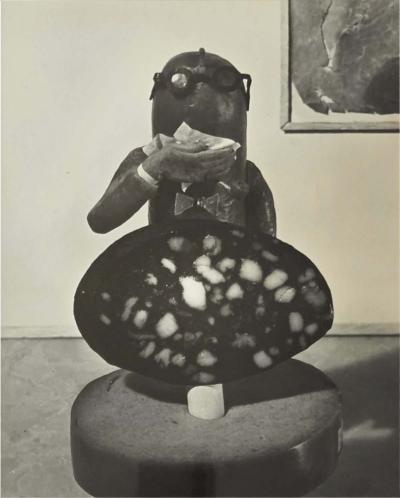
Henry Rox
Art Critic (Standing Before Monumental Framed Post War Abstraction)
H 10 in W 8 in
$ 2,450

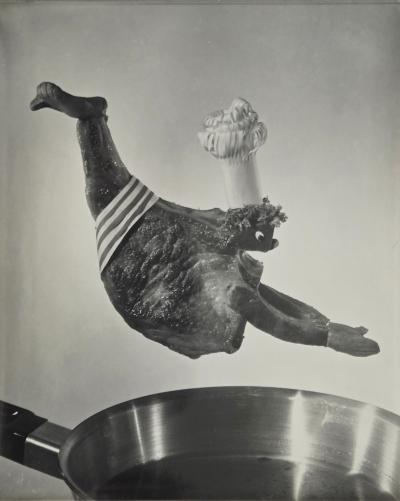
Henry Rox
"A Pork Chop Figure Diving Into a Frying Pan" Photo-Sculpture C. 1944
H 10 in W 8 in
$ 1,850
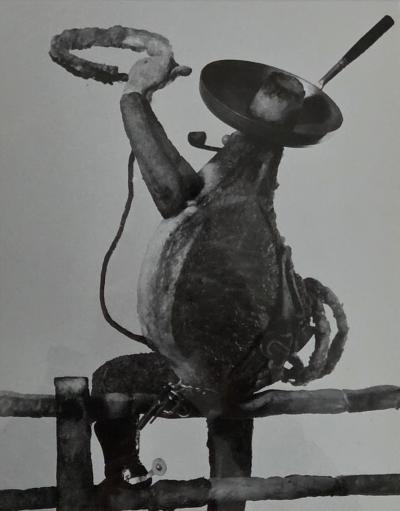
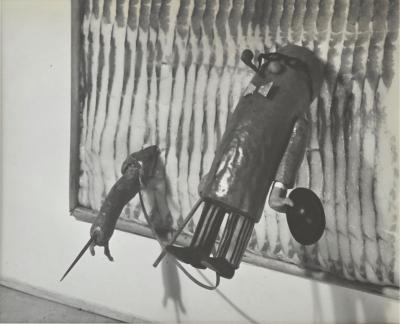
Henry Rox
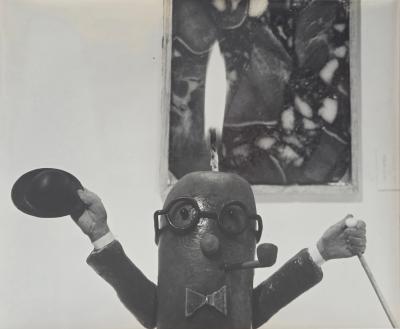
Art Critic (Elevated Figure Before Post War Striped Abstract Painting)
H 8 in W 10 in
$ 2,450
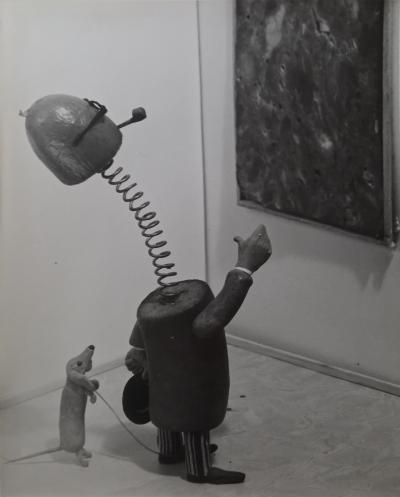
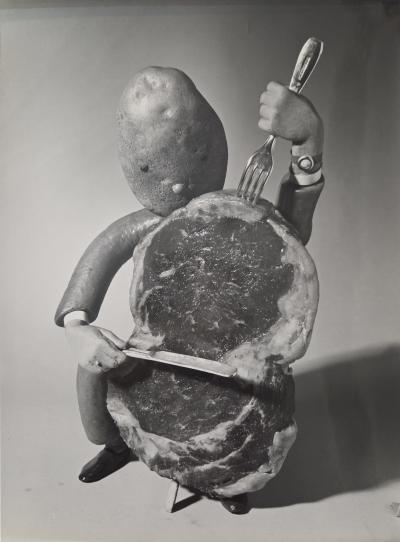
Henry Rox
Musician Playing Pork Chop Double Bass Silver Gelatin Print c. 1940
H 10 in W 8 in
$ 1,850

Henry Rox
"Down the Stairs Came a Pale, Imposing Figure in a Flowing Gown" 1935
H 10 in W 7 in
$ 1,900


Henry Rox
"Tommy Apple & Peggy Pear" Frontispiece Silver Gelatin Print1935/1940
H 8 in W 6 in
$ 1,800
Henry Rox
"Tommy Apple" Frontispiece "Tommy Apple and his Adventures in Banana-Land" 1940
H 6 in W 5 in
$ 1,800
 Loading...
