











Paul Jenkins
American, 1923 - 2012

Paul Jenkins (July 12, 1923 – June 9, 2012) was a prominent American abstract expressionist painter known for his vibrant and fluid works. Born in Kansas City, Missouri, Jenkins developed a passion for art at a young age, influenced by visits with notable artists like Frank Lloyd Wright and Thomas Hart Benton. After serving in World War II, he pursued formal art education at the Art Students League in New York, where he studied under Yasuo Kuniyoshi and interacted with leading figures of the Abstract Expressionist movement, including Mark Rothko and Jackson Pollock.
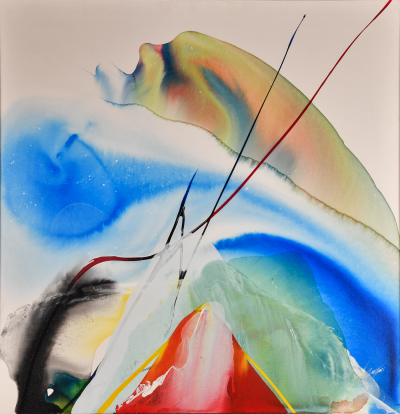
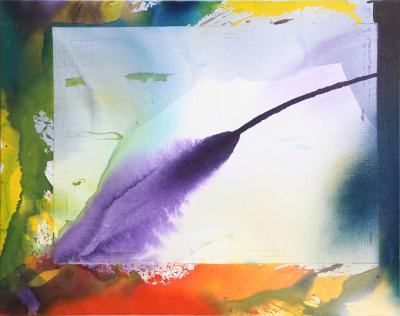
In the 1950s, Jenkins gained recognition for his innovative approach to painting, characterized by pouring and manipulating paint to create dynamic forms. His first solo exhibitions took place in Paris and New York, solidifying his place in the art world. Over the years, he experimented with various mediums, including acrylics and watercolors, and became known for his philosophical approach to color and form, often referencing Goethe's color theories in his titles.
Jenkins's work was widely exhibited internationally, and he created large-scale installations, including sculptures like the Meditation Mandala. He was also involved in theater, designing stage sets and costumes for performances. Throughout his career, he received numerous accolades, including a silver medal from the Art Directors Club for his book "Anatomy of a Cloud," which blends his art and writings.
Jenkins passed away in Manhattan, leaving behind a legacy of innovative contributions to abstract art and a commitment to making art accessible to all. His work continues to be celebrated in museums and exhibitions worldwide.
In the 1950s, Jenkins gained recognition for his innovative approach to painting, characterized by pouring and manipulating paint to create dynamic forms. His first solo exhibitions took place in Paris and New York, solidifying his place in the art world. Over the years, he experimented with various mediums, including acrylics and watercolors, and became known for his philosophical approach to color and form, often referencing Goethe's color theories in his titles.
Jenkins's work was widely exhibited internationally, and he created large-scale installations, including sculptures like the Meditation Mandala. He was also involved in theater, designing stage sets and costumes for performances. Throughout his career, he received numerous accolades, including a silver medal from the Art Directors Club for his book "Anatomy of a Cloud," which blends his art and writings.
Jenkins passed away in Manhattan, leaving behind a legacy of innovative contributions to abstract art and a commitment to making art accessible to all. His work continues to be celebrated in museums and exhibitions worldwide.



Sold
Paul Jenkins
Paul Jenkins "Phenomena Bordering Orion" Watercolor on Paper, 1981
H 49 in W 37 in D 1 in


 Loading...
