






Showrooms
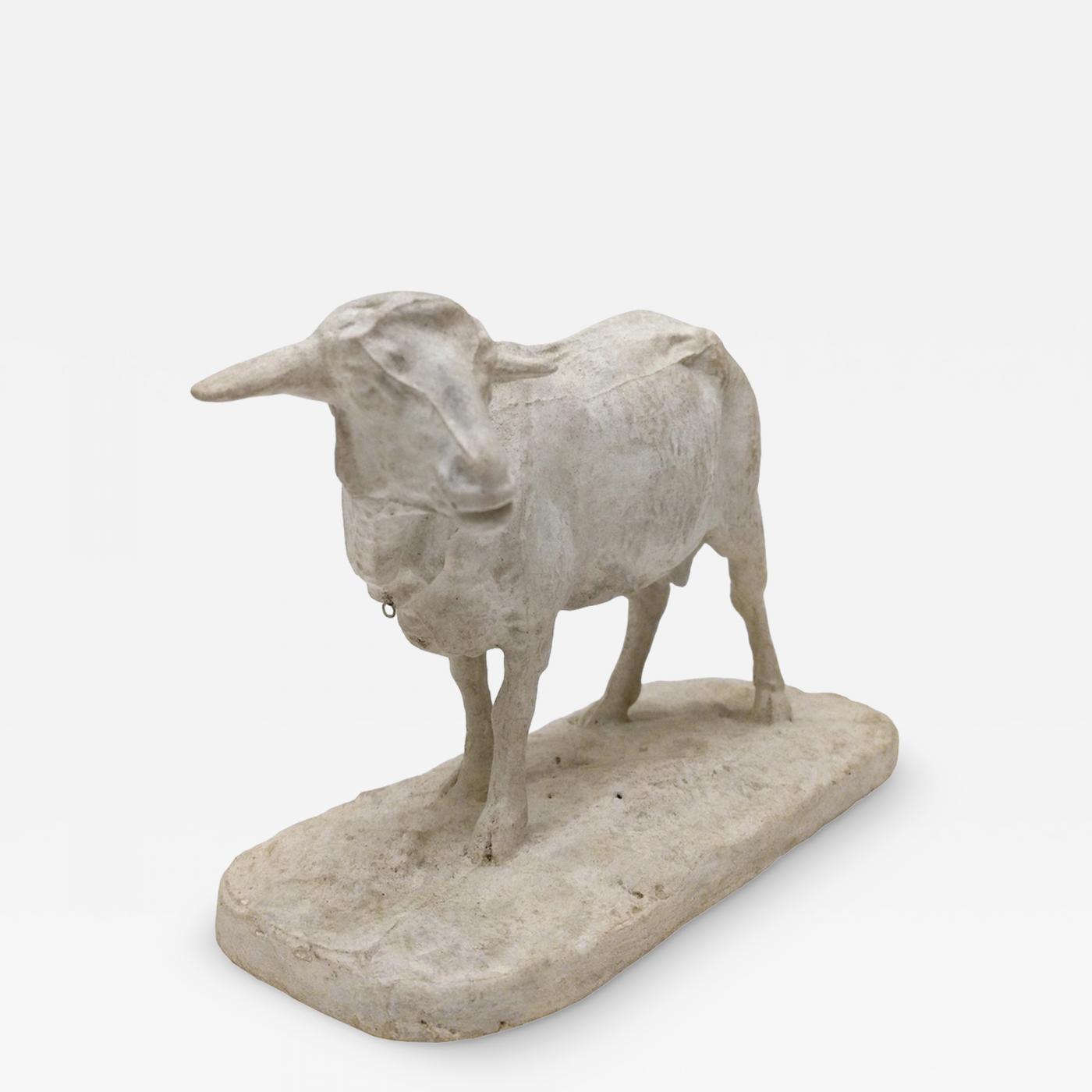
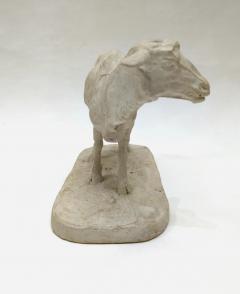
"Standing Sheep", studio plaster, by Pierre-Jules Mêne, France, circa 1864
-
Description
« Mouton debout », sculpture by Pierre-Jules Mêne (1810 – 1879).
Workshop plaster.
Biography
Pierre-Jules Mêne, France (1810 – 1879)
French sculptor.
Son of a copper turner, Pierre-Jules Mêne was born in the popular district of Faubourg-Saint-Antoine. In 1822, the family moved to 12, rue du Vertbois, in the Temple district, where the father, having registered with the Meeting of Bronze Manufacturers, created a workshop specializing in chandeliers and the making of torches. Introduced to metal working at a very young age, Pierre-Jules initially collaborated in his father’s business with his father and his brothers. Of artistic temperament, he began to practice drawing very early and collected engravings and drawings, with a particular predilection for the painter Horace Vernet whose style he appreciated and knew his work to perfection. He married in 1832 with Hortense-Caroline Monnereau who remained his companion throughout his life. From then on he left his father’s workshop and sought to live from his art: sculpture. In order to live, he must practice trades that are not very related to his vocation while continuing his artistic training with the wood sculptor René Compaire. He made his debut at the Salon in 1838 and he exhibited until 1879 and quickly became popular. Taking advantage of the animal vogue initiated by Barye and Fratin, he was able to make a place for himself by exploring almost exclusively the fields of hunting and horse racing, and his commercial success was undoubtedly more brilliant than that of his colleagues. Like Barye, Mêne opened his own foundry in 1837 to publish his works and, later, those of his son-in-law, the sculptor Auguste Cain. He takes care himself, with great care, of the casting and the chasing.
Pierre-Jules Mêne died in May 1879 and was buried in the Montmartre cemetery. -
More Information
Documentation: Documented elsewhere (exact item) Origin: France Period: 19th Century Materials: Plaster Condition: Good. Creation Date: Circa 1864 Styles / Movements: Traditional Incollect Reference #: 832020 -
Dimensions
W. 10.63 in; H. 6.69 in; D. 4.33 in; W. 27 cm; H. 17 cm; D. 11 cm;
Message from Seller:
Catherine Canavese is an expert from the "Compagnie Nationale des Experts." She is an astute antique dealer and offers to connoisseurs, dealers and private customers a curated selection of objects, furniture, sculptures, lamps and decorative elements of the XIXth up to the XXIth century, all original and of the best quality. The gallery has been in operation since 2001.
More Listings from Galerie Canavèse View all 450 listings
-
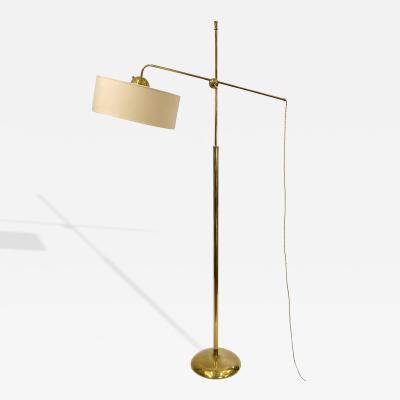
Polished brass floor lamp in the style of Robert Mathieu, France circa 1950
-
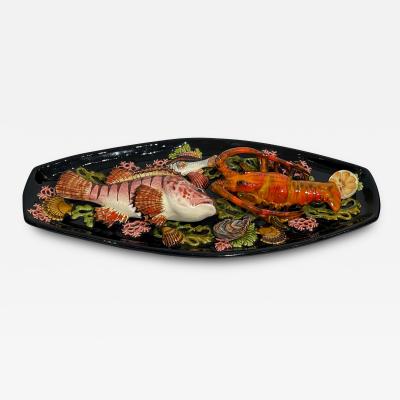
Majolica dish decorated with sea animals Poterie de Vallauris, France circa 1960
-
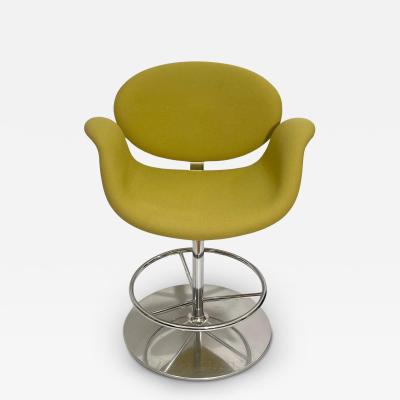
"Little Tulip" swivel chair with footrest, Pierre Paulin, Netherlands circa 1960
-
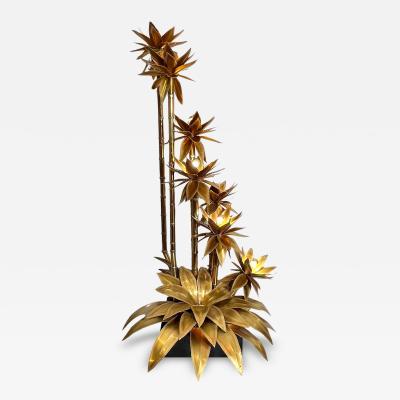
Large “Agave” floor lamp attributed to Christian Techoueyres, France circa 1970
-
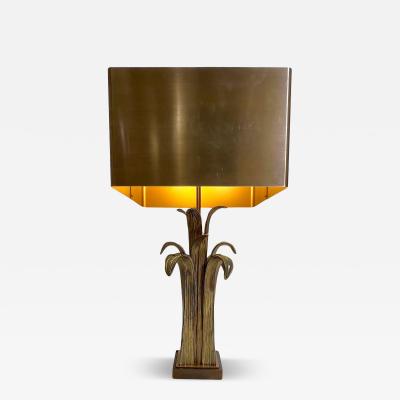
Large “Water Leaf” lamp, Chrystiane Charles, Maison Charles, France circa 1970
-
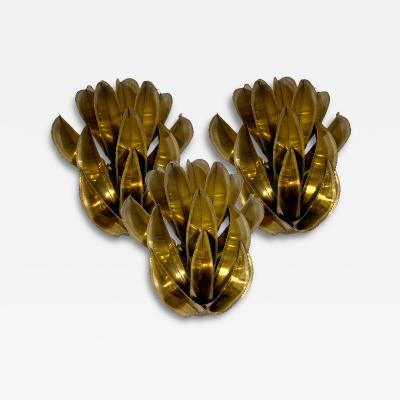
Set of three “agave” sconces attributed to Christian Techoueyres France 1970
-
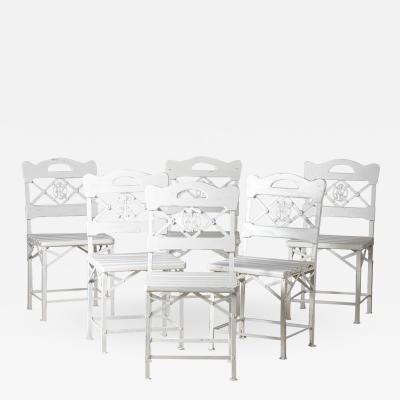
La Restauration garden chairs, France, circa 1880
-
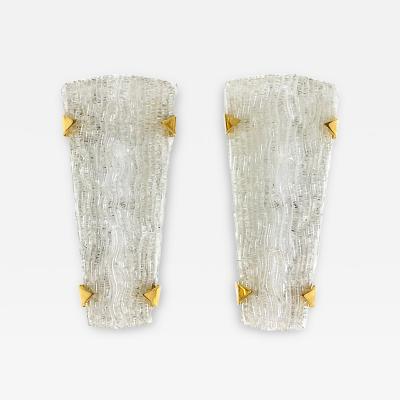
Pair of glass lighting sconces, Editions Maison Arlus, Paris, France, circa 1960
-
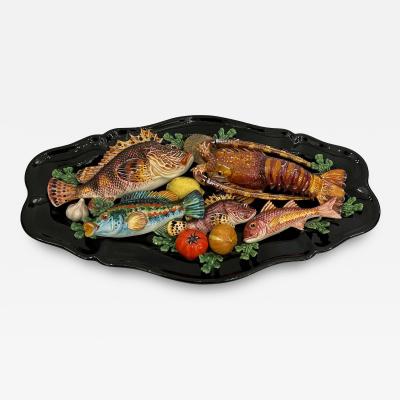
Large dish decorated with sea animals, Poterie de Vallauris, France, circa 1960
-
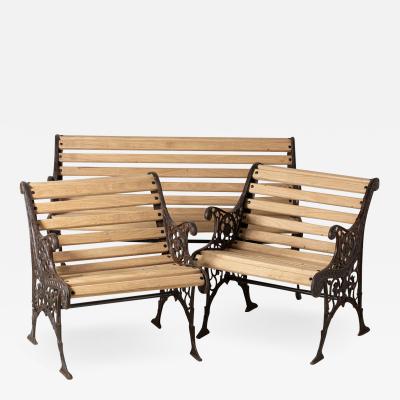
Garden set in cast iron and wood, France, circa 1930
-
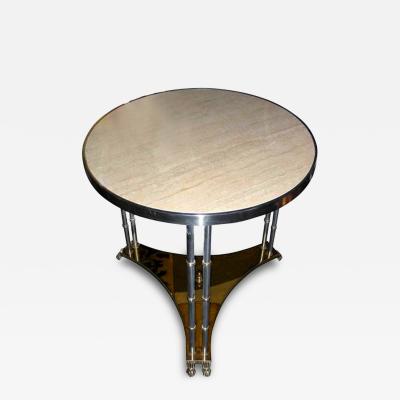
High pedestal table in travertine by Maison Jansen, Paris, France circa 1980
-
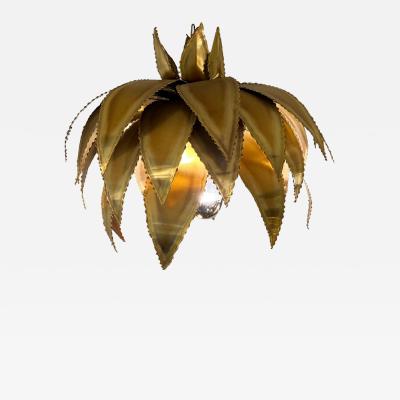
Solid brass "Agave" pendant light, Christian Techoueyres, France, circa 1970
-
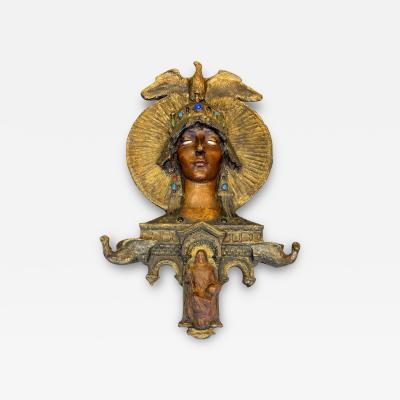
“Theodora, Florentine medallion” in plaster cast, by Jean Rivière, France, 1891
-
air of Medici-style Empire vase-lamps, France, circa 1940