












Showrooms
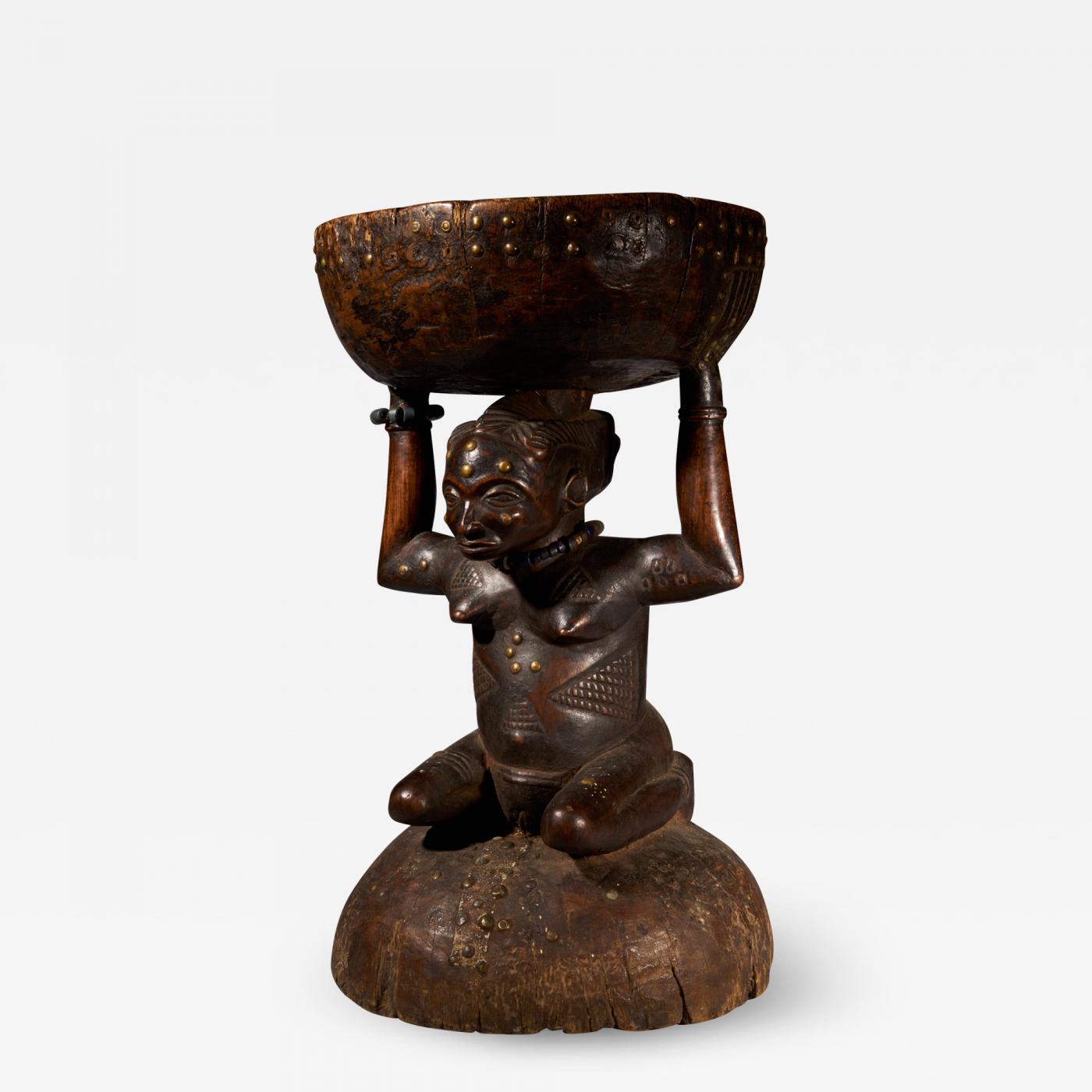
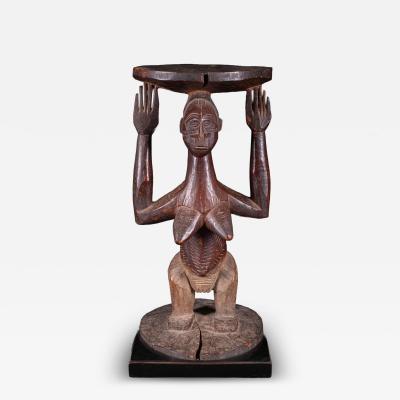
Massive and Robust Zela Caryatide Stool held by a Female sculpture
-
Description
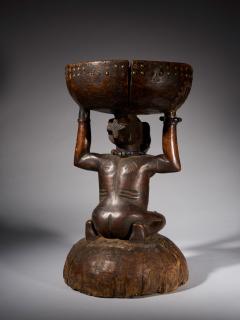
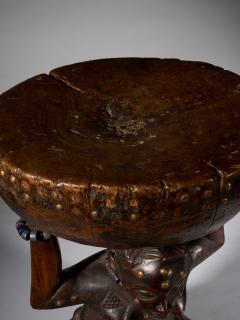
The stool represented here is a typical Caryatide stool of the Zela people in the Democratic Republic of Congo. The stool is carved out of wood and is held up by a kneeling woman covered with typical Zela scarifications, showing her high ranking among her people. The stool base is robust, and the wood is less sleek than the sculpture and the top part. Both the base and the top show a nice patina and some age cracks.
Sculpted seats, like this one, are among the most important insignia of office used exclusively by rulers. These stools are believed to serve as a receptacle for a ruler’s spirit and are not used actually to sit on. The one’s that incorporate female caryatids give expression to the Zela conception of the female body as a spiritual receptacle that supports rulership. The aesthetic refinement of the female body through elaborate skin ornamentation serves as a metaphor for the civilization and refinement that Zela rulers disseminate within society. -
More Information
Origin: Congo-Kinshasa Period: 1920-1949 Materials: Wood, hand carved Condition: Good. Styles / Movements: Traditional Dealer Reference #: 1051 Incollect Reference #: 462928 -
Dimensions
W. 12.99 in; H. 22.05 in; W. 33 cm; H. 56 cm;
Message from Seller:
Spectandum, a by-appointment gallery in Leuven, Belgium, can be reached at contact@spectandum.com 32475648678. The gallery specializes in Natural History, Ethnography, European works of art, antiquities, and rare curiosities sourced from around the world.
More Listings from Spectandum View all 169 listings
-
Female Caryatid standing Figure on a circular base, supporting a circular stool
-
Sioux Indian Stone War Club

-
Collection of 20 Decorative and very Expressive Mudzini Reliquary Heads

-
Collection of eleven old Bamana & Dogon locks

-
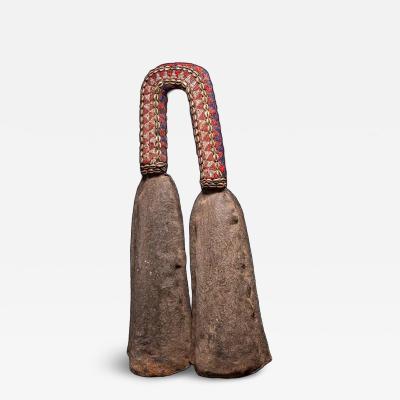
Bamileke iron double Bell decorated with trade beads
-
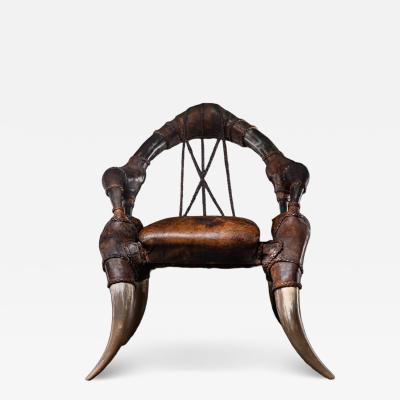
Colonial African Leather & Horn Throne Armchair
-
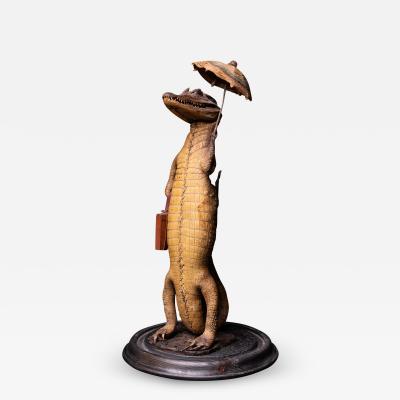
Small Alligator with Umbrella and Travel Case under a Glass dome
-
Collection of opium paraphernalia

-
Royal Stool covered in glassbeads and supported by two Interlaced Figures

-
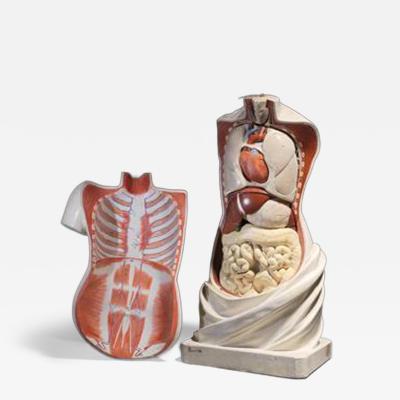
19th C Anatomical Didactic Model of a Torso with Removable Organs, developed
-
Didactical Model of a Cockchafer or May bug labeled

-
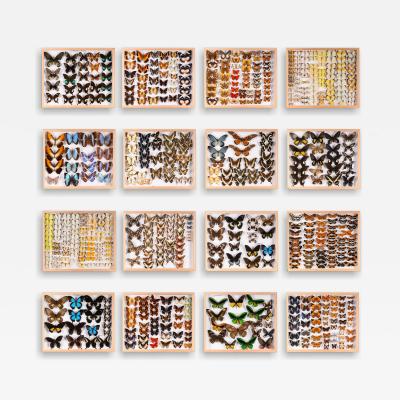
Restored and Pest-free Old Collection of Some 3.400 Butterflies
-
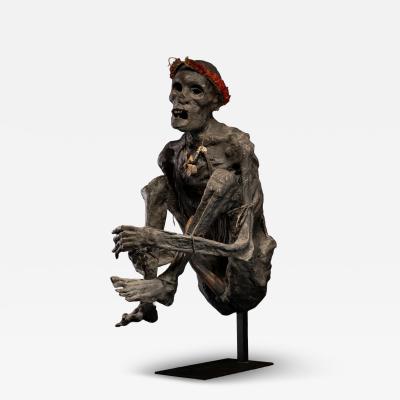
Sculptured model of a smoked Papua Mummie, papier mâché, 20th C
-
Luba wooden weathered Elephant Chief Seat

