








Listings / Furniture / Tables / Dining Tables







Offered by:
Hobbs Modern
5111 Santa Fe St., Suite L
San Diego, CA 92109 , United States
Call Seller
619.300.3551
Showrooms
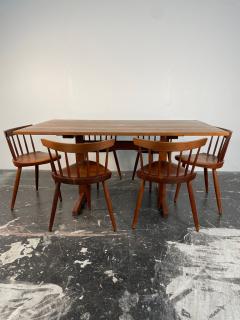
Early George Nakashima Trestle Table
-
Description
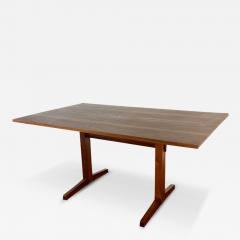
One of the earliest designs of George Nakashima, this piece was inspired by the simple lifestyle of early American Shakers. The knock-down design allows for an easily removable table-top. The table stop is secured to the legs with wedge and pin system. Each pin looks perfectly round but in each was chiseled by hand.
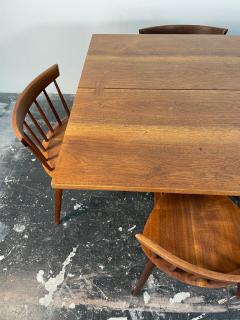
This table was ordered in the 1945-1950's. This table was owned from new by one family who had it custom made to fit their kitchen nook. Made of solid walnut with three walnut butterfly joints that stabilize the slabs of walnut as well as create small gap in the wood top.
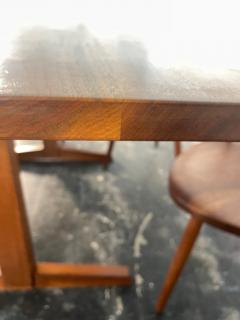
This piece has beautiful patina. We have cleaned it and oil it again with Nakashima recommended Tung oil. This piece shows original patina (ie chips and dents and scratches) but is in very good condition. Unless you would like the table refinished, we can do that too. Nakashima believed furniture should not be overly precious and it should be used. Kevinization, is what he called the natural patina that comes with daily use. We have tried to preserve. George Nakashima was largely influenced by the Japanese belief of wabi-sabi, Nakashima revered in seeking beauty in imperfection — and had an uncanny ability and an almost psychic connection to the wood.
Table Dimensions: 60L x 36.25 W x 28.25 H
Price is for the table. Mira chairs in a separate listing
George Nakashima stands as a titan in the world of furniture design, a visionary whose influence resonates through American Modernism and changed American furniture making and its philosophy forever. He was born in Washington, he studied Forestry and Architecture at the University of Washington, attended the Ecole Americaine des Beaux-Arts at Fontainebleau. When he returned to Paris years later, he commented that he "could not help feeling that Paris lived in the past in spite of the powerful inspiration of modern art and architecture".
He attended MIT and studied architecture. The next destination was his ancestral land, Japan. In 1934, Nakashima was introduced to Antonin Raymond, who had worked with Frank Lloyd Wright. in 1941, he got married in L.A. and moved up to Seattle.
The Japanese attack on Pearl Harbor and the incarceration of all West Coast residents of Japanese ancestry brought Nakashima's new life and endeavors to a halt. Nakashima, his wife, and their newborn daughter were removed to the Minidoka War relocation camp in Hunt, Idaho.
Because he had skills as an architect, he was assigned to design and plan rooms and housing for the social betterment of the camp. Nakashima utilized scrap lumber left over from building the barracks and additional materials that he collected out in the desert to make a model apartment. He tried to give his and fellow Japanese Americans' incarcerated lives some level of comfort and dignity. He was paid $19 per month and continued that job until he left the camp in May 1943.
One of the camp residents was an experienced Issei carpenter, Gentaro Kenneth Hikogawa , who collaborated with Nakashima on his job building rooms for display. Through their collaborative work, the carpenter trained Nakashima to refine skills as a woodworker. Hikogawa taught Nakashima how to use and take care of Japanese hand tools that were to become essential in Nakashima's postwar production. In later years, Nakashima's knowledge of Japanese wood joinery, which he owed to Hikogawa, surprised Japanese artisans who assumed that no Americans would know about it. Although the incarceration restricted the freedom of the up-and-coming woodworker, it could not contain his passion for work and knowledge.
Looking back, Nakashima expressed his bitter feeling about the incarceration in his autobiography: "[The incarceration] I felt at the time was a stupid, insensitive act, one by which my country could only hurt itself. It was a policy of unthinking racism." The days that he spent in the desert of Idaho were harsh, yet the intimate environment of the camp provided Nakashima with an opportunity to reconnect with the Japanese American community.
He believed strongly in creating objects that were real and utilitarian. 'Style' was not a concern. Nakashima believed that creating furniture was only a mere vehicle to express the spirit of the tree. Once he was released from the camps, he settled in Pensylvania. In his book, Soul of the Tree he called himself a "rag picker", he would go to the lumber yard and discovered that there were off-cuts. Back then, they quarter sawed most of the lumber so there were pieces they trimmed off that didn’t make good lumber. He was able to scavenge or purchase those and was able to start making furniture out of them.
Mira Nakashima said: It’s a very Japanese thing. You find beauty in imperfection. You celebrate it. In the beginning the lumber was full of flaws, there were knot holes and cracks and wormholes and all kinds of things that ordinary furniture makers would have thrown away. But he learned how to do the butterflies, probably from the carpenter in the camp. So he joined pieces with butterflies. He said in the beginning people didn’t understand what he was doing but after a while they paid extra for them. -
More Information
Documentation: Documented elsewhere (similar item) Period: 1920-1949 Styles / Movements: Modern, Mid Century Incollect Reference #: 734231 -
Dimensions
W. 36.25 in; H. 28.25 in; D. 60 in; W. 92.08 cm; H. 71.76 cm; D. 152.4 cm;
Message from Seller:
FURNITURE SHOULD BE FUNCTIONAL ART, YOUR HOME SHOULD BE THE PERFECT RETREAT. Hobbs Modern is the premier mid century modern furniture dealer in San Diego, CA. We hand-select and curate each piece of our inventory which represents the iconic and exemplary Danish, American, and Brazilian vintage modern design with a relentless pursuit of restoration perfection and historical accuracy. Our passion is to breathe new life into vintage pieces. We ship nationwide.
Sold
More Listings from Hobbs Modern View all 171 listings
-
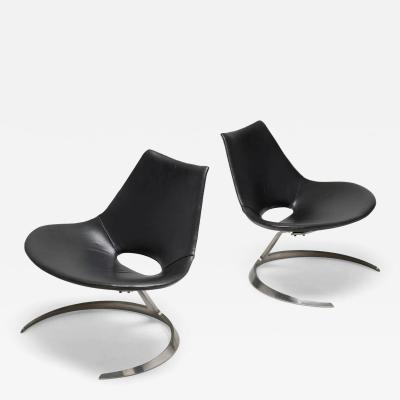
Rare Pair of Scimitar Chairs by Preben Fabricius and Jorgen Kastholm
-
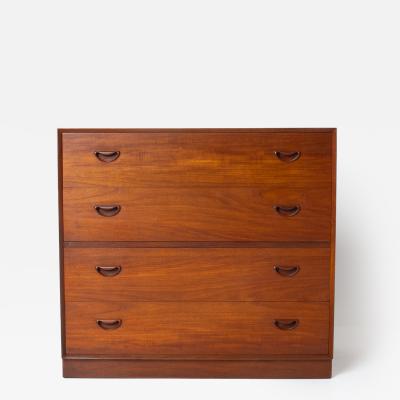
Peter Hvidt and Orla Mølgaard-Nielsen Round Solid Teak Vanity and Dresser
-
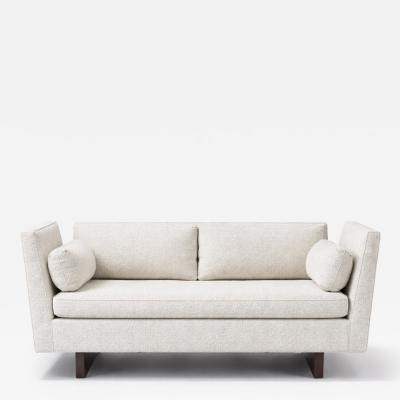
Edward Wormley Split Arm Sofa for Dunbar
-
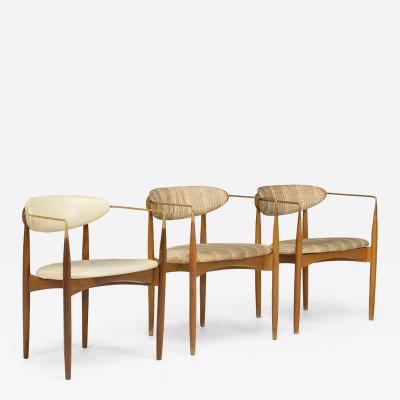
Viscount chairs by Dan Johnson Regular price
-
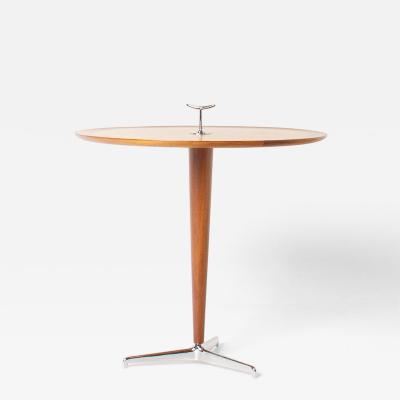
Edward Wormley Snack Side Table for Dunbar
-
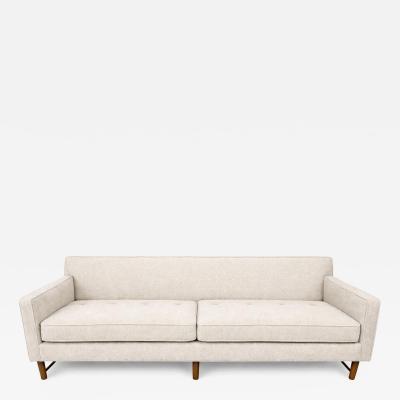
Edward Wormley for Dunbar Sofa
-
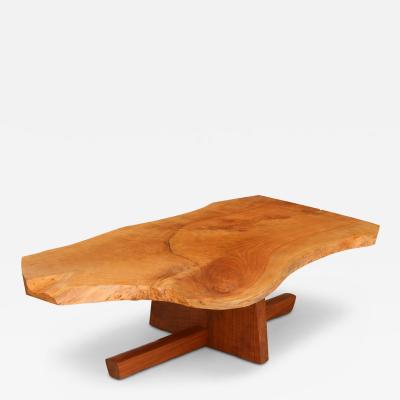
Mira Nakashima “Minguren I" Coffee Table
-
Percival Lafer Couch MP-41 in New Black leather and Brazilian Hardwood

-
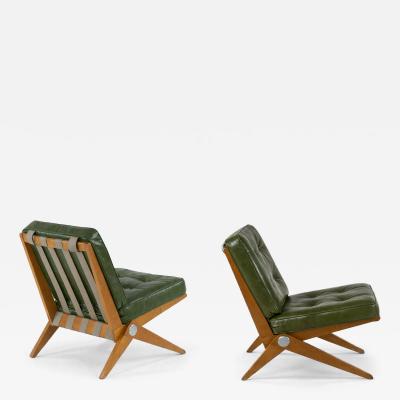
Pair of Pierre Jeanneret "Scissors" Lounge Chairs for Knoll
-
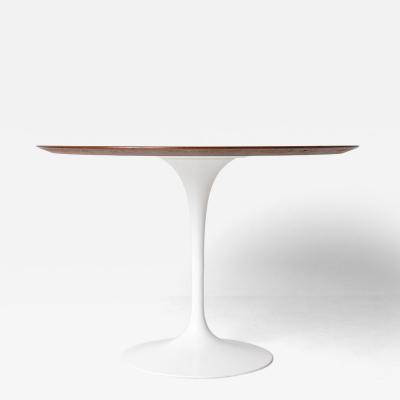
Eero Saarinen 42" Tulip Dining Table in Walnut for Knoll
-
Adrian Pearsall Sculptural Lounge Chair

-
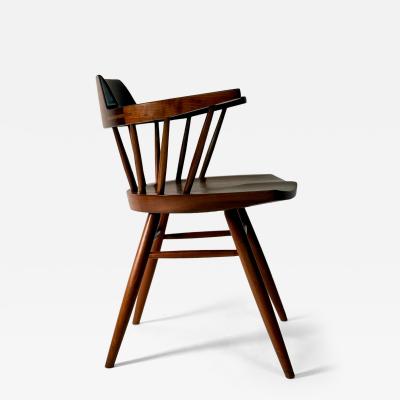
George Nakashima Captain's Chair in Cherry (Two Available)
-
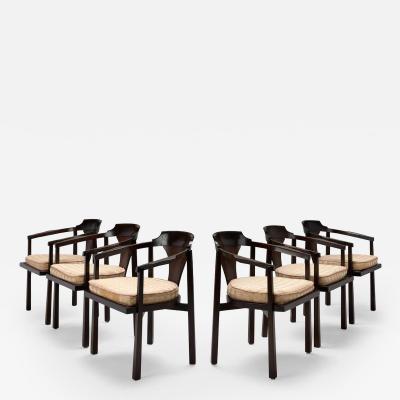
Rare Set of Six Edward Wormley Horseshoe Chairs Model 935 for Dunbar
-
Børge Mogensen Solid Teak Floating Shelf